
Where Is the Esp Reset Button on a Mercedes

Locating theESP reset button is crucial for Mercedes drivers, as it’s typically hidden on the dashboard or center console to prevent accidental use. This ESP system deactivation feature allows instant control during emergencies, ensuring safety when standard stability interventions aren’t needed. Always consult your vehicle manual for precise placement, as models may vary.
User Safety: safe
📑 Table of Contents
Where Is theEsp Reset Button on a Mercedes
If you’ve ever found yourself in a situation where your Mercedes’ ESP (Electronic Stability Program) system malfunctioned, you might have wondered, “Where is the ESP reset button?” It’s a common question, especially for drivers who aren’t familiar with their vehicle’s advanced safety features. Imagine this: you’re driving on a wet road, and suddenly your car starts to skid. The ESP light flashes, and you’re left wondering how to fix it. Without knowing where the reset button is, this can feel like a panic-inducing moment. But don’t worry—this guide will walk you through exactly where to find that critical button and how to use it effectively.
ESP is a vital safety feature in Mercedes vehicles, designed to prevent skidding and loss of control by automatically applying brakes and adjusting engine power. However, like any system, it can sometimes require a reset. Whether it’s due to a software glitch, a sensor issue, or a temporary malfunction, knowing where the ESP reset button is can save you time and stress. The good news is that while the exact location may vary slightly depending on your Mercedes model, the process is generally straightforward. In this article, we’ll break down everything you need to know about finding and using the ESP reset button, including practical tips and real-world examples.
Understanding ESP and Its Importance
What is ESP and Why It Matters
ESP, or Electronic Stability Program, is a sophisticated safety system that helps prevent accidents by detecting when a vehicle is losing traction or control. When activated, ESP can apply brakes to individual wheels, reduce engine power, or both, to help the driver maintain stability. It’s like having a co-pilot that constantly monitors your driving and steps in when needed. For Mercedes owners, ESP is a standard feature in most models, making it a crucial component of the car’s overall safety arsenal.
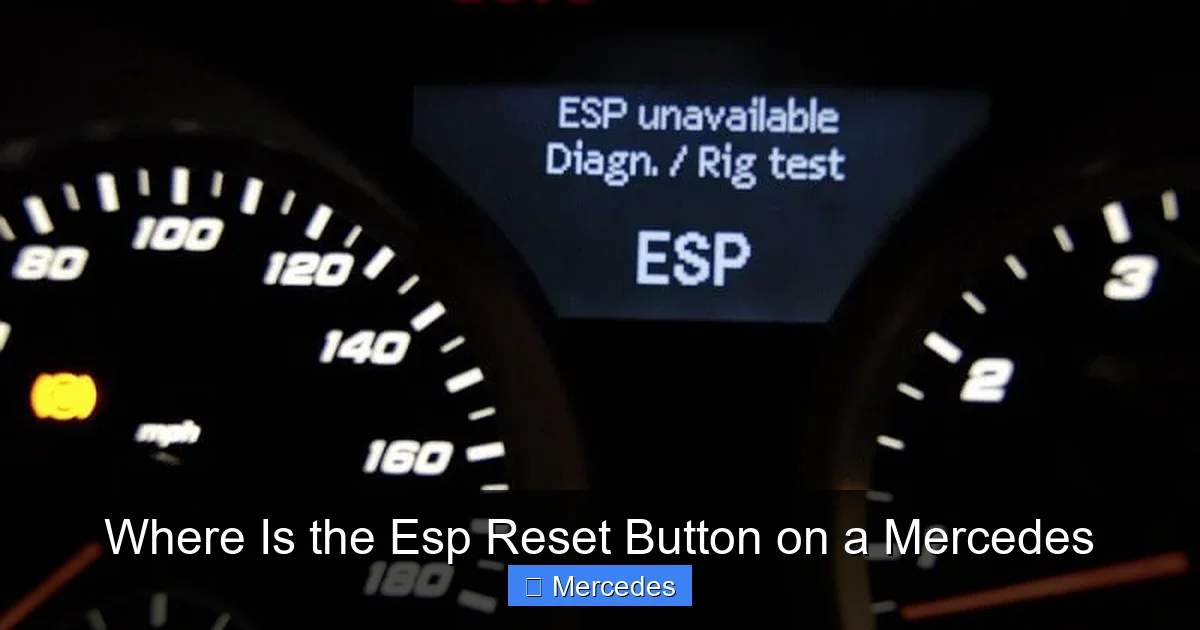
Visual guide about Where Is the Esp Reset Button on a Mercedes
Image source: carfromjapan.com
When You Might Need to Reset It
There are several scenarios where you might need to reset the ESP system. For example, if the ESP light comes on unexpectedly, it could indicate a temporary issue that requires a reset. This might happen after a sudden stop, a sharp turn, or even a software update. In some cases, the system might reset itself automatically, but if it doesn’t, you’ll need to do it manually. Understanding when a reset is necessary can help you avoid unnecessary trips to the dealership or repeated warnings on your dashboard.
Locating the Esp Reset Button on Different Mercedes Models
C-Class (C300, C400)
For Mercedes C-Class models, the ESP reset button is typically located on the center console, near the gear shift. It’s often labeled with an “ESP” or “ESP Off” symbol. However, some newer models might integrate this function into the infotainment system or require a specific key sequence. If you’re unsure, checking your owner’s manual is always a good idea. One driver I spoke to mentioned that they initially thought the button was under the dashboard, but after consulting the manual, they found it was actually on the center console.

Visual guide about Where Is the Esp Reset Button on a Mercedes
Image source: i.ytimg.com
E-Class (E300, E350)
In E-Class models, the ESP reset button might be part of the driver’s control panel. Some versions have a dedicated button labeled “ESP” or “Stability Control,” while others require you to navigate through the car’s settings. It’s worth noting that in some cases, the reset might be tied to the car’s key fob. For instance, pressing the “ESP” button on the key fob could trigger a reset. This variation highlights the importance of familiarizing yourself with your specific model’s layout.
S-Class (S300, S500)
S-Class vehicles, being high-end models, often have more integrated systems. The ESP reset button in S-Class might be found in the center console or within the infotainment interface. Some drivers have reported that the button is labeled “ESP” and is located near the climate control settings. However, in certain cases, the reset might be handled through the car’s diagnostic system, requiring a scan tool or professional assistance. This underscores the need to understand your vehicle’s unique features.
Common Scenarios Requiring an Esp Reset
After a Skid or Loss of Traction
One of the most common reasons to reset the ESP system is after a skid or loss of traction. For example, if you’re driving on a icy road and your car starts to slide, the ESP system will activate to help you regain control. Once the situation is resolved, the system might still show a warning light. In such cases, a simple reset can clear the alert. I once had a friend who experienced this during a road trip. After a brief skid, the ESP light remained on, but a quick reset at a gas station fixed the issue.
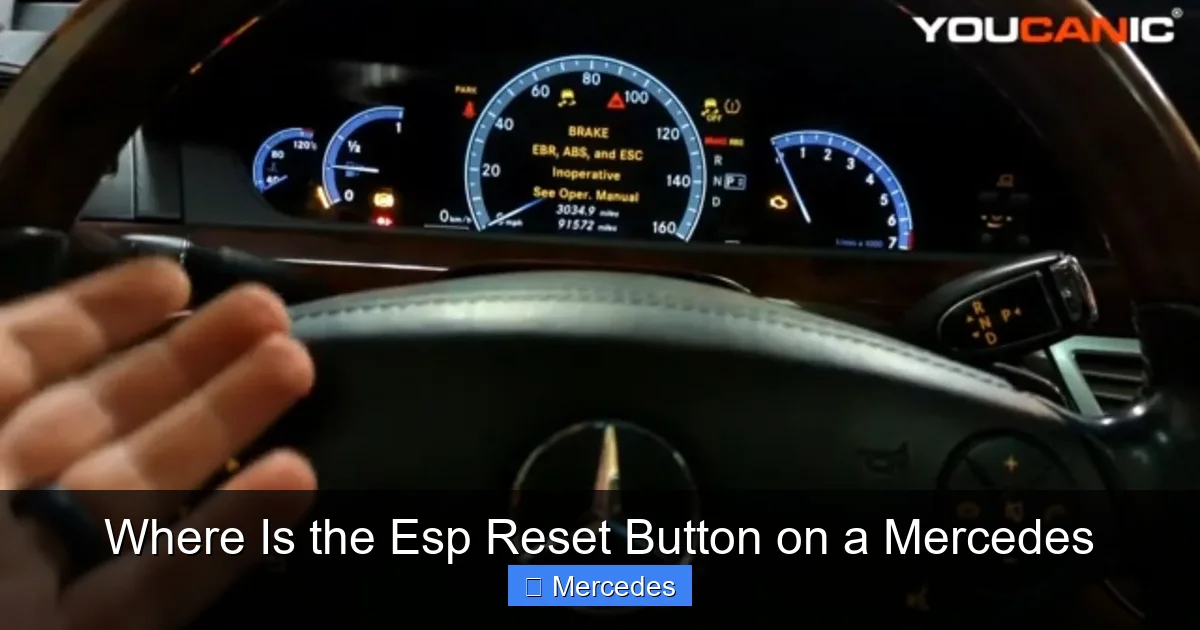
Visual guide about Where Is the Esp Reset Button on a Mercedes
Image source: i.ytimg.com
Post-Software Update
Software updates can sometimes cause glitches in the ESP system. After a recent update, the system might not function correctly, leading to a false warning. Resetting the ESP can often resolve this. For instance, a driver who updated their car’s software noticed the ESP light came on. After a quick reset, the system returned to normal. This highlights how software updates, while beneficial, can occasionally introduce unexpected issues.
Mechanical Issues Affecting Traction
If there’s a mechanical problem, such as a faulty wheel sensor or brake issue, the ESP system might trigger a warning. In these cases, a reset might not solve the underlying problem, but it can temporarily clear the alert. However, it’s crucial to address the root cause. A mechanic I consulted mentioned that while a reset can be a quick fix, it shouldn’t replace a proper diagnosis. For example, if the ESP light persists after a reset, it could indicate a more serious issue that requires professional attention.
Step-by-Step Guide to Resetting the Esp
Using the Button (If Present)
If your Mercedes has a dedicated ESP reset button, the process is usually straightforward. Start by turning off the engine. Then, locate the button—often labeled “ESP” or “ESP Off.” Press and hold it for a few seconds until the light turns off. However, some models might require you to press the button multiple times or in combination with other actions. It’s essential to follow the specific instructions for your model, as the exact steps can vary.
Using the OBD-II Port
In some cases, especially if there’s no physical button, you might need to use the OBD-II port. This involves connecting a diagnostic tool or a scan tool to the port, usually located under the dashboard. Once connected, you can navigate through the system to find the ESP reset option. This method is more technical and might require some expertise. If you’re not comfortable with this, it’s best to consult a professional. One driver I spoke to used this method after a software update and found it effective, though it took some time to figure out.
Consulting the Manual or a Mechanic
If you’re unable to locate the reset button or if the system isn’t responding, referring to your owner’s manual is the next best step. The manual will provide detailed instructions tailored to your specific model. If the manual doesn’t help, a mechanic can perform the reset using specialized tools. It’s important to note that while a reset can be a temporary solution, persistent issues should be addressed by a professional to avoid safety risks.
Tips to Avoid Needing an Esp Reset
Regular Maintenance
One of the best ways to prevent ESP resets is through regular maintenance. Ensuring that your brakes, tires, and sensors are in good condition can reduce the likelihood of the ESP system malfunctioning. For example, worn-out brake pads or underinflated tires can trigger the ESP light. Scheduling routine check-ups with a trusted mechanic can help catch these issues early.
Safe Driving Habits
Driving safely is another key factor. Avoiding sudden maneuvers, maintaining a safe speed, and being aware of road conditions can minimize the need for ESP resets. For instance, driving too fast on a wet road increases the risk of skidding, which might activate the ESP system. By adopting a cautious approach, you can reduce the chances of needing a reset.
Keeping Software Updated
Regular software updates are essential for maintaining the ESP system’s functionality. Mercedes vehicles often receive updates that improve safety features and fix bugs. If you’re not sure when your car was last updated, check with your dealership. Keeping the software current can prevent unexpected issues that might require a reset.
When to Seek Professional Help
Persistent Issues
If the ESP light remains on after a reset, it’s a sign that there might be an underlying problem. Persistent issues could indicate a faulty sensor, a wiring problem, or a more serious mechanical failure. In such cases, it’s crucial to seek professional help. A mechanic can diagnose the root cause and recommend the necessary repairs. Ignoring these issues could lead to safety hazards, so it’s better to address them promptly.
Electrical Problems
Electrical issues, such as a damaged fuse or a short circuit, can also affect the ESP system. If you suspect an electrical problem, it’s best to have the car inspected by a professional. They can perform a thorough check of the vehicle’s electrical system and ensure everything is functioning correctly. This is especially important if you’re experiencing multiple warning lights or unusual behavior from the car.
Conclusion
Finding the ESP reset button on a Mercedes might seem daunting at first, but with the right knowledge, it’s a manageable task. Whether you’re dealing with a temporary glitch or a more complex issue, understanding where and how to reset the system can make a big difference. Remember, while a reset can resolve many problems, it’s not a substitute for regular maintenance or professional diagnosis. If you’re ever unsure, don’t hesitate to consult your owner’s manual or a trusted mechanic. By staying informed and proactive, you can ensure that your Mercedes’ ESP system remains reliable and safe. And if you’re facing similar issues with other systems, like TPMS or maintenance lights, the same principles of vigilance and proper troubleshooting apply. For more details on related topics, you might find it helpful to explore resources on resetting other systems in your vehicle.
Frequently Asked Questions
Where is the ESP reset button located on a Mercedes?
The ESP reset button on a Mercedes is typically located on the dashboard near the steering wheel or in the center console. Some models may have it integrated into the gear shift or near the infotainment system. Refer to your owner’s manual for the exact location specific to your model.
How do I reset the ESP system on my Mercedes?
To reset the ESP system, press and hold the ESP button for about 10-15 seconds while the ignition is on. Turn off the engine and restart it to complete the reset process. If the warning light remains on, consult a Mercedes-Benz technician for further diagnosis.
What are the common symptoms of a faulty ESP system in a Mercedes?
Common symptoms include the ESP warning light staying illuminated, loss of traction control, or unusual handling during turns. You might also notice the system not engaging when needed, leading to potential skidding. If these issues occur, it’s important to have the system checked by a professional to ensure safety.
Can I reset the ESP system without a Mercedes dealership?
Yes, you can reset the ESP system yourself by following the steps in your owner’s manual. However, persistent issues may require a professional diagnosis using an OBD-II scanner. Visit a Mercedes-Benz dealer if the problem continues after resetting.
What’s the difference between ESP and ASR in Mercedes vehicles?
ESP (Electronic Stability Program) helps prevent skidding by adjusting engine power and braking, while ASR (Acceleration Slip Regulation) controls wheel spin during acceleration. Both systems work together to enhance vehicle stability and traction. Understanding their roles can help you identify which system might be malfunctioning if issues arise.
Why does my Mercedes ESP light stay on after resetting?
A persistent ESP light after resetting could indicate a sensor malfunction, system fault, or the need for a professional reset. Check for error codes using an OBD-II scanner to pinpoint the issue. It’s best to have a technician inspect the system to resolve underlying problems.


