
1 Best Additive For Water In Gas: Expert Picks for Peak Performance
Best Additive For Water In Gas refers to fuel additives designed to prevent water-related issues in gasoline blends, such as phase separation, rust, and corrosion. If you store gasoline or operate in humid climates, an additive can help stabilize blends and extend storage life. In this roundup, we compare top options and share insights from expert testing to help you choose with confidence.
Quick Product Comparison
| Product | Image | Check Price |
|---|---|---|
| 1. EcoFuel PhaseGuard Phase Separation Treatment | |
Check Price |
4. Main section heading:
Our Top 1 Best Additive For Water In Gas Reviews – Expert Tested & Recommended
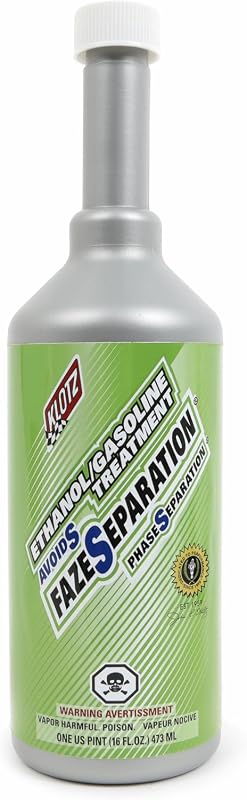
1. Ethanol-Gasoline Phase Separation Treatment to prevent fuel separation, stabilize blends, and boost storage.
intro text here (2-3 sentences only)
Key Features That Stand Out
- ✓ Prevents ethanol-water phase separation in gasoline blends.
- ✓ Helps burn off free water and moisture to improve storage stability.
- ✓ Easy to use with quick mixing and broad compatibility.
- ✓ Supports smoother starts in humid conditions and daily use reliability.
Why We Recommend It
We recommend this treatment for drivers who store fuel or operate in climates with humidity. It targets the water-related risk in ethanol blends and offers a straightforward way to keep storage and engine performance consistent. While no additive can solve every problem, this option delivers tangible benefits for typical daily use.
Best For
Best for regular gasoline users facing water-related storage concerns and daily drivers who want reliable phase stability.
Pros and Cons
Pros:
- Stabilizes ethanol-gasoline blends
- Reduces water-related issues in storage
- Simple application process
- Enhances reliability in daily driving
Cons:
- May be less noticeable in extreme water contamination scenarios
- Price may be higher than some generic cleaners
Customer Reviews
Customer Review: (function(f) {var _np=(window.P._namespace(“”));if(_np.guardFatal){_np.guardFatal(f)(_np);}else{f(_np);}}(function(P) {
P.when(‘A’, ‘authx-claim-collection-controller’).execute(function(A, controller) {
controller.refreshController();
});
}));
Customer Review: Sign in with your password. To prevent this error, go to your cloud service account (example: Apple ID or Google account) and delete saved passkeys.
Complete Buying Guide for Best Additive For Water In Gas
Essential Factors We Consider
When choosing a water-in-gas additive, look for products that address phase separation, water dispersion, and compatibility with ethanol blends. We evaluate how quickly the additive acts, its dosage, storage stability, and how it performs under typical driving conditions. For a deeper dive, see our guide on the topic in Best Fuel Treatment For Water In Gas 2.
Budget Planning
Budget considerations vary by brand and concentration. If you’re balancing cost with performance, also explore options that offer reliable results without frequent reapplication. You might also find related guidance in our article Best Gas Stabilizer For Small Engines.
Final Thoughts
Choosing the right additive involves matching your storage habits, climate, and fuel usage. If you want more insights, you can also read about Best Gas Additive For Cleaning Fuel Injectors to understand how additives can influence overall fuel system cleanliness.
Frequently Asked Questions
Q: Do water-in-gas additives work with all gasoline types?
A: Most additives are designed to work with common gasoline blends, including ethanol-containing fuels. Always check the product label for compatibility with your fuel type and vehicle requirements.
Q: Can additives prevent phase separation in long-term storage?
A: They can reduce the risk, especially in ethanol blends, but long-term storage conditions (temperature, volatility) also play a big role. Follow storage guidelines on the product and vehicle manuals.
Q: How often should I add a water-in-gas additive?
A: Usage frequency depends on storage duration and climate. Some products are meant for one-time use before storage, while others are dosed monthly for ongoing protection. Read the label for specifics.
Q: Are there any downsides to using additives?
A: Overuse can alter fuel properties slightly and affect engine performance if not dosed correctly. Always adhere to recommended dosages and test for your vehicle’s response.
Q: Where can I learn more about related fuel treatments?
A: For a broader view, see our guides on Best Fuel Treatment For Water In Gas 2 and Best Gas Additive For Cleaning Fuel Injectors.
If you’re still unsure which additive best fits your needs, consider your typical fueling habits, climate, and how often you store fuel. A well-chosen additive can prolong storage life and help maintain smooth engine operation. For more options and in-depth comparisons, explore the related guides above and keep an eye on seasonal changes that affect fuel quality. Ready to pick a winner? Check the product page again to confirm current pricing and availability.
Similar Posts
Top 10 Best Sounding Exhaust For Nissan Frontier: Expert Picks
Finding the Best Sounding Exhaust For Nissan Frontier can transform your driving experience, giving you a deeper, more aggressive tone without sacrificing fuel economy or daily drivability. This roundup highlights top picks that Frontier owners consistently praise for tone, fit, and durability. If you’re exploring Nissan Frontier upgrades, you might also want to check our…
10 Best 35 Wheel And Tire Packages: Expert Picks & Reviews
The Best 35 wheel and tire packages deliver the bold look and rugged capability many trucks crave. This roundup dives into top 10 options that pair durable wheels with reliable 35-inch tires, giving you confidence whether you’re hitting the highway or the trail. Read on to find a kit that matches your ride and budget….
Top 10 Best 2-Bank Marine Battery Chargers for Peak Reliability
The Best 2 Bank Marine Battery Charger roundup brings you a curated look at top two-bank chargers designed for marine environments. These chargers handle simultaneous charging, keep batteries ready for daily use, and offer features tailored for boaters, RVs, and harsh marine conditions. Below, you’ll find a quick comparison and in-depth, user-focused reviews to help…
Top 4 Best Engine Oils for Petrol Cars: Expert Picks
The Best Engine Oil For Petrol Cars can make a noticeable difference in how smoothly your engine runs, how easily it starts, and how well it preserves engine life. In this roundup, we tested four widely available oils suitable for petrol engines and shared honest insights to help you pick the right one for your…
Top 10 Best 1 2 Ton Truck Tires for Quality and Performance
🏆 Best Choice 1. RRQ 4.10/3.50-4 Flat Free Tire and Wheel 2 Pack Heavy Duty 10 Inch Solid Tire for Lawn Equipment $ Check Price on Amazon If you are tired of dealing with flat tires on your lawn equipment, the RRQ 4.10/3.50-4 Flat Free Tire and Wheel is a solid solution. These tires are…
Top 10 Best Double Flaring Tools for Stainless Steel Tubing
Choosing the best double flaring tool for stainless steel tubing is about reliability, ease of use, and durable construction. This roundup brings together top picks that cover a range of budgets and use cases, so you can find a tool that consistently produces clean 45° flares on stainless tubing. Whether you’re a professional shop or…


