How to Maintain Leaf Spring Longevity
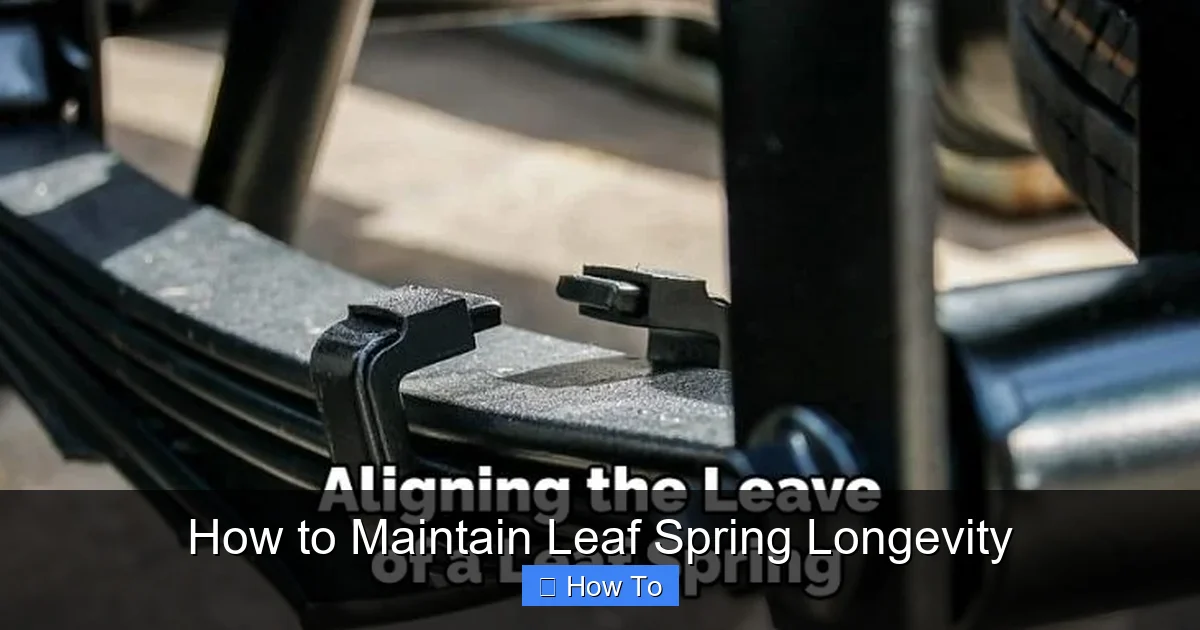
Keeping your leaf springs in top shape doesn’t have to be complicated. By following a simple routine of inspection, cleaning, lubrication, and timely part replacement, you can extend their life and enjoy a smoother ride for years to come.
Key Takeaways
- Regular visual inspections catch wear early – Spot cracks, rust, or bowed leaves before they become dangerous.
- Clean and dry leaf springs prevent corrosion – Remove dirt and moisture to protect the steel.
- Apply the right grease for maximum flexibility – Use high‑temperature grease to keep pivots moving smoothly.
- Protective paint or coating adds an extra shield – A good coat of paint guards against rust; see our how to paint leaf spring guide for details.
- Replace bushings and shackles at the first sign of wear – Worn components cause premature failure; learn the steps in our how to replace leaf spring bushings article.
- Adjust loading and driving habits to reduce stress – Avoid overloading and harsh driving to keep the springs lasting longer.
📑 Table of Contents
Understanding Leaf Springs and Why Longevity Matters
When you drive, the leaf spring is one of the unsung heroes that keep your vehicle’s ride comfortable and stable. It absorbs shocks from the road, supports the weight of the car, and helps maintain proper alignment. Over time, however, leaf springs can wear, rust, or become misaligned, which reduces their effectiveness and can even become a safety hazard.
What Are Leaf Springs?
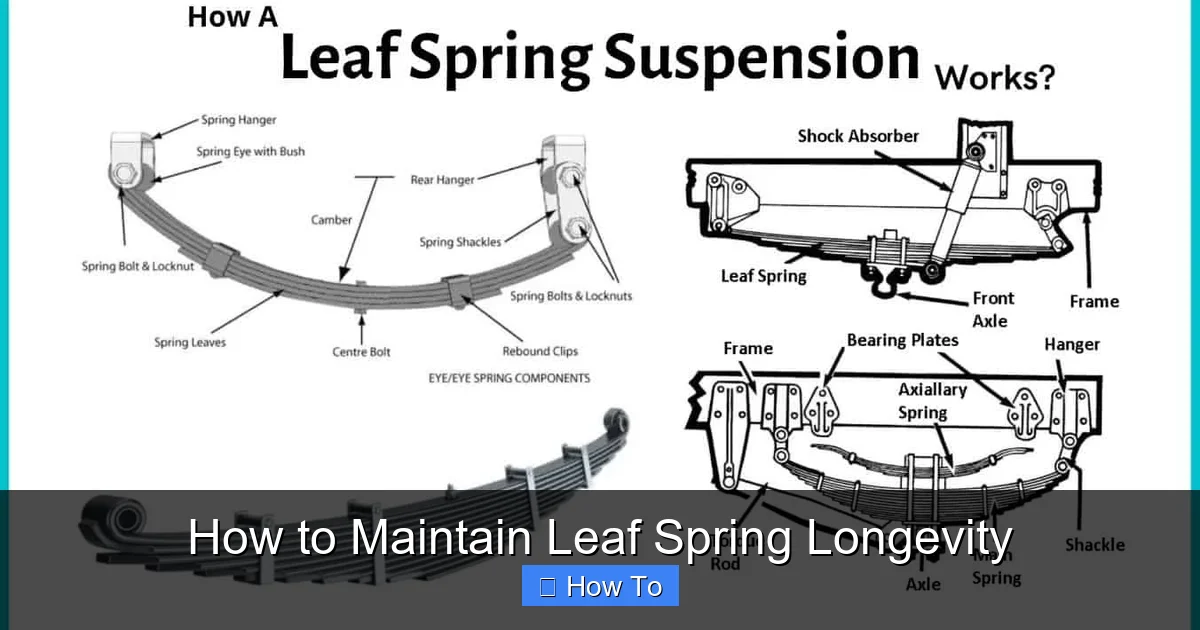
Leaf springs are layered steel strips stacked together and bolted at one end to the chassis. They act like a big, flexible spring that flexes under load. Most trucks, SUVs, and some passenger cars still rely on leaf springs for rear suspension. Their simple design makes them durable, but also means they need proper care to stay that way.
Common Signs of Wear
Watch for these warning signs: a sagging rear end, uneven tire wear, excessive vibration, or clunking noises when you go over bumps. If you notice rust spots, cracked leaves, or broken bolts, it’s time to act. Early detection saves money and keeps you safe.
Routine Inspection and Cleaning
Inspection is the foundation of any maintenance plan. Spend a few minutes each month checking the leaf springs for visual damage. Look for cracks, rust, oil leaks, or any signs that a leaf has broken free. Also check the spring eye (the bolt where the spring attaches to the chassis) for looseness.
Visual Checks You Can Do at Home
Start with a clean, dry surface. Use a flashlight to examine each leaf. A small magnet can help you find rust particles that have fallen off. If you see any rust, scrape it away with a wire brush and treat it before it spreads. Check the U-bolt and spring shackles for tightness. A loose U-bolt can cause the spring to shift, leading to uneven wear.
Cleaning Techniques to Prevent Corrosion
After a visual inspection, give the springs a good clean. Use a pressure washer with low pressure to remove dirt and road grime. For stubborn grime, a mild soap solution works well. Once clean, dry the springs thoroughly with a clean rag. Moisture is the enemy of steel, so make sure the springs are completely dry before you move on to lubrication.
Proper Lubrication and Protective Coatings
Even the best steel needs lubrication to stay flexible. The pivot points and the contact surfaces between leaves should be greased regularly. Use a high‑temperature, lithium‑based grease that can handle the loads and temperatures leaf springs encounter.
Visual guide about How to Maintain Leaf Spring Longevity
Image source: jeepfixes.com
Choosing the Right Grease
Look for a grease that is rated for heavy‑load applications and has good oxidation stability. If you live in a harsh climate, consider a grease with added corrosion inhibitors. Store the grease in a cool, dark place to keep it fresh.
Applying Paint or Protective Coatings
Painting leaf springs adds a barrier against rust and also makes them look sharper. Before painting, clean the springs thoroughly and remove any old paint. Use a primer designed for metal, then apply a coat of rust‑inhibiting paint. For detailed steps, see our how to paint leaf spring guide.
Replacing Worn Components: Bushings and Shackles
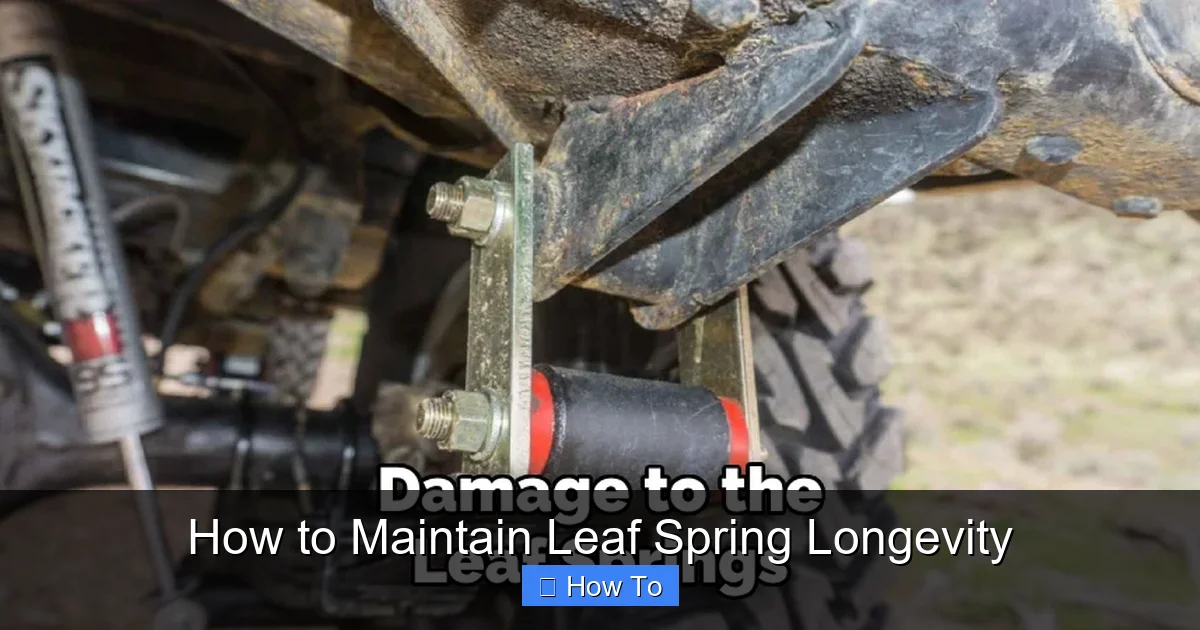
Leaf springs rely on bushings and shackles to maintain proper articulation. When these components wear out, the spring can become noisy and lose its effectiveness. Replacing them is a straightforward process that can dramatically extend spring life.
Visual guide about How to Maintain Leaf Spring Longevity
Image source: theengineerspost.com
When to Replace Leaf Spring Bushings
Bushings made of rubber or polyurethane wear down over time. Signs include cracking, splitting, or excessive movement when you push on the suspension. If you notice any of these issues, it’s time for a replacement. You can read more in our article on how to replace leaf spring bushings.
Installing Shackles for Better Flexibility
Shackles allow the leaf spring to pivot correctly. If a shackle is corroded or cracked, the spring may bind or wear unevenly. Installing new shackles restores smooth movement. Check out our step‑by‑step tutorial on how to install shackles on leaf spring for a clear, illustrated guide.
Loading Practices and Driving Habits
How you load your vehicle and how you drive affect leaf spring longevity. Overloading adds stress that can cause the leaves to bow or break. Likewise, aggressive driving—hard braking, rapid acceleration, and frequent sharp turns—puts extra strain on the suspension.
Avoiding Excessive Weight
Check your vehicle’s Gross Vehicle Weight Rating (GVWR) and stay under it. Distribute weight evenly and avoid hanging heavy items from the rear bumper. A balanced load keeps the leaf springs working as a team.
Smooth Driving to Reduce Stress
Practice gentle acceleration and braking. Avoid hitting potholes at high speed, and keep your speed reasonable on rough roads. Smooth driving reduces shock loads, allowing the leaf springs to flex without excessive wear.
Extending Life Through Seasonal Maintenance
Each season brings its own challenges for leaf springs. Winter brings salt and moisture, while summer brings heat and dust. Tailoring your maintenance to the season helps keep the springs in top shape year after year.
Winter Prep
In cold regions, road salt can accelerate rust. After winter, wash the undercarriage thoroughly to remove salt residue. Apply a rust inhibitor and a fresh coat of paint if needed. Store the vehicle in a garage if possible to limit exposure to moisture.
Summer Care
High temperatures can cause grease to melt or thin. In summer, check the grease levels and replace them if they look thin or contaminated. Clean any dust or debris that accumulates during the hot months. A well‑lubricated spring will stay flexible and resist wear.
Final Thoughts
Maintaining leaf spring longevity is a blend of regular inspection, cleaning, lubrication, and timely component replacement. By following the steps outlined in this guide, you can keep your rear suspension performing like new for many miles. Remember, a well‑maintained leaf spring not only improves ride comfort but also enhances safety and saves you money on costly repairs. Make leaf spring care a routine part of your vehicle maintenance, and your truck or SUV will thank you with smooth, reliable performance.
Frequently Asked Questions
How often should I inspect my leaf springs?
Inspect leaf springs at least once a month. Look for rust, cracks, and loose bolts. If you notice any damage, address it immediately to prevent further wear.
What type of grease is best for leaf springs?
Use a high‑temperature, lithium‑based grease designed for heavy‑load applications. Choose a product with corrosion inhibitors for extra protection.
Can I paint my leaf springs myself?
Yes, painting leaf springs is a DIY‑friendly project. Clean the springs, apply a rust‑inhibiting primer, then coat with metal‑compatible paint for added rust protection.
How do I know when to replace leaf spring bushings?
Replace bushings when they crack, split, or show excessive movement. If you hear clunking noises or feel extra play in the suspension, it’s time for new bushings.
Do I need special tools to replace shackles?
While a socket set and pry bar are helpful, you can often replace shackles with basic hand tools. Follow the step‑by‑step guide in our how to install shackles on leaf spring article for detailed instructions.
How does overloading affect leaf spring life?
Overloading causes the leaves to bow and can lead to premature fatigue. Stay within the vehicle’s GVWR and distribute weight evenly to protect the springs.