How to Store Jack Stands
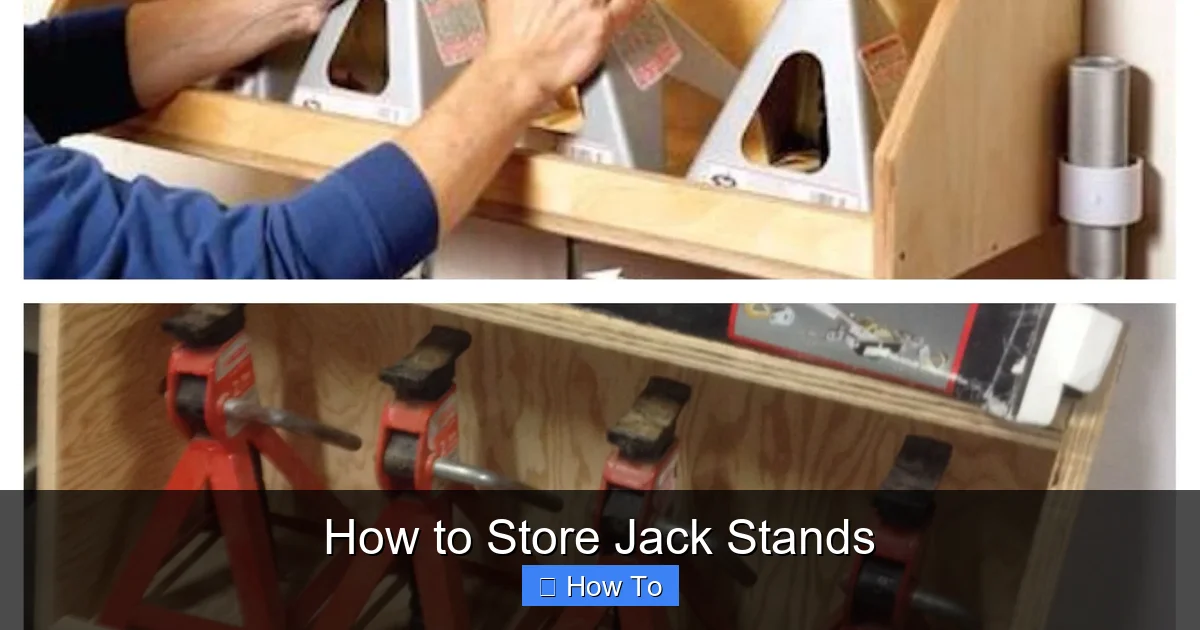
Keeping jack stands dry and organized prevents rust and ensures safe lifting. Store them upright on a clean, level surface, away from moisture and direct sunlight, and consider using a dedicated rack or wall mount for easy access.
How to Store Jack Stands
Hey there! I’m sure you’ve probably spent a good amount of time under your car, wrestling with a set of jack stands, making sure the vehicle is safe while you change a tire or do some maintenance. After the job is done, you might be wondering—what’s the best way to keep those sturdy metal legs in top shape? You’re not alone. Many car owners treat jack stands like an afterthought, tossing them into a corner or a garage shelf where moisture and dust can sneak in. In this guide, I’ll walk you through everything you need to know about storing jack stands safely, keeping them ready for the next time you need them, and making sure they last for years. Let’s dive in and make sure your jack stands are always in the right place, the right way.
Key Takeaways
- Clean and dry: wipe off grease and moisture before storing.
- Secure pins: insert safety pins through holes to prevent accidental movement.
- Use proper brackets: place stands on sturdy shelves, not on floor.
- Label if needed: mark each stand with vehicle type for quick retrieval.
- Store vertically: keep stands upright to avoid warping of frames.
- Check for damage: inspect before use; replace worn parts promptly.
📑 Table of Contents
Why Proper Storage Matters
Safety First: The Risks of Improper Storage
When you ignore how you store jack stands, a few things can go wrong. First, moisture can rust the metal, weakening the threads and the load‑bearing parts. If the stands corrode, they may fail when you need them most. Dust and dirt can work their way into the adjustment mechanisms, making them sticky or loose. Even worse, if you stack heavy tools on top of them, you can bend or crack the legs. I once left a set of jack stands in a damp corner of my garage for a winter season, and the next spring they were rusty and wobbly. A quick test showed they couldn’t hold the weight of a midsize sedan—no amount of tightening could fix that.
Improper storage also makes it harder to find the right stand when you need it. If they’re tossed in a pile, you might grab the wrong size or the wrong height, leading to accidents. The peace of mind that comes from knowing your jack stands are organized and ready is worth the few minutes it takes each time you finish a job.
Benefits of Organized Storage
Organized storage does more than just protect the equipment; it improves your workflow. When your jack stands are in a dedicated spot, you can grab them quickly, which reduces the time you spend searching for tools. It also helps you keep track of how many stands you own and which sizes you have. Over time, this habit builds a safer garage environment because you’re less likely to improvise with damaged stands.
Another benefit is that proper storage can extend the life of your jack stands. By keeping them dry, clean, and free from unnecessary stress, you preserve the precision engineering inside each unit. In the long run, you’ll save money because you won’t need to replace them as often.
Choosing the Right Storage Solution
Wall-Mounted Racks
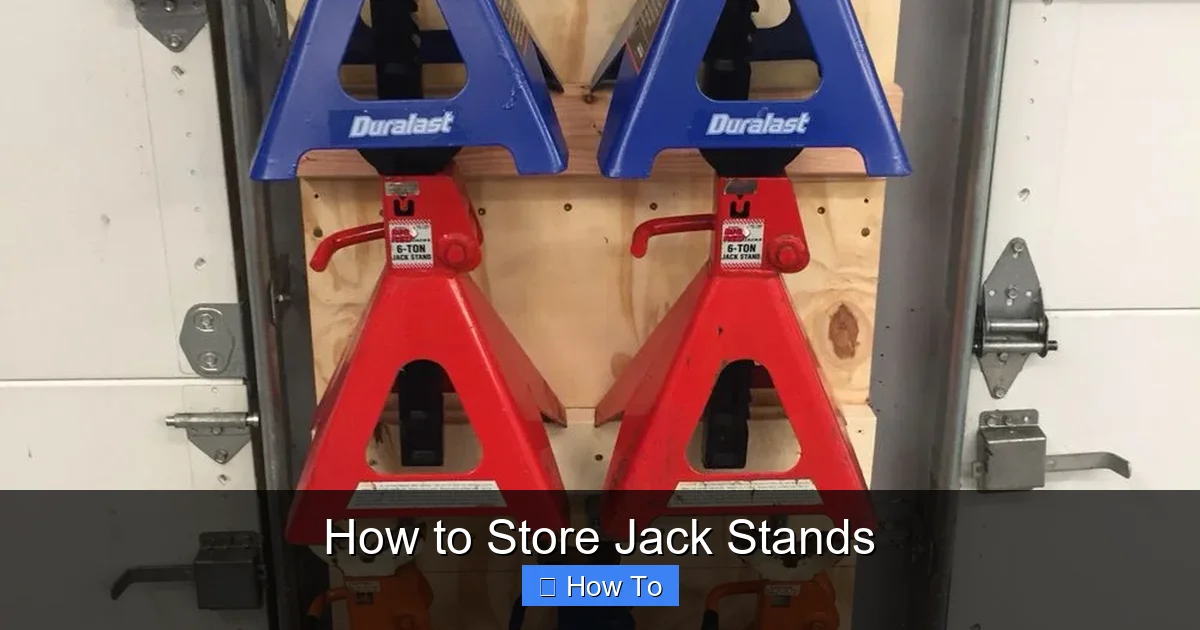
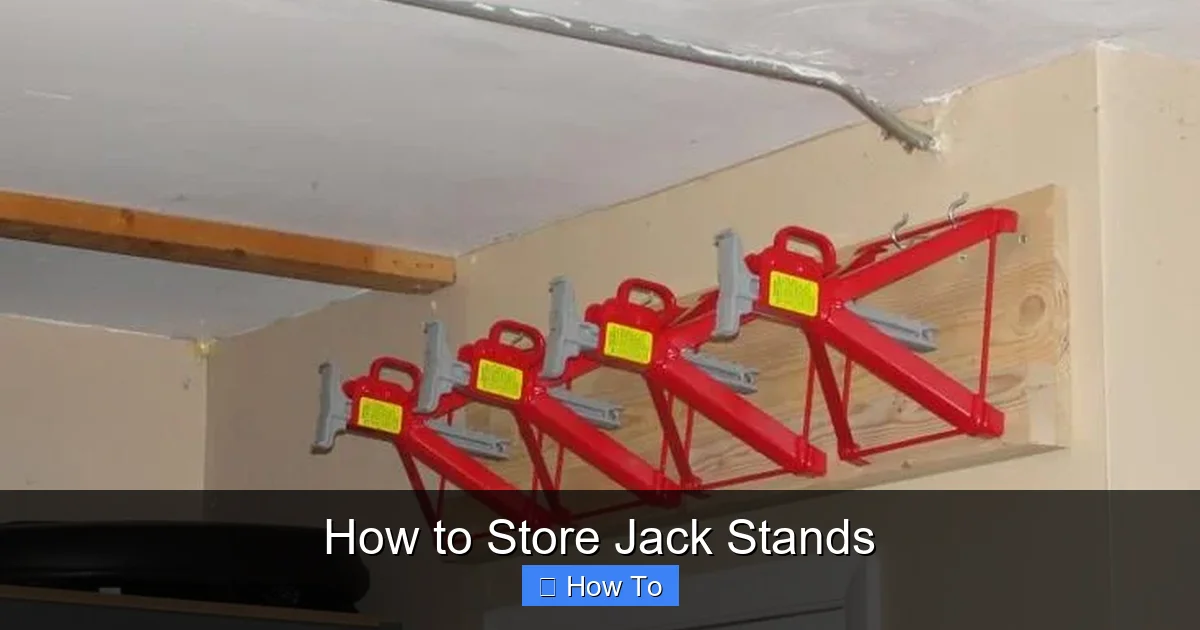
Wall‑mounted racks are a popular choice for many DIY enthusiasts. They keep jack stands off the floor, which means they’re less likely to collect dust or get knocked over. You can install a rack near your work bench, and the stands will be right at eye level, making it easy to see what you have.
Visual guide about How to Store Jack Stands
Image source: i.pinimg.com
When you hang jack stands on a wall rack, make sure the rack is rated for the weight of the stands plus any tools you might store nearby. Also, consider the spacing between each hook; you don’t want the stands rubbing against each other, which can cause scratches or wear on the finish.
If you’re interested in a more detailed look at how to keep your wheels and tires organized, check out our guide on storing wheels and tires. The same principles of vertical storage apply.
Floor Stands and Cabinets
Floor stands or dedicated cabinets provide a closed environment that protects jack stands from airborne debris. Many cabinets have lockable doors, which can be handy if you share a garage with family members who might move things around.
Inside a cabinet, you can use shelves to separate different sizes of jack stands. This prevents larger stands from crushing smaller ones if you accidentally stack them. Some cabinets even come with built‑in trays for small accessories like nuts, bolts, and extension bars. The key is to keep the interior dry, so consider adding a silica gel packet or two.
DIY Storage Options
Don’t have a budget for commercial racks? You can build a simple storage solution using plywood, brackets, and some sturdy hooks. A basic wall-mounted shelf can hold a few stands upright, and you can add a second tier for extra capacity. For floor storage, a heavy-duty pallet with a coat rack attached works surprisingly well. The best part of a DIY setup is that you can customize it to fit the exact dimensions of your jack stands.
If you’re looking for step‑by‑step instructions on how to build a custom jack stand holder, you might enjoy our article on using a scissor jack. While the focus is different, the spirit of making the most of your garage space is the same.
Below is a quick data table that compares three popular storage methods. Use it to decide which option fits your garage layout and budget.
| Storage Method | Cost (USD) | Space Required | Durability | Accessibility |
|---|---|---|---|---|
| Wall‑Mounted Rack | 30‑70 | Small (vertical) | High (metal construction) | Easy (eye‑level) |
| Floor Cabinet | 50‑120 | Medium (floor footprint) | Very High (enclosed) | Moderate (door opening) |
| DIY Shelf | 10‑25 | Variable (custom) | Medium (depends on materials) | High (no lock) |
Step‑by‑Step Storage Guide
Cleaning Your Jack Stands
Before you store your jack stands, give them a quick cleaning. Use a soft brush or a cloth to remove dirt, oil, and brake dust. For stubborn grime, a mild degreaser works well—just be sure to rinse and dry the stands completely. I like to spray a little WD‑40 on the threads and wipe them off; it helps prevent rust and keeps the adjustment smooth.
Visual guide about How to Store Jack Stands
Image source: i.pinimg.com
After cleaning, inspect the stands for any signs of damage. Look at the base, the screw threads, and the load‑bearing arms. If you notice any cracks, rust spots, or worn‑out threads, it’s best to address those before storage. A damaged stand is a safety hazard, and fixing it now can save you from a catastrophic failure later.
Inspecting for Wear
Even if the stands look fine, small wear can accumulate over time. Check the locking mechanism, the ratchet, and the height adjustment lever. If the lever feels sloppy or the ratchet clicks loosely, it may need a little lubrication or a minor adjustment. Some cheap stands have plastic components that can become brittle; replace those if you see cracks.
Take a moment to test the load capacity. You can do a quick test by lifting a moderately heavy object (like a spare tire) and then releasing it. If the stand holds steady and returns to its original position without wobbling, you’re good to go.
Positioning and Securing
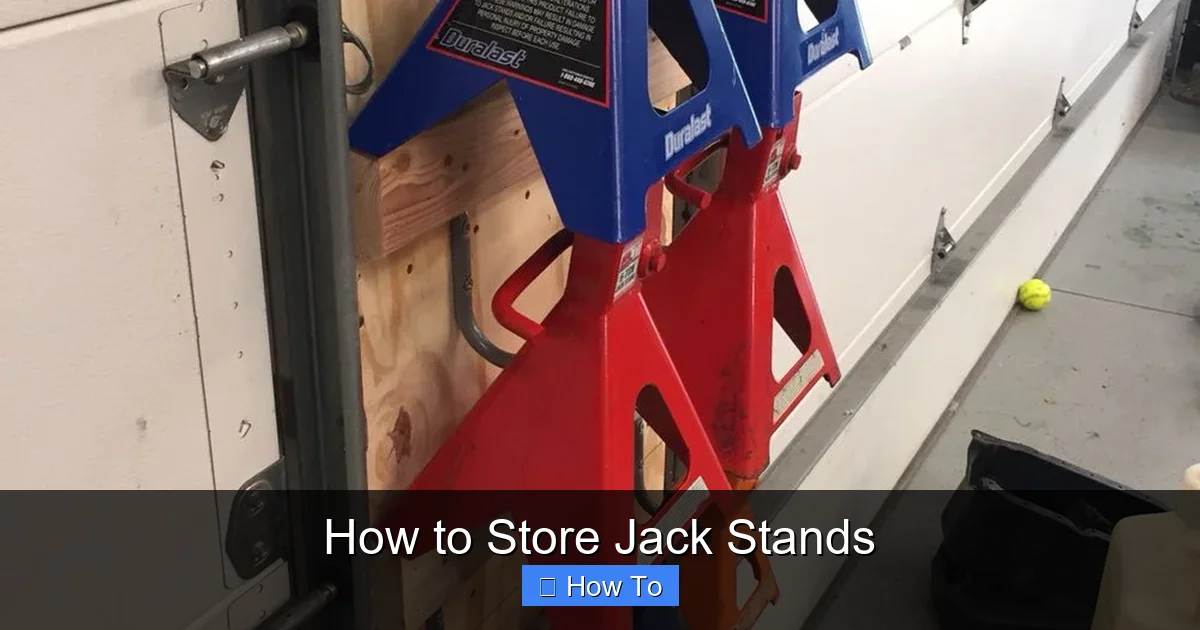
Once cleaned and inspected, it’s time to position the stands. For wall‑mounted racks, hang each stand vertically, making sure the base is secure and the height adjustment is locked in the lowest position. This reduces stress on the mounting hardware.
If you’re using a floor cabinet, place the stands on the designated shelf, spacing them apart so they don’t touch. Use padding or old towels to prevent scratches. If you have multiple sizes, keep the larger stands on the bottom shelf for stability.
For DIY solutions, consider using bungee cords or zip ties to keep the stands upright. This prevents them from tipping over if the garage door opens unexpectedly.
Maintenance Tips to Extend Lifespan
Lubrication Basics
Even though jack stands are built to be low‑maintenance, a little lubrication can go a long way. Apply a thin coat of lightweight oil to the threads and the ratchet mechanism every few months. This keeps the movement smooth and prevents corrosion. I like to use a spray can of silicone lubricant; it’s easy to reach tight spots and dries quickly.
Visual guide about How to Store Jack Stands
Image source: i.pinimg.com
If you notice the stands squeaking when you adjust them, that’s a sign you need lubrication. A quick spray and a few adjustments will silence the noise and keep the stands ready for action.
Protective Coatings
Consider adding a protective coating to the metal surface. A simple spray of rust‑inhibiting paint or a clear coat can shield the stands from moisture and minor impacts. If you live in a humid climate or near the coast, this extra layer is almost essential.
Be careful not to over‑paint the locking levers or adjustment knobs, as that can affect their operation. Focus on the external metal where rust is most likely to start.
Regular Inspection Schedule
Set a reminder to inspect your jack stands at least twice a year—once before winter and once before summer. During these checks, look for new rust spots, worn threads, or any changes in the locking mechanism. If you spot anything concerning, address it immediately rather than waiting for a failure.
Keeping a simple log of maintenance tasks (like “lubricated March 2023”) can help you stay on track. It’s a small habit that pays big dividends in safety and longevity.
Frequently Asked Questions and Quick Tips
Where to Place Your Stand?
Place your jack stands on a flat, level surface. If you’re using a wall rack, ensure the wall can support the weight of the stands plus any additional tools you store on the same rack. Avoid placing them near direct sunlight, as UV rays can fade any protective paint.
Can You Store Them Outdoors?
Storing jack stands outdoors is generally a bad idea. Rain, snow, and humidity will accelerate rust. If you must keep them outside (for example, if you have a shed), make sure they’re sealed in a waterproof container with desiccant packs. Even then, bring them inside during harsh weather.
How to Label for Easy Access?
If you have multiple sizes, label each stand with its height range or load capacity. You can use small vinyl stickers or zip‑tie tags. This makes it easy to grab the right stand without guessing, which is especially helpful when you’re in a hurry to change a tire.
One last tip: keep a small checklist near your tool bench. After every project, mark off that you’ve stored your jack stands properly. This habit builds a routine and ensures you never forget to give them the care they deserve.
Conclusion
Storing jack stands might seem like a small detail, but it’s a critical piece of your overall vehicle maintenance routine. By keeping them clean, dry, and organized, you protect your investment, extend their lifespan, and most importantly, keep yourself safe when you need them next. Whether you choose a wall‑mounted rack, a floor cabinet, or a DIY solution, the key is consistency. Take a few minutes after each job to give your jack stands the care they need, and they’ll be ready for whatever comes your way—whether it’s a flat tire on a rainy night or a weekend project that requires a solid lift.
Remember, a well‑stored set of jack stands is more than just equipment; it’s a promise to yourself that you’ll handle any lift with confidence. So next time you finish a repair, take that extra step and store your jack stands properly. Your future self will thank you for it.
Frequently Asked Questions
Where is the best place to store jack stands?
The best place to store jack stands is in a cool, dry location away from direct sunlight and moisture. A garage, workshop, or storage shed works well, as these environments help prevent rust and corrosion on the metal components.
How do I store jack stands to prevent rust?
To prevent rust when storing jack stands, clean them thoroughly after each use to remove dirt and moisture, then apply a light coat of oil or lubricant to metal surfaces. Store them in a dry area and consider using a dehumidifier or silica gel packets nearby to control humidity levels.
Can I store jack stands vertically or do they need to lay flat?
You can store jack stands either vertically or flat, depending on your space constraints. Vertical storage saves floor space and is ideal for workshops with limited room, while flat storage may be easier for accessing and organizing multiple stands.
What’s the proper way to organize jack stands in storage?
Organize jack stands by size and weight capacity, grouping similar models together for easy identification. Use wall-mounted racks, hooks, or storage bins to keep them off the ground and prevent damage to the threaded mechanisms.
Should I store jack stands with the screws extended or fully retracted?
Store jack stands with the screws fully retracted to protect the threads from damage and prevent accidental extension during storage. This position also takes up less space and reduces the risk of someone getting pinched by the mechanism.
How to store jack stands safely in a small garage?
In a small garage, mount jack stands on wall brackets or heavy-duty hooks to maximize floor space. Consider a pegboard system or overhead storage racks to keep them organized and easily accessible while leaving room for other tools and equipment.