
How to Break in Piston Rings
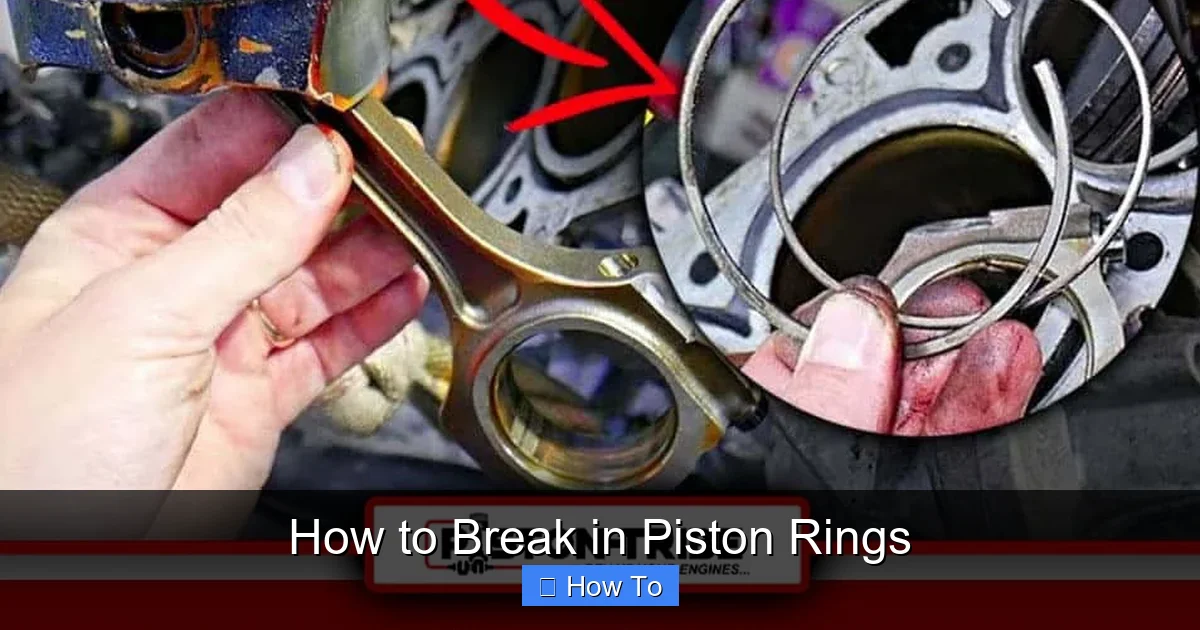
Properly seating piston rings during break-in is critical for engine performance, as it ensures reliable compression and oil control. This process requires a gradual heat-up, avoiding high RPMs and heavy loads, and strictly following the manufacturer’s guidelines to prevent premature wear.
User Safety: safe
Key Takeaways
- Point 1: Run engine at 3/4 throttle for 30 minutes to seat rings.
- Point 2: Avoid high RPMs; let oil pressure stabilize before revving.
- Point 3: Monitor oil consumption; top off if levels drop rapidly.
- Point 4: Use quality synthetic oil for better lubrication during break‑in.
- Point 5: Keep engine temperature moderate; prevent overheating.
- Point 6: Check for blow‑by after 100 hours; adjust if compression drops.
Frequently Asked Questions
How to break in piston rings on a new engine?
Start by running the engine at low to moderate RPMs for the first 30 minutes, varying the throttle to create different loads. This helps the rings seat against the cylinder walls without overheating. Avoid sustained high RPM or full throttle during the initial break‑in period.
What RPM range is best for breaking in piston rings?
Most experts recommend keeping the engine between 2,000 and 4,000 RPM during the first hour, then gradually increasing to 5,000–6,000 RPM as the rings seat. Vary the speed frequently to promote even wear. Never let the engine lug or over‑rev during this phase.
How long should I break in piston rings before normal driving?
A typical break‑in period lasts about the first 500 to 1,000 miles of operation, though some builders suggest up to 2,000 miles for high‑performance engines. During this time, change the oil after the first 500 miles to remove any metal particles. After the break‑in, you can resume normal driving habits.
Do I need to use a special oil when breaking in piston rings?
Using a non‑detergent break‑in oil or a conventional mineral oil for the first 500 miles is advisable because it allows the rings to seat properly. After the initial period, switch to your regular synthetic or recommended oil. Avoid oils with high friction modifiers during break‑in, as they can inhibit ring seating.
Can I break in piston rings on a rebuilt engine the same way as a brand‑new one?
Yes, the procedure is essentially the same: vary RPM, avoid prolonged high load, and change oil early. However, pay extra attention to any specific recommendations from the machine shop or parts manufacturer, as clearances may differ. Monitoring temperature and pressure during the first runs is also wise.
What signs indicate that the piston rings have properly broken in?
You’ll notice improved compression, smoother engine operation, and reduced oil consumption after the break‑in period. A leak‑down test should show low loss percentages, and exhaust smoke should diminish. If you still see excessive blow‑by or oil consumption, further inspection may be needed.


