
Why Is My Radiator Building Up Too Much Pressure
If your radiator is building up too much pressure, it can lead to leaks, overheating, or even engine damage. This article explains the main reasons and simple fixes to protect your vehicle.
Key Takeaways
- Blocked radiator passages restrict coolant flow, causing pressure spikes.
- Faulty thermostat or pressure cap prevents proper venting, raising system pressure.
- Air trapped in the system creates pockets that compress and increase pressure.
- Corrosion or scale buildup narrows hoses and the radiator core, limiting flow.
- Old or mismatched coolant mixture reduces boiling point and stresses the system.
- Regular inspections and flushes keep pressure within safe limits.
- Addressing small issues early prevents costly radiator or engine repairs.
📑 Table of Contents
Why Is My Radiator Building Up Too Much Pressure? An Overview
When you notice your car’s temperature gauge climbing or see coolant leaking, the culprit is often excess pressure inside the radiator. Why Is My Radiator Building Up Too Much Pressure is a common question among drivers who want to avoid costly repairs. The cooling system is a sealed loop that relies on a balance of heat absorption, fluid circulation, and controlled pressure. If that balance is disturbed, pressure can rise quickly, leading to stress on hoses, the radiator itself, and the engine.
In this guide we’ll explore the typical reasons pressure builds up, how to spot the signs, and what you can do to fix it. We’ll keep the language simple, use short sentences, and give you practical tips you can try today. By the end, you’ll know exactly what to check and when to call a professional.
Common Causes of Pressure Buildup
Blocked Radiator Passages
Coolant must flow freely through the radiator’s thin tubes. When debris, rust, or mineral deposits clog these passages, the fluid cannot escape easily. This restriction creates a back‑pressure that raises the overall system pressure. A clogged radiator is often the first suspect when you ask Why Is My Radiator Building Up Too Much Pressure.
Visual guide about Why Is My Radiator Building Up Too Much Pressure
Image source: i.ytimg.com
Faulty Thermostat
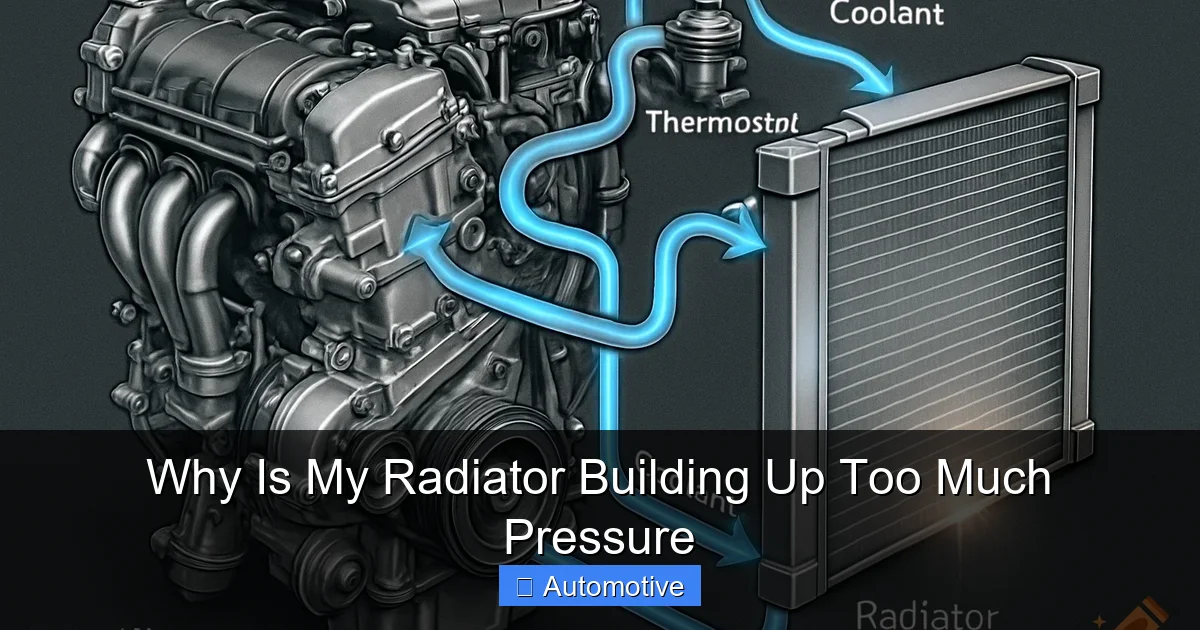
The thermostat regulates coolant flow between the engine and the radiator. If it sticks closed, coolant stays in the engine, heating up and expanding. The resulting increase in volume pushes against the closed system, raising pressure. A malfunctioning thermostat is a frequent answer to Why Is My Radiator Building Up Too Much Pressure.
Air Trapped in the System
Air bubbles act like tiny compressors inside the radiator. When air gets trapped, it reduces the amount of liquid that can circulate, forcing the pump to work harder. The extra effort raises pressure levels. Bleeding the cooling system removes these air pockets and often solves the pressure issue.
Radiator Valve and Cap Issues
Radiator Pressure Cap
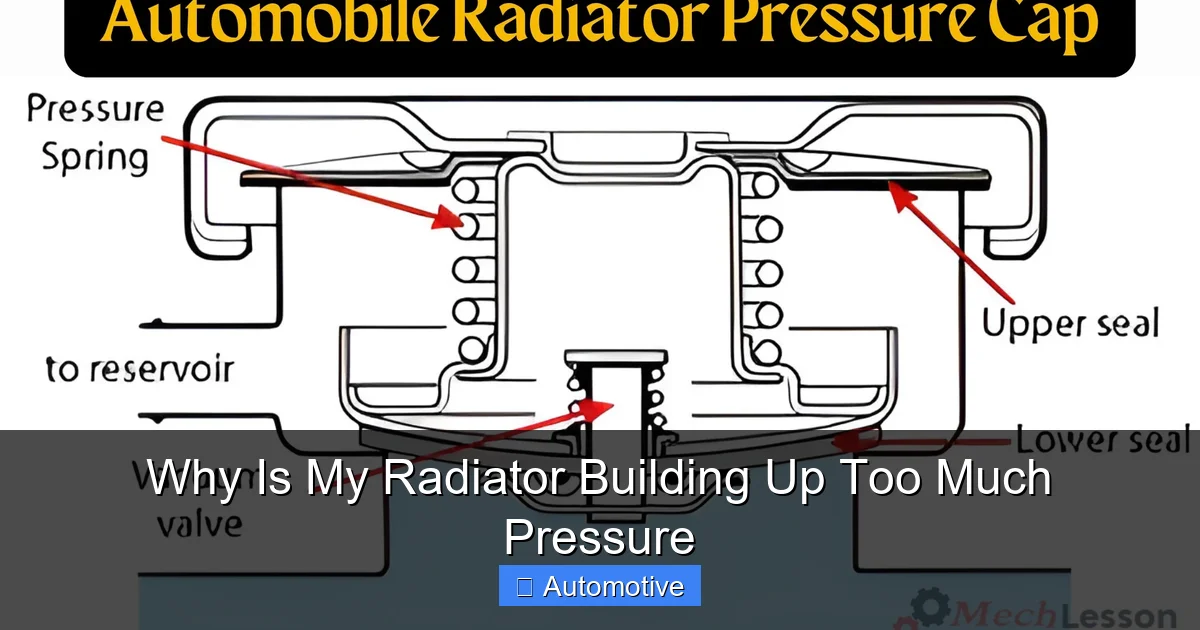
The pressure cap is a safety valve that keeps the system at the correct pressure (usually 13–15 psi). If the cap is worn, cracked, or improperly seated, it may not release excess pressure. A faulty cap can cause the radiator to build up too much pressure, leading to leaks or overheating. Replacing the cap is an inexpensive fix that often resolves the problem.
Visual guide about Why Is My Radiator Building Up Too Much Pressure
Image source: media.craiyon.com
Stuck or Malfunctioning Valve
Some radiators have internal valves that control flow to the heater core or bypass lines. If a valve sticks open or closed, it disrupts the normal flow path. A stuck valve can cause coolant to pool in one section, creating pressure spikes. Inspecting and cleaning or replacing the valve can restore proper pressure balance.
Cooling System Blockages
Debris and Scale Buildup
Over time, metal particles, rust, and scale accumulate inside the radiator and hoses. This buildup narrows the internal channels, limiting coolant circulation. Reduced flow means the system works harder to move the same amount of heat, which raises pressure. A thorough flush with a radiator cleaning solution can remove these deposits.
Visual guide about Why Is My Radiator Building Up Too Much Pressure
Image source: mechlesson.com
Corroded or Swollen Hoses
Hoses that become soft, cracked, or swollen restrict coolant movement. When a hose swells, it creates a bottleneck, forcing the pump to push harder. Inspect all hoses for bulges or soft spots and replace any that show signs of wear.
Radiator Age and Design Flaws
Old Radiator Materials
Older radiators made from copper‑brass alloys can develop corrosion inside the tubes. As the metal deteriorates, small pits form, reducing the internal diameter. This reduction in size creates resistance, leading to higher pressure. Modern aluminum radiators are less prone to this issue, but they can still suffer from debris buildup.
Improper Coolant Mix
The correct coolant mixture (usually 50/50 antifreeze‑water) affects boiling point and pressure tolerance. Too much antifreeze raises the boiling point, causing the coolant to stay liquid longer and build pressure. Too little antifreeze can cause overheating and excessive expansion. Always use the manufacturer‑recommended mixture.
How to Diagnose and Fix the Problem
Check for Leaks and Visual Inspection
Start with a visual inspection. Look for coolant stains on the radiator, hoses, or under the car. A small leak can let air in, which in turn raises pressure. Tighten clamps, replace cracked hoses, and ensure the radiator cap seals properly.
Test the Pressure Cap
Remove the cap (when the engine is cool) and test it with a pressure tester. If the cap fails to hold the specified pressure, replace it. This simple step often answers Why Is My Radiator Building Up Too Much Pressure.
Flush the Cooling System
A radiator flush clears out scale, rust, and debris. Use a flushing solution, run the engine until warm, then drain and refill with fresh coolant. This restores proper flow and reduces pressure spikes.
Replace Faulty Parts
If the thermostat, valve, or any hose shows signs of failure, replace it. Use OEM or high‑quality aftermarket parts to ensure proper fit and pressure rating. After replacement, bleed the system to remove any air pockets.
Monitor System Pressure
Many modern cars have a pressure sensor that triggers the check engine light if pressure is out of range. Scan for error codes, such as those related to the cooling system, to pinpoint the exact cause. If you’re unsure, a professional pressure test can provide definitive results.
Preventive Maintenance Tips
Keeping your cooling system in top shape prevents pressure problems. Here are some easy habits:
- Change coolant according to the vehicle’s service interval (usually every 30,000–60,000 miles).
- Inspect the radiator cap and replace it every 2–3 years.
- Flush the system annually if you drive in harsh conditions.
- Use the correct coolant type and mix ratio.
- Check hoses and clamps for wear during regular oil changes.
By following these steps, you’ll minimize the risk of pressure buildup and keep your engine running cool.
Conclusion
Excess pressure in the radiator is usually a symptom of a blockage, a bad cap, or a stuck valve. Understanding Why Is My Radiator Building Up Too Much Pressure helps you act quickly, preventing leaks, overheating, and costly engine repairs. Regular inspections, timely flushes, and replacing worn components keep the cooling system balanced and your vehicle safe on the road.
Further Reading
For more information on related issues, check out these articles: Why Is My Check Engine Light On Toyota Camry, Why Is My Tire Pressure Light Blinking Toyota, and Why Is My Oil Light On When I Have Oil. These resources provide deeper insight into diagnosing and fixing pressure‑related problems in your vehicle.
Frequently Asked Questions
What is Why Is My Radiator Building Up Too Much Pressure?
Why Is My Radiator Building Up Too Much Pressure is an important topic with many practical applications.


