How Much Is the New Vw Bus
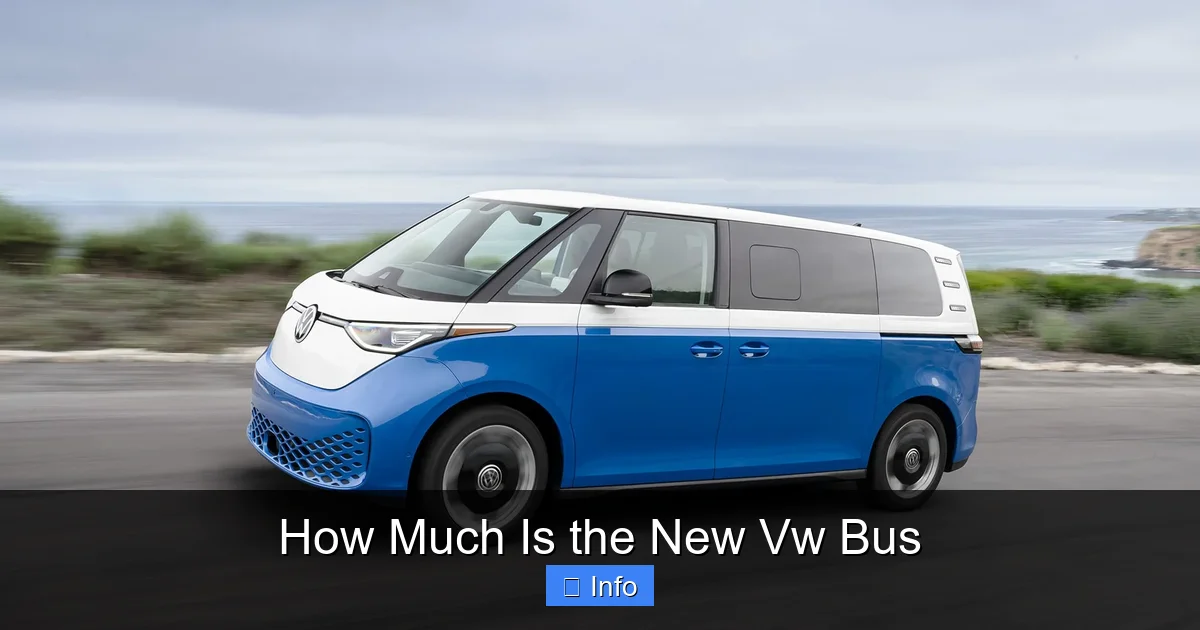
The new VW Bus, officially called the ID. Buzz, starts at around $50,000 for the base model, with top trims reaching over $70,000. This all-electric van blends retro charm with modern tech, offering up to 234 miles of range and seating for up to seven people. It’s a standout choice for families and eco-conscious drivers who want style and substance.
The new VW Bus isn’t just a vehicle; it’s a nostalgic throwback meets future tech, and everyone wants to know: how much is the new VW Bus? Whether you’re a fan of the classic camper vibe or just need a spacious electric family hauler, this van has turned heads since its revival. In this guide, we’ll break down the costs, features, and what you get for your money, so you can decide if it’s the right fit for your garage.
Key Takeaways
- Base Price: The 2024 VW Bus starts at approximately $50,000 for the standard Pro model, making it competitive with other electric vans.
- Trim Levels: Available in Pro, Pro S, and Pro S Plus trims, with prices escalating based on luxury features and battery size.
- Electric Efficiency: The ID. Buzz offers an estimated 234 miles of range on a single charge, ideal for daily use and short road trips.
- Spacious Interior: With flexible seating and ample cargo space, it’s designed for comfort and practicality, especially for families.
- Advanced Tech: Includes a 12.9-inch infotainment screen, augmented reality HUD, and Level 2 driver assistance features as standard.
- Availability: Initial rollout is limited to certain regions, with wait times potentially extending several months due to high demand.
- Ownership Costs: Expect lower fuel costs compared to gas vans, but insurance and maintenance can vary based on your location and usage.
📑 Table of Contents
What Makes the New VW Bus Special?
The VW Bus, now known as the ID. Buzz, brings back the iconic look of the original Type 2 vans from the 1960s, but with a modern twist. It’s built on Volkswagen’s MEB electric platform, which means zero emissions and a quiet ride. The design keeps the retro rounded shape, but adds sleek LED lights and a futuristic interior. It’s available as a passenger van or a cargo van, catering to both lifestyle and work needs.
History and Revival
Volkswagen first teased the ID. Buzz concept years ago, and fans went wild. The production version finally landed in 2024, capturing the spirit of adventure while packing in today’s tech. It’s a nod to the past without sacrificing modern safety or convenience. If you’re into vintage vibes but want contemporary reliability, this bus hits the sweet spot.
Who Is It For?
Ideal for families needing extra space, outdoor enthusiasts who love camping, or even small businesses looking for an eco-friendly delivery van. The ID. Buzz seats up to seven in passenger models, with easy-fold seats and a modular interior. It’s not just about looks; it’s practical for everyday life.
Breaking Down the Price Tag
So, how much is the new VW Bus exactly? The starting price for the base Pro model is around $50,000, which includes standard features like a 12.9-inch touchscreen and advanced safety suites. But prices climb quickly as you add trims and options. The top-tier Pro S Plus can exceed $70,000, especially with larger batteries or premium paints. Keep in mind that destination fees and taxes can add another $2,000 or so, so always check with your local dealer for the out-the-door cost.
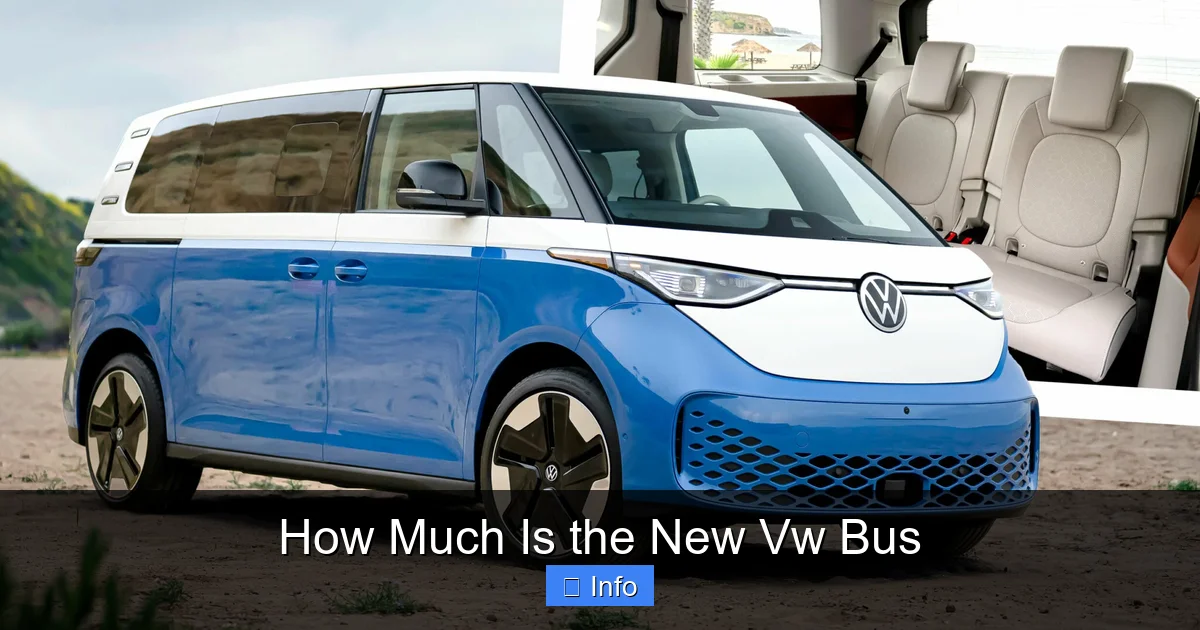
Visual guide about How Much Is the New Vw Bus
Image source: carscoops.com
Trim Levels Explained
The Pro trim is the entry-level, offering a 91 kWh battery and 234 miles of range. Step up to Pro S for added luxuries like a panoramic roof and premium audio. The Pro S Plus is the fully loaded version with all the bells and whistles. Each trim builds on the last, so you’re paying for comfort and convenience.
Optional Extras That Add Up
Want to personalize your bus? Options like two-tone paint, upgraded wheels, and a trailer hitch can add thousands. For example, the two-tone exterior might cost $1,500, while a heat pump for better efficiency could be $500. Always prioritize what matters most to you—whether it’s style or functionality.
Features You Get for Your Money
Inside the new VW Bus, you’re greeted by a spacious cabin with sustainable materials. The tech is top-notch, featuring a curved digital cockpit and voice control. Safety is a priority, with automatic emergency braking, lane-keeping assist, and a 360-degree camera system. The electric powertrain delivers smooth acceleration, making it fun to drive around town or on highways.
Visual guide about How Much Is the New Vw Bus
Image source: motortrend.com
Interior Comfort and Space
The seats are adjustable and comfy, with plenty of legroom even in the third row. Cargo space is generous—up to 30 cubic feet behind the third row, expanding to over 100 feet with seats folded. It’s perfect for grocery runs or weekend getaways. Plus, the quiet electric motor makes for a peaceful ride, unlike gas-powered vans.
Technology and Connectivity
The 12.9-inch infotainment screen is responsive, with wireless Apple CarPlay and Android Auto. The augmented reality head-up display projects navigation onto the windshield, which is handy on long trips. VW’s app lets you pre-condition the cabin or check charge levels remotely. It’s like having a digital co-pilot.
How It Stacks Up Against Competitors
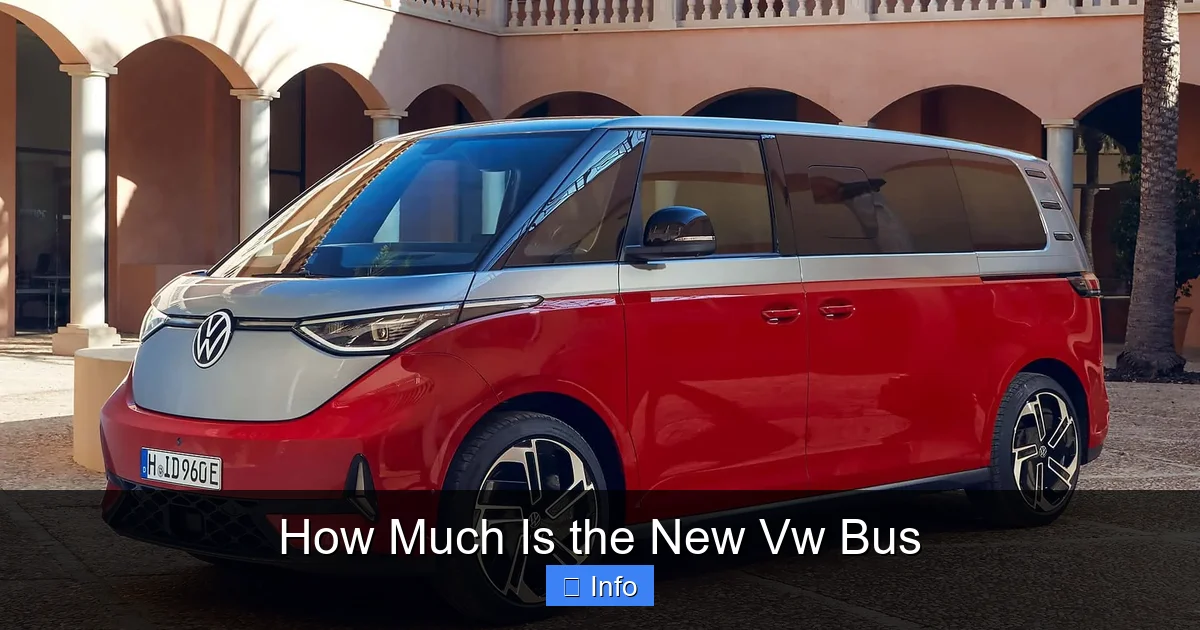
When considering the new VW Bus, it’s wise to compare it to rivals like the Toyota Sienna or Hyundai Sonata hybrid. For instance, the Toyota Sienna is a gas-electric hybrid with similar space but different styling. If you’re looking at international options, check out the Toyota Veloz in the Philippines for a price comparison in other markets. The VW Bus stands out for its retro appeal and pure electric setup, but rivals might offer lower upfront costs or faster charging.
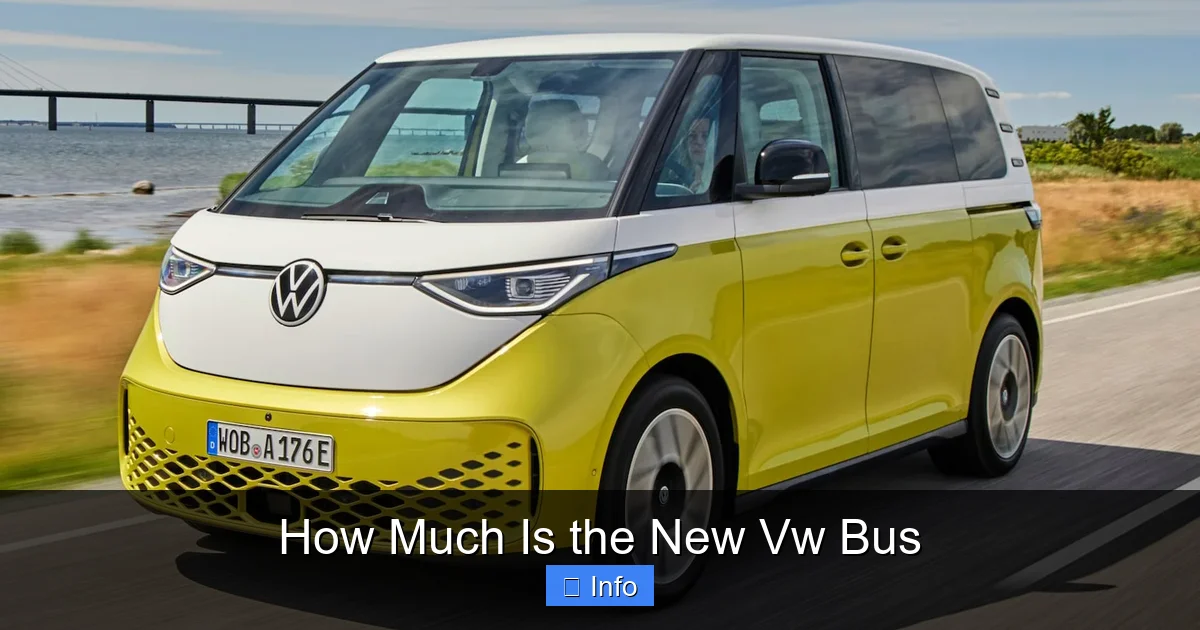
Visual guide about How Much Is the New Vw Bus
Image source: cdn.motor1.com
Vs. Electric Vans
Compared to the Ford E-Transit or Mercedes eSprinter, the ID. Buzz has a more charming design and better range for its class. However, those vans might have more cargo capacity for commercial use. It really depends on whether you value style or sheer utility.
Vs. Gas-Powered Minivans
If you’re not ready to go electric, the Chrysler Pacifica or Dodge Grand Caravan are alternatives. But remember, the VW Bus saves on fuel—electricity is cheaper than gas—and requires less maintenance over time. For a used comparison, you might explore how much a 2015 Toyota RAV4 is worth, but that’s an SUV, not a van. The point is, the ID. Buzz offers a unique blend that’s hard to ignore.
Tips for Buying Your New VW Bus
Ready to take the plunge? Start by test-driving at your local VW dealer to get a feel for the size and ride. Since demand is high, expect wait times of a few months, especially for higher trims. Consider financing through VW’s credit arm for competitive rates, or explore leasing if you want lower monthly payments. Also, check for local incentives—some states offer rebates for electric vehicles that can knock off thousands.
Where to Find the Best Deals
Dealerships in urban areas might have more inventory, so don’t hesitate to travel if needed. Online tools like VW’s configurator let you build your dream bus and reserve it. Patience is key; rushing might lead to compromises on features.
Maintenance and Upkeep
Electric vehicles have fewer moving parts, so maintenance is simpler. Expect regular tire rotations and brake checks, but no oil changes. VW offers a basic warranty, but extended plans can provide peace of mind. For related costs, if you’re curious about general repairs, you might find our article on subframe replacement useful, though it’s more for gas vehicles.
Ownership Costs Beyond the Purchase Price
Beyond the sticker price, think about insurance, which can be higher for electric vans due to their value and repair costs. Fuel savings are significant—charging at home might cost $0.13 per mile vs. $0.15 for gas, but it varies. Depreciation is moderate, as VW’s brand holds value reasonably well. Overall, the total cost of ownership over five years could be lower than a gas minivan if you drive frequently.
Insurance Considerations
Shop around for the best rates; some insurers offer discounts for EVs. Your driving history and location will affect premiums. It’s wise to get quotes before buying.
Long-Term Value
The ID. Buzz is likely to appeal to enthusiasts, so it might retain value better than typical vans. Plus, as electric infrastructure grows, charging becomes easier, adding to its appeal.
In conclusion, the new VW Bus is more than just a vehicle—it’s a statement. With prices starting around $50,000, it offers a compelling mix of style, space, and sustainability. While it may not be the cheapest option, the unique experience and modern features make it worth considering for those who want to stand out. If you’re in the market for a family van that doesn’t compromise on fun, the ID. Buzz deserves a spot on your shortlist. Remember to test-drive, compare carefully, and enjoy the journey!
Frequently Asked Questions
What is the starting price of the new VW Bus?
The base model starts at approximately $50,000, but prices can rise with upgrades and trims. Always confirm with your local dealer for exact figures.
How far can the new VW Bus travel on a single charge?
The ID. Buzz offers an estimated range of up to 234 miles, depending on the battery size and driving conditions. This is sufficient for daily commutes and many road trips.
Is the new VW Bus available as a camper?
Currently, the production model is a passenger or cargo van, but VW has hinted at camper versions in the future. For now, aftermarket conversions might be an option for adventurers.
What are the key differences between trim levels?
The Pro trim includes basic features, while Pro S adds luxury items like a heat pump and upgraded audio. Pro S Plus is fully loaded with all available options for maximum comfort.
How does the new VW Bus compare to the Toyota Sienna?
The VW Bus is all-electric with retro styling, while the Sienna is a hybrid with a more traditional minivan look. The Sienna might have quicker availability, but the Bus offers a unique driving experience.
Are there any tax incentives for buying the new VW Bus?
Yes, federal and state incentives may apply, such as tax credits for electric vehicles. Check with your local government or VW’s website for current offers that could reduce your cost.