How to Bypass Service Suspension System
Learning how to bypass the service suspension system can save time and money when your vehicle’s warning lights stay on. This guide walks you through safe DIY steps, from locating sensors to testing the bypass, so you can get back on the road quickly.
Dealing with a stubborn service suspension light can feel like a mystery. You know something inside your car’s suspension system is trying to tell you it needs attention, but the repair shop estimate makes your wallet cringe. The good news is that many drivers can temporarily bypass the service suspension system themselves, get back on the road, and even save money. This article explains exactly how to bypass the service suspension system using simple tools, clear steps, and safety tips. Whether you drive a sedan, SUV, or a luxury crossover, the principles stay the same. Keep reading, and you’ll have a practical, easy‑to‑follow plan that works for most modern vehicles.
Key Takeaways
- Point 1: Understand what triggers the service suspension warning and why a temporary bypass may be needed.
- Point 2: Gather the right tools and wear safety gear before attempting any bypass procedure.
- Point 3: Follow a clear step‑by‑step process to locate and disconnect the suspension module safely.
- Point 4: Test the bypass with a simple scan tool or dashboard check to confirm the warning is gone.
- Point 5: Keep regular inspections after the bypass to avoid long‑term damage.
- Point 6: Know when to seek professional repair instead of a DIY solution.
📑 Table of Contents
Understanding the Service Suspension System
What Triggers the Suspension Service Light?
The service suspension light is part of your car’s On‑Board Diagnostics (OBD‑II) system. It turns on when the computer detects a fault in the air suspension, height sensors, or related circuits. Common triggers include:
- A faulty air compressor.
- Worn or leaking air lines.
- Broken height sensors that cannot report correct ride height.
- Corroded connectors or wiring.
When this light stays on, the vehicle may limit performance or enter a reduced-ride‑height mode. Many drivers choose to bypass the system temporarily to avoid costly repairs while they locate the exact problem.
Why Bypass Instead of Immediate Repair?
Bypassing the service suspension system is not a permanent fix, but a temporary workaround. It can be useful when:
- You need to drive the car to a repair shop that is far away.
- You are waiting for a parts shipment.
- You want to verify whether the light is a false alarm.
A temporary bypass lets you ignore the warning, but it does not fix underlying wear. Always plan to address the root cause soon after.
Tools and Safety Precautions
Required Equipment
Before you start, gather these items:
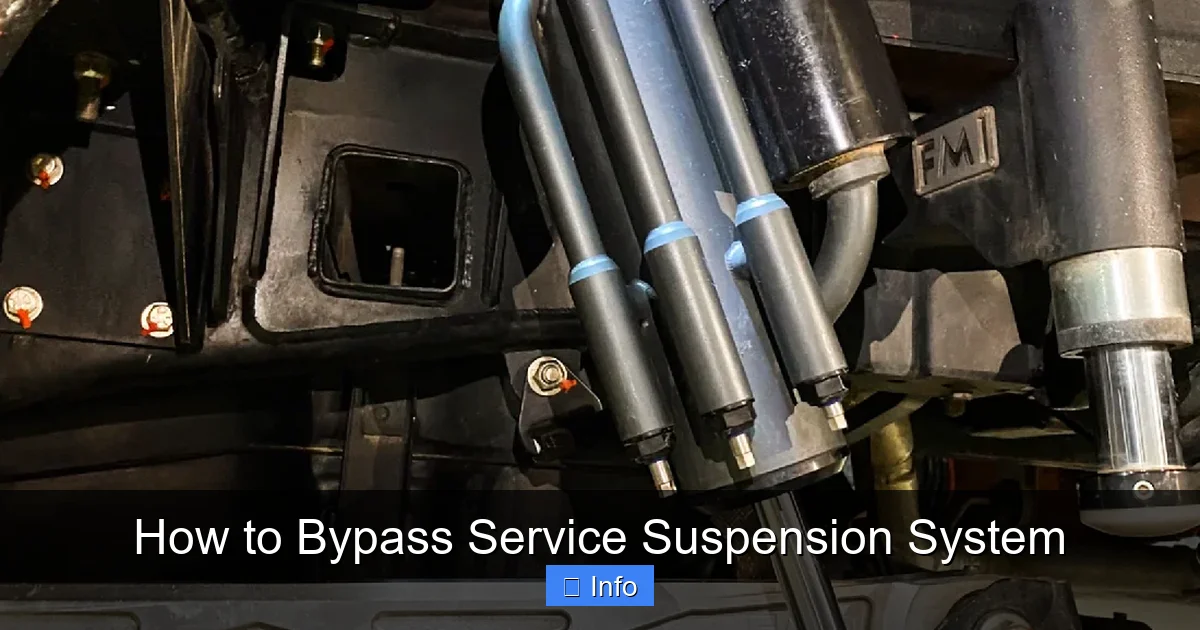
Visual guide about How to Bypass Service Suspension System
Image source: foutzmotorsports.com
- A compatible OBD‑II scanner or code reader.
- A set of metric screwdrivers and socket sets.
- Rabbit‑proof gloves and safety glasses.
- Electrical contact cleaner.
- Some zip ties and a flashlight.
If you own a Mercedes or Jeep, you may already have specialized tools. For deeper insight, see How To Disable Air Suspension On Jeep Grand Cherokee 2. This article explains the exact steps for a similar vehicle, which can be a helpful reference.
Safety First: Protective Gear and Disconnecting Power
Always work in a well‑ventilated area. Turn off the engine, remove the key, and disconnect the battery terminals to prevent accidental shorts. Wear gloves to protect your hands from sharp edges and chemicals. If you accidentally short the system, the airbag could deploy. Keep your work area clean and organized. A cluttered space leads to lost parts and potential injury.
Step‑by‑Step Bypass Guide
Preparing the Vehicle
Park on a flat surface and engage the parking brake. Set the wheel chocks if you have them. Open the hood and locate the fuse box. Remove the negative terminal of the battery first, then the positive. This step prevents any electrical surges while you work.
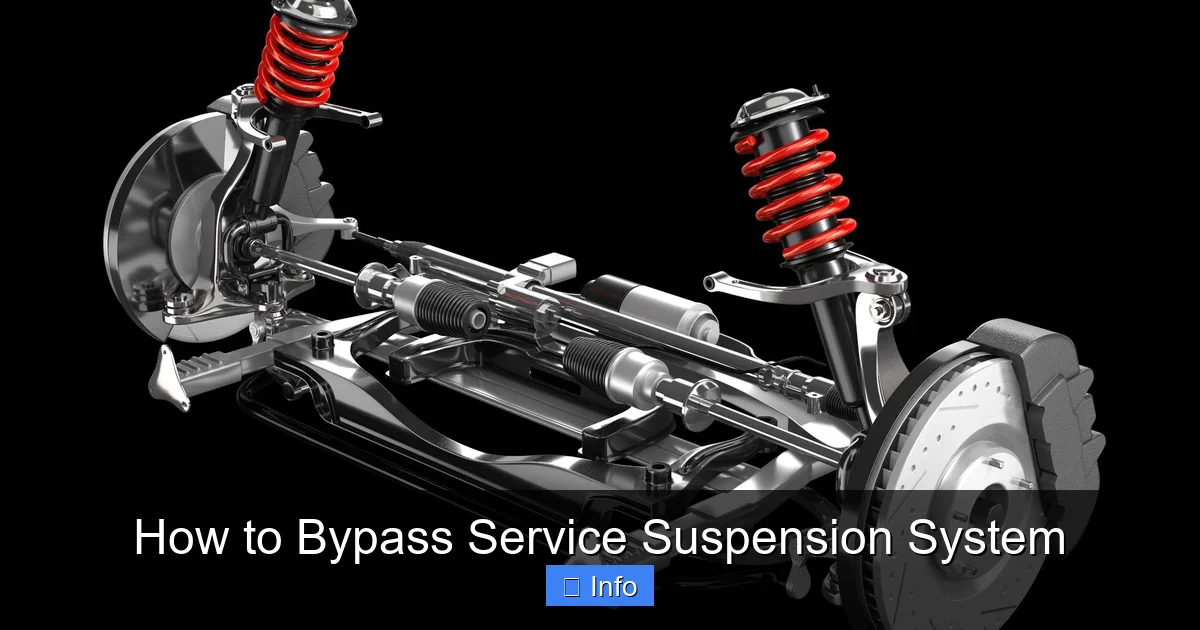
Visual guide about How to Bypass Service Suspension System
Image source: assets-global.website-files.com
Locating the Suspension Sensors
Most modern cars place the ride‑height sensors near the coil springs. Look for small black boxes with electrical connectors. The service suspension module is usually mounted under the vehicle near the rear axle. Refer to your service manual for exact locations. Take a photo with your phone before disconnecting anything; this helps you remember the original wiring.
Disconnecting the Service Suspension Module
Using a socket wrench, gently loosen the mounting bolts. Keep them in a safe place. Once the module is free, unplug the main harness. You may hear a click; that’s normal. If the module has a dedicated fuse, pull it out as well. This step effectively tells the car’s computer that the system is not present, allowing the bypass to work.
Testing the Bypass
Reconnect the battery and start the engine. Turn the ignition on without starting the engine. Use your OBD‑II scanner to clear any stored codes. If the service suspension light stays off, the bypass is successful. You can also drive the car for a few minutes and watch the dashboard. If the light returns, you may have missed a sensor or the module still has power.
Common Issues and Troubleshooting
Persistent Warning Lights
If the service suspension light remains on after the bypass, check the following:
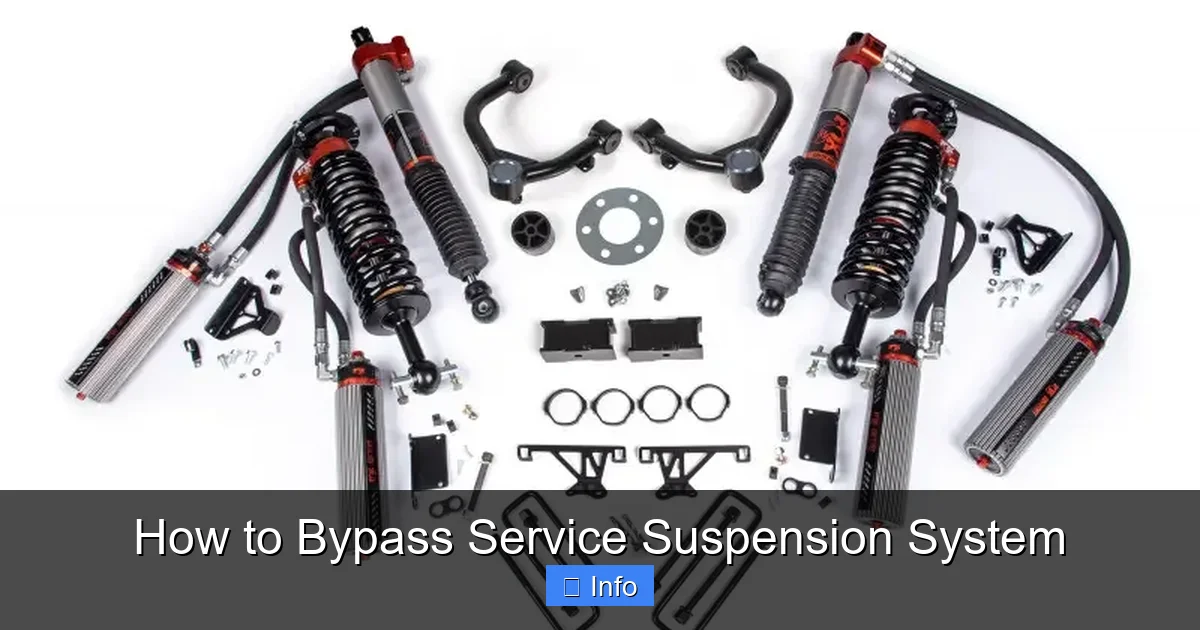
Visual guide about How to Bypass Service Suspension System
Image source: images.customwheeloffset.com
- Make sure all connectors are fully seated.
- Inspect for any broken wires or corrosion.
- Verify that the fuse for the suspension system is not blown.
- Sometimes the vehicle learns the new configuration after a few ignition cycles. Give it 10‑15 minutes of on‑off cycles.
Fault Codes and Diagnostic Scanners
An OBD‑II scanner will show specific fault codes (e.g., P0500, P0501). Write down the codes; they guide you toward the exact faulty component. If you see codes related to the air compressor, you may need to replace that part rather than bypass. In some cases, the bypass will clear the codes temporarily, but they return once the system detects a problem again.
Maintaining Your Bypass and Long‑Term Solutions
Regular Checks After the Bypass
Even after a successful bypass, schedule a check‑up within a month. Look for any new warning lights, unusual noises, or changes in ride height. Use a simple ruler to measure the distance between the body and the wheel. If you notice sagging, it may be time for a more permanent repair. For detailed repair steps, see How To Fix Sagging Rear Suspension. This guide provides step‑by‑step instructions that complement your bypass.
When to Consider Professional Repair
A bypass is meant to be temporary. If the service suspension light comes back repeatedly, or if you hear air leaks, it is best to take the vehicle to a certified shop. Professionals can replace worn components, tighten connections, and program the system correctly. Ignoring the underlying issue can lead to further damage, higher repair costs, and unsafe driving conditions.
Conclusion
Bypassing the service suspension system is a practical skill that gives you control over your vehicle’s downtime. By following the steps outlined above, you can safely disable the warning light, test the bypass, and keep an eye on the system’s health. Remember that a bypass is only a temporary fix. Always plan to address the root cause promptly. With the right tools, safety precautions, and a clear process, you’ll be able to handle the service suspension warning confidently and get back on the road without breaking the bank.
Frequently Asked Questions
What is the service suspension system?
The service suspension system monitors air ride components and alerts you when a fault occurs. It uses height sensors, air lines, and a control module to keep the vehicle at the correct height.
Can I drive with the service suspension light on after a bypass?
Yes, you can drive temporarily, but be aware that the system may not function correctly. The bypass removes the warning, but underlying issues remain.
Do I need special tools to bypass the system?
Basic tools like a socket set, screwdriver, and OBD‑II scanner are enough. Safety gear such as gloves and glasses is recommended.
How long does a bypass last?
A bypass can last from a few days to a few weeks, depending on driving conditions and how often you restart the vehicle.
When should I seek professional repair?
If the warning light returns, you hear air leaks, or the vehicle rides unevenly, it is time for a proper repair. A professional can replace faulty parts and restore full system operation.
Is bypassing the service suspension system legal?
Bypassing the system for temporary convenience is generally legal, but it may affect safety and emissions compliance. Always aim for a permanent fix to stay within legal and safety standards.