
Replace Power Steering Belt
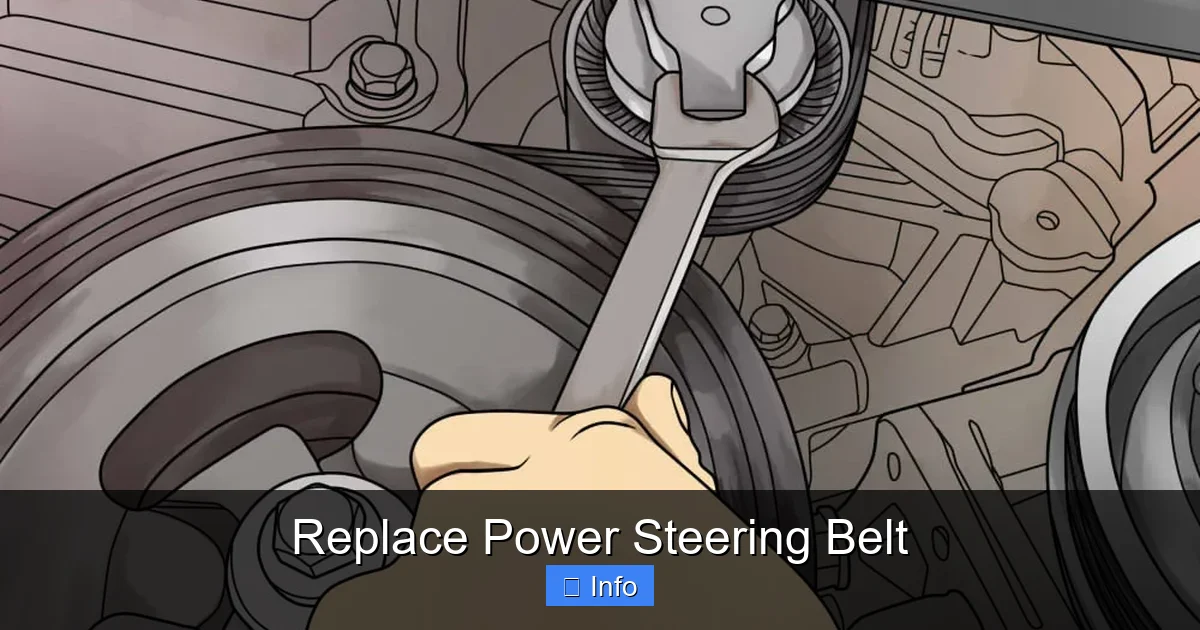
Replacing a power steering belt is a straightforward DIY task that can save you money on mechanic fees. You only need basic tools and a little patience to get the job done. Follow this easy guide to safely remove the old belt and install a new one today.
Does your car make a scary squealing noise? That sound can make your heart race. You might think a huge repair bill is coming. But do not panic yet. The problem might just be a loose or worn belt. Replacing a power steering belt is easier than you think. You do not need to be a mechanic. You just need a little time and some basic tools. This guide will walk you through the whole process. You will learn how to replace a power steering belt safely. You will also learn why doing it yourself is a smart move. Let us get started and save some money today.
Key Takeaways
- Safety First: Always disconnect the battery before starting any engine work.
- Proper Tools: You will need a wrench and a breaker bar to loosen the tensioner.
- Identify the Belt Type: Make sure you buy the correct size and rib count for your vehicle.
- Check the Pulleys: Inspect the power steering pump and other pulleys for damage before installing the new belt.
- Routing Matters: Take a photo of the old belt routing before removal to ensure correct installation.
- Test the Tension: Always check the belt tension after installation to prevent slippage.
📑 Table of Contents
Why You Should Replace a Power Steering Belt Yourself
The Cost Savings Are Real
Taking your car to a shop costs a lot of money. The mechanic charges for their time. They also charge for the parts. Then they add a service fee. You can avoid all of that. Doing the job at home is very rewarding. You keep your hard-earned cash in your pocket. You can use that money for a fun weekend trip. Replacing a power steering belt yourself is a great way to save. You will feel proud of your work too. The satisfaction is unbeatable. You did not pay a dime for labor. That is a huge win.
You Learn Your Car Better
Working on your car teaches you a lot. You start to understand how the engine works. You look under the hood more often. This helps you spot problems early. For example, you might notice a small leak. You might see a loose hose. Catching these things early saves big trouble later. If you hear a weird noise, you can figure out what it is. You might want to learn how to tell if power steering is going out. Doing it yourself gives you that knowledge. It makes you a smarter car owner. You become confident. You are no longer afraid of the engine bay.
Tools You Need to Replace a Power Steering Belt
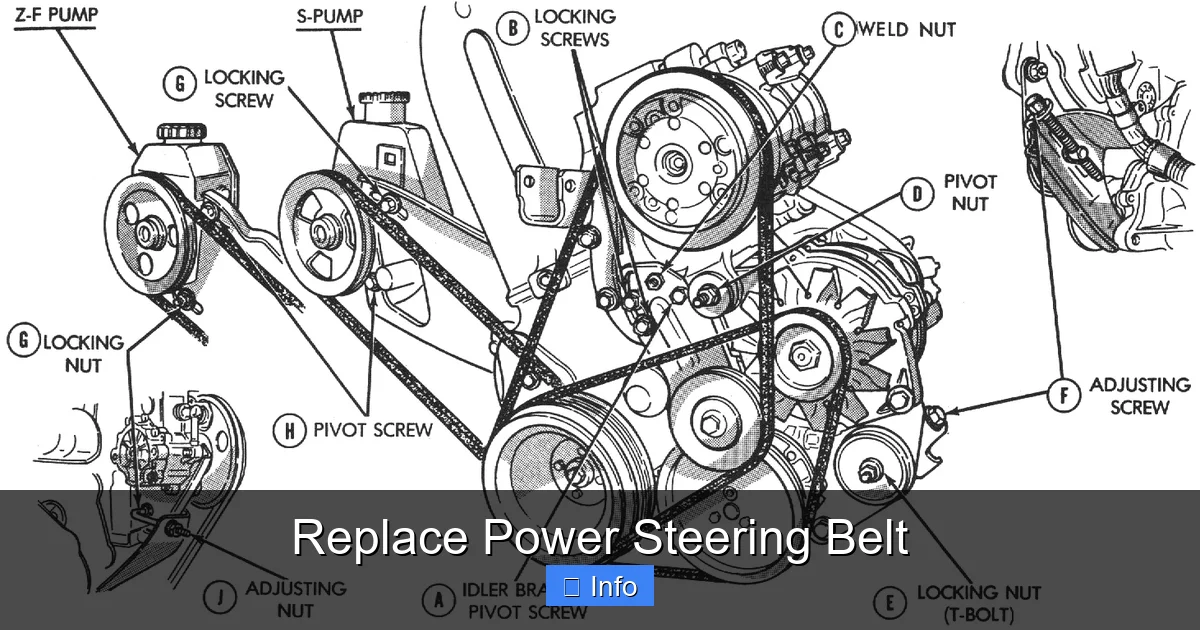
Visual guide about Replace Power Steering Belt
Image source: minimopar.net
The Basic Toolkit
You do not need a huge toolbox for this job. A few basic items will get the job done. First, you need a set of wrenches. Most cars use a standard size socket. You will also need a breaker bar. This tool helps you loosen the tensioner. The tensioner holds the belt tight. You cannot remove the belt without it. Make sure your breaker bar is the right size. You do not want it to slip. A ratchet is also helpful for turning bolts. Get a good set of sockets. They should fit the bolts on your car perfectly.
Safety Equipment
Safety is very important when working on cars. Always wear safety glasses. Small parts can fall into your eyes. Gloves are a good idea too. They keep your hands clean. They also protect you from sharp edges. Keep a rag nearby to clean up any dirt. You should also wear closed-toe shoes. This protects your feet from heavy tools. A flashlight is essential as well. The engine bay can be very dark. You need good light to see the belt routing. Do not work in the dark. It is a recipe for mistakes.
Step-by-Step Guide to Replace a Power Steering Belt
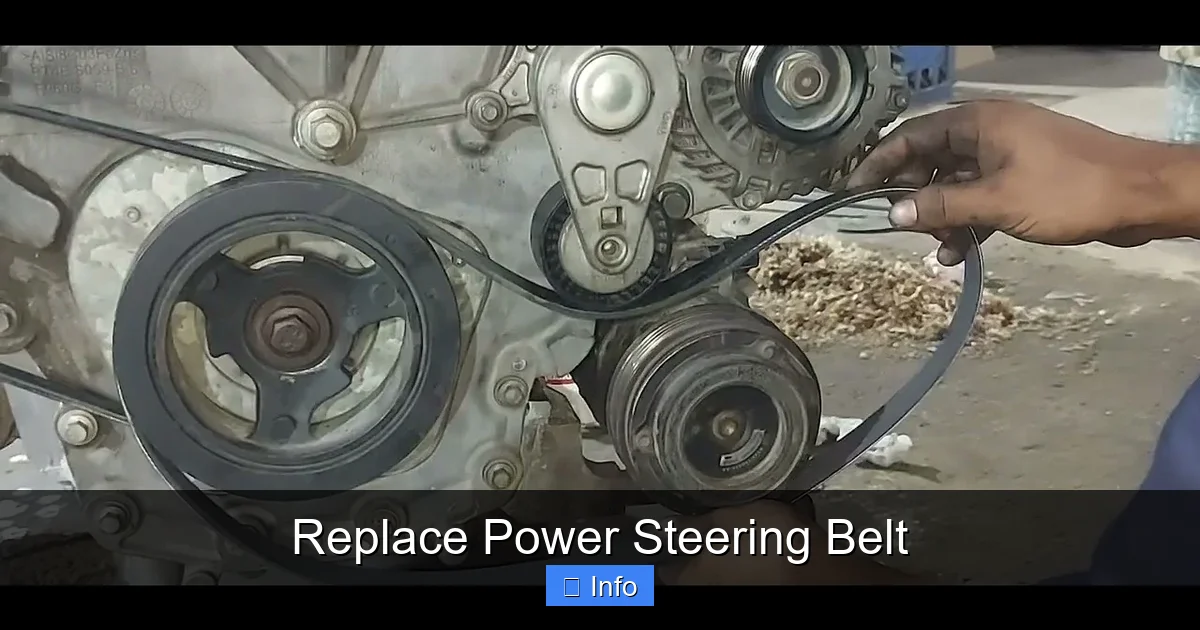
Visual guide about Replace Power Steering Belt
Image source: i.ytimg.com
Step One: Prepare the Vehicle
Before you touch any tools, prepare the car. Turn off the engine. Let it cool down completely. A hot engine can cause burns. Next, disconnect the negative battery cable. This prevents any accidental starts. It also protects your electrical system. Use a wrench to loosen the battery terminal. Pull the cable off the post. Set it aside so it cannot touch the terminal. This is a crucial safety step. Always double check that the car is off. You do not want it to crank unexpectedly.
Step Two: Document the Belt Routing
Look at the back of the belt. You need to see how it loops around the pulleys. The routing is different for every car. Take a clear photo with your phone. Write down the path if you want. This is crucial for a successful replace power steering belt project. Do not skip this step. If you forget the routing, you will get confused later. The belt must go around every pulley correctly. It is like a map. The photo is your map. Follow it exactly when you install the new belt.
Step Three: Release the Tensioner
Find the tensioner pulley. It usually has a bolt or a slot. Put your breaker bar on it. Push the tensioner inward. This creates slack in the belt. While holding it, slide the belt off the pulley. Let go of the tensioner slowly. It will spring back into place. Be careful not to pinch your fingers. The tensioner spring is very strong. It can snap back quickly if you let go too fast. Keep your hands clear. Use steady pressure on the breaker bar.
Step Four: Remove the Old Belt
Pull the belt off all the other pulleys. Set it aside. Look at the pulleys closely. Are they cracked? Are they wobbly? If so, you might need to replace those parts too. Sometimes the pulley is the real problem. You might need to look into how to check a power steering pump to see if it is failing. Do not just assume the belt is bad. Inspect everything carefully before you move on. A bad pulley will ruin a new belt very fast. Take your time and look at every surface.
Step Five: Install the New Belt
Take your new belt. Loop it around the pulleys. Follow the photo you took. Do not force it. It should slide on easily. If it is too tight, you might have the wrong size belt. Make sure the ribs sit in the grooves of the pulleys. This is very important for the belt to work. A misaligned belt will slip and wear out fast. Run your fingers along the ribs. Feel for the grooves. They should match up perfectly. This ensures a smooth ride.
Step Six: Check the Tension
Push on the belt. It should have about half an inch of give. If it is too loose, you will need to adjust it. You might need to learn how to tighten a power steering belt to get it just right. Start the engine and listen for squeals. A quiet engine means the belt is good. A loud squeal means something is wrong. Check the routing again if you hear noise. Do not ignore squealing sounds. They usually mean the belt is slipping. Fix it before you drive far.
Common Mistakes to Avoid When Replacing a Power Steering Belt
Visual guide about Replace Power Steering Belt
Image source: i.ytimg.com
Skipping the Photo
This is the biggest mistake people make. You might forget how the belt goes on. The routing is different for every car. A quick photo saves a headache later. Do not rely on your memory. Your memory might fail you under pressure. Take the photo right before you remove the belt. Look at it often during the install. It is your best guide. You will thank yourself later. A simple phone call to your past self is all it takes.
Using the Wrong Belt Size
Belts come in many sizes. They are measured by the number of ribs. If you buy the wrong size, it will not fit. It might slip or it might not fit at all. Always check your owner’s manual. The manual tells you the exact size. Do not guess. Guessing will waste your time and money. Buy the correct belt before you start the job. Look at the old belt if you are unsure. Count the ribs. Match them to the new belt. It is that simple.
Ignoring Other Noises
A squeaky belt is not always the only problem. Sometimes the pulley is bad. If you hear a grinding noise, stop. You might need to look into how to check a power steering pump to see if the pump is failing. Do not just replace the belt and ignore the noise. The noise might come back. It might even get worse. Address the root cause of the problem. Listen carefully to your car. It tells you what is wrong. A grinding noise means metal on metal. That is very bad.
When to Call a Professional Instead of Replacing a Power Steering Belt
Lack of Basic Tools
If you do not have a breaker bar, you cannot do this job. You will not be able to release the tensioner. Do not try to use pliers or a hammer. It will damage the parts. You might strip the bolts. This makes the repair much harder later. If you lack the tools, just call a mechanic. It is better to pay for help than to break parts. A stripped bolt costs more to fix. Save yourself the headache. Go get the right tools first.
Complex Engine Layouts
Some cars have engines that are packed very tight. The belts are hard to reach. You might not have enough room to fit your hands in there. A mechanic has special tools for tight spaces. They can navigate the engine bay easily. Do not force your hand into a small space. You could hurt yourself or the car. Let a pro handle the tough jobs. They know how to work around tight angles. Your safety is worth more than the labor cost.
Persistent Steering Issues
If the steering still feels heavy after you replace the belt, something else is wrong. The power steering fluid might be low. You might need to check the fluid level. If the steering is still bad, call a mechanic. The pump might be broken. The rack might be leaking. Do not ignore steering problems. They are dangerous to drive with. Safety always comes first. Heavy steering means you cannot turn easily. That is a risk on the road. Get it fixed right away.
Conclusion
Replacing a power steering belt does not have to be scary. You have the power to fix your car today. Grab your tools and get to work. You will save money and learn a lot. Your wallet will thank you. Your car will run smoothly again. You are now a more confident car owner. Go out there and enjoy the ride! You did it. You fixed the belt. You are ready for the next challenge.
Frequently Asked Questions
How do I know if my power steering belt needs replacing?
Look for visible cracks or fraying on the belt. You might also hear a loud squealing noise when you turn the steering wheel. If the belt looks shiny or glazed, it is time to replace it. These are clear signs of wear and tear.
Can I drive with a broken power steering belt?
You should not drive with a broken belt. The belt powers the power steering pump. Without it, steering becomes very heavy and hard to turn. It is also dangerous to drive in an emergency. Replace the belt as soon as possible.
How much does it cost to replace a power steering belt?
A new belt costs between 15 and 50 dollars. A mechanic will charge an extra 100 dollars or more for labor. Doing it yourself saves you that labor cost. You only pay for the price of the new belt and any tools you need.
What causes a power steering belt to break?
Age and wear are the main causes. The rubber dries out and cracks over time. Excessive heat from the engine also degrades the belt. Sometimes a loose belt slips and overheats. This friction eventually causes the belt to fail.
Do I need to replace the tensioner when I replace the belt?
Not always, but it is a good idea. The tensioner spring weakens over time. A weak spring might not hold the belt tight enough. If the tensioner feels loose or sticky, replace it. This ensures your new belt works properly.
How tight should a power steering belt be?
The belt should have about half an inch of deflection. Push on the belt with your thumb. It should give easily but not be completely loose. If it bounces too much, it is too loose. If it does not give at all, it is too tight.


