How to Remove Hard Water Stains from Car
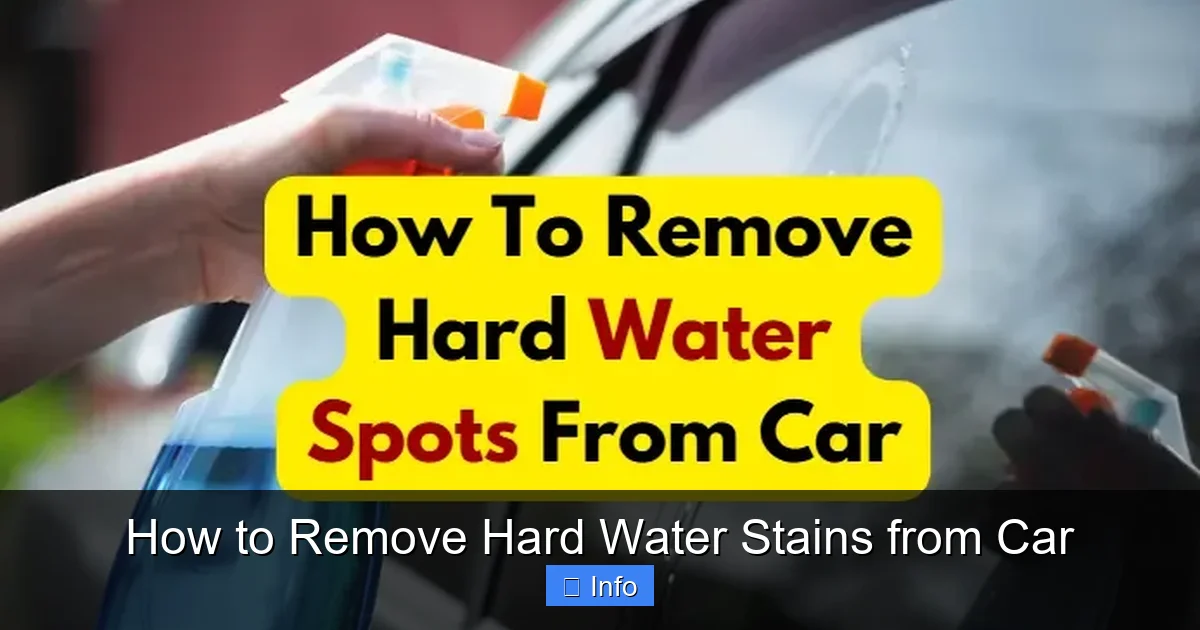
Hard water stains can make your car’s paint look dull and spotted. This guide shows you simple, safe methods to remove those marks and keep your finish shining.
Key Takeaways
- Identify the stain: Determine if it’s hard water or mineral deposit before choosing a cleaner.
- Use mild acid: White vinegar or citric acid solution dissolves minerals without harming paint.
- Avoid abrasives: Do not use steel wool or harsh scouring pads that can scratch the surface.
- Apply with microfiber: A soft microfiber cloth prevents swirl marks and ensures even coverage.
- Rinse and dry: Rinse off the cleaner completely, then dry with a clean towel to prevent new spots.
- Protect the finish: Apply a quality wax or ceramic coating to repel future water spots.
📑 Table of Contents
What Are Hard Water Stains?
Hard water stains are those white or cloudy spots that appear on your car’s paint after a rainstorm or a quick wash. They are caused by minerals like calcium and magnesium that are left behind when water evaporates. These minerals bond with the clear coat and can be tough to remove if you wait too long. The good news is that with the right approach, you can bring back the shine without damaging the surface.
Why They Form
When water contains a high level of dissolved solids, it leaves a residue as it dries. On a car, this residue can cling to the paint, glass, and even plastic trim. The longer the water sits, the harder the deposit becomes. That is why you often see spots after a quick rinse or a hose‑down.
The minerals in hard water, primarily calcium and magnesium, form insoluble carbonates when they react with carbon dioxide in the air. These carbonates create a thin film that adheres to the paint’s clear coat. Over time, exposure to sun and heat can bake these deposits, making them harder to remove.
It is also important to distinguish between water spots and true hard water stains. Water spots are usually superficial and can be wiped away, while hard water stains have etched into the clear coat and require a chemical treatment.
You can test the water hardness by using a simple kit available at most hardware stores. If the test shows high levels of calcium or magnesium, you know that hard water is the likely culprit. In areas with very hard water, the stains may appear within minutes of drying, while in moderately hard water they may take a few hours. Understanding the severity helps you choose the right cleaner and contact time.
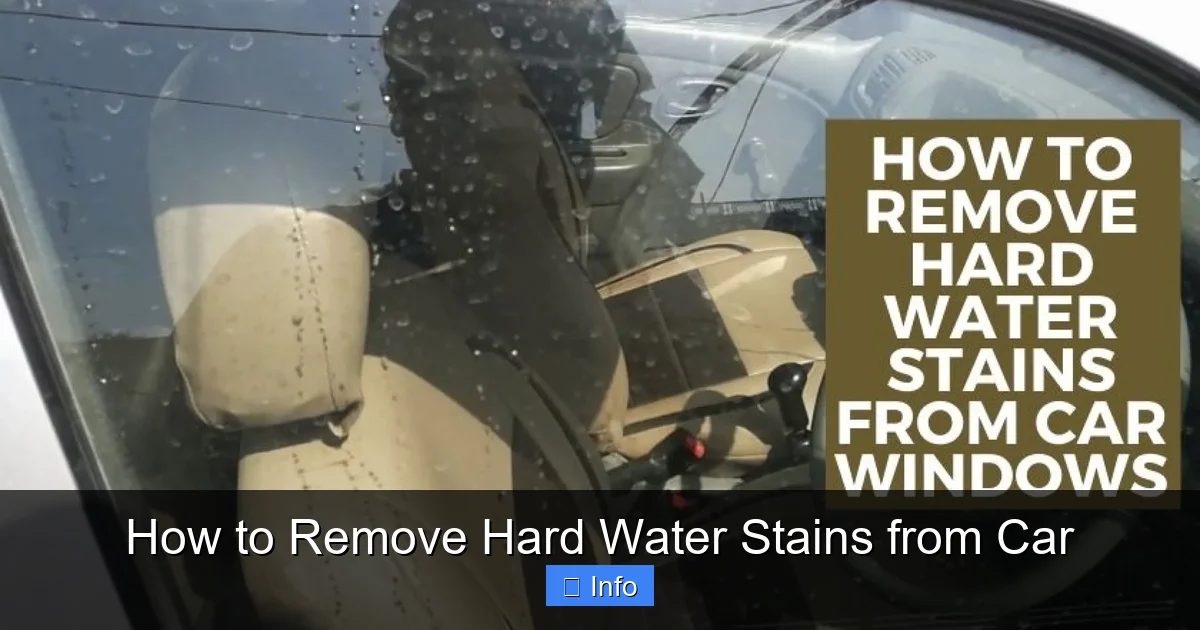
Hard water stains can also affect glass, leaving a hazy film that reduces visibility. On plastic trim, the minerals can cause a chalky appearance that is harder to clean than paint.
Simple Home Remedies
You probably already have the ingredients for a DIY solution in your kitchen. The most common and effective option is a mixture of white vinegar and water. Vinegar is a mild acid that breaks down the mineral bonds without harming the clear coat.
Visual guide about How to Remove Hard Water Stains from Car
Image source: wavehooks.com
Vinegar Solution
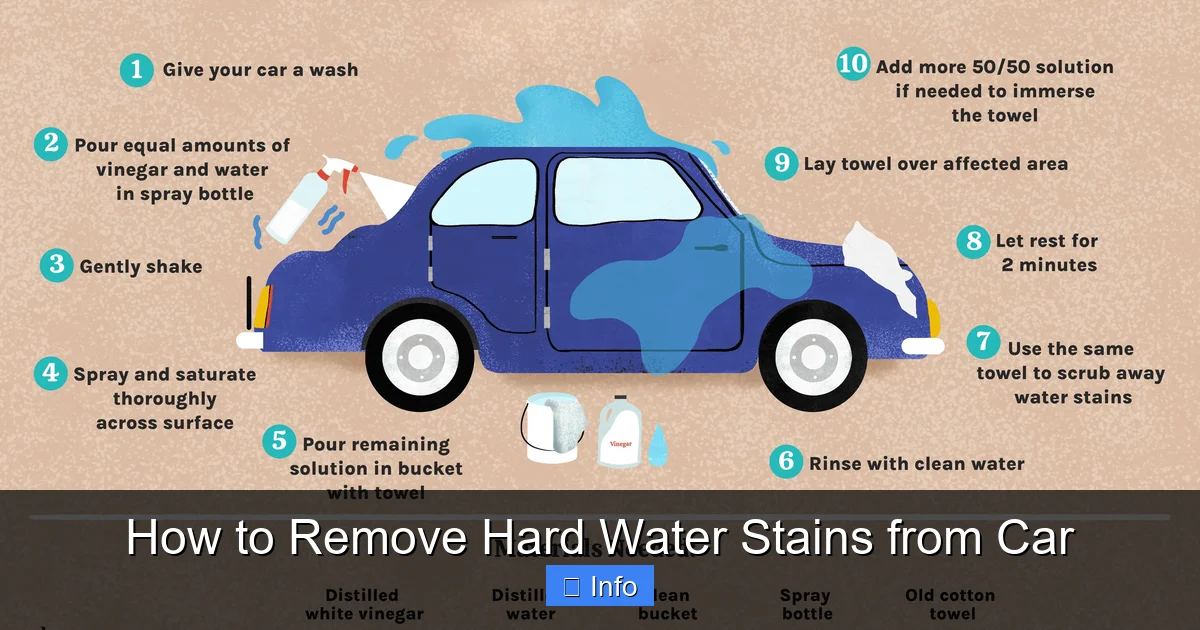
Mix one part white vinegar with three parts warm water in a spray bottle. Spray the affected area, let it sit for a minute, then gently wipe with a soft microfiber cloth. If the stains persist, you can repeat the process or increase the vinegar concentration slightly.
Be careful when using vinegar on glass; it can leave a streaky finish if not rinsed promptly. For painted surfaces, the solution is generally safe, but always test on a small, inconspicuous area first.
Citric Acid Alternative
If you prefer a citrus scent, dissolve a tablespoon of citric acid in a cup of warm water. The acid works similarly to vinegar and leaves a fresh aroma behind. Apply with a spray bottle and follow the same wiping steps.
You can also create a paste using baking soda and water for stubborn spots. Mix a small amount of baking soda with water to form a thick paste, apply it gently with a soft cloth, and then rinse thoroughly. Baking soda is slightly abrasive, so use it sparingly to avoid micro‑scratches.
Another natural option is lemon juice, which contains citric acid similar to the citric acid solution. Simply apply fresh lemon juice to the affected area, let it sit for a few minutes, then rinse thoroughly. Lemon juice can be harsh on some paints, so always test on a small inconspicuous spot first. You can also mix lemon juice with water to create a milder solution.
If you prefer a ready‑made solution, there are many water spot removers available that are specifically formulated for automotive use. They often contain chelating agents that bind to minerals and allow them to be wiped away.
Step-by-Step Removal Guide
Follow these steps to ensure you remove the stains completely and protect the paint. If you are searching for how to remove hard water stains from car, this detailed walk‑through will help you achieve a spotless finish.
Visual guide about How to Remove Hard Water Stains from Car
Image source: cardecorates.com
Preparation
Start by washing the car with a gentle car shampoo to remove any loose dirt. Rinse thoroughly and dry with a clean towel. This creates a clean surface for the treatment.
It is also a good idea to apply a clay bar to the paint before treatment. A clay bar lifts embedded contaminants that could interfere with the cleaning solution. After claying, rinse again and dry.
A clay bar can be used after washing to remove any remaining contaminants that might interfere with the cleaning solution. It creates a smooth surface for the acid to work effectively.
Application
Apply your chosen acid solution using a spray bottle or a microfiber cloth. Work in small sections to prevent the solution from drying before you can wipe it away. Allow it to sit for 30 seconds to a minute, then gently agitate with a soft cloth.
If you are dealing with a large area, consider using a foam cannon or a pump sprayer to apply the solution evenly. This helps avoid dry spots and ensures consistent coverage.
Rinse and Dry
Rinse the area with clean water to remove any residue. Dry with a fresh microfiber towel or a blow dryer on low heat. Avoid using paper towels, as they can leave lint behind.
After drying, inspect the surface under bright light. If any spots remain, repeat the application. For stubborn stains, you may need to use a dedicated water spot remover product.
Inspection
Check the surface under good lighting. If any spots remain, repeat the application. For stubborn stains, you may need to use a dedicated water spot remover product.
Once the stains are gone, consider applying a sealant or wax to protect the paint from future mineral deposits. This step also adds a glossy shine that makes the car look showroom ready.
If the stains are particularly stubborn, you may need to use a dual-action polisher with a microfiber pad. Set the polisher to a low speed and move it in straight lines to avoid creating swirl marks. After polishing, apply a liquid sealant to lock in the shine and provide ongoing protection. For best results, work in small sections and wipe away any residue with a clean microfiber cloth.
Tools and Products You Need
Having the right tools makes the job easier and safer for your paint.
Visual guide about How to Remove Hard Water Stains from Car
Image source: tipsbulletin.com
- Microfiber cloths: Choose lint‑free, high‑quality cloths to avoid scratches.
- Spray bottle: A fine mist helps distribute the solution evenly.
- Car wash soap: A pH‑balanced shampoo prevents additional residue.
- Water spot remover: Commercial products are available for tough stains.
- Clay bar: Useful for removing embedded contaminants before treatment.
- Polishing compound: For etched spots that remain after cleaning.
For those with ceramic coatings, you might want to check out our guide on how to remove water spots from ceramic coating to ensure you do not compromise the coating.
When selecting a water spot remover, look for products that are safe for clear coat and contain chelating agents that bind to minerals. Always follow the manufacturer’s instructions and wear gloves to protect your hands from chemicals.
In addition to gloves, consider wearing safety goggles to protect your eyes from any splashes of acid or polish. A respirator mask can also help if you are working in a poorly ventilated area. Proper ventilation reduces the risk of inhaling fumes and ensures a safer working environment.
When choosing microfiber cloths, look for a high pile and a tight weave. These characteristics help absorb water without leaving lint behind.
Preventing Future Hard Water Spots
Prevention is always easier than cure. Here are a few habits that can keep your car spotless.
Regular Washing
Wash your car at least once a week, especially after rain. Using a hose with a de‑mineralized water filter can reduce the amount of minerals left behind.
Consider installing a portable deionizer or using a bucket of deionized water for a final rinse. This eliminates almost all dissolved solids, preventing spots from forming as the water dries.
Quick Drying
After washing, dry the surface with a microfiber towel or a leaf blower. Allowing water to air dry can cause new spots to form.
If you do not have a leaf blower, a squeegee with a soft rubber edge can help remove water from flat surfaces like the hood and trunk. Be gentle to avoid scratching the paint.
Protective Coatings
Applying a quality wax or sealant creates a barrier that repels water and makes future cleaning easier. For plastic trim, consider reading how to remove water spots from plastic trim to keep every part of your vehicle looking fresh.
Wax formulations containing carnauba or synthetic polymers provide hydrophobic properties, causing water to bead up and roll off the surface. Reapply wax every three months for continued protection.
A spray sealant can be applied after washing to provide an additional layer of protection. It is easy to use and can be reapplied as needed.
Spot‑Check After Parking
If you park under trees or near sprinklers, give the car a quick rinse to remove any water droplets before they dry.
Keeping a portable spray bottle filled with deionized water in your garage can help you quickly rinse off any water spots that appear between washes.
If you have access to a water softener system at home, using softened water for washing can dramatically reduce mineral deposits. Alternatively, a portable deionizer filter that attaches to your hose can be a cost‑effective solution. These devices remove dissolved solids before the water touches your car, preventing spots from forming.
When to Call a Professional
Sometimes the stains are too deep or the paint is too delicate. In those cases, a professional detailer can use specialized polishes and compounds to restore the finish without causing damage. If you notice etching or the clear coat is wearing thin, it is best to seek expert help rather than risk further harm.
Professional detailers may also use a multi‑step correction process that includes compounding, polishing, and sealing. This can remove deep stains and restore gloss, but it comes at a higher cost. Weigh the price against the value of your vehicle and the extent of the damage.
For white cars, you may also find our article on how to remove dirt stains from white car paint useful, as the techniques overlap with spot removal.
Some insurance policies cover paint correction if the damage is due to environmental factors, so it may be worth checking your coverage. A reputable detailer will provide a written estimate and explain the steps they will take. This helps you understand the cost and ensures there are no surprises.
If your car is still under warranty, check with the dealer before attempting any DIY repairs to avoid voiding coverage.
Conclusion
Removing hard water stains does not have to be a daunting task. By identifying the cause, using mild acids like vinegar or citric acid, and following a careful step‑by‑step process, you can restore your car’s glossy appearance. Remember to protect the finish with wax or a ceramic coating to keep future spots at bay. With a little effort, your vehicle will look showroom ready again.
Consistent maintenance and prompt attention to water spots will extend the life of your paint and keep your car looking its best. If you ever feel unsure, do not hesitate to consult a professional detailer.
Frequently Asked Questions
What causes hard water stains on cars?
Hard water stains are left behind when water containing high levels of calcium and magnesium evaporates. These minerals bond with the paint’s clear coat, creating white or cloudy spots.
Can I use vinegar to remove hard water stains?
Yes, a mixture of white vinegar and water is a safe and effective way to dissolve the mineral deposits. Spray the solution, let it sit briefly, then wipe with a microfiber cloth.
How often should I treat my car for water spots?
If you wash your car weekly, a quick spot check after each wash is enough. For cars parked outside, a monthly protective treatment can keep stains from forming.
Will hard water stains damage the clear coat?
Typically, hard water stains are superficial and do not damage the clear coat if removed promptly. However, if left for months, the minerals can etch the surface and make removal harder.
Are there commercial products that work better than DIY?
Commercial water spot removers often contain stronger acids or chelating agents that can tackle stubborn stains. They are useful when DIY methods fail, but always follow the label instructions.
Can I prevent hard water stains with a coating?
Applying a quality wax, sealant, or ceramic coating creates a hydrophobic barrier that repels water. This reduces the chance of mineral deposits forming and makes future cleaning easier.