
How to Do Pre Delivery Inspection of Car
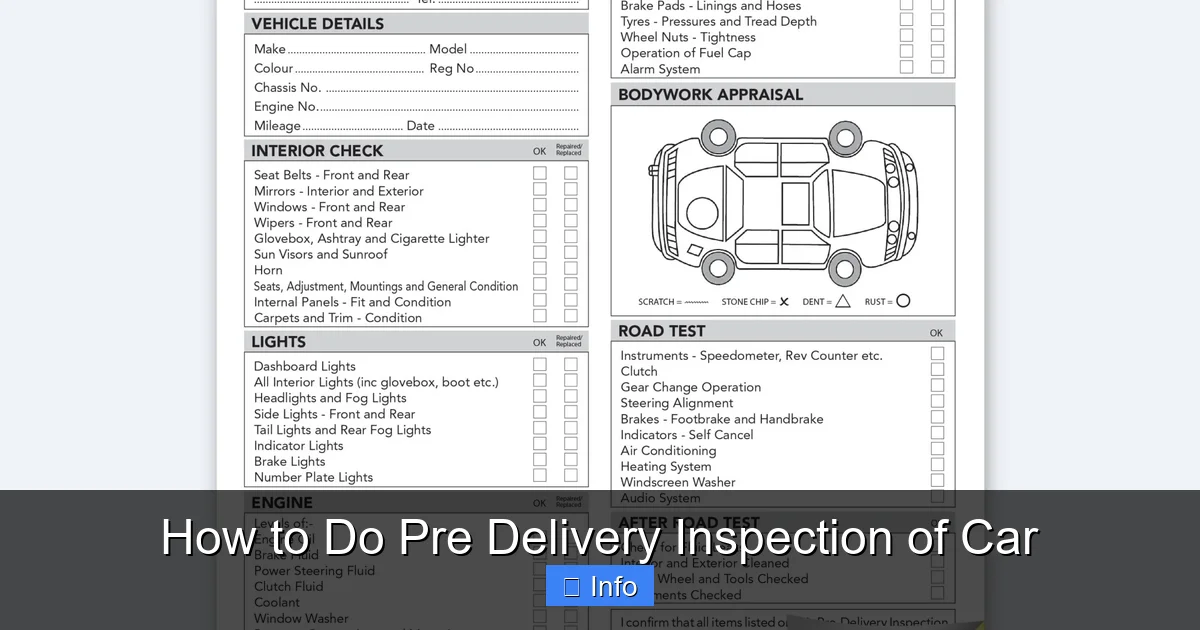
Conducting a pre-delivery inspection is essential to verify your new car’s condition before acceptance. This guide simplifies the process, covering exterior, interior, and mechanical checks. By following these steps, you can identify any issues early and ensure a smooth ownership experience.
So, you’ve just bought a new car, or you’re picking it up from the dealership. Exciting, right? But before you drive off into the sunset, there’s one crucial step you shouldn’t skip: the pre-delivery inspection, or PDI for short. Think of it as a final health check for your car. It’s your chance to spot any issues while they’re still the dealership’s responsibility. In this guide, we’ll walk you through how to do a thorough pre-delivery inspection of your car, step by step. No jargon, just simple advice to help you feel confident.
Key Takeaways
- Start with a visual exterior check: Look for scratches, dents, or paint flaws to catch imperfections early.
- Inspect the interior thoroughly: Test all features, check for stains, and ensure electronics work properly.
- Perform a mechanical inspection: Examine the engine, tires, and lights for any signs of wear or damage.
- Review all documentation: Verify paperwork, warranty details, and service records for accuracy.
- Take a test drive: Drive the car to check handling, brakes, and overall performance.
- Use a checklist: A structured list helps ensure no step is missed during the inspection.
- Report issues immediately: Address any problems with the dealership before finalizing the purchase.
📑 Table of Contents
Understanding Pre-Delivery Inspection
A pre-delivery inspection is a detailed check performed by the dealership or by you before the car is handed over. It ensures the vehicle is in perfect condition, as expected. Dealerships often do their own PDI, but it’s smart to do one yourself too. Why? Because sometimes small issues can slip through, and catching them early means easier fixes. Plus, it gives you peace of mind. So, grab a notebook and let’s get started.
What is PDI?
PDI stands for Pre-Delivery Inspection. It’s a comprehensive review of the car’s systems, both inside and out. This includes everything from the paint job to the engine performance. The goal is to verify that everything works as it should and that there are no defects. It’s a standard practice in the car buying process, but doing your own inspection adds an extra layer of protection.
Why It Matters
Skipping the PDI could lead to headaches later. Imagine driving home only to find a scratch on the door or a weird noise from the engine. With a PDI, you can document these issues and get them fixed before you take ownership. It’s all about avoiding surprises and ensuring your new car feels truly new. Remember, once you sign the papers, it’s yours, so double-check everything first.
Exterior Inspection
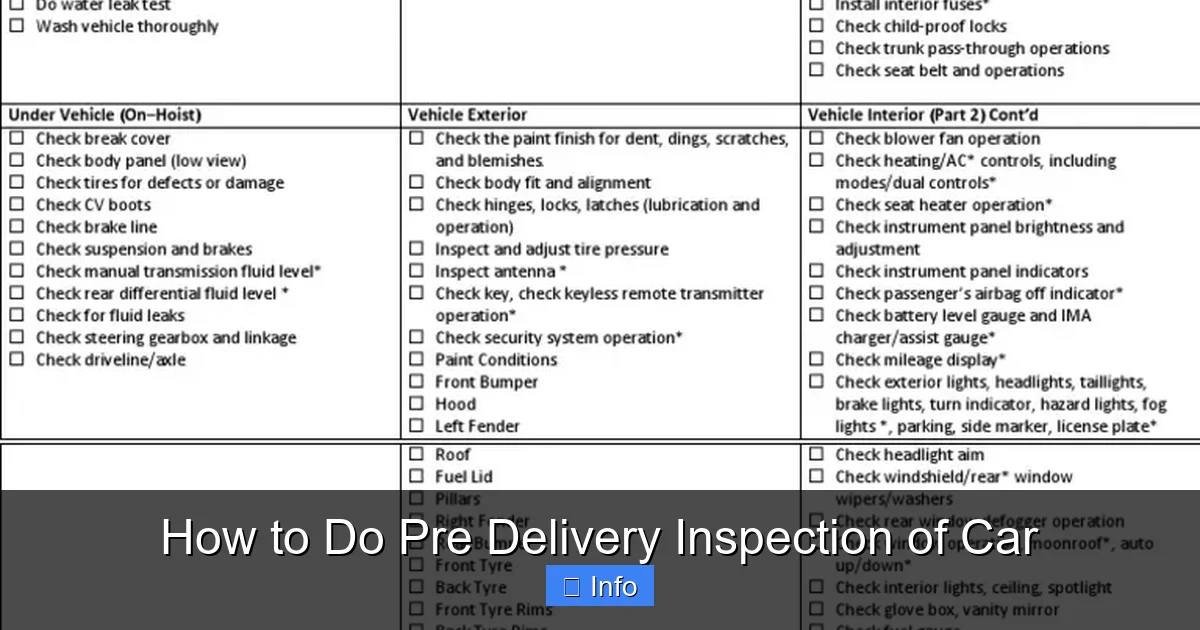
The first part of your PDI is checking the outside of the car. This is where you can easily see damage or wear. Start in a well-lit area, preferably daylight, so you don’t miss anything. Walk around the car slowly and take your time. It might seem tedious, but it’s worth it.
Visual guide about How to Do Pre Delivery Inspection of Car
Image source: imgv2-2-f.scribdassets.com
Paint and Body Check
Look for any scratches, dents, or chips in the paint. Run your hand over the surface to feel for imperfections. Check the doors, hood, and trunk for alignment—gaps should be even. If you spot any issues, note them down with photos. For example, a small door ding might be easy to fix now, but later it could lead to rust. Also, inspect the paint for signs of oxidation or fading, especially if the car has been sitting on the lot. If you’re concerned about paint care, you might want to read about how to stop car paint oxidation to maintain it long-term.
Tires and Wheels
Next, examine the tires. Check the tread depth—it should be even and sufficient. Look for any cuts, bulges, or uneven wear, which could indicate alignment issues. Don’t forget to inspect the wheels for curb rash or cracks. Proper tire maintenance is key for safety, so if something looks off, ask the dealership to address it. You can also learn more about tire care from our guide on how to figure out size of tire chains if you live in a snowy area.
Lights and Glass
Test all the lights: headlights, taillights, turn signals, and brake lights. Have a friend help you check from outside. Look for any cracks in the windshield or windows, as these can compromise safety. Also, ensure the mirrors are intact and adjustable. A small crack might seem minor, but it can spread and require replacement. Better to catch it now.
Interior Inspection
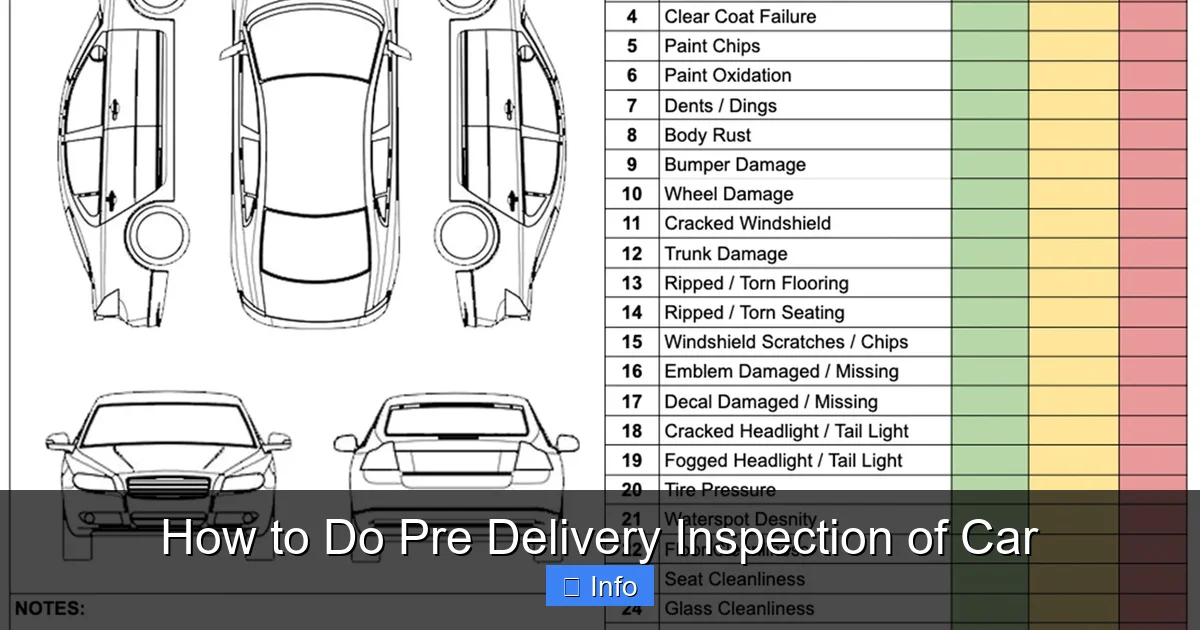
Now, move inside the car. The interior is where you’ll spend most of your time, so it needs to be spotless and functional. Start by sitting in the driver’s seat and getting familiar with the controls.
Visual guide about How to Do Pre Delivery Inspection of Car
Image source: i.etsystatic.com
Seats and Upholstery
Check the seats for any stains, tears, or excessive wear. Test all the adjustments—seat height, lumbar support, and heating/cooling if equipped. Look for signs of fading from sunlight. If the car has leather seats, be extra careful for cracks. For cleaning tips, especially if you notice odors, you might find our article on how to get smell out of leather car seats helpful. But during PDI, just document any issues.
Dashboard and Electronics
Turn on the ignition and test every electronic feature. This includes the infotainment system, AC, heater, power windows, and locks. Make sure the dashboard lights up without warnings. Check the odometer—it should have low mileage for a new car. If there’s a strange smell or functionality problems, note them. Electronics can be tricky, so it’s best to ensure everything works perfectly now.
Cargo Area
Don’t forget the trunk or cargo space. Open it and look for any damage, rust, or moisture. Test the spare tire and tools—make sure they’re present and in good condition. A clean cargo area is important for storing items safely. If you ever need to clean up spills, our guide on how to clean milkshake out of car could be useful later, but for now, just inspect.
Mechanical Inspection
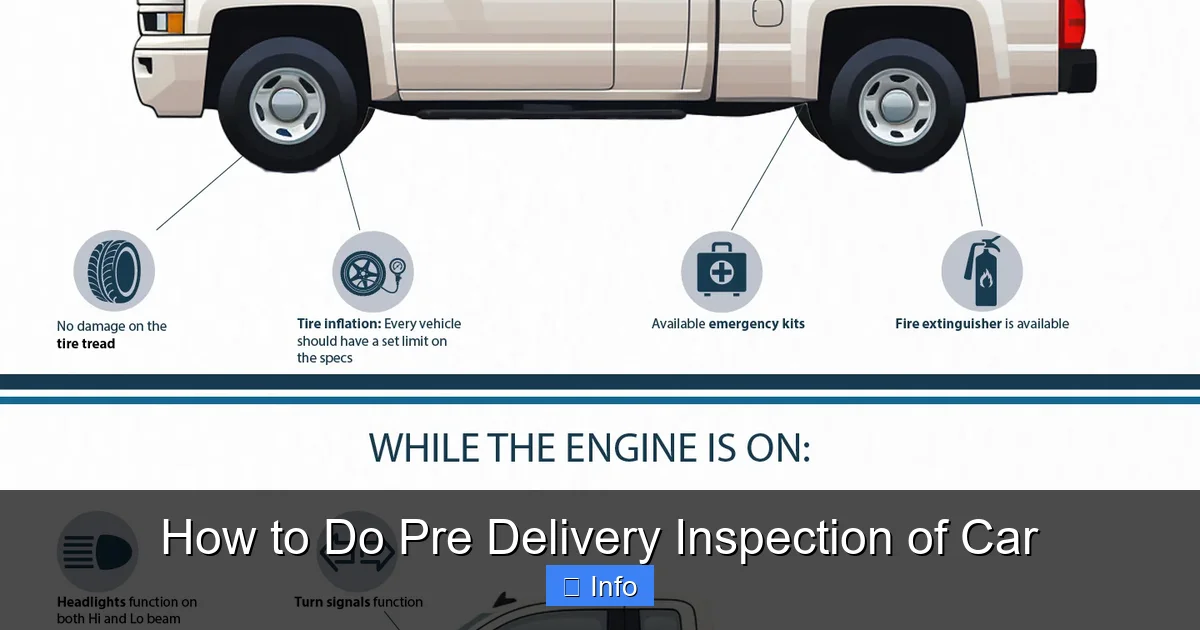
This is where you check under the hood and beneath the car. If you’re not comfortable doing this yourself, ask the dealership to assist. It’s about ensuring the mechanical parts are in top shape.
Visual guide about How to Do Pre Delivery Inspection of Car
Image source: summitfleet.com
Engine Bay
Open the hood and look for any leaks, cracks, or loose parts. Check the fluid levels—oil, coolant, brake fluid, and windshield washer. They should be at the proper marks. Look for signs of corrosion or dirt that might indicate poor maintenance. If you’re unsure, a quick test drive can help. For example, listen for any unusual noises when starting the engine. If you suspect issues with the radiator, you can refer to our article on how to clean the car radiator for future care, but during PDI, focus on inspection.
Undercarriage
If possible, inspect the undercarriage for rust or damage from road debris. This is especially important if the car has been driven on rough roads. Look for any fluid leaks that could indicate problems with the transmission or brakes. A clean undercarriage suggests good maintenance. If you need to work under the car, ensure you have a safe setup, like knowing how to work under a car without a lift for future reference.
Test Drive
Finally, take the car for a short drive. Pay attention to how it handles, brakes, and accelerates. Listen for any odd sounds, like squeaks or rattles. Test the brakes gently to ensure they respond well. A smooth test drive is a good sign, but if anything feels off, report it. This is your chance to experience the car’s performance firsthand.
Documentation Review
After the physical checks, it’s time to review the paperwork. This ensures everything is in order before you sign.
Paperwork Checklist
Gather all documents: the sales contract, title, warranty information, and service records. Verify that the VIN on the car matches the paperwork. Check for any discrepancies in the agreed-upon features or price. If something doesn’t add up, clarify it now. A complete documentation package protects your investment.
Warranty and Service Records
Understand the warranty terms—what’s covered and for how long. Ask for a copy of the service history if it’s a used car. For new cars, ensure the manufacturer’s warranty is active. This gives you confidence that any future issues will be handled. Keep all records organized for future reference.
Final Steps
You’re almost done with the PDI. Now, it’s time to wrap up and take action.
Reporting Issues
If you found any problems, discuss them with the dealership calmly. Most dealerships are willing to fix issues before delivery. Get everything in writing, including repairs or replacements. Don’t rush—take your time to ensure you’re happy with the car. Remember, a little caution now saves trouble later.
Enjoying Your New Car
Once everything checks out, you can relax and enjoy your new ride. Drive safely and take it easy for the first few miles. The PDI process might seem lengthy, but it’s worth it for a worry-free experience. Congratulations on your new car!
Conclusion
Performing a pre-delivery inspection is a smart move for any car buyer. By following these steps, you can catch potential issues early and ensure your vehicle is in excellent condition. From exterior checks to mechanical tests, each part plays a role in giving you confidence. So, before you drive off, make PDI a priority. It’s a simple process that leads to a happier, safer journey ahead.
Frequently Asked Questions
What is included in a pre-delivery inspection?
A pre-delivery inspection typically includes a thorough check of the car’s exterior, interior, and mechanical systems. This covers paint condition, tire health, electronic features, engine performance, and documentation review to ensure everything is in order.
How long does a pre-delivery inspection take?
The duration of a PDI can vary, but it usually takes between one to two hours for a comprehensive check. Factors like the car’s condition and your familiarity with vehicles can affect the time needed. It’s best to allocate enough time to avoid rushing.
Can I do the inspection myself?
Yes, you can perform the inspection yourself, and it’s recommended to be involved in the process. However, if you’re unsure about mechanical aspects, consider bringing a friend or asking the dealership for assistance to ensure nothing is missed.
What should I do if I find issues during the PDI?
If you discover any problems, document them with photos and discuss them with the dealership immediately. Most dealerships will agree to fix issues before delivery. Ensure all repairs are confirmed in writing to avoid misunderstandings later.
Is there a checklist for pre-delivery inspection?
Yes, using a checklist can be very helpful. You can find templates online or create your own based on common inspection points. A structured list helps ensure you cover all areas, from tires to electronics, without forgetting anything important.
Why is pre-delivery inspection important?
The PDI is crucial because it allows you to verify the car’s condition before taking ownership. It helps identify defects, safety issues, or missing features early, enabling you to address them with the dealership. This process provides peace of mind and protects your investment in the vehicle.


