I Want to Give My Car on Rent to Company

If you’re thinking “I want to give my car on rent to company,” this guide walks you through every step—from assessing your vehicle’s condition to signing a solid rental agreement. Discover how to protect your investment, set fair rates, and avoid common pitfalls so you can earn extra income with confidence.
Key Takeaways
- Assess your car’s condition: Perform a thorough inspection, note any existing damage, and consider repairs or detailing before handing over the keys.
- Choose the right rental partner: Look for reputable companies with clear terms, good reviews, and transparent payment processes.
- Understand insurance and liability: Verify what coverage the company provides and whether you need supplemental protection for your vehicle.
- Set a competitive rate: Research local market rates, factor in mileage limits, and adjust for seasonality or vehicle type to maximize earnings.
- Document everything: Keep photos, maintenance records, and a signed agreement to avoid disputes and simplify any claims process.
- Plan for maintenance: Schedule regular check‑ups and know how to address minor issues like scratches or paint chips using trusted products.
- Stay compliant: Ensure your registration, licensing, and any local regulations for commercial vehicle use are up to date.
📑 Table of Contents
- Introduction: Why Renting Your Car to a Company Makes Sense
- 1. Evaluating Your Vehicle’s Readiness
- 2. Finding the Right Rental Company
- 3. Crafting a Solid Rental Agreement
- 4. Setting the Right Rental Price
- 5. Managing Ongoing Responsibilities
- 6. Protecting Yourself Legally and Financially
- Conclusion: Turning Idle Time into Income
Introduction: Why Renting Your Car to a Company Makes Sense
Many car owners find themselves with a vehicle that sits idle for long periods, whether due to remote work, travel, or simply having more than one car. If you’ve ever thought, “I want to give my car on rent to company,” you’re not alone. Renting your car to a reputable company can turn an underused asset into a steady stream of extra income while keeping the vehicle in regular use.
However, the process isn’t as simple as handing over the keys and waiting for a check. You need to protect your investment, understand the legal and insurance implications, and prepare the car so it meets the company’s standards. This guide walks you through each step, offering practical tips, examples, and resources to help you succeed.
By the end of this article, you’ll know exactly how to evaluate your car, choose the right rental partner, set a fair price, and manage ongoing responsibilities—all while minimizing risk and maximizing profit.
1. Evaluating Your Vehicle’s Readiness
Before you even contact a rental company, take a hard look at your car’s condition. The phrase “I want to give my car on rent to company” should start with a realistic assessment.

Visual guide about I Want to Give My Car on Rent to Company
Image source: jrdmotors.com
Conduct a Thorough Inspection
Walk around the vehicle and note any dents, scratches, interior wear, or mechanical issues. Take clear photos from multiple angles—these will serve as your baseline if any disputes arise later. If you spot minor cosmetic flaws, you might consider using the best product to cover scratches on car to improve appearance before the rental period.
Check Mechanical Health
Ensure the engine, brakes, tires, and fluid levels are in good shape. A quick visit to a trusted mechanic for a pre‑rental inspection can save you headaches later. If you’re unsure about any warning lights, resources like why is my oil light on when I have oil can help you diagnose common issues.
Consider Detailing and Minor Repairs
A clean, well‑maintained car makes a better impression and can justify a higher rental rate. Invest in a professional detailing service or do it yourself, paying special attention to the interior upholstery, dashboard, and windows. Address any small paint chips or cracks; knowing how to fix cracked paint on car can be handy for touch‑ups.
2. Finding the Right Rental Company
Not all rental partners are created equal. When you think “I want to give my car on rent to company,” you need to vet potential companies carefully.
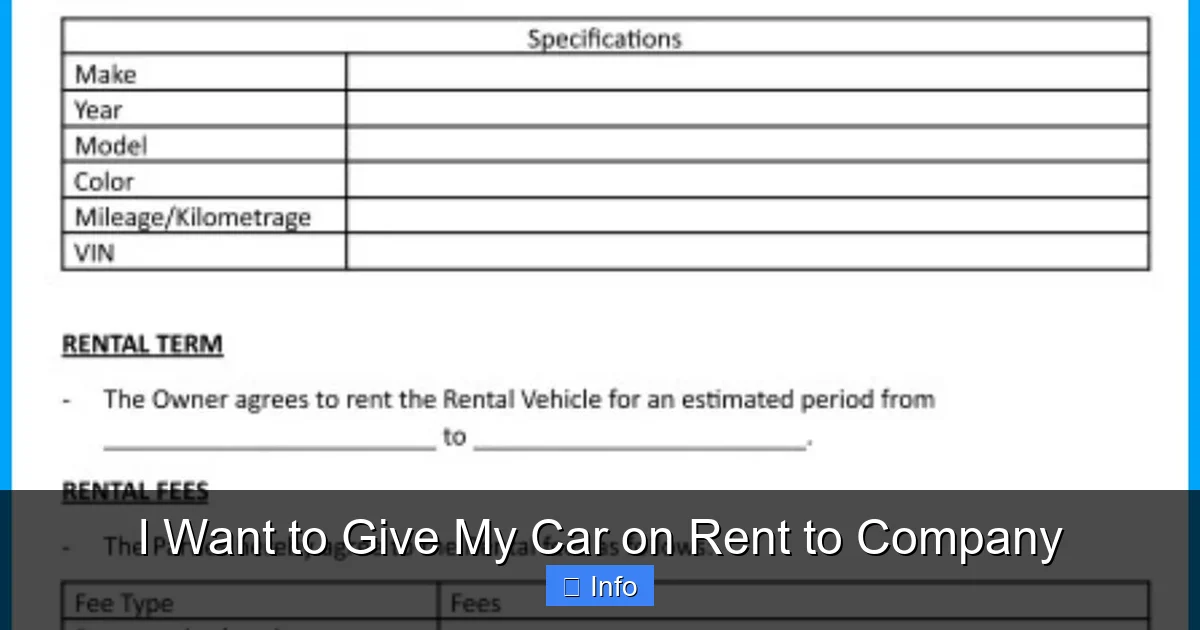
Visual guide about I Want to Give My Car on Rent to Company
Image source: signaturely.com
Research Reputation and Reviews
Look for companies with strong online reviews, transparent terms, and a history of timely payments. Platforms like Google Reviews, Trustpilot, or industry‑specific forums can give you insight into other owners’ experiences.
Understand the Business Model
Some companies operate as peer‑to‑peer car‑sharing platforms, while others work with corporate fleets or long‑term leases. Determine which model aligns with your goals—do you want short‑term gigs, monthly contracts, or something in between?
Compare Payment Structures
Ask about payment frequency (weekly, monthly, per‑mile), any fees or commissions, and whether they cover fuel, cleaning, or maintenance. A clear, written breakdown helps you calculate your net earnings accurately.
Verify Insurance Coverage
Most reputable companies provide liability coverage while the vehicle is in their possession, but the extent varies. Confirm what is included and whether you need to supplement with your own policy. This is a critical point when you’re thinking “I want to give my car on rent to company.”
3. Crafting a Solid Rental Agreement
A well‑written contract protects both you and the rental company. Never rely on a verbal promise; always get everything in writing.
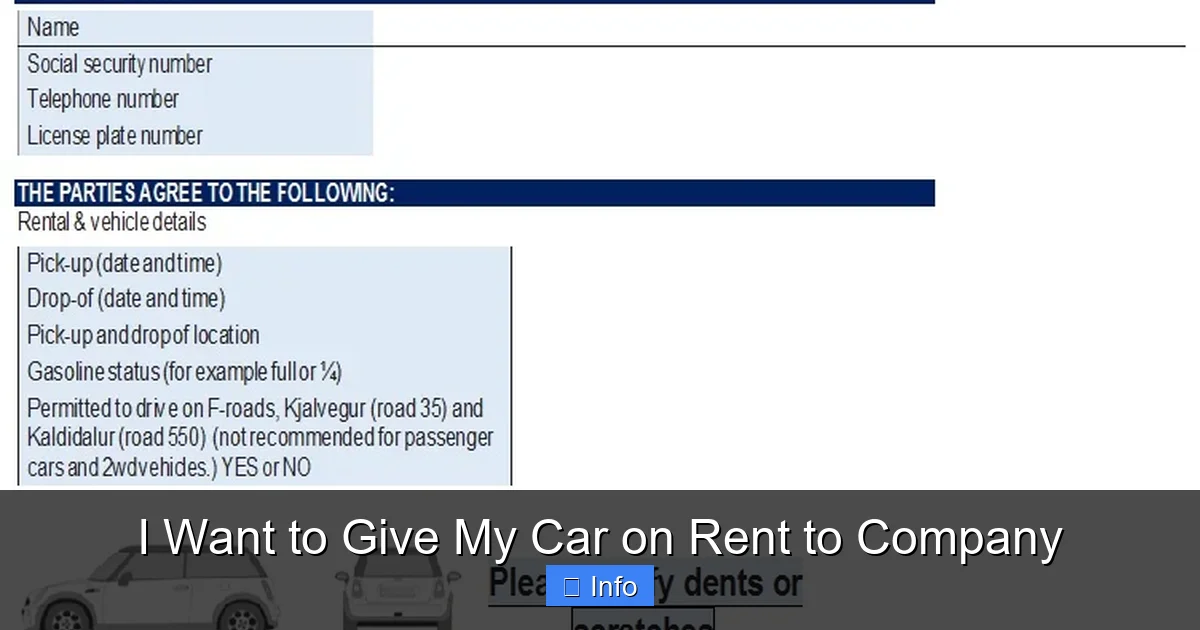
Visual guide about I Want to Give My Car on Rent to Company
Image source: freereporttemplate.com
Key Clauses to Include
- Vehicle Description: Make, model, year, VIN, mileage at handover, and any existing damage noted in an attachment.
- Term and Renewal: Start date, end date, and conditions for automatic renewal or early termination.
- Payment Terms: Rate (daily, weekly, monthly), mileage allowance, over‑mileage charges, and payment schedule.
- Insurance and Liability: Specify which party covers what, deductible amounts, and procedures for filing claims.
- Maintenance Responsibilities: Outline who handles routine service, tire rotations, and unexpected repairs.
- Return Condition: Define acceptable wear and tear, and detail the inspection process at return.
- Dispute Resolution: State whether disagreements will be handled via mediation, arbitration, or small claims court.
Use a Template or Legal Help
Many online platforms offer rental agreement templates tailored to car sharing. If you have a high‑value vehicle or complex terms, consider consulting an attorney to review the document before signing.
4. Setting the Right Rental Price
Pricing too low leaves money on the table; pricing too high can deter potential renters. When you think “I want to give my car on rent to company,” pricing strategy is essential.
Research Local Market Rates
Check what similar vehicles are earning on peer‑to‑peer platforms or through local fleet companies. Factor in your car’s age, mileage, fuel efficiency, and any premium features (like leather seats or advanced safety tech).
Adjust for Seasonality and Demand
Rates often rise during holidays, summer travel seasons, or major local events. You might offer a base rate with peak‑season surcharges to maximize income without scaring off renters during slower periods.
Consider Mileage Limits
Many companies set a daily or monthly mileage cap. Decide whether you’ll offer unlimited miles (usually at a higher rate) or a limited plan with per‑mile fees for excess use. This protects you from excessive wear and tear.
Factor in Your Costs
Include depreciation, insurance, maintenance, and any fees you pay to the rental company when calculating your net profit. A simple spreadsheet can help you see the break‑even point and adjust your rate accordingly.
5. Managing Ongoing Responsibilities
Even after the contract is signed, your role doesn’t end. Active management ensures a smooth experience and protects your asset.
Schedule Regular Check‑Ins
Arrange for periodic inspections—perhaps every month or after a certain number of miles—to catch issues early. Use these visits to verify tire pressure, fluid levels, and overall cleanliness.
Keep Detailed Records
Maintain a log of all maintenance, repairs, cleaning, and any incidents. This documentation is invaluable if you need to file an insurance claim or demonstrate proper care to the rental company.
Address Minor Issues Promptly
If you notice a scratch, a small dent, or a warning light, act quickly. Knowing how to check for hail damage on car helps you document any weather‑related damage before it worsens. For paint concerns, refer back to how to fix cracked paint on car for quick touch‑ups.
Communicate with the Rental Company
Stay in touch with your point of contact. Promptly report any problems the renter reports, and ask for feedback on the vehicle’s performance. Good communication builds trust and can lead to longer‑term contracts or referrals.
6. Protecting Yourself Legally and Financially
Renting out a car introduces certain risks. Mitigating them is a key part of the process when you’re thinking “I want to give my car on rent to company.”
Review Your Personal Auto Insurance
Some personal policies exclude commercial use or peer‑to‑peer rentals. Contact your insurer to confirm coverage or purchase a supplemental ride‑sharing or rental endorsement.
Consider an LLC or Separate Entity
If you plan to rent multiple vehicles or treat this as a serious side business, forming a limited liability company (LLC) can protect your personal assets from liability claims.
Understand Tax Implications
Rental income is taxable. Keep track of earnings and deductible expenses (depreciation, maintenance, insurance, platform fees) to simplify your tax filing. Consulting a tax professional can help you maximize deductions.
Plan for Exit Strategies
Decide what you’ll do if you want to stop renting the car—sell it, keep it for personal use, or transfer it to another rental arrangement. Having a clear exit plan prevents last‑minute scrambles.
Conclusion: Turning Idle Time into Income
If you’ve been thinking “I want to give my car on rent to company,” you now have a roadmap to move from idea to action. By thoroughly evaluating your vehicle, choosing a reputable partner, drafting a solid agreement, setting a fair price, managing ongoing responsibilities, and protecting yourself legally and financially, you can turn an underused asset into a reliable source of extra income.
Remember, success lies in preparation and communication. Keep your car in great shape, stay transparent with the rental company, and treat the arrangement as a business partnership. With diligence and the right approach, you’ll not only earn money but also gain peace of mind knowing your vehicle is well cared for and generating value even when you’re not behind the wheel.
Frequently Asked Questions
What type of insurance do I need when I give my car on rent to a company?
Most rental companies provide liability coverage while the vehicle is in their possession, but you should verify the limits and whether collision or comprehensive coverage is included. Check your personal auto policy for any exclusions related to commercial use, and consider adding a ride‑sharing or rental endorsement if needed.
How can I determine a fair rental rate for my car?
Research similar vehicles in your area on peer‑to‑peer platforms or through local fleet companies, factoring in age, mileage, fuel efficiency, and any premium features. Adjust for seasonality, set mileage limits, and subtract your own costs (depreciation, maintenance, insurance) to arrive at a net‑profit‑friendly rate.
What should I include in the vehicle handover inspection?
Document the car’s exterior (photos of all sides, roof, and wheels), interior (seats, dashboard, carpet), and mechanical condition (fluid levels, tire tread, battery). Note any existing damage, scratches, or wear, and have both parties sign an inspection form to avoid disputes later.
Can I rent out a car that still has a loan or lease on it?
It depends on your lender or leasing company’s policies. Many financiers prohibit subleasing or renting out the vehicle without explicit permission. Review your loan or lease agreement and obtain written consent before proceeding with any rental arrangement.
How often should I perform maintenance on a rented car?
Follow the manufacturer’s recommended service intervals, but consider checking the vehicle more frequently—perhaps every 1,000 miles or monthly—especially if it sees high usage. Regular oil changes, tire rotations, and brake inspections help keep the car in good condition and protect your investment.
What happens if the renter gets into an accident?
Report the incident to the rental company and your insurer immediately. The company’s liability coverage should handle third‑party claims, but you may need to file a claim under your own policy for damage to your vehicle, depending on the coverage terms. Having a clear agreement and detailed records simplifies the process.