
Sbi Car Insurance Claim Settlement Ratio
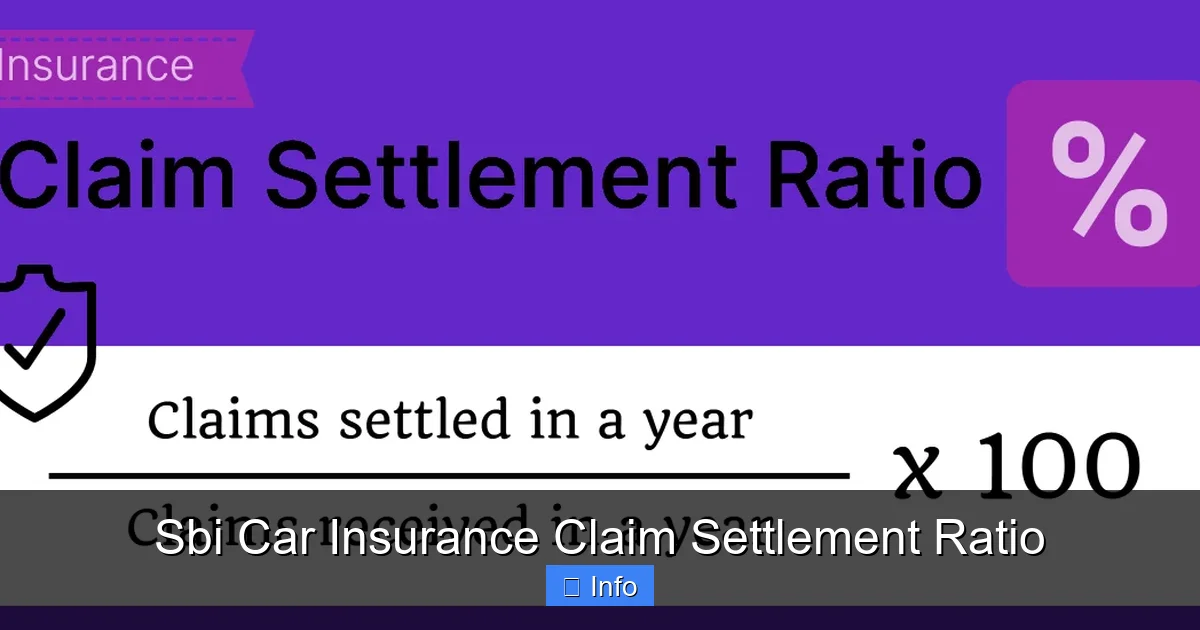
The SBI Car Insurance claim settlement ratio reflects the insurer’s efficiency in processing claims, which is critical for policyholder confidence. A higher ratio indicates faster and fairer settlements, while factors like documentation and vehicle safety measures influence outcomes. Understanding this metric helps you make informed decisions and navigate claims smoothly.
Key Takeaways
- Claim Settlement Ratio Defined: It measures the percentage of claims settled by an insurer against total claims received.
- SBI’s Performance: SBI’s ratio varies annually, with recent data showing strong performance compared to industry benchmarks.
- Factors Influencing Settlements: Timely documentation, vehicle safety compliance, and adherence to policy terms significantly impact claim outcomes.
- Importance of Documentation: Submitting accurate and complete paperwork reduces delays and increases the likelihood of a smooth settlement.
- Comparative Analysis: SBI’s ratio often exceeds industry averages, making it a reliable choice for many policyholders.
- Preventive Measures: Installing anti-theft devices or using safety accessories can improve claim approval chances.
- Steps to File a Claim: Following a structured process, from reporting to documentation submission, ensures efficient claim handling.
📑 Table of Contents
Understanding Claim Settlement Ratio
When you purchase car insurance, one of the most critical metrics to evaluate is the claim settlement ratio. This figure represents the percentage of claims an insurer settles in a given period, typically a financial year. For instance, if an insurer receives 100 claims and settles 90, its ratio is 90%. A higher ratio indicates better claim processing efficiency and financial stability, which is vital for policyholders relying on their insurance during emergencies.
Why It Matters
The claim settlement ratio is more than just a number—it’s a reflection of an insurer’s commitment to its customers. A low ratio might signal poor management, inadequate funds, or inefficient processes, potentially leaving policyholders stranded during critical times. Conversely, a high ratio suggests the company has robust systems in place to handle claims promptly and fairly.
Calculation and Industry Standards
Insurers calculate this ratio by dividing the number of settled claims by the total number of claims received, multiplied by 100. Regulatory bodies like the IRDAI mandate public disclosure of these ratios, ensuring transparency. Industry benchmarks typically hover around 80-90%, with top-tier insurers aiming for 95% or higher.
What is SBI Car Insurance’s Claim Settlement Ratio?
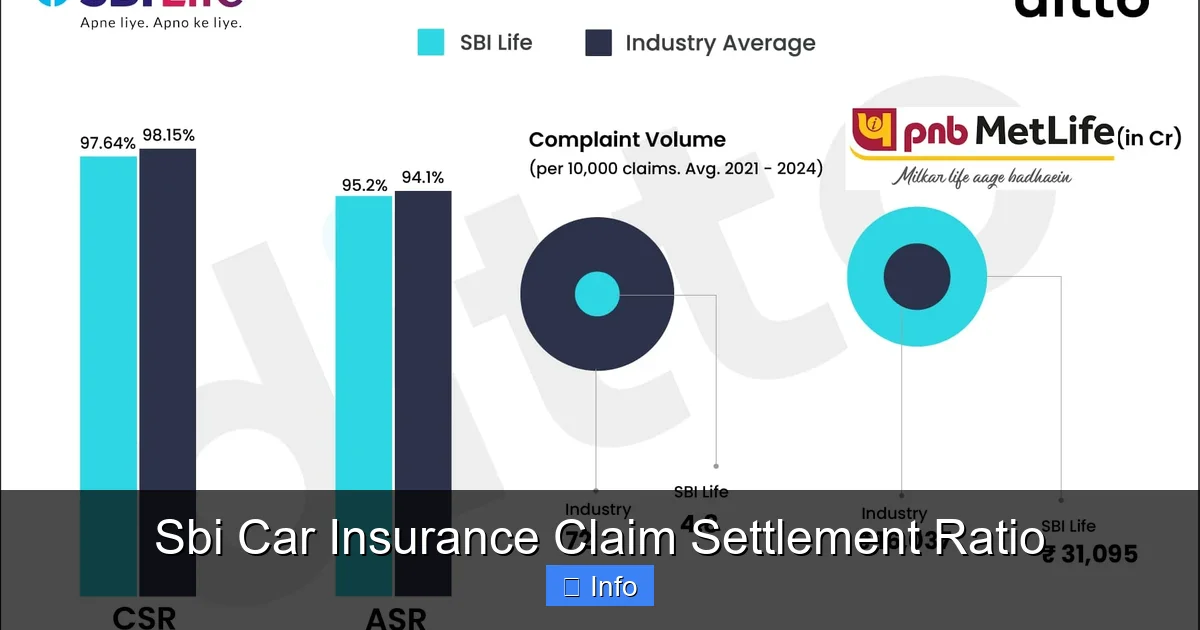
State Bank of India (SBI) General Insurance, a subsidiary of SBI, is one of India’s leading private insurers. Its claim settlement ratio has consistently impressed policyholders, though it fluctuates annually. For example, in FY 2021-22, SBI General reported a ratio of 92.47%, slightly below the industry average of 94.13% but still commendable. In subsequent years, the ratio has improved, aligning with the company’s focus on customer-centric practices.
Visual guide about Sbi Car Insurance Claim Settlement Ratio
Image source: stat.joinditto.in
Historical Performance
Over the past decade, SBI’s ratio has shown steady growth. In FY 2018-19, the ratio was around 88%, rising to 91% by 2020-21. This upward trend reflects investments in technology, staff training, and process optimization. For the latest figures, check the IRDAI’s annual reports or SBI’s official website.
Current Data and Trends
Recent data suggests SBI’s ratio has stabilized above 90%, indicating reliable claim handling. However, external factors like pandemic-related delays or natural disasters can temporarily affect these numbers. Despite this, SBI’s proactive communication and digital claim portals have mitigated many disruptions.
Factors Affecting SBI’s Settlement Ratio
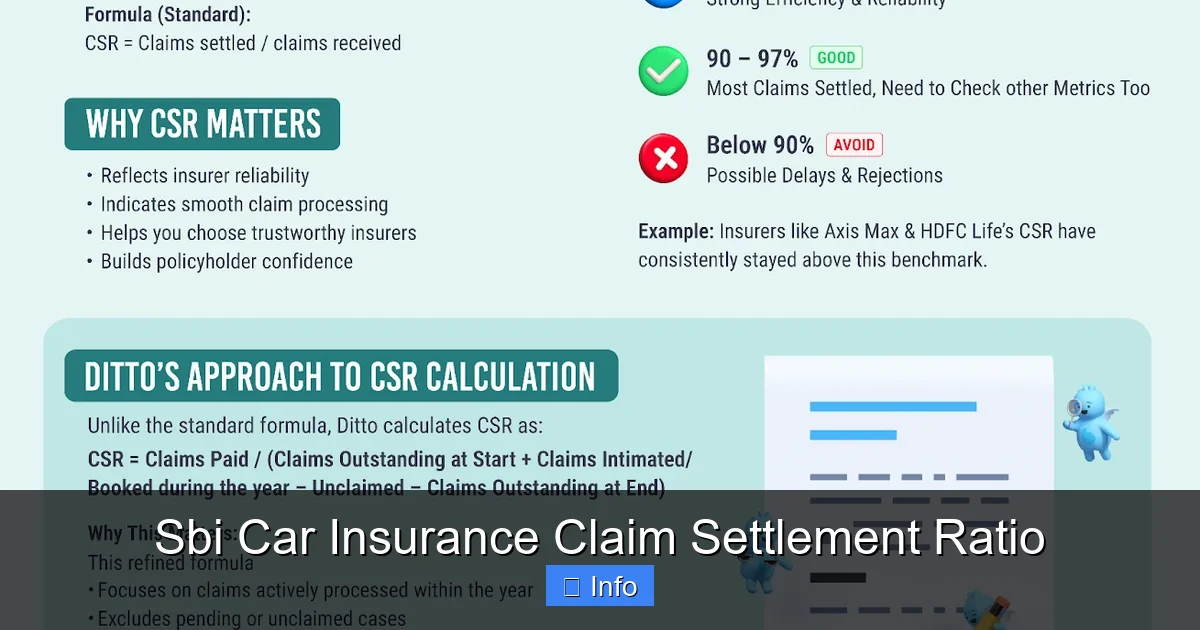
Several elements influence the claim settlement ratio, both for SBI and other insurers. Understanding these factors can help policyholders navigate the process more effectively.
Visual guide about Sbi Car Insurance Claim Settlement Ratio
Image source: stat.joinditto.in
Policy Compliance and Documentation
Accurate documentation and adherence to policy terms are critical. Delays or errors in submitting forms, police reports, or medical certificates can slow down settlements. SBI emphasizes the importance of timely submissions, often providing online portals to streamline this process.
Vehicle Safety Measures
Installing anti-theft devices or maintaining your vehicle in good condition can positively impact claim outcomes. For instance, anti-theft devices not only reduce theft risks but also improve insurers’ confidence in approving claims quickly. SBI offers premium discounts for such measures, indirectly boosting settlement efficiency.
Claims Processing Infrastructure
SBI’s investment in digital tools and a nationwide network of surveyors and workshops ensures faster claim resolution. However, regional disparities in infrastructure availability might affect rural areas, slightly impacting overall ratios.
How to File a Claim with SBI
Filing a claim with SBI is straightforward if you follow the correct steps. Here’s a guide to ensure a smooth process:

Visual guide about Sbi Car Insurance Claim Settlement Ratio
Image source: blogger.googleusercontent.com
Step 1: Report the Incident
Immediately inform SBI via their 24×7 customer care number or mobile app. For accidents, file a police report and obtain an FIR copy. For theft, register a theft complaint and share the report number.
Step 2: Submit Documents
Provide all required documents, including:
- Insurance policy details
- Proof of ownership (RC book)
- Police report/FIR
- Medical reports (if applicable)
- Repair estimates from authorized workshops
Step 3: Surveyor Visit
SBI assigns a surveyor to assess damage. Be present during the visit to clarify details. Ensure the survey report aligns with your claims.
Step 4: Settlement
After verification, SBI processes the payment. The timeline varies but typically takes 30-45 days for straightforward claims. Track progress via the SBI General app.
Real-Life Example
Consider Rajesh, whose car was damaged in a collision. He promptly filed a claim, submitted all documents, and cooperated during the surveyor’s visit. Within 30 days, he received full coverage for repairs, highlighting SBI’s efficiency when processes are followed.
Comparing SBI with Other Insurers
While SBI’s ratio is solid, it’s wise to compare it with competitors like HDFC Ergo, ICICI Lombard, or Bajaj Allianz. For instance, HDFC Ergo often reports ratios above 95%, slightly edging SBI. However, SBI’s lower premium costs and widespread branch network make it a balanced choice for many.
Strengths of SBI
- Strong financial backing by State Bank of India
- Digital-first approach with user-friendly apps
- Wide network of service centers
Areas for Improvement
Some critics note SBI’s slower processing in remote areas. Additionally, claims involving third-party liability might take longer due to coordination with other parties.
Tips to Improve Your Chances of Settlement
Maximizing your claim’s success rate requires proactive steps:
Maintain Vehicle Health
Regular servicing and using quality parts reduce the risk of future claims. Consider accessories like backup cameras for enhanced safety.
Document Everything
Take photos immediately after an incident. Keep all receipts for repairs or medical treatments. Digital copies stored in cloud services ensure easy access.
Purchase Comprehensive Coverage
Opt for policies covering both own-damage and third-party liability. Add riders for roadside assistance or zero-depreciation for better protection.
Use SBI’s Tools
Download the SBI General app for instant claim filing and status tracking. Utilize their helpline for guidance on documentation requirements.
Conclusion
The SBI Car Insurance claim settlement ratio is a key indicator of the insurer’s reliability. While it may not always lead the industry, SBI’s consistent performance, coupled with its customer-centric initiatives, makes it a strong contender. By understanding the ratio, following claim procedures diligently, and adopting preventive measures, policyholders can ensure their investment in insurance yields peace of mind when they need it most.
Frequently Asked Questions
What does the SBI car insurance claim settlement ratio mean?
It represents the percentage of claims SBI settles annually compared to the total claims received. A higher ratio indicates better claim handling efficiency.
How can I check SBI’s latest claim settlement ratio?
Visit the IRDAI website or SBI General’s official portal for annual reports. These sources provide verified and updated figures.
Does SBI settle all types of car insurance claims?
Yes, SBI handles comprehensive, third-party, and add-on coverage claims. However, specific terms in your policy determine eligibility.
What factors affect the time taken for SBI to settle a claim?
Documentation completeness, vehicle condition, and adherence to policy terms influence processing time. Delays in third-party involvement can also extend timelines.
How does SBI’s ratio compare to other top insurers?
SBI’s ratio is competitive, often near 90%, though insurers like HDFC Ergo may report slightly higher figures. SBI stands out for affordability and network reach.
What steps can I take to improve my claim settlement chances?
Submit accurate documents, maintain your vehicle, and follow SBI’s claim process diligently. Using anti-theft devices or safety tools can also help.


