Car Parking Rent in Apartment Near Me
Finding car parking rent in apartment near me doesn’t have to be overwhelming. This article explains everything from cost factors to negotiation tactics, helping you secure a spot without stress. Read on to make a smart, budget-friendly choice today.
Searching for car parking rent in apartment near me can feel like navigating a maze of hidden fees and unclear rules. If you’ve ever stared at a lease clause asking for “monthly parking” and wondered if the rate is fair, you’re not alone. Many residents face this exact dilemma, especially in urban complexes where space is at a premium. The good news is that with the right information, you can cut through the confusion and find a spot that fits both your vehicle and your budget. In this guide, we’ll walk you through exactly what influences parking costs, how to evaluate your options, and practical tips to negotiate the best deal. Whether you’re a new tenant or looking to renegotiate your current terms, you’ll find actionable advice right here.
Key Takeaways
- Location matters: Parking rent varies significantly based on proximity to entrances, elevators, and building security.
- Lease terms affect costs: Some apartments bundle parking into maintenance fees, while others charge monthly separately.
- Space type impacts price: Covered, open, and underground spots carry different rent rates in the same complex.
- Negotiation is possible: Many residents successfully lower their rate by committing to a longer lease or referencing competitor offers.
- Legal rights matter: Check your lease for usage restrictions, guest policies, and responsibility for damages.
- Explore alternatives: Street parking, nearby public lots, or carpooling can reduce expenses if assigned parking is too costly.
- Check for hidden fees: Administrative fees, key deposits, or monthly utility charges can add to the base rent.
📑 Table of Contents
Factors That Influence Car Parking Rent in Apartments
When you start looking for car parking rent in apartment near me, the first thing you’ll notice is that prices vary wildly even within the same building. Several factors drive these differences, and understanding them puts you in a stronger position during negotiations.
Location Within the Complex
The most obvious factor is where your spot sits. Spots right next to the main entrance, elevator banks, or security booths typically command a premium because of the convenience. A spot on the top floor or in a remote corner of the lot is usually cheaper. If you own a larger vehicle or an SUV, you might also find that certain spots accommodate bigger cars better, which can affect availability and price.
Type of Parking Space
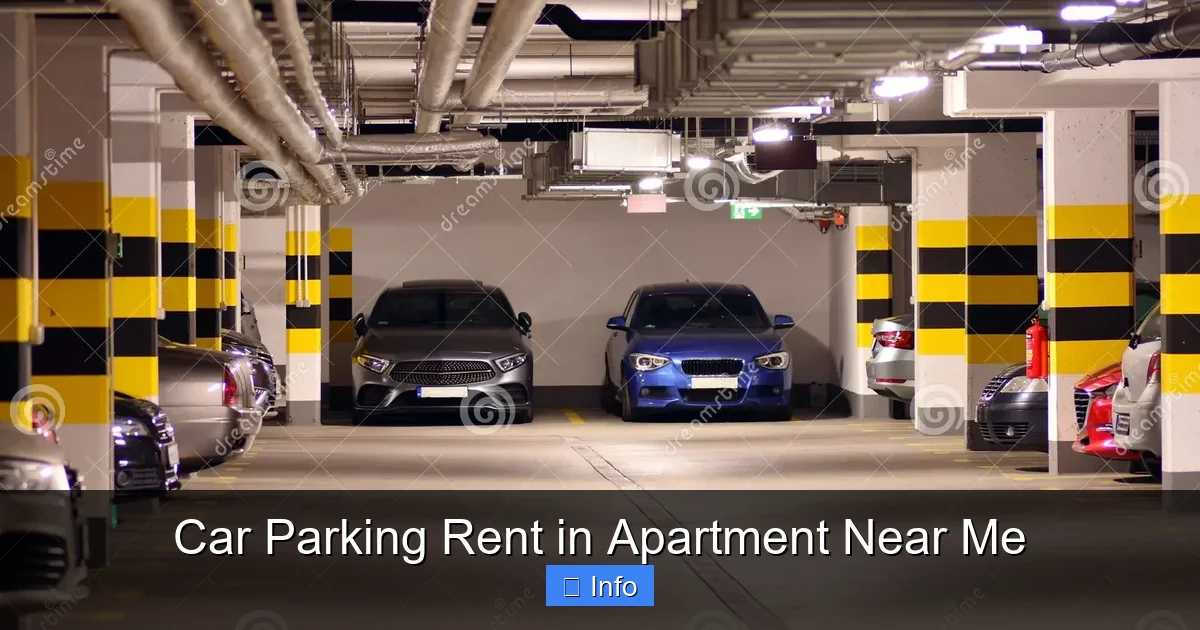
Not all parking spots are created equal. Open-air parking is the most affordable, often costing 20-30% less than covered or underground options. Covered spots protect your vehicle from sun, rain, and bird droppings, which many residents find worth the extra monthly fee. Underground or basement parking usually carries the highest rent, but it offers the best security and climate protection. Some apartments even offer valet-style or gated access, which further influences the cost.
Understanding Your Lease Agreement
Before you sign anything or commit to a new rate, take a close look at your lease. The document should clearly state how much you pay for parking, what amenities are included, and any rules you must follow. Unfortunately, many people overlook this section until they receive their first bill.
What to Look For
Check whether parking is listed as a separate line item or bundled into your monthly maintenance fee. If it’s bundled, you might not have much room to negotiate the individual cost, but you can ask what services that fee covers. Look for clauses about guest parking, visitor restrictions, and what happens if you have multiple vehicles. Some leases limit you to one spot per household, while others allow additional spots for an extra charge.
Hidden Costs and Fees
Beyond the base rent, ask about administrative fees, key fobs, or security deposits. Some buildings charge a one-time key deposit that’s refundable, while others add a monthly “parking maintenance” fee that covers lighting, cleaning, or gate repairs. These can add 10-15% to your actual out-of-pocket cost, so always factor them into your budget.
How to Find Available Parking Near Your Apartment
Finding the right spot starts with knowing where to look. While some apartments assign parking automatically, others leave it up to tenants to locate and pay for a space.
Online Platforms and Community Boards
Many residential complexes use tenant portals or apps where you can request or browse available parking. Check your building’s website, Facebook group, or management office notice board. These platforms often list open spots, current rates, and contact information for the property manager. If your building doesn’t have an online system, a simple conversation with the front desk can reveal waitlists or upcoming vacancies.
Talking to Property Management
Don’t underestimate the power of a direct conversation. Property managers often have insight into upcoming moves, lease expirations, or underutilized spots that aren’t yet advertised. When you speak with them, be polite, express your interest in a long-term commitment, and ask about any move-in specials they might be offering for parking.
Cost Breakdown: Monthly vs Daily Rates
Understanding how parking is billed helps you compare options and avoid surprise charges. Most apartments offer monthly contracts, but daily or weekly rates might be available for short-term visitors or flexible tenants.
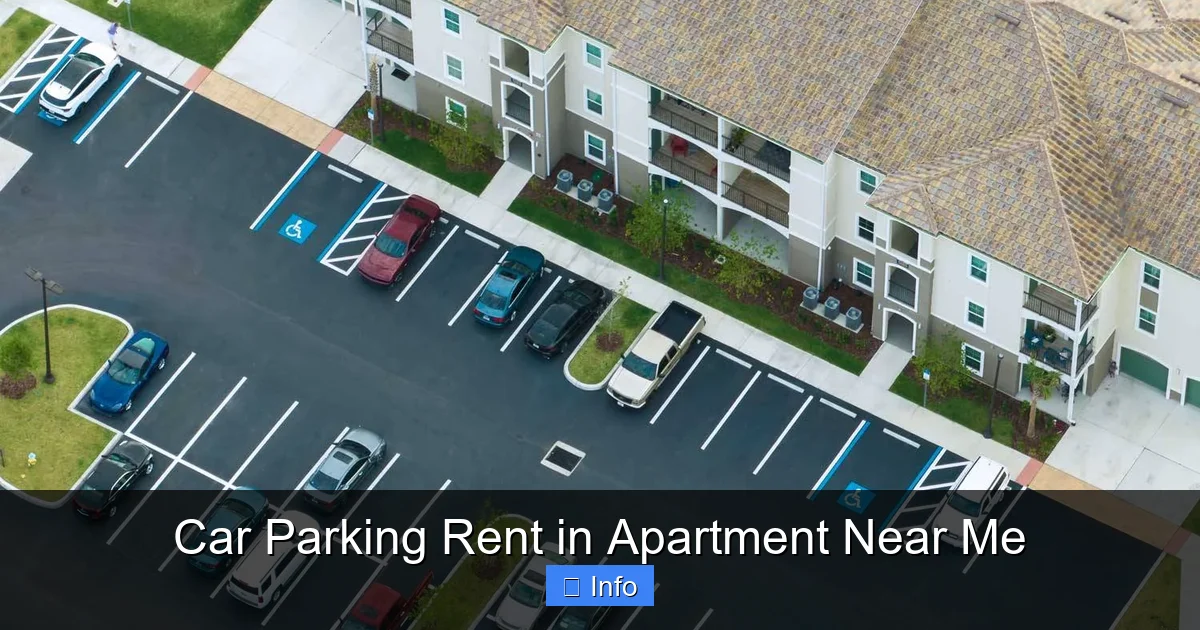
Visual guide about Car Parking Rent in Apartment Near Me
Image source: blackbirdpavement.com
Typical Price Ranges
In Indian cities, monthly car parking rent in apartment near me can range from ₹1,000 to ₹5,000 depending on the city, location, and space type. Metro cities like Mumbai or Bangalore often see higher rates, especially for underground or covered spots. Tier-2 cities might offer similar spaces for ₹500 to ₹2,000. Always ask whether the quoted price includes electricity, maintenance, or security charges, or if those are billed separately.
Additional Charges to Expect
Some buildings charge a one-time registration fee when you first claim a spot. Others have a monthly “sinking fund” for repairs or a proportional share of the building’s security system. If you’re renting a spot in a commercial-cum-residential complex, you might also pay for CCTV monitoring or gate maintenance. Request a written breakdown so you can compare apples to apples.
Negotiation Strategies That Work
Many tenants assume parking rates are fixed, but that’s rarely the case. With the right approach, you can often lower your monthly expense or secure better terms.
Leveraging Long-Term Commitment
Property managers prefer stable, long-term tenants over constant turnover. If you’re willing to sign a year-long or two-year lease for your parking spot, they may offer a discounted rate. Mentioning your commitment upfront can prompt them to run a promotion or apply a loyalty discount.
Using Market Research
Before negotiating, do a quick survey. Ask neighbors what they pay, check online forums, or look at similar complexes in the area. If you find that others pay ₹500 less for a similar spot, you have concrete data to support your request. Present this information politely and ask if they can match or beat the competing rate.
Alternatives and Smart Solutions
If assigned parking feels too expensive or inflexible, several alternatives can help you save money while still keeping your vehicle safe.
Street Parking vs Assigned Spots
Street parking is often the most budget-friendly option, but it comes with trade-offs. You’ll need to follow local traffic rules, watch for odd-even schemes, and deal with potential security risks. In some apartment complexes, residents can purchase a street parking permit at a reduced rate, which makes this a viable middle-ground option.
Carpooling and Shared Spaces
If you don’t use your car daily, consider carpooling with colleagues or family members. Some apartment complexes allow shared parking arrangements, where two households split the cost of one spot. This can slash your expense by 50% or more, and it’s an eco-friendly choice too. Just ensure the lease permits multiple vehicles per unit, and clarify who’s responsible for any damages or fines.
Conclusion
Finding the right car parking rent in apartment near me doesn’t have to be a stressful guessing game. By understanding the factors that affect price, carefully reviewing your lease, and using smart negotiation tactics, you can secure a spot that meets your needs without breaking the bank. Remember to explore alternatives like street permits or shared spaces if your building’s rates feel excessive. The key is to stay informed, ask questions, and advocate for yourself as a tenant. With the tips from this guide, you’re well-equipped to make a confident, cost-effective decision. Start your search today, and enjoy the peace of mind that comes with a parking spot you love at a price you can afford.
Frequently Asked Questions
What is the average cost of car parking rent in apartment near me?
The average cost varies by city, location within the complex, and space type, typically ranging from ₹1,000 to ₹5,000 per month in Indian metros, with tier-2 cities offering lower rates around ₹500 to ₹2,000.
Can I negotiate my parking rate with the landlord?
Yes, many residents successfully negotiate lower rates by committing to a longer lease term, referencing competitive offers from nearby complexes, or highlighting their reliability as a tenant.
Do I need to pay a deposit for apartment parking?
Some buildings require a refundable key or security deposit, while others include it in the monthly rent; always check your lease agreement to understand any upfront costs.
Is covered parking worth the extra cost?
Covered parking protects your vehicle from sun damage, rain, and dust, making it a smart investment if you live in an area with harsh weather or want to maintain your car’s exterior condition.
What happens if I have two cars?
Most apartments allow an additional parking spot for an extra monthly fee, but policies vary; check your lease or ask management about multi-vehicle arrangements and any associated restrictions.
Can I transfer my parking spot to a new apartment?
Parking rights are typically tied to the specific lease agreement, so you’ll need to discuss transfer options with your current and future property managers; some may honor the spot, while others require a new application.