A Car Has to Cover the Distance 60 Km
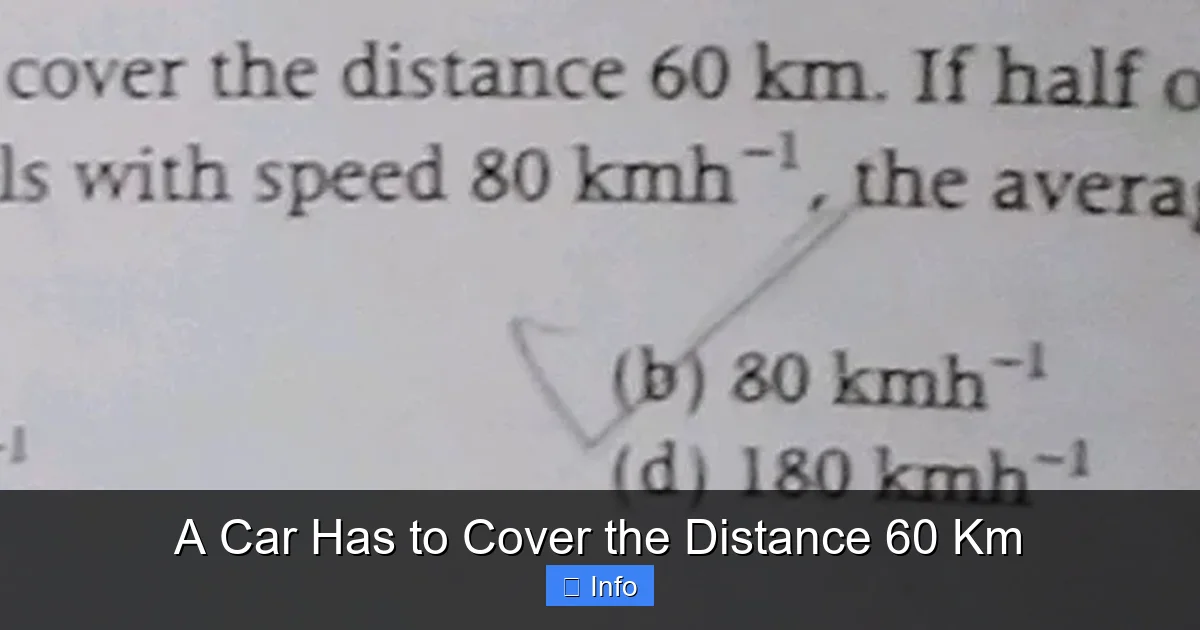
A car has to cover the distance 60 km, and the time it takes depends on speed, traffic, and road conditions. Understanding the simple math behind this journey helps you plan better, save fuel, and arrive stress‑free. In this post, we explore time calculations, fuel usage, and practical tips for every 60 km trip.
Driving is a part of daily life for millions, and sometimes we focus on just getting from point A to point B without thinking about the numbers behind the wheel. A car has to cover the distance 60 km, and while that might sound like a short trip, the variables involved—speed, traffic, fuel, and road type—make each journey unique. In this article, we’ll break down everything you need to know about this common distance, from quick math to practical tips that can save you time and money. Whether you’re commuting to work, heading out for a weekend errand, or planning a short road trip, understanding the dynamics of a 60 km journey helps you prepare better. Many drivers underestimate how much a few changes in speed or road condition can affect arrival time and fuel spend. By the end of this post, you’ll have a clear mental toolkit to handle any 60 km trip with confidence and ease. The beauty of a fixed distance like 60 km is that it offers a consistent benchmark. Unlike longer voyages where variables multiply, this distance is short enough to analyze in detail yet long enough to matter for daily planning. Let’s dive into the specifics, starting with the most basic calculation: time.
Key Takeaways
- Time is relative: At 60 km/h, a 60 km trip takes exactly one hour, but real traffic can stretch that to 90 minutes or more.
- Fuel math made easy: Most cars sip between 5 to 8 litres for this distance, but checking your model’s rating saves money.
- Speed matters: Driving at 80 km/h instead of 60 km/h shaves off 15 minutes, though fuel consumption may rise.
- Road conditions count: City streets, highways, and mountain passes each change the journey’s length and safety profile.
- Plan for the unexpected: Always keep a small fuel reserve and check weather forecasts before departure.
- Real‑world reference: The Delhi‑Taj Mahal route is roughly 60 km, making it a perfect reference for this journey.
- Safety first: Short trips still require seatbelts, mirror checks, and adherence to speed limits.
📑 Table of Contents
Calculating Travel Time for 60 km
The Basic Formula
The simplest way to estimate travel time is to divide the distance by your average speed. If a car has to cover the distance 60 km at a steady 60 km/h, the trip takes exactly one hour. That’s the beauty of the numbers—when speed matches distance in this way, the math becomes intuitive. However, real-world driving rarely stays at a single constant speed, especially in mixed conditions where stops, starts, and varying speed limits create a moving target.
Factors That Change the Time
City driving, highway cruising, and mountain roads each present different average speeds. In heavy city traffic, average speeds might drop to 30 km/h, meaning the same 60 km could take two hours or more. The stop‑and‑go nature of urban driving, combined with traffic lights and pedestrian crossings, adds minutes that quickly accumulate. On an open highway, 100 km/h could cover the distance in just 36 minutes, but you must factor in entry and exit ramps, speed changes, and potential congestion near interchanges. Weather, roadworks, and even the time of day influence these numbers. Rush hour, rain, or fog can slow you down significantly, turning a one-hour trip into a two-hour affair. Construction zones often reduce lanes, forcing slower speeds and longer travel times.
If you’ve ever wondered how long a similar trip might take, check out if a car takes 2 hours to reach a destination for more insights into time‑based travel planning and how to estimate arrival times accurately.
Fuel Efficiency and the 60 km Trip
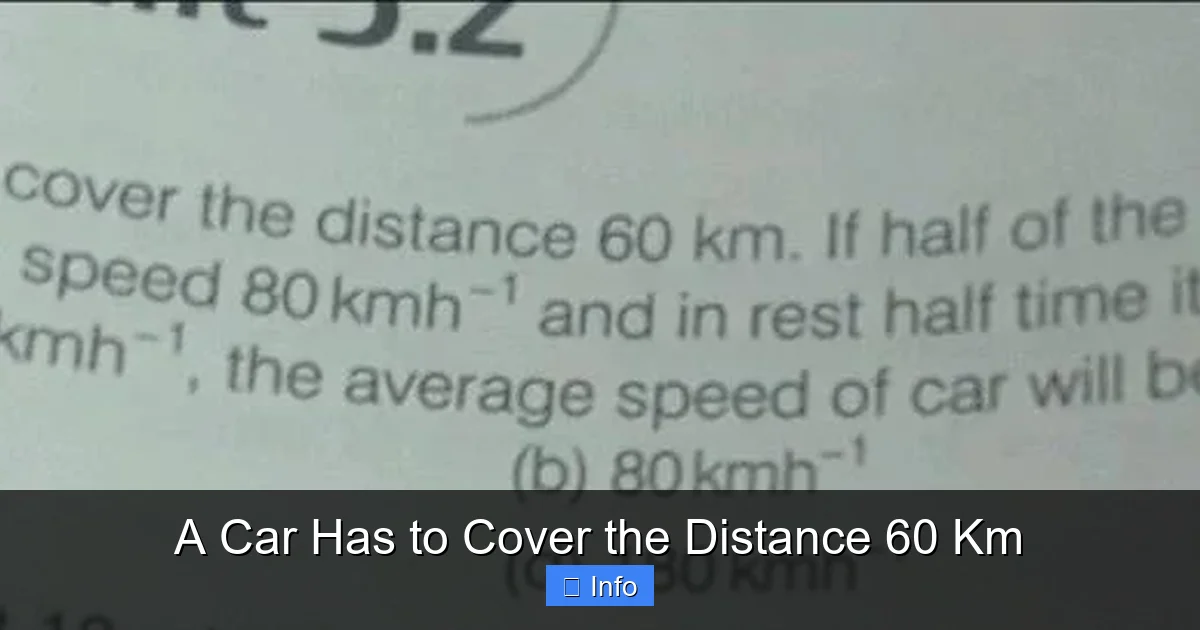
Visual guide about A Car Has to Cover the Distance 60 Km
Image source: classroom-images.cdn.askfilo.com
How Much Fuel Does a Car Use?
Fuel consumption is where many drivers notice the real impact of their driving style. A typical car consumes between 5 and 8 litres of fuel to cover 60 km, depending on engine size, age, and maintenance. A smaller, well‑tuned engine might use as little as 4 litres, while a larger or older vehicle could push that number closer to 10 litres. The key is knowing your car’s specific rating rather than guessing based on generic figures. Fuel efficiency is usually measured in kilometres per litre or miles per gallon, and even a small improvement can add up over multiple trips per month.
Tips to Maximize Mileage
Simple habits make a big difference. Maintaining a steady speed, avoiding rapid acceleration, and keeping tires properly inflated can improve fuel efficiency by up to 10%. Under‑inflated tires increase rolling resistance, forcing the engine to work harder and burn more fuel. Removing unnecessary weight from the trunk and using air conditioning sparingly also help, especially in city driving where every stop matters. For a 60 km trip, these small adjustments can save you a few currency units and reduce your carbon footprint. Combining trips, carpooling, and planning errands sequentially further optimizes fuel use.
For reference on fuel basics, a car runs 16 km using 1 litre of petrol is a common rule of thumb, meaning covering 60 km typically requires around 3.75 litres, though your actual figure may vary based on the specific make and model of your vehicle.
Real-World Road Conditions
City vs Highway Driving
The environment you drive in dictates much of the experience. City streets come with traffic lights, pedestrian crossings, and frequent stops, which naturally increase travel time and fuel use. Each traffic light is a potential pause, and in dense urban areas, you might encounter multiple signals per kilometre. Highways allow for consistent speeds and fewer interruptions, making the journey smoother and more predictable. The wind resistance at higher speeds is different too; cars often feel more stable on open roads, and cruise control can help maintain an economical pace. Choosing the right route for your purpose—whether speed or comfort—can transform a mundane trip into a pleasant drive, and sometimes a slightly longer route with fewer stops is actually faster.
Weather and Traffic Impact
Rain, fog, and extreme heat all affect visibility and road grip, often forcing drivers to slow down. Wet roads increase braking distance, and reduced visibility makes drivers more cautious, naturally lowering average speed. Traffic jams, especially in metropolitan areas, can turn a short 60 km stretch into a crawling crawl where progress feels negligible. Checking weather forecasts and traffic apps before departure is a smart habit. Leaving a few minutes early can absorb minor delays without stressing your schedule. In some cases, rerouting around a known congestion hotspot saves more time than the extra distance traveled. Real‑time navigation updates are invaluable here, but having a mental map of alternative routes adds a layer of independence from technology.
A real‑world reference point is the distance from Delhi to Taj Mahal, which is approximately 60 km. This iconic route helps illustrate how the concepts we’ve discussed play out on actual roads, from city outskirts to highway stretches, and how varying conditions affect the overall journey.
Safety Considerations for Short Trips
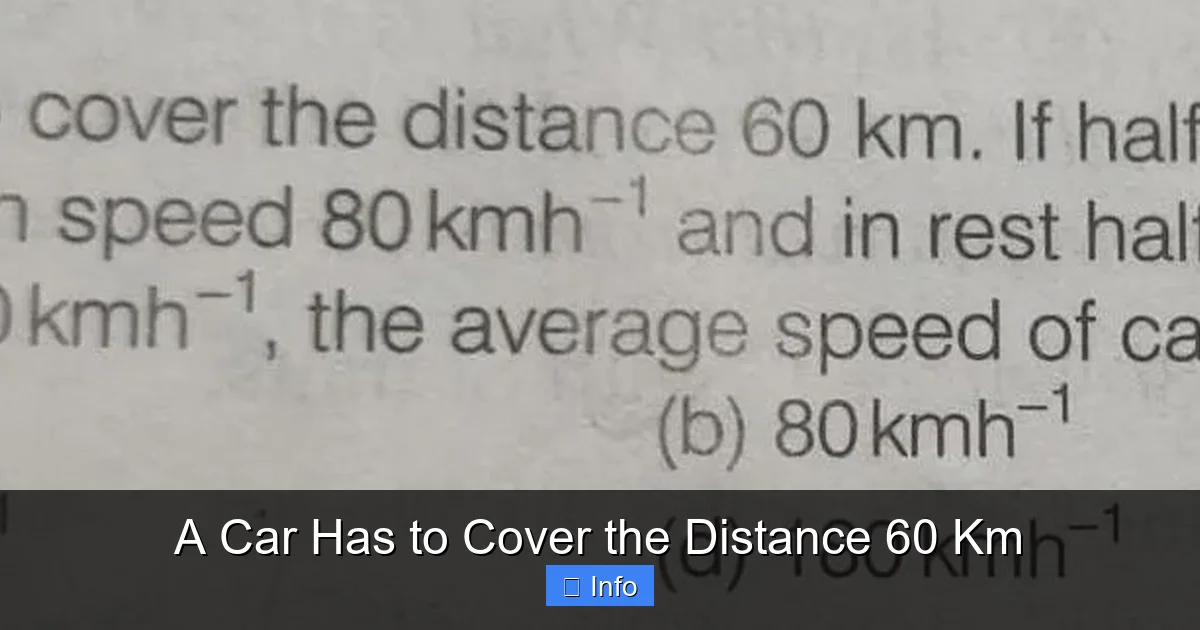
Visual guide about A Car Has to Cover the Distance 60 Km
Image source: media.kunduz.com
Speed Limits and Awareness
Just because a trip is short doesn’t mean safety should be overlooked. Adhering to posted speed limits, wearing seatbelts, and staying alert for sudden stops are non‑negotiable. Short trips can sometimes lull drivers into a false sense of security, but accidents happen close to home too. Keeping a safe following distance and scanning intersections thoroughly protects everyone on the road. Even at lower city speeds, the impact of a collision can be severe, and reaction time is critical when children or pedestrians are present.
Vehicle Checks Before Leaving
A quick pre‑trip check takes minutes but prevents hours of trouble. Verify that brakes, lights, and windshield wipers are functioning correctly. Check oil and coolant levels, especially if traveling in extreme weather conditions. Ensuring your spare tire is inflated and you have a basic emergency kit—including a flashlight, first‑aid supplies, and a phone charger—can turn a potential breakdown into a minor hiccup. Tyre pressure should match the manufacturer’s recommendation, as both under‑ and over‑inflation affect handling and fuel efficiency. A quick walk around the car to look for visible damage or leaks is also a wise habit before any journey, no matter how short.
Planning Your 60 km Journey
Best Times to Travel
Timing your trip can make a noticeable difference. Early morning often has lighter traffic, as most commuters are just starting their day or have already reached their destinations. Late evening might offer cooler temperatures, which can be more comfortable for both driver and vehicle, but visibility may decrease. Mid‑day trips risk peak congestion, especially near business districts, schools, or shopping centres where lunch breaks create traffic spikes. If your schedule is flexible, shifting your departure by just 30 minutes can shave off significant travel time and fuel consumption. Planning around school run hours, typical meeting times, and local event schedules helps you avoid the worst of the flow.
Route Optimization
Modern navigation apps are powerful tools, but knowing your alternatives is still valuable. Having a primary route and a backup option avoids dead ends if an accident or construction blocks your path. Familiarizing yourself with landmarks and fuel stations along the way adds an extra layer of preparedness. Some drivers prefer scenic routes for enjoyment, while others prioritize the fastest path; both choices depend on the trip’s purpose. Checking traffic patterns for different days of the week reveals that Monday mornings and Friday evenings are consistently busier, allowing you to plan accordingly.
Conclusion: Making the Most of Your Trip
A car has to cover the distance 60 km, and while the numbers are simple, the execution depends on smart choices. From calculating time and fuel to adapting to road conditions and prioritizing safety, each element plays a role in a smooth journey. The next time you set out for a 60 km drive, remember these tips and enjoy the ride with confidence and peace of mind.
Frequently Asked Questions
How long does it take to cover 60 km by car?
The time varies based on speed and conditions, but at a steady 60 km/h, it takes exactly one hour. Traffic, weather, and road type can extend or shorten this duration significantly.
How much fuel does a car need for a 60 km trip?
Most cars require between 5 to 8 litres of fuel for 60 km, depending on engine efficiency and driving habits. Maintaining steady speed and proper tire pressure can improve mileage and reduce fuel costs.
What factors affect the time taken to travel 60 km?
City traffic, highway speed, weather conditions, and roadworks all influence travel time. Rush hour can double the duration, while clear highways allow for quicker completion.
Can I save fuel on a 60 km trip?
Yes, simple practices like avoiding rapid acceleration, keeping tires inflated, and using air conditioning moderately can boost fuel efficiency. Combining trips also reduces overall consumption.
Is the Delhi‑Taj Mahal distance exactly 60 km?
The distance from Delhi to Taj Mahal is approximately 60 km, making it a common reference point for this travel distance in India. Actual mileage may vary slightly based on the exact starting point and route taken.
What should I check before a 60 km journey?
Check your fuel level, tire pressure, oil, lights, and windshield wipers. Ensure your phone is charged, and have an emergency kit handy for unexpected situations.