
How to Claim Insurance for Car Damage
Claiming car insurance for damage can feel overwhelming, but with the right steps you can secure a fair payout quickly. This guide walks you through every stage, from documenting the incident to avoiding common mistakes.
Key Takeaways
- Know your coverage: Understand what types of damage are covered by collision, comprehensive, and third‑party liability.
- Act fast: Report the incident and start the claim within the policy’s time limit.
- Gather evidence: Photos, police reports, repair estimates, and receipts are essential.
- Use the right documents: Refer to the Documents Required For Car Insurance Claim list.
- Avoid delays: Waiting too long can lead to denial or higher premiums.
- Negotiate wisely: If the settlement offer seems low, provide extra quotes and discuss depreciation.
- Check claim status: Use your insurer’s portal or the Icici Lombard Car Insurance Claim Status page to track progress.
📑 Table of Contents
Understanding the Basics of Car Insurance Claims
First, you need to know what counts as car damage. Any dent, scratch, broken glass, or engine trouble that needs repair can be claimed. How to Claim Insurance for Car Damage starts with a clear picture of your policy. Knowing your coverage helps you avoid surprises later.
What Constitutes Car Damage?
Damage includes anything that affects the vehicle’s value or safety. Common examples are front‑end collisions, rear‑end bumps, side impacts, hail strikes, fire, vandalism, and water damage. Even minor scratches can be claimed if the repair cost exceeds your deductible. If you’re unsure whether a specific incident is covered, check your policy wording or contact your insurer.
Types of Car Insurance Coverage
Most drivers have a mix of coverage. Collision pays for damage from crashes with another vehicle or object. Comprehensive covers non‑collision events like theft, fire, or hail. Third‑party liability protects you if you cause damage to someone else’s car or property. Some policies also include personal injury protection or roadside assistance. Understanding which coverage applies to your situation makes filing the right claim much easier.
If you want to see how your No Claim Bonus works, see our guide on Check your No Claim Bonus. This can affect the amount you receive after a claim.
Step-by-Step Guide to Filing a Claim
Immediate Actions After the Incident
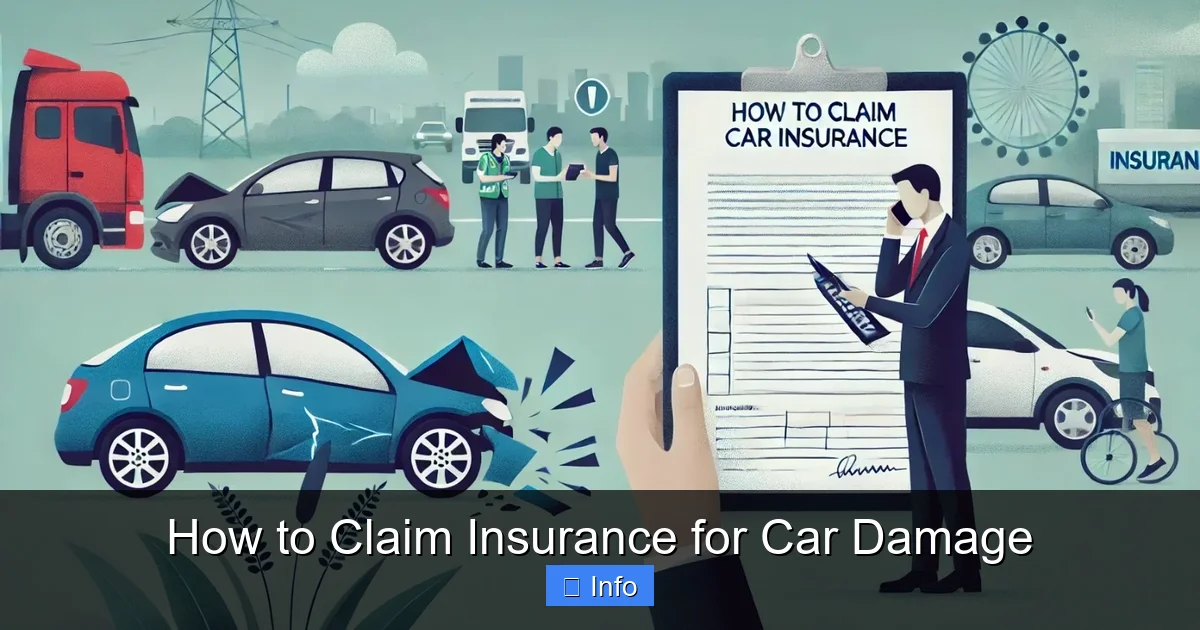
Stay calm and make safety your top priority. If anyone is injured, call emergency services right away. Move your car to a safe spot if possible, and turn on hazard lights. Exchange contact and insurance details with the other driver. Write down the time, location, and weather conditions. Take photos of the scene, the damage, and any license plates. If you have a dash cam, review the footage. These early steps protect your claim and help the insurer see the full picture.
Visual guide about How to Claim Insurance for Car Damage
Image source: thebloomgreen.com
Gathering Documentation
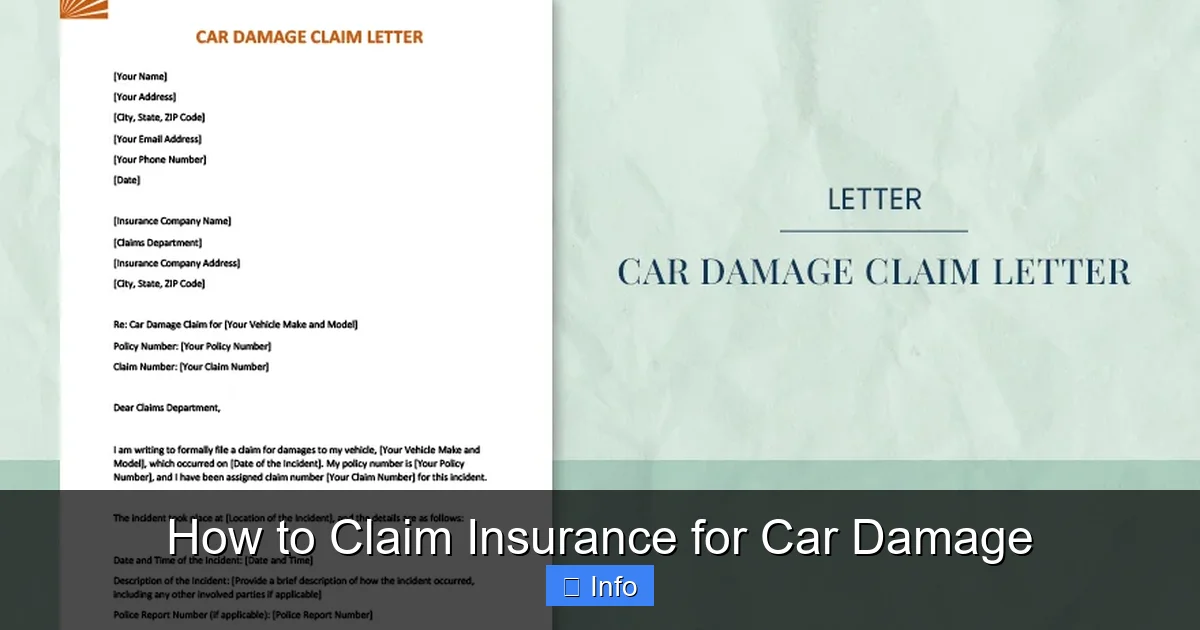
Good documentation speeds up the process. Collect a police report if the accident is serious or if there is significant damage. Get a written estimate from a trusted repair shop. Keep receipts for any temporary repairs you pay out of pocket, such as a tow truck or temporary paint. Documents Required For Car Insurance Claim lists everything you’ll need. Also, write a brief narrative of what happened while it’s fresh in your mind. This narrative can be useful if the insurer asks for details later.
Submitting the Claim
Most insurers let you file online, by phone, or through a mobile app. Log in to your portal, fill in the claim form, and attach your photos and documents. If you prefer, call the customer service line and provide the same information. Be clear and concise in your description. After submission, you’ll receive a reference number for tracking. Keep this number handy; you’ll need it for any follow‑up.
What to Do If Your Claim Is Denied
Sometimes a claim gets rejected. Common reasons include missing documentation, policy exclusions, or late filing. If you receive a denial, ask the insurer for a detailed explanation. Gather any additional evidence you may have missed, such as extra photos or a second repair estimate, and submit an appeal. You can also contact the insurance regulator or a consumer protection agency for assistance. Staying persistent often leads to a successful reconsideration.
Follow‑up and Tracking
Check the status of your claim regularly using the reference number. Some insurers offer a live chat or app updates that show each stage of the process. If the adjuster schedules an inspection, be present and answer questions honestly. Bring any additional evidence, like a repair estimate or a photo of the damage before the repair. Prompt follow‑up shows you’re serious and can keep the process moving smoothly.
You can also check your claim status with Icici Lombard Car Insurance Claim Status if you’re with that provider. Their online portal lets you see updates in real time.
What to Expect During the Claim Process
Claim Assessment and Inspection
After you submit, the insurer assigns a claims adjuster. The adjuster may visit the repair shop or your car to assess the damage. They will compare the estimate with the policy coverage and may request additional information. The adjuster might take measurements, photograph the damage, and interview witnesses. This step ensures the payout is accurate and fair.
Visual guide about How to Claim Insurance for Car Damage
Image source: images.template.net
Timeline Expectations
Most insurers acknowledge receipt of a claim within 7 days. The assessment phase typically takes 10‑15 days, depending on the damage severity. Settlement offers are usually sent within 30 days of the inspection. If the claim is complex, the timeline can extend to 45‑60 days. Knowing these milestones helps you stay patient and organized.
Settlement Offer and Negotiation
Based on the assessment, the insurer sends you a settlement offer. This amount reflects the repair cost minus your deductible and any depreciation. If you think the offer is low, you can provide extra repair quotes or argue about depreciation. For example, if the adjuster says your car is 30% depreciated, you can show receipts for recent upgrades that add value. Negotiation is normal, and most claims settle within a few weeks. If you reach an agreement, the insurer will issue a payment check or direct deposit.
Common Mistakes to Avoid
Delaying the Claim
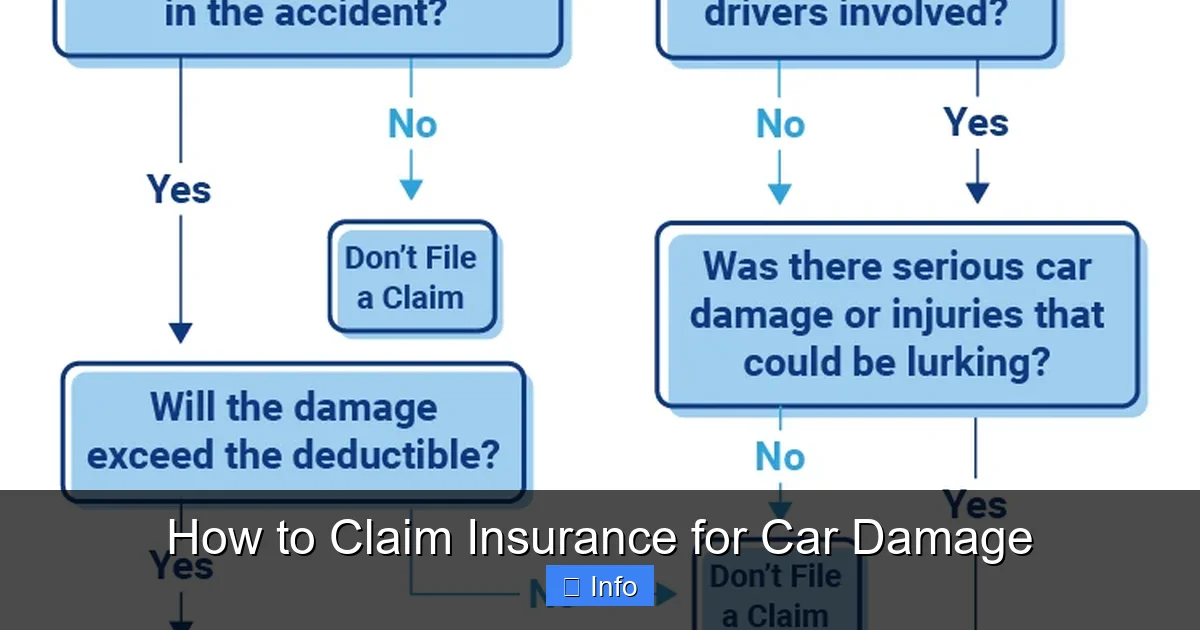
Waiting too long to file can cause problems. Many policies have a time limit, often 30 days, for reporting damage. Delaying may lead to denied claims or higher premiums later. If you wait weeks, the evidence may fade, and the insurer might question the cause of damage. File as soon as you’re safe and have the basic information.
Visual guide about How to Claim Insurance for Car Damage
Image source: i2.wp.com
Incomplete Documentation
Missing photos, receipts, or the police report creates gaps. The insurer may ask you to resubmit, slowing the payout. Keep a checklist and double‑check everything before sending. For example, make sure you include a photo of the VIN, the date stamp on images, and a copy of the repair invoice. A well‑organized folder saves time and reduces stress.
Ignoring Policy Details
Not reading your policy can surprise you. Some coverages exclude certain damages, like wear‑and‑tear or intentional acts. Others have limits on the maximum payout for specific parts, such as the engine or electronics. Knowing your limits prevents unexpected out‑of‑pocket costs. Review your policy annually and ask your agent to clarify any doubts.
Other Common Errors
Using an unverified repair shop can lead to inflated bills. Not updating your address after a move may cause paperwork to be sent to the wrong location. Failing to keep all receipts for temporary repairs can also hurt your claim. Avoid these pitfalls by staying organized and following the steps outlined above.
Special Scenarios and Tips
Claiming for Hail Damage
Hail can dent panels and crack windshields. To prove hail damage, take clear photos of the dents and any cracks. If you have a comprehensive policy, the claim should be covered. For more details, see How To Check For Hail Damage On Car. Also, keep a copy of the weather report if available; it can support your claim.
Dealing with Return to Invoice Cover
Return to Invoice (RTI) cover adds the original purchase price to your claim if the car is a total loss. This helps you recover the full value without depreciation. Check if your policy includes RTI and follow the same documentation steps. Learn more about RTI in our article Return To Invoice Cover In Car Insurance. RTI is especially useful for new cars that depreciate quickly.
When to Involve a Lawyer
If the insurer disputes liability or the settlement is significantly lower than expected, consulting a lawyer who specializes in insurance claims can be beneficial. A lawyer can help you interpret policy language, gather stronger evidence, and negotiate a fair settlement. While legal fees may apply, the potential increase in payout often justifies the expense.
Dealing with Total Loss
When a car is declared a total loss, the insurer pays the market value or the original purchase price, depending on your coverage. In this case, the RTI cover mentioned earlier becomes crucial. Ensure you have all ownership documents, such as the title and registration, ready for the insurer.
Other Tips
Always keep a copy of every document. Use a dedicated folder on your phone or computer. If you have a trusted mechanic, ask them to write a detailed report. Staying organized reduces stress and speeds up payment. Also, consider adding a roadside assistance add‑on to your policy; it can help you get the car to a garage quickly after an accident.
Conclusion and Final Advice
Claiming car insurance for damage doesn’t have to be a nightmare. By understanding your coverage, acting quickly, gathering solid evidence, and avoiding common pitfalls, you can secure a fair settlement. Review your policy regularly and keep all paperwork safe. If you ever feel stuck, reach out to your insurer’s helpline or a trusted advisor. With these steps, you’ll be ready to claim whenever the need arises and get the money you deserve.
Frequently Asked Questions
What is how to claim insurance for car damage?
how to claim insurance for car damage is an important topic with many practical applications.


