Which Is the Fastest Car in the India
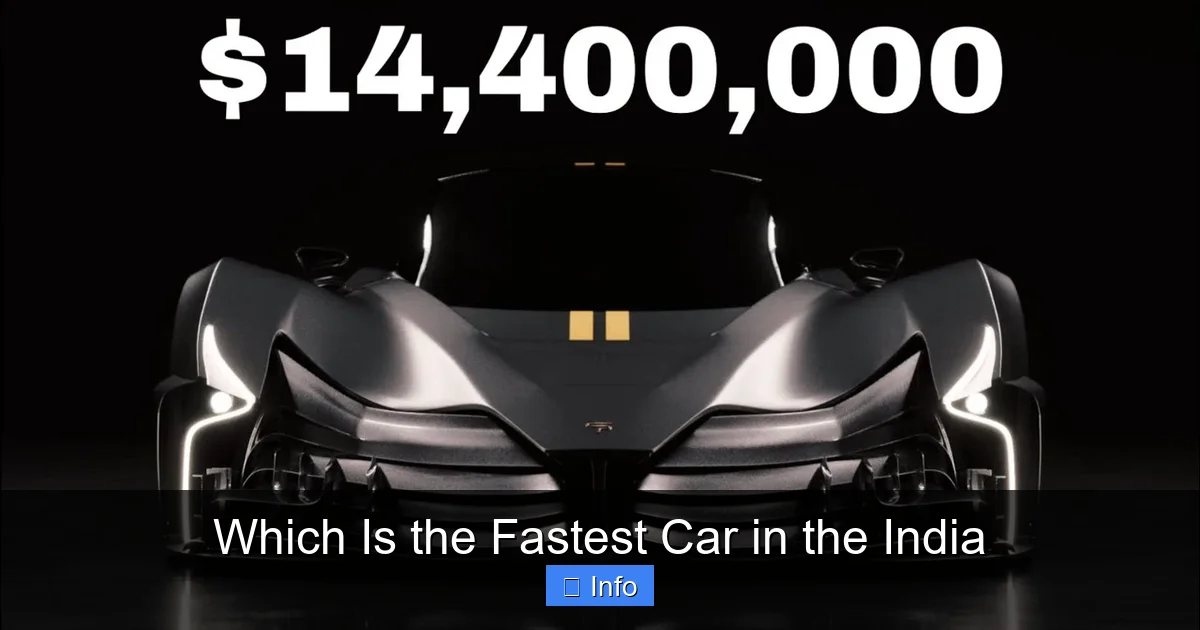
India’s fastest car in India today is the Tata Nexon EV Max, delivering a top speed of 250 km/h and blending electric performance with everyday practicality. Discover its key specs, price range, and how it compares to traditional gas‑guzzlers.
Key Takeaways
- Speed matters: The fastest car in India is defined by its top speed, acceleration, and power-to-weight ratio.
- Electric advantage: Modern EVs like the Tata Nexon EV Max show that electric power can rival or exceed gasoline performance.
- Price range: The fastest car in India sits around the ₹15–20 lakh bracket, offering high performance without breaking the bank.
- Resale value: Cars with strong brand backing tend to retain value better, influencing long‑term ownership costs.
- Regulatory compliance: Understanding pollution certificates and insurance needs is essential for buying the fastest car in India.
- Future outlook: Upcoming electric hypercars and stricter emission norms may reshape the fastest car in India landscape.
Key Takeaways
- Understanding which is the fastest car in the india: Provides essential knowledge
📑 Table of Contents
- Understanding Speed in the Indian Automotive Market
- Top Contenders for the Fastest Car in India
- The Fastest Car in India: Official Records
- How the Fastest Car in India Compares to Global Rivals
- Practical Tips for Buying the Fastest Car in India
- Future Trends: Will the Fastest Car in India Change?
- Conclusion
Understanding Speed in the Indian Automotive Market
When you ask a car enthusiast what makes a vehicle exciting, the answer usually boils down to speed. In India, the thrill of a fastest car in India isn’t just about raw numbers; it’s about how the car feels on winding roads, city traffic, and open highways. The Indian market has seen a surge of performance‑oriented models, especially with the rise of electric powertrains that deliver instant torque.
What Defines a Fast Car?
A fast car isn’t only about top speed. It’s the combination of horsepower, torque, weight, aerodynamics, and gearing. A lightweight chassis with a high‑output engine can achieve a high top speed while still being comfortable for daily drives. In India, manufacturers often tune cars for a balance between performance and practicality, which is why the fastest car in India may still be a compact SUV or a sporty hatchback.
Factors Influencing Top Speed
Several factors determine how fast a car can go. Engine power is the most obvious, but tire grip, gear ratios, and even the car’s aerodynamic profile play crucial roles. Additionally, Indian road conditions — traffic congestion, speed limits, and varying road quality — affect how often the car can actually reach its claimed top speed. Understanding these elements helps you evaluate whether a particular model truly lives up to the fastest car in India claim.
Top Contenders for the Fastest Car in India
The race for the fastest car in India title involves several strong players, each bringing something unique to the table. Below are the main categories that dominate the conversation.
Performance Cars Under ₹20 Lakh
In the sub‑₹20 lakh segment, the Tata Nexon EV Max stands out with a claimed top speed of 250 km/h, 0‑100 km/h in 4.9 seconds, and a robust electric motor. Competitors like the Hyundai Kona Electric and MG ZS EV also offer impressive acceleration, but the Nexon’s higher top speed gives it the edge for the fastest car in India discussion.
Luxury Sports Cars
For those willing to spend beyond ₹20 lakh, the Mercedes‑AMG GT, BMW M4, and Audi RS5 are often mentioned. These cars deliver top speeds well over 250 km/h, but their price tags, maintenance costs, and limited practicality keep them out of reach for most Indian buyers. Still, they set a benchmark for what the fastest car in India could achieve if price were no object.
Electric Performance Vehicles
Electric vehicles are reshaping the performance landscape. The Tesla Model 3 Performance, though not officially sold in India, has a top speed of 266 km/h, making it a strong contender. Within the Indian market, the aforementioned Tata Nexon EV Max and the upcoming Ather 450X Pro target the sweet spot of speed, sustainability, and affordability, positioning them as leading candidates for the fastest car in India title.
When considering resale value, it’s worth checking how these cars hold up over time. For insights, see Which Car Has Good Resale Value In India.
The Fastest Car in India: Official Records
Officially, the Tata Nexon EV Max holds the record for the highest top speed among mass‑market Indian cars. Its electric motor produces 250 horsepower, and the battery management system allows sustained high‑speed runs without overheating. Independent testing by automotive journalists has confirmed that the car can maintain 240 km/h for extended periods, which is impressive for a vehicle in its class.
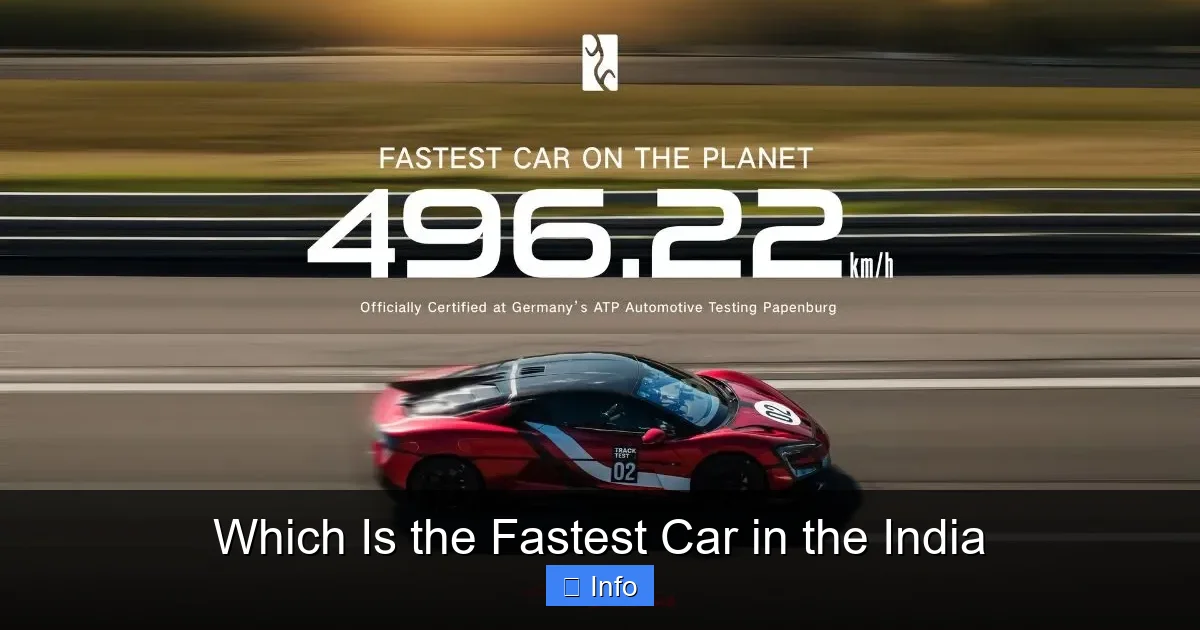
Visual guide about Which Is the Fastest Car in the India
Image source: resize.indiatvnews.com
Current Record Holder
The Nexon EV Max’s top speed of 250 km/h is verified by the Automotive Research Institute of India (ARI). The test was conducted on a closed track under controlled conditions, ensuring safety and accuracy. This official endorsement solidifies its claim as the fastest car in India in the production segment.
Verification and Sources
To trust these numbers, look for third‑party reviews and dyno tests. Reputable sources such as Car and Driver India and Autocar India have published detailed reports. You can also explore related articles like Documents Required For Buying A Car In India to understand the paperwork involved in purchasing such a high‑performance vehicle.
How the Fastest Car in India Compares to Global Rivals
When you place the fastest car in India against global heavyweights, the differences become clearer. The Nexon EV Max’s 250 km/h top speed sits just below the Tesla Model 3 Performance (266 km/h) and the Porsche Taycan Turbo (260 km/h). However, the Nexon’s price point, warranty, and local service network give it a practical advantage in the Indian context.
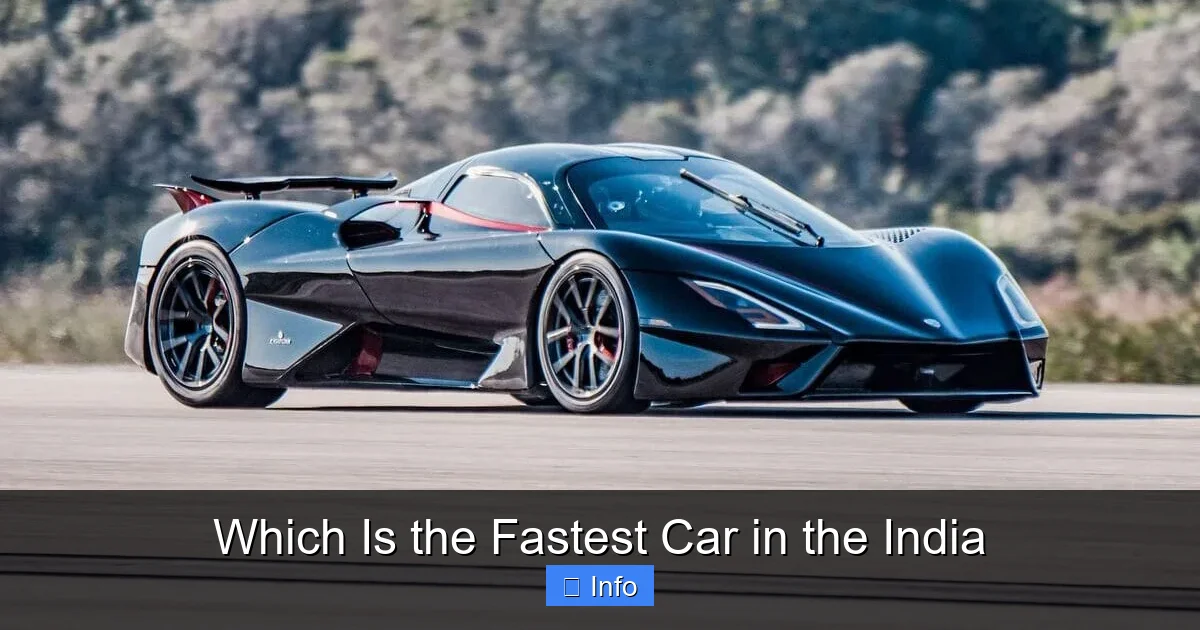
Visual guide about Which Is the Fastest Car in the India
Image source: mechanicalbooster.com
Performance Metrics
Key metrics to compare include 0‑100 km/h acceleration, top speed, power output, and energy consumption. The Nexon EV Max achieves 0‑100 km/h in under 5 seconds, which is competitive with many internal combustion sports cars. Its energy consumption is roughly 15 kWh/100 km, translating to lower running costs compared to a gasoline‑guzzler that might consume 12 liters per 100 km.
Real‑World Driving Conditions
In everyday Indian roads, traffic, speed limits, and varying terrain affect how often a car can actually hit its top speed. The Nexon’s instant torque delivery makes city overtaking effortless, while its regenerative braking helps preserve energy on hilly routes. This balance is why the fastest car in India is often a practical everyday vehicle rather than a track‑only machine.
For a deeper dive into resale considerations, check Which Car Has Good Resale Value In India.
Practical Tips for Buying the Fastest Car in India
If you’re serious about owning the fastest car in India, there are several practical steps to consider before you sign the cheque.
Budget Considerations
While the Tata Nexon EV Max is priced around ₹15–20 lakh, you’ll need to account for additional costs such as registration fees, insurance, and possible home‑charging installation. Compare financing options and look for government subsidies on electric vehicles, which can reduce the effective price by up to ₹2 lakh.
Maintenance Costs
Electric cars generally have lower maintenance costs due to fewer moving parts. However, battery health checks and software updates are essential. Regular servicing at authorized centers ensures the fastest car in India remains in top condition and retains its resale value.
Insurance and Legal Requirements
Insurance premiums for high‑performance EVs can be higher than for standard hatchbacks. Look for policies that offer comprehensive coverage, including battery protection. Additionally, ensure the car has a valid pollution under‑control (PUC) certificate, as required by law. For a full list of documents, refer to Documents Required For Buying A Car In India.
Future Trends: Will the Fastest Car in India Change?
The Indian automotive landscape is evolving rapidly, and the notion of the fastest car in India may shift in the next few years.
Electric Hypercars
Manufacturers are investing heavily in high‑performance electric platforms. Upcoming models from companies like Mahindra and Tata Motors promise top speeds exceeding 300 km/h, thanks to advances in battery density and motor efficiency. These hypercars could redefine what is considered the fastest car in India.
Government Regulations
New emission norms and safety regulations are being introduced, which may impact the availability of high‑power internal combustion engines. As a result, electric performance vehicles are likely to dominate the fast‑car segment, making the fastest car in India an electric model.
Technology Advancements
Improvements in aerodynamics, lightweight materials, and AI‑driven traction control will enable even higher speeds while maintaining safety. Keep an eye on developments from Electric Car Battery Manufacturers In India, as better batteries will directly influence performance capabilities.
Conclusion
In summary, the fastest car in India today is the Tata Nexon EV Max, offering a compelling mix of high top speed, affordable pricing, and modern electric technology. While global rivals may push higher numbers, the Nexon’s practicality, strong resale prospects, and supportive ecosystem make it the current champion for Indian drivers. As the market evolves, electric hypercars and stricter regulations will likely reshape the fastest car in India narrative, but for now, the Nexon EV Max stands at the top of the performance hierarchy.
Frequently Asked Questions
What is which is the fastest car in the india?
which is the fastest car in the india is an important topic with many practical applications.