How Much Does It Cost to Paint a Car
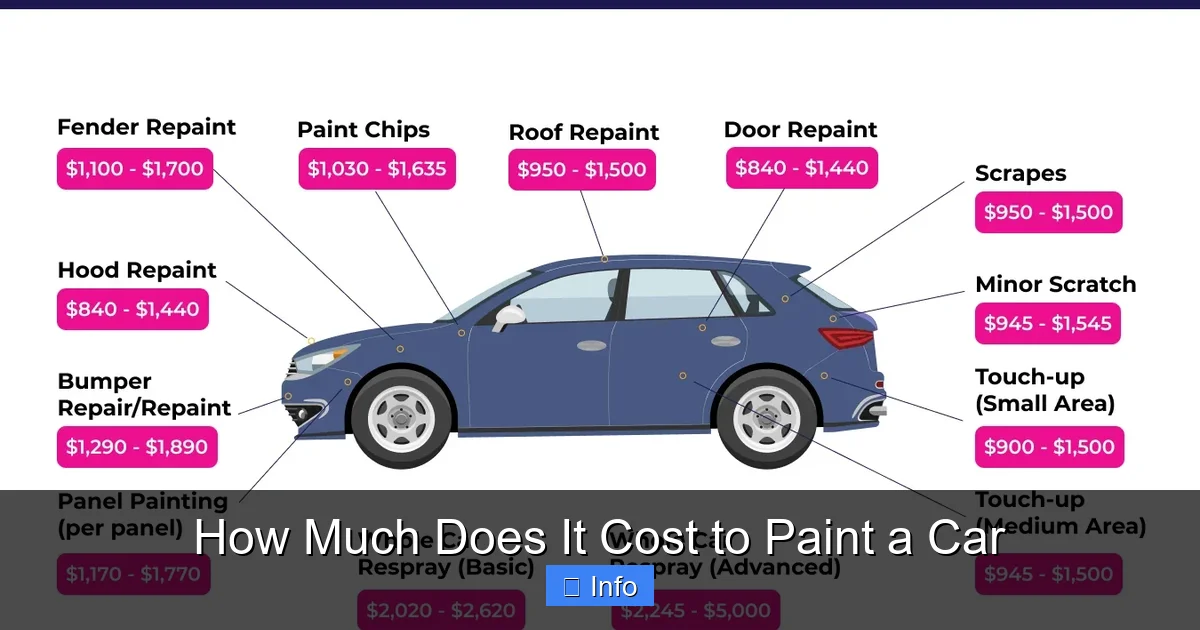
The cost to paint a car typically ranges from $300 for a basic touch-up to over $10,000 for a high-end custom job. Most standard full paint jobs fall between $1,000 and $5,000, depending on your vehicle size, paint quality, and labor rates. Understanding these price tiers helps you set a realistic budget before visiting a body shop.
Key Takeaways
- Basic paint jobs: Usually cost between $300 and $1,000 with minimal prep work.
- Standard full repaint: Most common range is $1,000 to $5,000 for a professional, durable finish.
- Showroom or custom paint: Can run from $5,000 to $20,000 or more for luxury or exotic vehicles.
- Vehicle size matters: Larger trucks and SUVs require more paint and labor than compact sedans.
- Prep work drives cost: Dent repair, rust removal, and sanding often add hundreds or thousands to the bill.
- DIY vs. pro: Doing it yourself saves on labor but requires skill, equipment, and a dust-free workspace.
- Alternatives exist: A vinyl wrap can change your car’s look for less than a full repaint in many cases.
📑 Table of Contents
How Much Does It Cost to Paint a Car?
If you’re staring at a faded hood, a door covered in scratches, or a bumper that has seen better days, the first question on your mind is probably how much does it cost to paint a car. A fresh coat of paint can make an old vehicle look brand new, protect the metal from rust, and even boost your pride of ownership. But unlike an oil change or a tire rotation, there is no universal price tag for automotive painting.
The truth is that how much does it cost to paint a car depends on a long list of variables. A quick spray at a budget chain might cost a few hundred dollars, while a showroom-quality custom job on a luxury sedan can easily run into the tens of thousands. Most car owners find themselves somewhere in the middle, paying for a professional repaint that balances durability, appearance, and affordability.
In this guide, we will break down average price ranges, explain the factors that move the price up or down, compare DIY versus professional work, and share practical tips to help you budget. By the end, you will know exactly what to expect when you ask a body shop, how much does it cost to paint a car.
Average Cost Ranges by Paint Job Type
To give you a starting point, here are the most common pricing tiers you will encounter. Keep in mind that these are national averages, and your local quotes may vary based on shop reputation and regional labor rates.
Basic or Economy Paint Job ($300–$1,000)
An economy paint job usually means a single-stage enamel or acrylic paint applied with minimal prep. The shop may sand down the existing finish, mask off windows and trim, and spray one or two coats. This option works well if you just want a clean, uniform look and do not care about a deep gloss or long-term durability. Many drivers ask how much does it cost to paint a car at a discount shop, and this is the tier they are usually quoted.
Standard Full Repaint ($1,000–$5,000)
A standard repaint is what most people imagine when they think about repainting a vehicle. The shop strips or sands the old paint, repairs minor dents and rust, applies primer, base coat, and clear coat, and then buffs the surface to a shine. This level of work can last for years and looks close to factory finish. For a typical sedan or compact SUV, this is the most common answer to how much does it cost to paint a car.
Showroom-Quality or Custom Paint ($5,000–$20,000+)
If you want a high-gloss finish, custom graphics, metallic flakes, or a color-change job on a luxury vehicle, expect to pay at the top end. Showroom-quality paint jobs involve extensive bodywork, multiple layers of paint, wet sanding, and polishing. Exotic colors and custom designs add even more. This tier is common for collector cars, hot rods, and high-end daily drivers where appearance is a top priority.
Partial Paint Jobs and Touch-Ups ($100–$1,500)
Sometimes you do not need the whole car painted. A single panel, such as a fender or door, can be spot-painted and blended into the surrounding panels. Bumper repairs and scratch removal also fall into this category. These smaller jobs are much cheaper, but matching the existing paint exactly can be tricky, especially on older vehicles with sun-faded finishes. For smaller jobs, you might also wonder how long does it take to paint a bumper if you only need one section refreshed.
The Car Painting Process: What You’re Paying For
Understanding the steps involved helps explain why labor costs can be high. A professional paint job is not just spraying color onto metal; it is a multi-stage process that requires time, skill, and the right environment.
Visual guide about How Much Does It Cost to Paint a Car
Image source: i.ytimg.com
Consultation and Color Matching
The shop first inspects your vehicle and discusses your goals. If you are changing colors, they must plan for painting door jambs, engine bay areas, and trunk interiors. Color matching on an older car can take extra time because the original paint has faded from sun exposure.
Disassembly and Masking
Technicians remove trim, emblems, lights, and sometimes bumpers to avoid painting over them. They mask off windows, tires, and glass with paper and tape. This prep stage alone can take several hours on a large vehicle.
Sanding and Bodywork
The existing finish is sanded to create a surface the new paint can grip. Dents are filled, rust is cut out and welded, and panels may be replaced. This is often the most labor-intensive part of the job and a major reason why how much does it cost to paint a car varies so widely.
Priming and Sealing
Primer seals the bare metal and provides a uniform base. Some shops apply a sealer over the primer to improve adhesion and prevent flash issues. Multiple primer coats may be needed for major color changes.
Base Coat and Clear Coat
The color is applied in thin, even layers, followed by a clear coat for UV protection and gloss. Modern base coat/clear coat systems require precise temperature and humidity control, which is why professional spray booths matter.
Buffing, Polishing, and Reassembly
After the paint cures, the shop buffs out any imperfections, polishes the surface to a high shine, and reinstalls all trim and hardware. A final inspection ensures the finish matches the rest of the vehicle.
Factors That Affect the Price
When you call a shop and ask how much does it cost to paint a car, the estimator will ask several questions before giving a number. These factors explain why two similar cars can receive very different quotes.
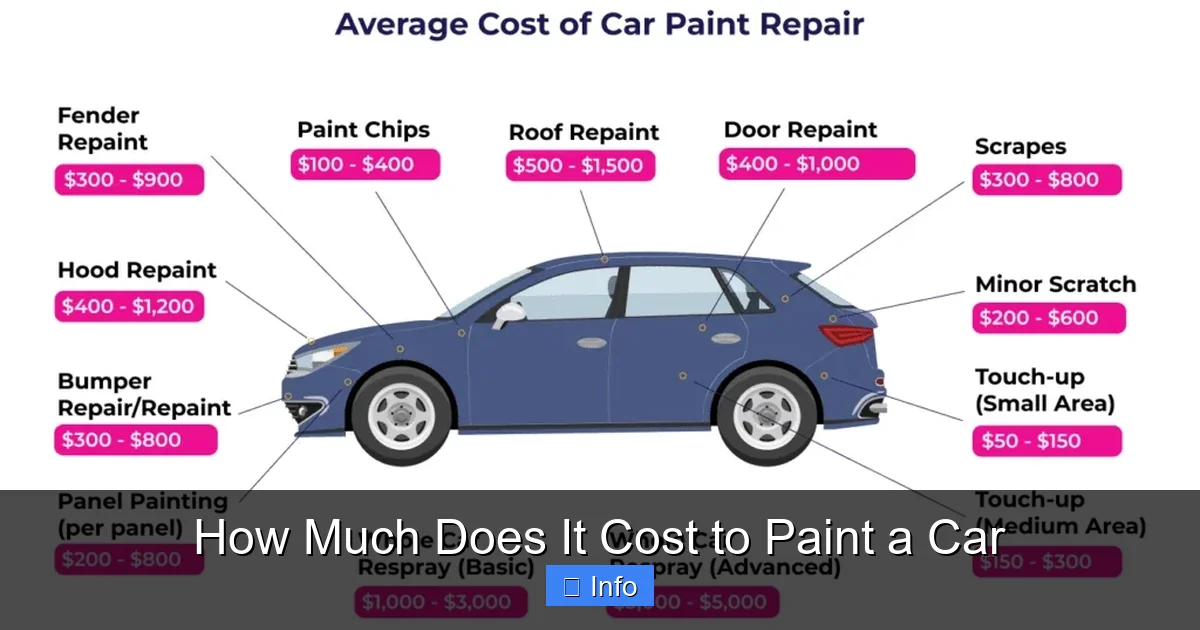
Visual guide about How Much Does It Cost to Paint a Car
Image source: stormwisehailrepair.com
Vehicle Size and Body Style
A compact coupe requires less paint and labor than a full-size pickup truck or a three-row SUV. Larger vehicles have more surface area, which means more materials and more hours in the spray booth. If you drive a small sedan, your quote will likely sit at the lower end of the range. Trucks and vans usually cost more simply because there is more metal to cover.
Paint Type and Quality
Not all automotive paint is created equal. Basic single-stage enamel is inexpensive but fades faster. Base coat/clear coat systems are the modern standard and provide better UV protection and gloss. High-end urethane or ceramic-infused paints cost more but last longer. The brand of paint also matters; premium manufacturers charge more than generic lines.
Color Choice and Complexity
Common colors like white, black, silver, and red are usually cheaper because shops keep them in stock and can mix them quickly. Unusual colors, pearls, tri-coats, and custom blends take more time to match and apply. Changing from a light color to a dark color often requires extra coats for full coverage, which raises labor and material costs.
Prep Work and Body Repairs
Preparation is where most of the labor happens. Sanding, filling dents, patching rust, and replacing panels can add hundreds or even thousands of dollars to the bill. A car with significant corrosion or collision damage needs bodywork before any paint goes on. If you skip prep to save money, the new paint may peel or bubble within a year.
Labor Rates and Shop Location
Labor rates vary widely by region. A body shop in a major city typically charges more per hour than one in a rural area. Reputation also plays a role; well-known shops with long waitlists often charge a premium. When comparing quotes, ask what is included in the labor estimate so you are not surprised by hidden fees later.
Environmental Fees and Disposal Costs
Some shops charge a small environmental or hazardous waste fee to cover the safe disposal of paint solvents, sanding dust, and masking materials. These fees are usually modest, often $25 to $100, but they can appear as a separate line item on your estimate. It is worth asking whether the quoted price includes disposal so you can compare apples to apples.
Luxury and Specialty Vehicles
Exotic and luxury cars demand specialized knowledge and materials. For example, if you are curious about the premium end of the market, how much does it cost to paint a Mercedes Benz can give you a sense of what high-end European finishes cost. Similarly, how much does it cost to paint a BMW shows how brand-specific paint codes and clear coat requirements influence the final quote. These vehicles often require certified painters and climate-controlled booths, which adds to the expense.
DIY vs. Professional Painting: Cost Comparison
Some car owners consider painting their own vehicle to save money. While DIY can reduce the labor portion of the bill, it comes with trade-offs that are worth understanding before you buy a spray gun.
DIY Material Costs
Painting a car yourself means buying primer, base coat, clear coat, sandpaper, masking tape, respirators, and possibly a spray gun or HVLP system. For a small car, materials might run between $200 and $800. Larger vehicles or higher-quality paint can push that total higher. You will also need a clean, dust-free space to spray, which many home garages cannot provide.
Professional Labor and Warranty
A professional shop charges for labor, overhead, and expertise, but you also get a controlled environment and a warranty on the work. If the paint peels or runs, a reputable shop will fix it. DIY mistakes are yours to live with or sand down and redo. For most people asking how much does it cost to paint a car, the peace of mind from a professional job is worth the extra cost.
Hidden Costs of DIY
DIYers often underestimate the cost of prep supplies, safety equipment, and the time required. You might spend an entire weekend sanding only to realize you need body filler or a better compressor. Renting a spray booth or buying proper lighting can add unexpected expenses. If the job comes out poorly, you may end up paying a professional to fix it anyway.
When DIY Makes Sense
DIY painting makes sense for small projects, such as painting a single panel, touching up a bumper, or restoring a classic car where you enjoy the process. If you drive a popular economy sedan, you can look up how much does it cost to paint a Toyota Corolla to see a realistic brand-specific benchmark before deciding whether to hire a pro or do it yourself. For a full repaint on a daily driver, professional results are usually the safer investment.
How to Save Money on a Car Paint Job
You do not have to settle for the first quote you receive. Several strategies can lower how much does it cost to paint a car without cutting too many corners.
Get Multiple Quotes
Contact at least three local body shops and ask for itemized estimates. One shop might include dent repair in the base price while another lists it separately. Comparing line items helps you spot fair pricing and avoid overpaying for services you do not need.
Choose a Solid Color
Sticking with a standard factory color keeps material costs down and speeds up the job. Custom pearls and metallics look stunning, but they cost more to mix and apply. If budget is your main concern, a solid color is the smartest choice.
Limit Prep Work
If your body is straight and rust-free, you can skip extensive bodywork. Tell the shop you only want paint and minor sanding. Just be honest about the condition of your car so they do not quote you a low price and then add surprise charges once they start sanding.
Consider a Vinyl Wrap Instead
Before committing to paint, many owners compare it to how much does it cost to vinyl wrap a car. Wraps can change your vehicle’s color, protect the original paint, and often cost less than a full repaint. They are also removable, which makes them ideal for leased vehicles or drivers who like to change styles.
Time Your Visit
Some shops offer slower-season discounts during winter or right after the holidays. Ask if they have any promotions or if they can match a competitor’s quote. Flexibility with your drop-off date can sometimes shave a few hundred dollars off the final bill.
Is Repainting Your Car Worth It?
Spending a few thousand dollars on paint is a big decision, so it helps to weigh the pros and cons before you commit.
Resale Value Considerations
A fresh paint job can make an older car easier to sell, but it rarely increases resale value dollar-for-dollar. If you spend $4,000 on paint, you might only recoup $1,500 to $2,000 when you sell. Repainting usually makes more sense if you plan to keep the car for several years.
Personal Enjoyment vs. Investment
If you love your car and want it to look great, the emotional return can outweigh the financial math. Driving a vehicle that looks brand new is rewarding, and a good paint job protects against rust and corrosion, which extends the life of the body.
When to Skip the Paint Job
If your car has major mechanical issues, a blown engine, or a failing transmission, spending money on paint may not be wise. In those cases, fixing the drivetrain or selling the car as-is might be a better financial move. Similarly, if the vehicle has extensive frame damage or rust through the panels, paint alone will not solve the underlying problems.
Final Thoughts
So, how much does it cost to paint a car? The answer depends on your goals, your vehicle, and your budget. A basic economy job might cost a few hundred dollars, while a professional standard repaint usually lands between $1,000 and $5,000. Showroom-quality and custom work can climb much higher, especially on luxury and exotic models.
The best way to get an accurate number is to visit a few local shops, show them your car, and ask for detailed quotes. Ask about prep work, paint type, warranty, and timeline. With the right information, you can choose a paint job that makes your car look fantastic without breaking the bank.
Whether you decide to go professional, try a DIY touch-up, or explore a vinyl wrap, knowing how much does it cost to paint a car puts you in the driver’s seat. Take your time, compare your options, and enjoy the fresh look of your ride.
Frequently Asked Questions
How much does it cost to paint a car a different color?
Changing your car’s color usually costs more than repainting it the same shade because the shop must paint door jambs, under the hood, and inside the trunk for a complete look. Expect to pay toward the higher end of the standard range, often $2,000 to $6,000 or more depending on the vehicle.
Does repainting a car affect its resale value?
A quality repaint can improve curb appeal and help a car sell faster, but it rarely adds dollar-for-dollar value to the sale price. It is usually worth it if you plan to keep the vehicle for several years rather than sell immediately.
How long does a professional car paint job take?
Most full repaints take anywhere from three days to two weeks, depending on the amount of bodywork and the shop’s schedule. Simple touch-ups or single-panel jobs can often be finished in a day or two.
Can I paint my car myself to save money?
You can save on labor by painting the car yourself, but you will need proper equipment, a clean workspace, and significant patience. Mistakes can be expensive to fix, so DIY is best reserved for small panels or hobby projects.
What is the cheapest way to paint a car?
The cheapest route is usually an economy single-stage paint job at a budget body shop, often starting around $300 to $500. Keep in mind that low-cost jobs involve minimal prep and may not last as long as higher-end work.
Is it cheaper to wrap or paint a car?
A vinyl wrap is often less expensive than a full professional repaint and can be removed later, but it does not last as long as quality paint. Your choice depends on whether you want a temporary style change or a permanent finish.