High Pressure Water Gun for Car Wash
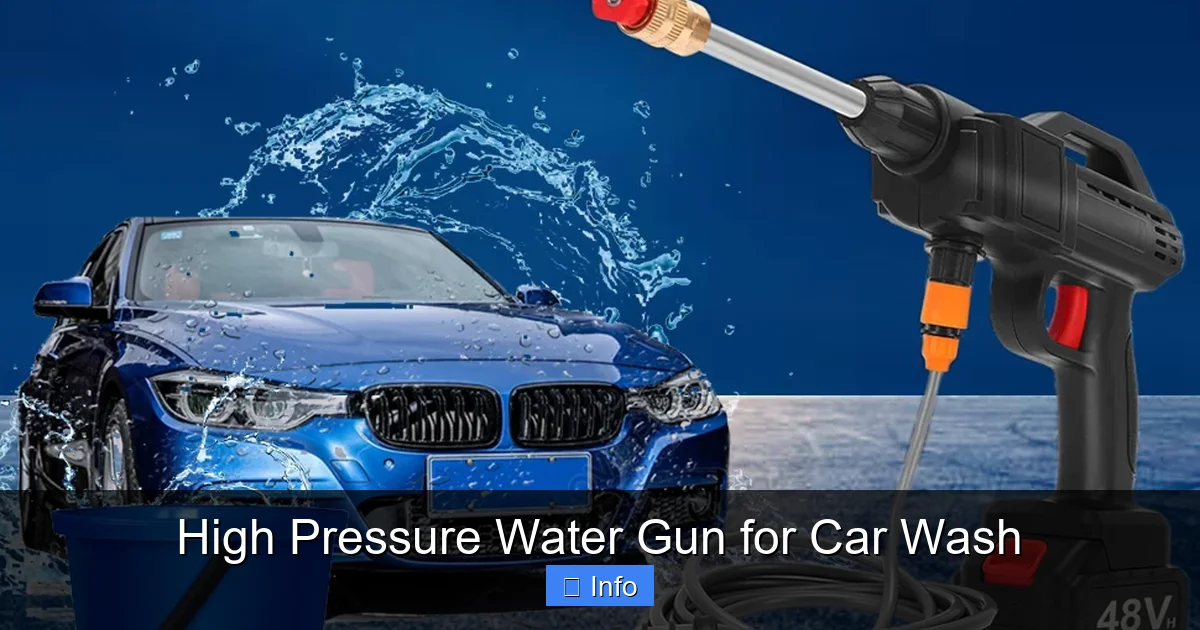
A high pressure water gun for car wash transforms your cleaning routine by blasting away dirt without scratching paint. Choosing the right model means balancing pressure power, nozzle variety, and build quality to match your vehicle’s needs.
Washing your car at home can feel like a chore, but the right tools turn it into a satisfying weekend ritual. A high pressure water gun for car wash is one of those game-changing tools. It delivers the cleaning power of a professional detailer without the recurring cost. Whether you drive a daily commuter or a weekend show car, blasting away road grime, brake dust, and bird droppings becomes quick and almost effortless.
Many car owners assume they need a massive, expensive pressure washer to get results. The truth is, a dedicated high-pressure gun that attaches to a standard garden hose can work wonders for maintenance washes. It saves water, reduces scrubbing, and minimizes the risk of swirl marks caused by dirty wash mitts. In this guide, we’ll walk through everything you need to know to pick, use, and maintain the perfect setup for your garage.
Key Takeaways
- Pressure matters: Look for a gun rated between 1200-1900 PSI for safe, effective car washing.
- Nozzle versatility: Adjustable or quick-connect nozzles let you switch from a gentle rinse to a focused jet instantly.
- Build quality counts: Brass fittings and stainless steel lances resist corrosion better than plastic alternatives.
- Ergonomics reduce fatigue: A comfortable grip and lightweight design make long detailing sessions easier.
- Compatibility is key: Ensure the gun connects to your garden hose or pressure washer without adapters.
- Safety features protect paint: Built-in pressure regulators or foam cannon attachments prevent clear coat damage.
- Maintenance extends life: Flush the gun after each use and store it indoors to avoid freeze damage.
📑 Table of Contents
- Why Upgrade to a High Pressure Water Gun?
- Key Features to Evaluate Before Buying
- Types of High Pressure Water Guns for Car Wash
- How to Use a High Pressure Water Gun Safely on Paint
- Essential Accessories for a Complete Setup
- Maintenance and Storage Tips for Longevity
- Common Mistakes to Avoid
- Choosing the Right Model for Your Needs
- Environmental Considerations
- Conclusion
Why Upgrade to a High Pressure Water Gun?
If you’ve been using a standard spray nozzle on your garden hose, you know the frustration. The stream is either too weak to lift stuck-on bugs or so harsh it strips wax. A purpose-built high pressure water gun for car wash solves this with engineered internals that amplify flow velocity. You get a concentrated, consistent jet that lifts contaminants mechanically rather than relying on harsh chemicals or aggressive scrubbing.
Less Physical Effort, Better Results
High velocity water does the heavy lifting. Instead of leaning over panels with a sponge, you stand back and let the stream disintegrate mud and salt. This is especially valuable for larger vehicles like SUVs and trucks where roof access is awkward. The reduced contact also means fewer micro-scratches, preserving your clear coat longer.
Water Conservation
A typical garden hose flows at 8-12 gallons per minute. A quality high-pressure gun restricts flow to 2-5 GPM while increasing pressure. You use significantly less water to achieve a cleaner surface. For eco-conscious owners or those on well water, this efficiency adds up over a season of washes.
Versatility Beyond the Car
These guns aren’t single-purpose. Use them to clean patio furniture, siding, driveways, or even the lawn mower deck. Many models include multiple spray patterns—fan, jet, mist, shower—making them a true multi-tool for outdoor maintenance.
Key Features to Evaluate Before Buying
Not every gun labeled “high pressure” delivers the same experience. Marketing terms can be misleading. Focus on these measurable specifications to compare models objectively.
PSI and GPM Ratings
PSI (pounds per square inch) measures force; GPM (gallons per minute) measures volume. For automotive paint, the sweet spot is 1200–1900 PSI at 1.5–2.5 GPM. Anything above 2000 PSI risks etching clear coat if held too close. Anything below 1000 PSI struggles with baked-on grime. Check the manufacturer’s spec sheet—don’t rely on packaging claims alone.
Nozzle System: Adjustable vs. Quick-Connect
Adjustable twist nozzles let you dial from a wide fan to a pencil jet by rotating the tip. They’re convenient but can loosen over time. Quick-connect tips (color-coded 0°, 15°, 25°, 40°, soap) swap in seconds and hold their pattern precisely. If you already own a pressure washer, ensure the gun accepts standard 1/4-inch quick-connect plugs.
Materials and Corrosion Resistance
Look for brass or stainless steel internal valves and a stainless steel lance. Plastic bodies are lightweight but crack in cold weather. Brass resists mineral buildup from hard water. A ceramic ball valve outlasts rubber seals, maintaining a crisp on/off action for years.
Ergonomics and Weight
A gun that weighs 3 lbs loaded with water fatigues your wrist in ten minutes. Seek a pistol grip with rubber overmold and a balanced center of gravity. A trigger lock is a nice bonus for continuous flow without squeezing. Test the grip in-store if possible—hand size varies.
Connection Compatibility
Most consumer guns use a standard 3/4-inch garden hose thread (GHT) inlet. Some premium units include a quick-connect adapter for snap-on hose fittings. If you run a pressure washer, verify the gun’s inlet matches your machine’s outlet (often M22, 3/8-inch QC, or proprietary). Adapters add leak points.
Types of High Pressure Water Guns for Car Wash
Understanding the three main categories helps narrow your search fast.
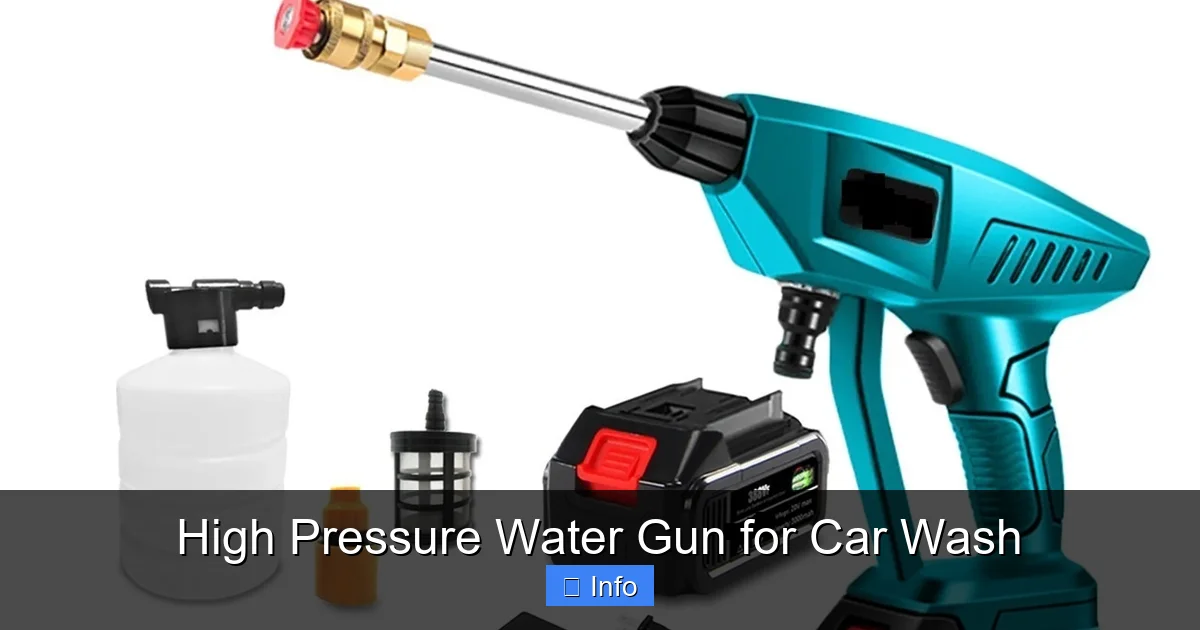
Visual guide about High Pressure Water Gun for Car Wash
Image source: i5.walmartimages.com
Hose-End Pressure Boosters
These attach directly to a garden hose. Internal venturi chambers or turbine gears amplify municipal water pressure (typically 40-60 PSI) to 200-600 PSI. They’re affordable ($25-$60), require no electricity, and are perfect for weekly maintenance washes. They won’t strip heavy tar or caked mud, but they excel at rinsing soap and loose dirt.
Electric Pressure Washer Guns
If you own an electric pressure washer (1300-2000 PSI), the gun that comes with it is often basic. Upgrading to an aftermarket professional gun with a longer lance, better trigger, and quick-connect nozzles transforms the experience. Brands like MTM Hydro, Suttner, and Mosmatic build guns rated for 4000+ PSI that last decades.
Gas Pressure Washer Guns
Gas machines (2500-4000 PSI) demand heavy-duty guns with thermal relief valves and reinforced lances. These are overkill for most car owners but essential for mobile detailers or fleet washing. They’re bulkier, louder, and require fuel—but they clean anything.
How to Use a High Pressure Water Gun Safely on Paint
Power demands respect. Follow these rules to avoid costly damage.
Maintain Proper Distance
Hold the nozzle at least 12-18 inches from the surface. Start farther back and move in until you see effective cleaning without paint vibration. Never point a 0° (red) tip at body panels—it’s a cutting tool, not a wash tool. Use 25° (green) or 40° (white) for paint; 15° (yellow) for wheels and wheel wells.
Work Top-Down, Panel by Panel
Gravity is your ally. Rinse the roof first, then windows, hood, trunk, sides. This prevents dirty runoff from re-contaminating clean areas. Keep the stream moving—dwelling on one spot concentrates heat and pressure.
Pre-Rinse Before Soap
Blast loose grit off before introducing a wash mitt. This single step eliminates 80% of swirl marks. If you use a foam cannon attachment, apply foam after the pre-rinse, let it dwell 3-5 minutes, then rinse again.
Mind the Seals and Trim
Avoid directing high-pressure water directly at window seals, door handles, emblems, or sensor housings. Water intrusion causes electrical gremlins and mold. Angle the stream 45° away from gaps.
Essential Accessories for a Complete Setup
The gun is the star, but supporting gear makes the show run smoothly.
Foam Cannon or Foam Gun
A foam cannon (for pressure washers) or foam gun (for hose-end units) blankets the car in thick suds. This lubricates the surface, encapsulates dirt, and adds dwell time for chemical cleaners. Pair it with a pH-neutral car shampoo for best results. You can explore our guide on the best car wash soap for pressure washers to find a formula that works with your foam cannon.
Extension Lance
A 24-36 inch stainless steel lance saves your back. It reaches roof centers on tall vehicles without a step stool. Some telescopic models extend to 6 feet for vans and RVs.
Water Filter / Deionizer
Hard water leaves mineral spots. An inline deionizing filter or water softener removes dissolved solids, letting you air-dry without toweling. For a deep dive, check our article on the best water softener for car wash.
Quick-Connect Fittings
Brass or stainless quick-connects on the hose, gun, and nozzles make swaps tool-free. They also prevent cross-threading plastic threads. Buy a set of 5-10 pairs so every tool connects instantly.
Maintenance and Storage Tips for Longevity
A $80 gun lasts 10 years with care. A neglected one fails in one season.
Flush After Every Use
Run clean water through the gun for 30 seconds after washing. This purges soap residue that degrades seals and attracts grit. If you used a foam cannon, detach it and rinse the gun separately.
Relieve Pressure Before Disconnecting
Turn off the water source, then squeeze the trigger to bleed residual pressure. Uncoupling under pressure blows O-rings and creates dangerous whip.
Lubricate O-Rings Quarterly
Apply silicone plumber’s grease to all visible O-rings (inlet, nozzle, lance connection) every 3 months. Petroleum jelly degrades rubber—avoid it.
Winterize Indoors
Water trapped in the lance freezes and cracks brass. Store the gun in a heated space. If that’s impossible, blow compressed air through it and pour a tablespoon of RV antifreeze into the inlet, then cycle the trigger.
Inspect for Leaks Monthly
A drip at the trigger pack means the valve seat is worn. Rebuild kits cost $10 and take 10 minutes. Ignoring it wastes water and reduces pressure.
Common Mistakes to Avoid
Even experienced enthusiasts slip up. Keep these pitfalls in mind.
Using a 0° Nozzle on Paint
It’s tempting for stubborn tar. Don’t. Use a dedicated tar remover and a microfiber towel instead. The 0° tip is for concrete and metal only.
Washing in Direct Sunlight
Heat flashes soap and water, leaving streaks and spots. Wash early morning, late afternoon, or in shade. If you must wash in sun, work one small section at a time and rinse immediately.
Skipping the Pre-Rinse
Dragging a mitt over sandy paint is like sandpaper. Always pre-rinse.
Ignoring the Undercarriage
Road salt eats frames. Use an undercarriage sprayer attachment or simply angle the gun upward behind wheels. Do this monthly in winter.
Choosing the Right Model for Your Needs
Match the tool to your reality.
Apartment / Condo Dweller (Hose Bib Only)
Pick a hose-end pressure booster with adjustable nozzle. Compact, no power cord, stores in a closet. Ideal for weekly rinses and light foam via a hose-end foam gun.
Homeowner with Garage / Driveway
Invest in an electric pressure washer (1500-1900 PSI) plus a professional aftermarket gun. This combo handles everything from cars to patio cleaning. The gun upgrade pays off in comfort and durability.
Enthusiast / Detailer (Frequent Washes, Multiple Vehicles)
Get a gas pressure washer (2.5-3.5 GPM, 2500-3000 PSI) with a commercial-grade gun, 36″ lance, and foam cannon. Add a deionizer for spot-free rinses. This is a pro setup that holds resale value.
Mobile Detailer (Portability Paramount)
Look at battery-powered portable washers with integrated tanks or a gas unit on a cart. Gun must have quick-swap nozzles and a 50-foot hose reel. Time is money—reliability trumps price.
Environmental Considerations
Washing at home sends chemicals into storm drains. Be a good steward.
Use Biodegradable, Phosphate-Free Soap
Many “car wash” soaps still contain harsh surfactants. Read labels. Phosphate-free protects aquatic life.
Capture Runoff When Possible
Wash on grass or gravel—soil filters contaminants. If on pavement, use a containment mat and wet-vac the slurry. Some municipalities require this.
Reclaim Systems for Heavy Users
If you wash daily, a water reclaim system filters and reuses 80% of water. It’s a large investment but cuts utility bills and environmental impact. Learn more in our overview of the best water recycling systems for car wash.
Conclusion
A high pressure water gun for car wash is more than a toy—it’s a force multiplier for vehicle care. It cuts wash time in half, uses less water, and protects your paint from the swirls that come from bucket-and-sponge routines. By understanding PSI limits, nozzle selection, and safe technique, you unlock professional results in your own driveway. Pair the gun with a foam cannon, quality shampoo, and a few smart accessories, and you’ll wonder how you ever lived without it. Start with a model that fits your water source and budget, maintain it religiously, and enjoy that just-detailed shine every weekend.
Ready to dive deeper? Check out our roundup of the best water gun for car wash to see top-rated models side-by-side, or explore the best high pressure car cleaning gun for premium picks that last a lifetime.
Frequently Asked Questions
What PSI is safe for washing a car?
Stay between 1200 and 1900 PSI for automotive paint. Higher pressures risk clear coat damage, especially on older or single-stage finishes. Always use a 25° or 40° nozzle and keep the tip 12-18 inches away.
Can I use a high pressure water gun with just a garden hose?
Yes. Hose-end pressure boosters amplify standard municipal pressure (40-60 PSI) to 200-600 PSI. They’re great for maintenance washes but lack the power for heavy degreasing or caked mud.
Do I need a foam cannon with my high pressure gun?
A foam cannon isn’t mandatory, but it dramatically improves cleaning. Thick foam lubricates the surface, encapsulates dirt, and reduces scratches during the contact wash. It’s a worthwhile $30-$80 upgrade.
How do I prevent water spots after rinsing?
Use a deionizing water filter or wash in shade during cooler hours. If spots form, a quick detailer spray and clean microfiber towel remove them safely. Avoid air-drying in direct sun with hard water.
What maintenance does a high pressure gun require?
Flush with clean water after every use. Lubricate O-rings with silicone grease quarterly. Store indoors above freezing. Inspect for leaks monthly and rebuild the valve seat if dripping occurs.
Can a high pressure water gun damage car seals or electronics?
Yes, if misused. Never aim directly at window seals, door handles, sensors, or electrical connectors. Angle the stream 45° away from gaps and keep distance. Use lower pressure around sensitive areas.