Car Accessories Visiting Card Design
Creating an eye‑catching car accessories visiting card design is more than just a pretty face—it’s a powerful marketing tool that builds trust, showcases professionalism, and drives new business. By focusing on clean layouts, bold colors, and clear contact info, you can turn every hand‑out into a lasting impression that turns casual browsers into loyal clients.
Key Takeaways
- Point 1: A well‑crafted car accessories visiting card design instantly communicates credibility and professionalism.
- Point 2: Simple, bold typography and a harmonious color palette make your card memorable.
- Point 3: Including essential details like logo, contact info, and a call‑to‑action ensures the card serves its purpose.
- Point 4: Choosing a designer with experience in automotive branding helps you stand out in a crowded market.
- Point 5: Distributing cards at car shows, workshops, and online forums maximizes reach and leads.
- Point 6: Digital integration, such as adding a QR code, bridges offline and online customer experiences.
- Point 7: Consistent design across all touch‑points reinforces your brand identity and builds long‑term loyalty.
📑 Table of Contents
Understanding Car Accessories Visiting Card Design
When you think about selling car accessories, the first thing that should come to mind is how you present yourself. A car accessories visiting card design is not just a piece of paper; it is a miniature billboard that travels in the pockets of your potential customers. In a market where thousands of brands compete for attention, a well‑designed card can be the difference between being ignored and being remembered. Think of it as your brand’s handshake—it should be firm, friendly, and professional.
The design process starts with understanding the audience. Are you targeting DIY enthusiasts, luxury car owners, or fleet managers? Each group has different expectations. A sports‑car owner may appreciate sleek, modern aesthetics, while a family‑oriented driver might prefer warm, trustworthy colors. By aligning the visual language with the mindset of your target customer, you increase the chances that the card will be kept rather than discarded.
Key Elements of a Winning Design
Every great car accessories visiting card design follows a set of core principles. These principles act as a blueprint, ensuring that the final product is both visually appealing and functional. Below, we break down the most important elements and explain why each matters.
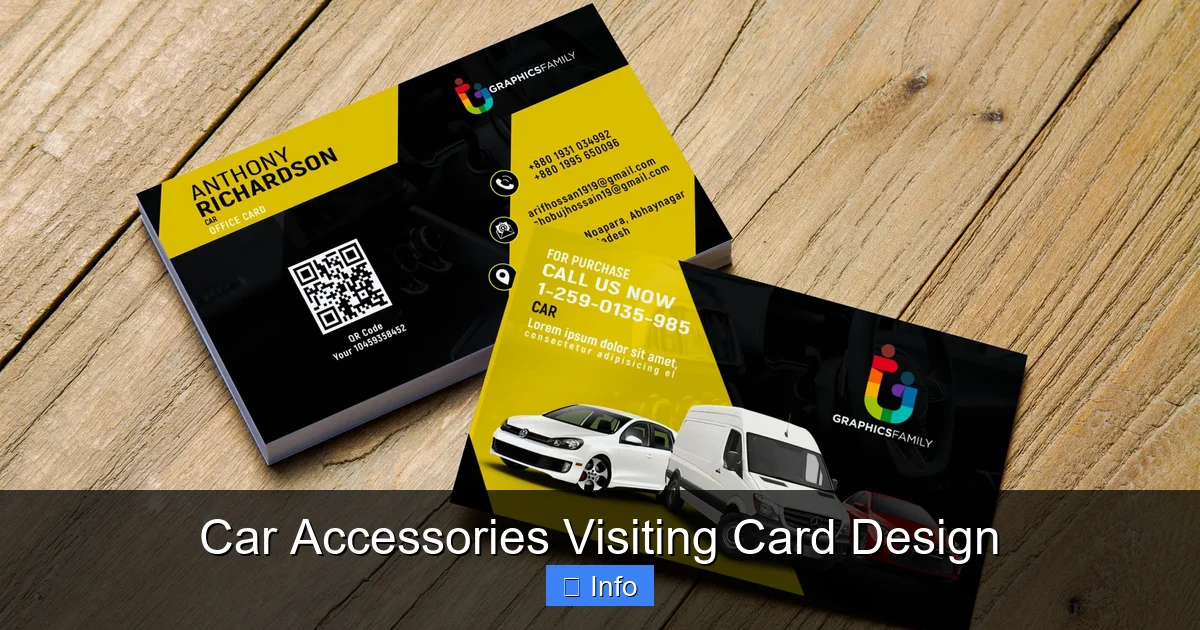
Visual guide about Car Accessories Visiting Card Design
Image source: graphicsfamily.com
Layout and Information Hierarchy
The layout determines how quickly a viewer can extract the most important information. A clean, balanced layout guides the eye from top to bottom without causing confusion. Place your logo at the top left or center—this is instantly recognizable. Below the logo, add your business name in a prominent font size. Contact details, such as phone number and email, should be easy to read but not overwhelming. Finally, a concise call‑to‑action, like “Visit our website” or “Follow us on Instagram,” gives the card a purpose.
Consider using whitespace strategically. Whitespace is not empty; it is a design tool that helps separate sections and prevents visual clutter. When you have enough breathing room, the card feels premium and the text stands out.
Color Palette and Branding
Color influences emotion and perception. For car accessories brands, colors often reflect the nature of the products. Bold reds and oranges can convey energy and speed, perfect for performance parts. Deep blues and grays suggest reliability and technology, ideal for tech‑focused accessories like GPS mounts or sound systems. Earth tones like green and brown can appeal to eco‑friendly or rugged‑use products.
Consistency is key. If your brand uses a primary color across social media, website, and merchandise, the visiting card should use the same hue. This reinforces brand recognition. Also, ensure that the chosen colors have enough contrast with the background to meet accessibility standards. A dark text on a light background is always a safe bet.
Typography and Visual Balance
Typography is the voice of your card. Choose fonts that reflect your brand personality. Sans‑serif fonts like Arial or Helvetica are clean and modern—great for tech accessories. Serif fonts like Times New Roman add a touch of elegance, suitable for luxury car décor items. Keep the font size readable; body text should be at least 8‑10pt, headings larger for hierarchy.
Visual balance means distributing visual weight evenly across the card. If you have a large image or graphic on one side, offset it with text on the other. This prevents the card from feeling lopsided and ensures that both sides are useful.
Choosing the Right Design Partner
Even the best ideas need a skilled hand to bring them to life. Selecting a design partner who understands the automotive accessories niche can save you time and money. Below are key factors to evaluate when you’re on the hunt for a designer.
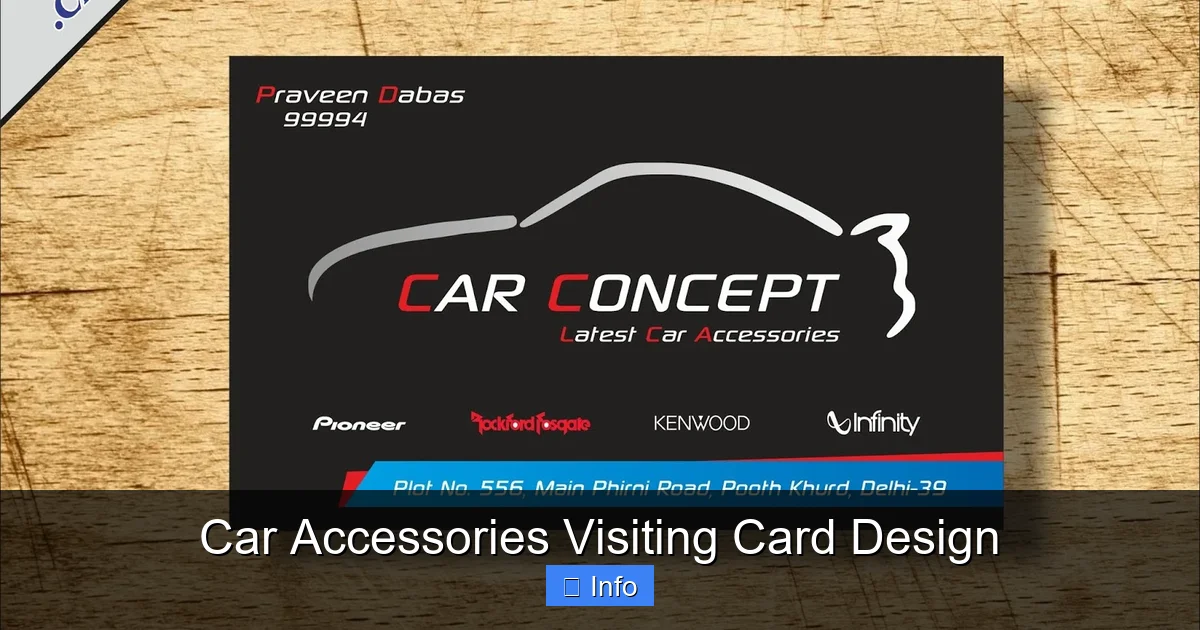
Visual guide about Car Accessories Visiting Card Design
Image source: blogger.googleusercontent.com
Assessing Portfolio
Look at past projects. Does the portfolio contain visiting cards for car accessories brands? Are the designs consistent with the brand’s personality? A strong portfolio demonstrates experience and the ability to adapt to different client needs. You can also check client testimonials or case studies to gauge satisfaction.
If you want local expertise, consider reaching out to designers in hubs like Car Accessories Indiranagar Bangalore. They often understand regional preferences and can tailor the design to local market trends.
Communication and Turnaround Time
Clear communication is essential. A designer who asks probing questions about your brand story will create a card that truly represents you. Establish a timeline early. Whether you need a quick turnaround for a trade show or a more leisurely pace for a new product launch, make sure the designer can meet your schedule without sacrificing quality.
Also, discuss revision policies. Most designers offer a set number of revisions; understand what’s included and what incurs extra cost. Transparent terms help avoid misunderstandings later.
Practical Tips for Maximum Impact
Designing a great card is only half the battle. How you use the card determines its effectiveness. Here are some practical tips to get the most out of your car accessories visiting card design.
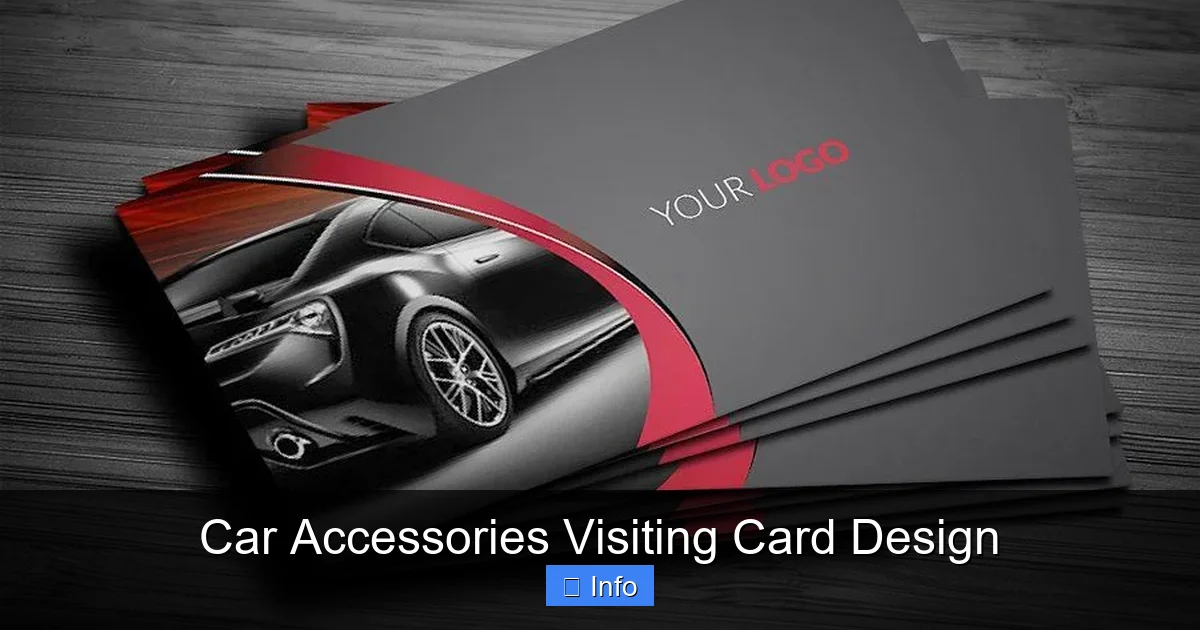
Visual guide about Car Accessories Visiting Card Design
Image source: i.pinimg.com
Distribution Strategies
Physical distribution still works wonders. Hand out cards at car shows, local auto workshops, and community events. If you run a shop, place cards on the counter and offer them as a thank‑you for purchases. Partnering with other businesses, such as detailing centers or driving schools, can also expand your reach.
When you attend a car expo, consider using a small stand that showcases a few of your accessories. The visiting card can be placed inside a product sample bag, giving prospects something tangible to remember you by.
Digital Integration
In today’s digital age, a physical card should lead to an online experience. Add a QR code that links to your website, online catalog, or a special landing page. The landing page can include a discount code for scanning the card, encouraging immediate action.
Another tip is to include your social media handles on the card. If someone follows you after receiving the card, they become part of your community, increasing the chance of future sales. You can also embed a short video or animation of your products using a QR code, making the card interactive.
When you integrate digital elements, ensure the QR code is large enough and placed in a prominent location. Test it before printing to avoid frustration for potential customers.
Conclusion: Making Your Brand Stand Out
In a market saturated with options, a well‑crafted car accessories visiting card design can be your secret weapon. It combines artistic vision with strategic marketing, turning a simple piece of paper into a conversation starter and a trust builder. By focusing on layout, color, typography, and practical distribution, you set the stage for lasting relationships with clients.
Remember, the card is not just a marketing tool; it is a reflection of your brand’s personality. Choose a design partner who understands the automotive world, use the card strategically, and watch your business grow one hand‑out at a time. With the right design, every potential customer you meet could become your next loyal advocate.
Finally, keep iterating. Gather feedback from customers who receive your cards. Are they easy to read? Do they prompt a call or a visit? Use that insight to refine your design and messaging. Over time, you’ll discover what resonates most with your audience, and your car accessories visiting card design will become an indispensable part of your growth strategy.
Frequently Asked Questions
What is a car accessories visiting card design?
A car accessories visiting card design is a custom-printed business card that showcases your brand’s identity, products, and contact information. It is specifically tailored for businesses that sell car accessories, helping them make a professional first impression.
Why is the design important for my car accessories business?
The design acts as a mini‑advertisement. A clean, visually appealing card builds credibility, reinforces brand recognition, and encourages recipients to reach out, which can lead to increased sales and customer loyalty.
What key elements should I include on my card?
Include your logo, business name, contact details, a concise value proposition, and a call‑to‑action. Adding a QR code or social media icons can bridge offline and online interactions.
How do I choose the right colors for my card?
Select colors that reflect your brand personality and appeal to your target audience. Use a primary color for emphasis and complementary shades for balance. Ensure high contrast for readability.
What is the best way to distribute these cards?
Hand them out at car shows, auto workshops, local events, and your retail location. Pairing the card with product samples or a special discount offer can increase engagement.
Should I integrate digital elements like QR codes?
Yes. A QR code linking to your website or a landing page provides a seamless digital experience, often includes a discount, and encourages immediate action from recipients.