
Top 10 Best Rust Treatments For Cars: Expert Picks
Best Rust Treatment For Cars: a practical roundup of top options to stop rust and protect metal surfaces. Whether you’re dealing with light surface rust or deeper corrosion, these treatments offer different approaches—from converters and neutralizers to rust removers. Read on to find a solution that fits your budget and DIY skill level.
Quick Product Comparison


Our Top 10 Best Rust Treatment For Cars Reviews – Expert Tested & Recommended
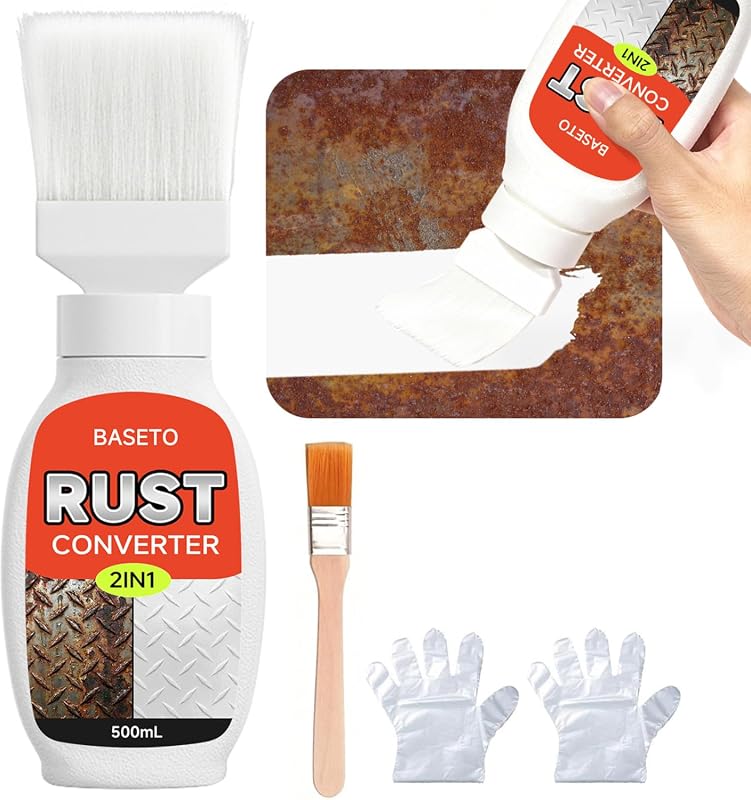
1. Generic 2-in-1 Rust Converter and Metal Paint for Metal Surfaces, Encapsulates Rust, Heat-Resistant White
intro text here (2-3 sentences only)
Key Features That Stand Out
- ✓ One-step rust converter and primer—no sanding required
- ✓ Heat-resistant finish suitable for automotive environments
- ✓ Direct-to-metal application with durable, paintable results
- ✓ Broad compatibility across automotive and industrial surfaces
Why We Recommend It
This converter offers a straightforward path to a durable base coat, reducing prep time for quick DIY rust projects. It’s particularly helpful if you’re tackling light to moderate rust and want a ready-to-paint surface.
Best For
Best for DIY enthusiasts repairing small to moderate rust on auto panels and metal components.
Pros and Cons
Pros:
- ✓ Easy to apply directly over rust
- ✓ Eliminates need for priming in many cases
- ✓ Quick drying and durable finish
- ✓ Versatile for various metal surfaces
Cons:
- Cons: Not ideal for heavy corrosion or pitting
- Limited color options (white-focused finish)
- May require additional coats for deep rust areas
Customer Reviews
Customer Review: “window.P && P.register(‘bb’);\nif (typeof ues === ‘function’) {\n ues(‘t0’, ‘portal-bb’, new Date());\n ues(‘ctb’, ‘portal-bb’, 1);\n}”
Customer Review: “sp:eh:Jv7LY/0iB0amiS11U8L0XRqHcwBLA7U5NFFKDOT75WtUjHAFbW9n6PeditSl4GpK/XOsn5GRySqDfZre8ArZ4UBZrYRQcDzQbgmbwzuJcLLcpqRcv42OeQHMpN8=”
2. Generic Rust Remover Spray

intro text here (2-3 sentences only)
Key Features That Stand Out
- ✓ Fast-acting rust removal for metal parts
- ✓ Safe on cast iron and stainless steel
- ✓ Concentrated formula for spot-treatment
- ✓ Great for car parts and tools
Why We Recommend It
It’s built for quick wins—loosen and remove visible rust without harsh scrubbing. It’s particularly handy for car parts and tools that see regular exposure to moisture.
Best For
Best for fast rust removal on small-to-medium parts.
Pros and Cons
Pros:
- ✓ Quick action with minimal effort
- ✓ Safe on common metals
- ✓ Easy to apply and rinse
- ✓ Versatile for tools and car parts
Cons:
- Cons: Repeats may be needed for heavy rust
- Some odor during application
- Contains chemicals that require ventilation
Customer Reviews
Customer Review: “window.P && P.register(‘bb’);\nif (typeof ues === ‘function’) {\n ues(‘t0’, ‘portal-bb’, new Date());\n ues(‘ctb’, ‘portal-bb’, 1);\n}”
Customer Review: “sp:eh:kt3rbyw9Uzm++FwnlxyiMh+ZtiHmmEjIw3tCPhHVOE/iotik1gWmUObhHJS5oedsbfHI41kSHVJT1sYDTRPhmTftUi4HLN44VNiYQxomkpHjHaSGy+72HkOR97M=”
Complete Buying Guide for Best Rust Treatment For Cars
Essential Factors We Consider
Choosing the right rust treatment depends on rust severity, surface area, and how you plan to finish the job. For hidden areas, look for penetrants and penetrants that get under rust. If you want a durable finish, pick a rust converter or a protective coating that can be top-coated. For indoor use, opt for low-odor formulas when possible. For more guidance, see our guides on Best Rust Proofing For Cars, Best Anti Rust Paint For Cars, and The Best Rust Protection For Cars.
Budget Planning
Rust treatment options range from affordable removers to premium converters. Set a budget based on the rust’s extent and the size of the area to treat. Remember to account for safety gear and ventilation when using chemical treatments.
Final Thoughts
Investing in the right rust treatment now can save you repair costs later. Start with a product that matches your rust level and your preferred finish, then add preventive measures like rust inhibitors to extend the life of your metal surfaces.
Frequently Asked Questions
Q: What’s the difference between a rust converter and a rust remover?
A: A rust converter chemically changes rust into a stable, paintable layer, while a rust remover dissolves or lifts rust from the surface. Converters are great when you want a durable coating, while removers are handy for more aggressive rust removal.
Q: Can I use these products indoors?
A: Some formulas are designed for indoor use, especially plant-based or low-odor options. Always check ventilation requirements and product labels before use.
Q: Do I need primer after using a rust converter?
A: In many cases, yes. Some converters provide a paint-ready surface, but for best results, apply a primer or topcoat as recommended by the manufacturer.
Q: How long does a rust treatment take to cure?
A: Drying times vary by product and conditions. Most rust converters dry to touch within a few hours, but full curing may take up to 24 hours or more depending on humidity and temperature.
If you’re ready to protect your car’s metal, start with one of these trusted rust treatments and pair it with protective measures to keep rust at bay. For more insights, explore our other guides and keep your ride looking its best.
Similar Posts
8 Best Tuners for 5.7 Hemi Ram 2500: Expert Picks
Discover the Best Tuner For 5 7 Hemi Ram 2500 and how it can unlock more power, better throttle response, and improved efficiency for your Dodge Ram. This roundup brings eight top tuners that balance performance with reliability, so you can choose the one that best fits your driving style and needs. If you’re also…
Top 10 Best Cams for 5.3 Daily Driver: Expert Picks
Best Cam For 5 3 Daily Driver explores top dash cams designed to protect your daily-drive Chevy Silverado with 5.3 engine variants in mind. This roundup highlights reliable 3-channel to 4K options that bundle easy setup, strong night vision, and user-friendly apps so you can capture every road moment. Whether you’re commuting or running errands,…
Top 10 Best 8 Inch Trailer Wheels and Tyres for Quality and Durability
Discover the Best 8 Inch Trailer Wheels And Tyres that balance durability, value, and ease of use for countless trailer setups. This round-up brings together reliable options for everything from hand trucks to camper trailers, with details to help you pick the right wheel and tire combo for your load and terrain. Quick Product Comparison…
Top 4 Best Tires for Lexus IS 350 F Sport – Expert Picks for Superior Performanc
Looking to upgrade your Lexus IS 350 F Sport with the best tires for enhanced performance, grip, and handling? The right set of tires can dramatically improve your driving experience, especially on spirited drives or wet roads. Whether you’re chasing cornering precision, all-season versatility, or a smooth daily ride, finding the perfect match matters. Quick…
Top 10 Best Cleaners for Pontoon Boat Seats: Expert Picks
Choosing the Best Cleaner For Pontoon Boat Seats is essential to keep vinyl fresh and resistant to sun damage. This roundup highlights top cleaners that tackle mildew, stains, and grime while being gentle on boat interiors. Read on to find options that balance performance with ease of use. For mildew-specific guidance, check our guide: Best…
Top 10 Best Harley-Davidson Motorcycle Tires for Unmatched Performance & Durabil
Choosing the right motorcycle tires for your Harley-Davidson is more than just a replacement—it’s about safety, performance, and the overall riding experience. Whether you’re cruising down the highway or navigating city streets, high-quality Harley-Davidson motorcycle tires can make all the difference in handling, stability, and comfort. With so many options available from trusted brands like…


