What Is Car Policy in Construction
Car policies in construction are essential frameworks that govern how vehicles are used, maintained, and insured on job sites, ensuring safety, compliance, and cost control. These policies cover everything from driver qualifications and vehicle eligibility to maintenance schedules and liability coverage, helping managers reduce risks and keep projects running smoothly.
Construction sites are bustling environments where every piece of equipment and every vehicle plays a critical role in getting the job done on time and within budget. Among the many moving parts, one often overlooked aspect is the car policy in construction. You might wonder why a construction company needs a specific policy for cars when there are excavators and cranes to manage. The truth is, cars and light vehicles are the unsung heroes of site logistics, transporting materials, shuttling workers, and connecting different project zones. Without a clear, written policy, these vehicles can become sources of accidents, delays, and unexpected costs. In this article, we’ll dive deep into what a car policy in construction really entails, why it matters, and how you can build one that protects your team and your bottom line.
Key Takeaways
- Purpose-driven rules: A car policy in construction sets clear guidelines for vehicle use, reducing accidents and ensuring site safety.
- Compliance is non-negotiable: Following local regulations and company standards helps avoid fines and project delays.
- Insurance matters: Proper coverage, including engine protect and voluntary deductibles, protects your fleet from unexpected costs.
- Maintenance routines: Regular oil checks, fuel filter replacements, and tire inspections keep construction vehicles running efficiently.
- Driver training: Certified training and safety briefings minimize risks and ensure everyone knows the rules.
- Cost control: Well-defined policies reduce fuel waste, unnecessary repairs, and insurance premiums over time.
📑 Table of Contents
- What Exactly Is a Car Policy in Construction?
- Core Elements Every Construction Car Policy Should Include
- Insurance and Liability: Protecting Your Fleet
- Maintenance Best Practices for Site Vehicles
- Safety Protocols and Training Requirements
- Common Pitfalls and How to Avoid Them
- Tips for Implementing a Successful Car Policy
- Conclusion
What Exactly Is a Car Policy in Construction?
At its core, a car policy in construction is a documented set of rules and guidelines that govern how personal and company vehicles are used, maintained, and insured on or around a construction site. Unlike general traffic laws, this policy is tailored to the unique demands of a building project, taking into account site-specific hazards, restricted access areas, and the mix of heavy machinery and light vehicles sharing the same space. The policy typically covers who can drive onto the site, what types of vehicles are permitted, required documentation such as licenses and insurance proof, and expected codes of conduct. By establishing these boundaries upfront, project managers reduce ambiguity, prevent misuse, and create a safer environment for everyone on site.
A well-implemented car policy in construction also improves overall project efficiency by standardizing expectations and reducing downtime caused by vehicle-related incidents. When every team member understands the boundaries and responsibilities, operations flow more smoothly and project timelines stay on track.
Key Objectives of the Policy
The primary goal of any car policy in construction is risk mitigation. This includes reducing the likelihood of collisions between vehicles and equipment, preventing unauthorized use of site vehicles, and ensuring that all drivers are qualified and aware of safety protocols. A secondary objective is cost control. When vehicle usage is tracked and regulated, companies can better manage fuel consumption, reduce unnecessary wear and tear, and keep insurance premiums lower. Additionally, the policy serves as a compliance tool, helping the company meet occupational health and safety regulations and avoid costly fines during audits.
Training programs should be aligned with the overall car policy in construction to ensure consistency across all shifts and project phases. Consistency reinforces the policy’s authority and makes enforcement much simpler for site supervisors.
Core Elements Every Construction Car Policy Should Include
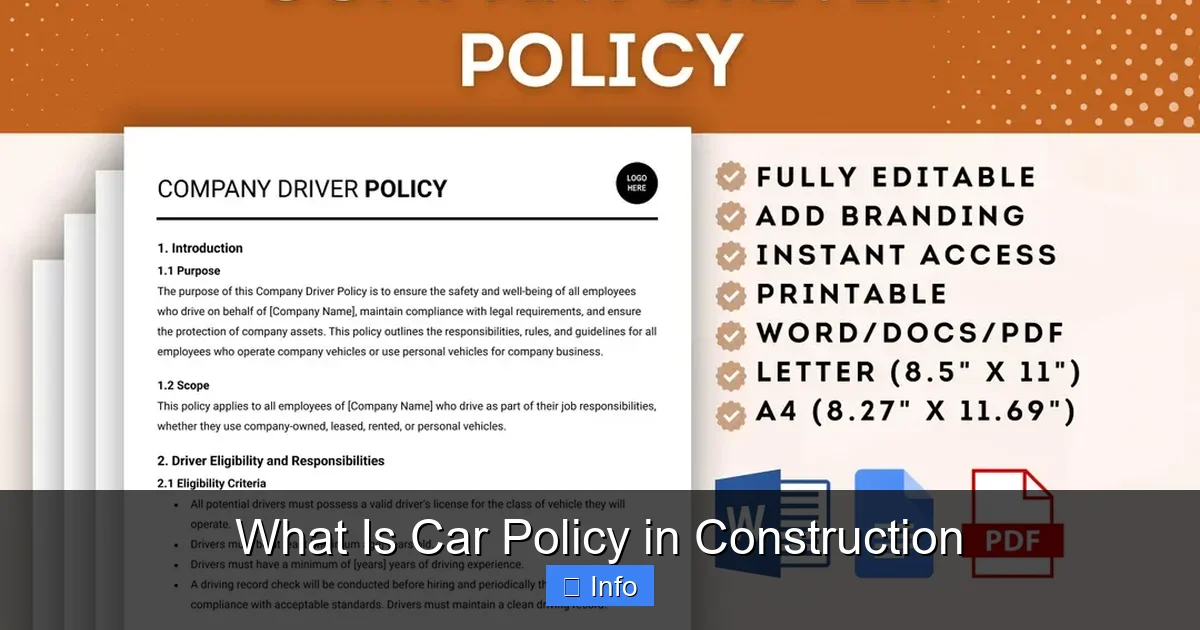
Writing a comprehensive car policy in construction requires attention to several core elements. Each piece works together to form a cohesive framework that is both practical and enforceable.
Visual guide about What Is Car Policy in Construction
Image source: i.etsystatic.com
1. Vehicle Eligibility and Access
Not every vehicle on a job site belongs to the company. Some drivers may use their personal cars for commuting, while others operate company-assigned trucks or vans. The policy should clearly define which vehicles are allowed in which zones, where parking is permitted, and what documentation drivers must present before entry. For example, company trucks might have unrestricted access to the material staging area, while personal vehicles are directed to designated parking lots away from active work zones. This separation minimizes the risk of accidental damage and keeps traffic flow organized.
2. Driver Qualification and Training
One of the most critical components of a car policy in construction is ensuring that every person behind the wheel is qualified. The policy should require valid driver’s licenses, appropriate endorsements for larger vehicles, and proof of a clean driving record. Beyond initial qualifications, regular safety briefings and site-specific training should be mandatory. New hires should receive a tour of the site’s traffic patterns, emergency exits, and no-go zones before they’re permitted to drive. Documented training records not only protect the company legally but also reinforce a culture of safety.
Training programs should be aligned with the overall car policy in construction to ensure consistency across all shifts and project phases. Consistency reinforces the policy’s authority and makes enforcement much simpler for site supervisors.
3. Usage Guidelines and Restrictions
To prevent abuse, the policy must outline acceptable vs. unacceptable uses of site vehicles. Acceptable use might include transporting tools to the job site, moving materials between zones, or commuting between the office and the project location. Unacceptable use could include joyriding, personal errands during work hours, or carrying unauthorized passengers. Clear guidelines, coupled with consequences for violations, ensure that vehicles are used responsibly and solely for project-related purposes.
Insurance and Liability: Protecting Your Fleet
No car policy in construction is complete without a solid insurance component. Construction sites are high-risk environments, and accidents involving vehicles can lead to significant financial and legal repercussions. Understanding your coverage options is essential for protecting both the company and its employees.
Types of Coverage to Consider
A comprehensive approach to the car policy in construction should include various coverage types to address different risk scenarios. General liability insurance often forms the baseline, but it may not cover every scenario specific to construction vehicle operations. Many companies add specific endorsements or separate policies to fill the gaps. Common coverage types include collision coverage, which pays for damage to the vehicle after an accident; comprehensive coverage, which protects against non-collision events like theft or weather damage; and liability coverage, which handles third-party bodily injury or property damage claims. Depending on the size of your fleet and the nature of your projects, you may also want to consider workers’ compensation for injured drivers and passengers.
Understanding Deductibles and Limits
When selecting a policy, pay close attention to deductibles and coverage limits. A deductible is the amount you pay out of pocket before insurance kicks in, and choosing a higher deductible can lower your premium—but it also means more risk if an accident occurs. Coverage limits determine the maximum amount the insurer will pay for a covered loss, and these should be set high enough to protect against worst-case scenarios, such as a major collision involving multiple injuries. Reviewing these terms annually ensures your coverage keeps pace with your growing fleet and evolving project risks.
If you’re exploring ways to safeguard your vehicles against mechanical failures, learning what is engine protect in car insurance can provide valuable insights into additional coverage options that go beyond standard policies.
Maintenance Best Practices for Site Vehicles
Even the best car policy in construction will fall short if vehicles aren’t kept in top working condition. Regular maintenance not only extends the lifespan of your fleet but also prevents breakdowns that can stall project progress and create safety hazards.
Scheduled Inspection Routines
Implement a inspection schedule that covers all critical systems. Daily walk-around checks should include looking for fluid leaks, tire damage, and loose components. Weekly inspections can dive deeper into brake functionality, light operation, and horn effectiveness. Monthly or quarterly, a certified mechanic should perform comprehensive servicing, including engine diagnostics, transmission checks, and undercarriage inspections. Keeping a log of every inspection and repair helps track patterns, identify recurring issues, and demonstrate due diligence in case of an accident investigation.
These routines support the broader car policy in construction by ensuring vehicle reliability and minimizing unplanned downtime on site.
Fluid Management and Filter Replacement
Fluids are the lifeblood of any vehicle, and construction environments are particularly harsh on engines, transmissions, and hydraulic systems. Engine oil, coolant, brake fluid, and transmission fluid levels should be checked and topped off according to the manufacturer’s recommendations. Equally important is replacing filters regularly. A clogged fuel filter can reduce engine performance and increase fuel consumption, while a dirty air filter can cause premature wear. For those interested in the technical side, understanding what is a fuel filter in a car offers practical knowledge that translates directly to better maintenance decisions on site. Similarly, maintaining proper lubrication is key, and knowing what is the right amount of oil in a car helps prevent engine strain in heavy-duty construction fleets.
Tire Care and Pressure Monitoring
Tires on construction vehicles often face rough terrain, nails, and debris, making tire health a top priority. The policy should specify minimum tread depth requirements, proper inflation pressures, and a rotation schedule. Under-inflated tires not only consume more fuel but also increase the risk of blowouts, especially when vehicles are loaded with heavy materials. A simple tire pressure gauge and a weekly check can prevent most common tire-related incidents.
Safety Protocols and Training Requirements
A robust car policy in construction is only as effective as the people who follow it. Safety protocols translate written rules into everyday actions, and thorough training ensures that every team member knows what’s expected.
Site-Specific Driving Rules
Every construction site has its own layout, speed limits, and traffic patterns. The policy should post clear signage for speed limits (often 15–25 mph in active zones), right-of-way rules, and designated travel routes. Pedestrians always have priority, and drivers must yield at all blind corners and intersection points. Adhering to the car policy in construction reduces accident risks significantly and creates a predictable environment for both drivers and workers on foot.
Emergency Procedures and Incident Reporting
What happens when an accident or breakdown occurs? The policy should outline step-by-step emergency procedures, including who to contact, how to secure the scene, and how to document the event for insurance and legal purposes. All drivers should carry a basic emergency kit—containing a first-aid kit, flashlight, reflective triangles, and a list of emergency contacts. Additionally, a simple, non-punitive incident reporting form encourages workers to report near-misses and minor collisions without fear, helping the company identify and fix systemic issues before they escalate.
Common Pitfalls and How to Avoid Them
Even well-intentioned car policy in construction documents can miss the mark if certain common mistakes are made. Being aware of these pitfalls helps you create a policy that is both practical and effective.
1. One-Size-Fits-All Approach
A flexible car policy in construction adapts to different project scales and site complexities. A policy designed for a residential renovation may not suit a large-scale commercial development. Tailor your policy to the specific site’s size, vehicle mix, and risk profile. Conduct a brief risk assessment before finalizing the document, and be prepared to adjust rules as the project evolves.
2. Lack of Enforcement
A policy sitting in a drawer does no good if it’s not communicated and enforced. Assign a specific person or team responsible for monitoring compliance, conducting regular audits, and addressing violations promptly. Use positive reinforcement for drivers who consistently follow the rules, and apply consistent consequences for repeated offenses.
3. Outdated Documentation
Driver licenses expire, insurance policies lapse, and vehicle registrations change. Build a system for regular verification, such as quarterly checks of all driver credentials and annual reviews of insurance coverage. Automated reminders can help keep everything current.
Tips for Implementing a Successful Car Policy
Transitioning to a formal car policy in construction doesn’t have to be overwhelming. With a thoughtful approach, you can roll out a policy that gains buy-in from your team and delivers real results.
Involve Your Team from the Start
Drivers are more likely to follow rules they helped create. Gathering input helps shape a car policy in construction that everyone respects. Hold a brief meeting or survey to gather input on practical concerns, such as parking challenges, preferred routes, and reasonable speed limits. When team members see their feedback reflected in the final policy, compliance rates typically rise.
Keep It Clear and Concise
Legal jargon and overly complex language can confuse drivers and create loopholes. Write the policy in plain English, use bullet points for key requirements, and include a quick-reference summary sheet that drivers can keep in their vehicles. Clarity breeds compliance.
Review and Update Regularly
Construction practices, regulations, and technology evolve. Schedule a policy review at least once a year, or whenever a major project phase changes. Update sections on insurance, vehicle types, and safety tech (like backup cameras or telematics) to keep the document relevant and effective.
By following these guidelines, you’ll build a car policy in construction that not only protects your assets but also empowers your team to work more safely and efficiently. Remember, the goal is to create a framework that supports your project’s success while minimizing risk at every turn.
Conclusion
A well-crafted car policy in construction is more than just a set of rules—it’s a strategic tool that enhances safety, controls costs, and keeps your projects on track. From vehicle eligibility and driver training to insurance coverage and maintenance routines, every element plays a vital role in creating a secure and efficient work environment. By investing time in developing a policy that reflects your site’s unique needs and by committing to regular reviews and enforcement, you protect both your people and your bottom line. Start small, gather feedback, and iterate until your policy becomes a natural part of your site’s daily operations. The peace of mind that comes from knowing your vehicle management is handled professionally is well worth the effort.
Frequently Asked Questions
What is a car policy in construction?
A car policy in construction is a set of rules governing how vehicles are used, maintained, and insured on job sites to ensure safety, compliance, and cost control. It establishes clear guidelines for driver eligibility, vehicle access, and maintenance routines.
Why is a car policy necessary for construction sites?
A car policy is necessary because it significantly reduces accident risks by defining safe driving practices and site-specific traffic rules. It also ensures regulatory compliance and helps manage insurance costs effectively.
What should be included in a construction car policy?
A comprehensive policy should cover vehicle eligibility, driver qualification requirements, usage guidelines, maintenance schedules, insurance coverage details, and safety protocols tailored to the site’s specific hazards and layout.
How often should vehicle maintenance be performed under a car policy?
Maintenance should follow a schedule of daily visual checks and weekly operational inspections to catch minor issues before they escalate. Professional servicing is typically recommended monthly or quarterly, depending on vehicle usage and manufacturer guidelines.
Can personal vehicles be used on construction sites under a car policy?
Yes, personal vehicles are often permitted in designated parking areas, but the policy should specify clear access rules, required documentation such as valid licenses and proof of insurance, and restrictions to prevent interference with operational site vehicles.
What happens if a driver violates the car policy?
Violations are typically addressed through a progressive discipline process starting with a documented warning and retraining. Repeated or severe offenses may result in suspension of driving privileges or other disciplinary actions, depending on company policy.