Top 10 Best Crossover For Car Audio: Expert Picks
If you’re building a serious car audio system, a high-quality crossover is essential to keep the signal clean and the sound balanced. This roundup of the best crossover for car audio covers top picks that help you dial in front, rear, and sub outputs with ease. For broader context on pairing these crossovers with other gear, check our guides on Best Audio Speakers For Car and Best Equalizer Settings For Car Audio Bass Mid Treble.
Quick Product Comparison
Our Top 10 Best Crossover For Car Audio Reviews – Expert Tested & Recommended
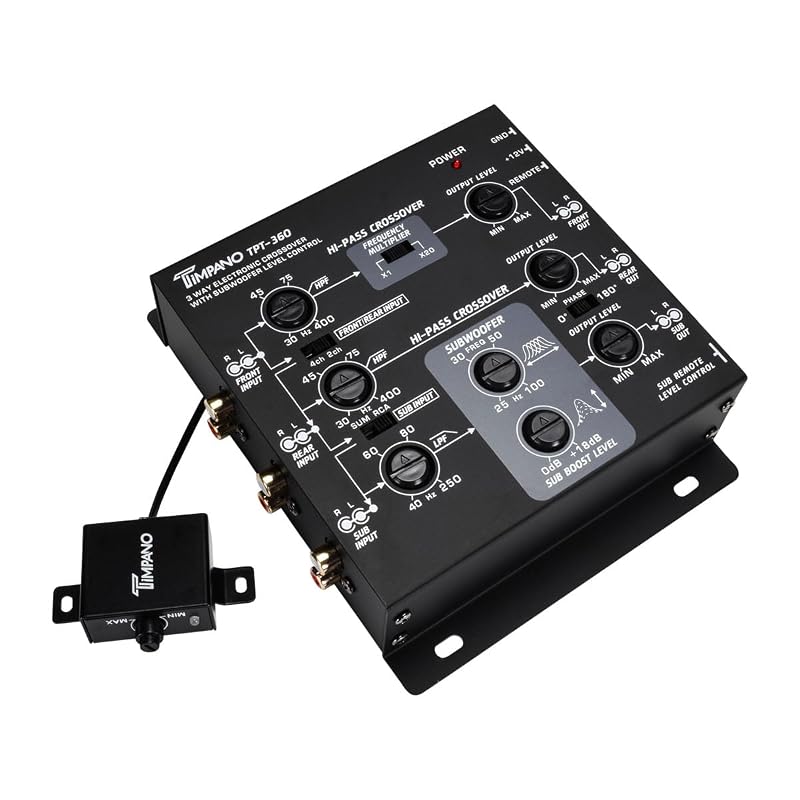
1. Timpano TPT-360 3-Way Electronic Crossover with Remote Subwoofer Control, Equalizer, and Precision Tuning
The Timpano TPT-360 stands out for its full-featured 3-way design, giving you precise control over front, rear, and sub outputs. It combines a robust crossover with an onboard equalizer and a remote subwoofer control, making it easier to dial in your sound from the driver’s seat. If you’re chasing a flexible, durable crossover for daily driving, this is a strong pick.
intro text here (2-3 sentences only)
Key Features That Stand Out
- ✓ 3-way crossover with flexible front, rear, and sub routing
- ✓ Built-in equalizer for precise tonal shaping
- ✓ Remote subwoofer control for convenient tuning
- ✓ Durable build designed for daily use
Why We Recommend It
We recommend the TPT-360 for listeners who want a versatile, feature-rich crossover that’s easy to tune over time. Its remote sub control and on-board EQ help you achieve a balanced, engaging sound without hopping between components.
Best For
Best for full three-way systems or 2-way setups with strong sub integration.
Pros and Cons
Pros:
- Excellent tuning flexibility
- Remote sub control simplifies adjustments
- Solid built and reliable performance
- Easy to install for DIY enthusiasts
Cons:
- May require additional amps or processors for maximum output
- Controls could be overwhelming for beginners
Customer Reviews
Customer Review: “The tuning options helped me sculpt a clean front stage without losing bass impact.”
Customer Review: “Solid build and easy to mount. Sub control is a nice touch.”
2. Taramps PRO 2.4S 4-Channel DSP Equalizer
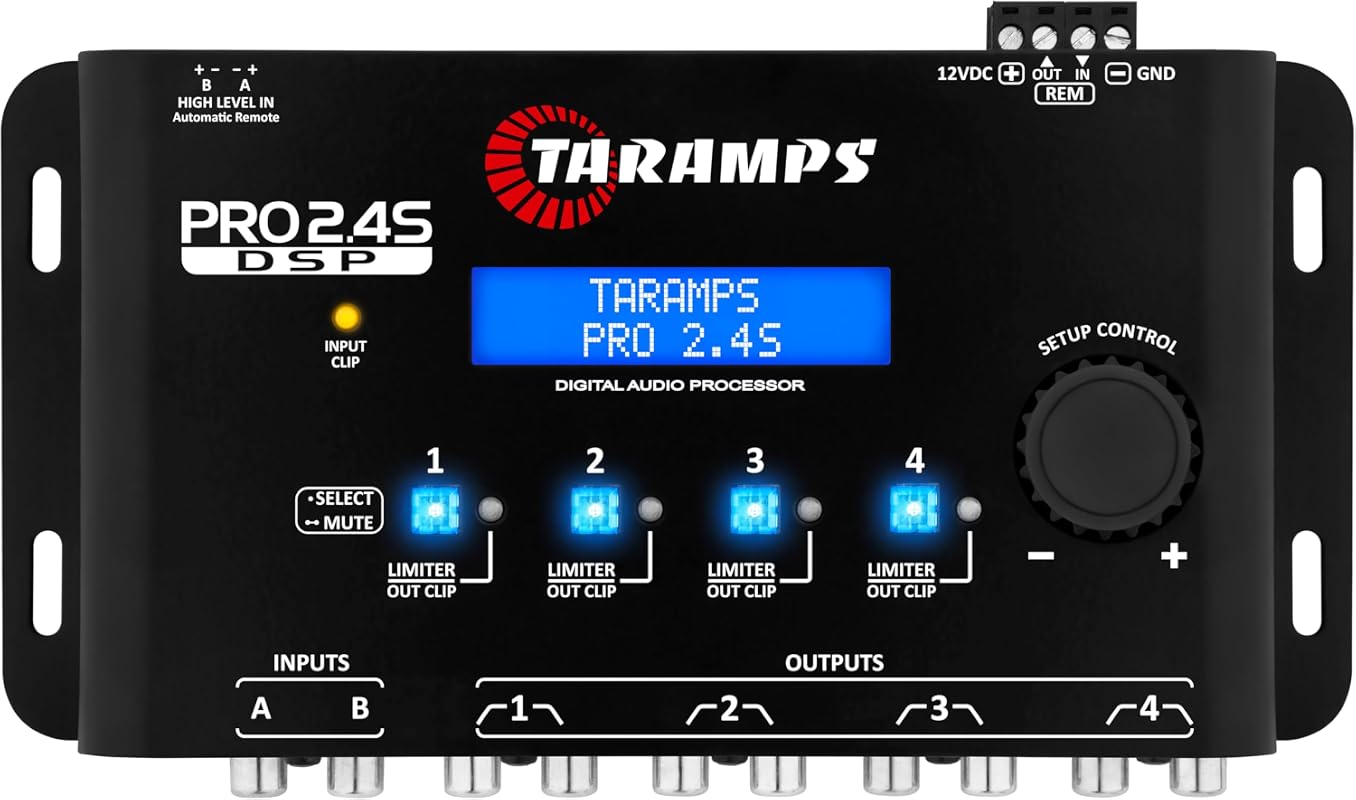
The Taramps PRO 2.4S offers a compact DSP with a 4-channel crossover and a 15-band graphic EQ, letting you precisely sculpt your sound. It’s built to handle robust car audio systems and provides time alignment and limiting for cleaner, louder output. If you want a DSP that fits in small spaces but still delivers detailed control, this is a strong contender.
intro text here (2-3 sentences only)
Key Features That Stand Out
- ✓ Graphic EQ with presets for quick tuning
- ✓ 4-channel DSP routing for flexible setup
- ✓ Time alignment and phase controls
- ✓ Reliable processing with durable build
Why We Recommend It
Great for mid-size systems where you want precision without a bulky processor. The 15-band EQ and active DSP give you the feel of a custom install at a reasonable price.
Best For
Best for 4-channel applications needing precise crossover and EQ in a compact package.
Pros and Cons
Pros:
- Excellent tone shaping
- Compact footprint fits tight installs
- Flexible routing for multiple channels
- Solid value for a DSP
Cons:
- May require learning curve for beginners
- Samsung-friendliness not relevant; ensure compatibility with your head unit
Customer Reviews
Customer Review: “Sound customization is fantastic; the EQ presets are surprisingly effective.”
Customer Review: “Setup took a bit, but the result was worth it—clean, loud, and precise.”
3. Clarion MCD360 3-Way 6-Channel Electronic Crossover
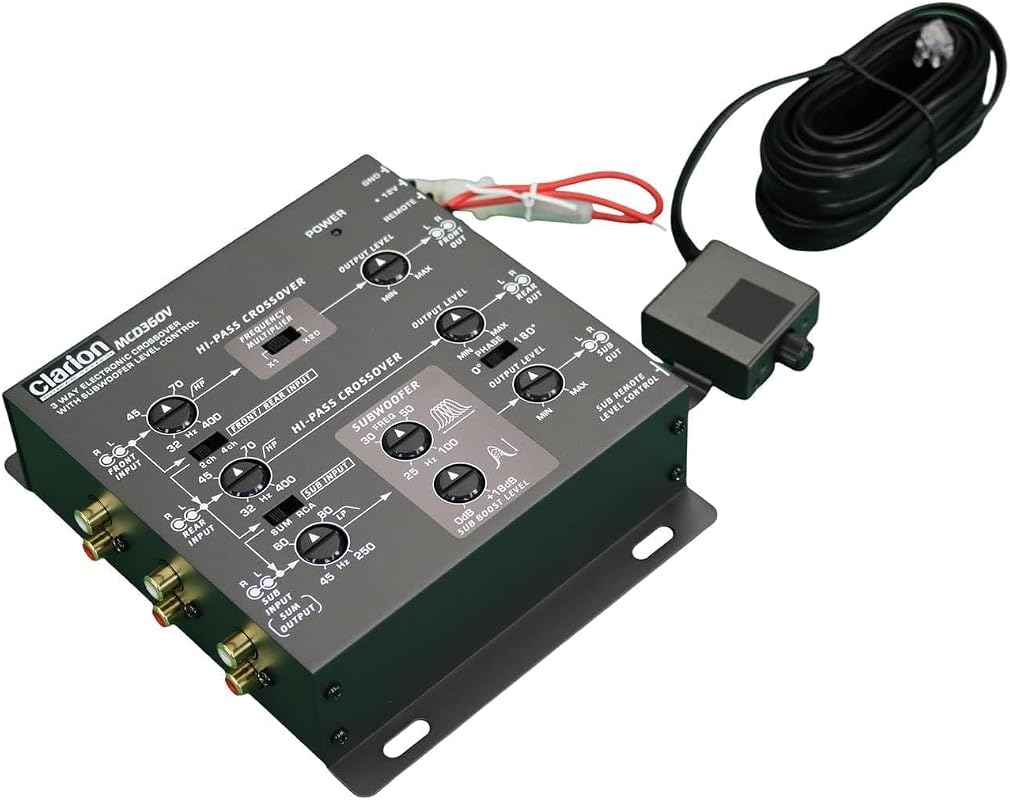
The Clarion MCD360 3-Way 6-Channel Crossover gives you a comprehensive three-way solution with subwoofer control. It’s known for solid build and dependable performance in daily driving setups. If you want a trusted brand with straightforward tuning, this is a reliable choice.
intro text here (2-3 sentences only)
Key Features That Stand Out
- ✓ 6-channel RCA inputs/outputs for versatile setups
- ✓ Subwoofer level control for flexible bass management
- ✓ Front/rear output options for system tuning
- ✓ Built-in protection and reliable performance
Why We Recommend It
Ideal for budget-minded enthusiasts who still want a capable 3-way crossover. It delivers real value with solid performance and easy upgrades to a larger system.
Best For
Best for 3-way or 2-way setups where you need reliable sub control without a DSP.
Pros and Cons
Pros:
- Solid performance for the price
- Flexible outputs for different configurations
- Reliable brand with spare parts availability
Cons:
- No built-in DSP, so tuning is more hands-on
- Basic remote control may feel limited for some users
Customer Reviews
Customer Review: “Easy to install and it cleans up the highs nicely.”
Customer Review: “Budget-friendly with surprisingly solid bass management.”
4. Taramps CRX4 4-Way Car Crossover
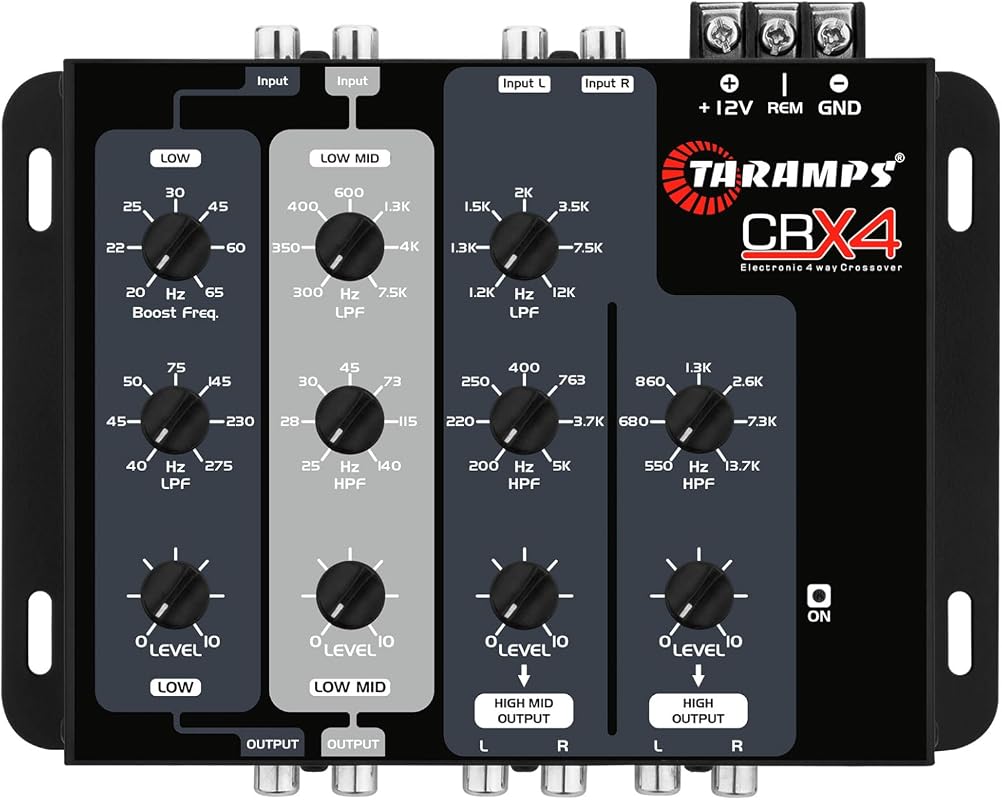
The Taramps CRX4 4-Way Crossover is designed for multi-channel setups with clean signal routing and solid performance. It offers robust compatibility with standard RCA outputs and easy integration into existing systems. If you need a versatile 4-way solution for a larger setup, CRX4 is worth considering.
intro text here (2-3 sentences only)
Key Features That Stand Out
- ✓ RCA outputs for multiple channels
- ✓ Compact dimensions fit tight installs
- ✓ Clear signal with low distortion
- ✓ Durable housing for daily use
Why We Recommend It
Good value for a 4-way crossover, delivering clear routing and reliable performance without needing extra DSP gear.
Best For
Best for larger systems needing more individual channel control.
Pros and Cons
Pros:
- Strong channel separation
- Simple, intuitive wiring
- Compact form factor
Cons:
- May require external EQ for extreme tuning
- Basic mounting options
Customer Reviews
Customer Review: “Nice build and the outputs are solid.”
Customer Review: “Perfect when you need extra channels without breaking the bank.”
5. CRX CRX-203 2-Way Passive Crossover
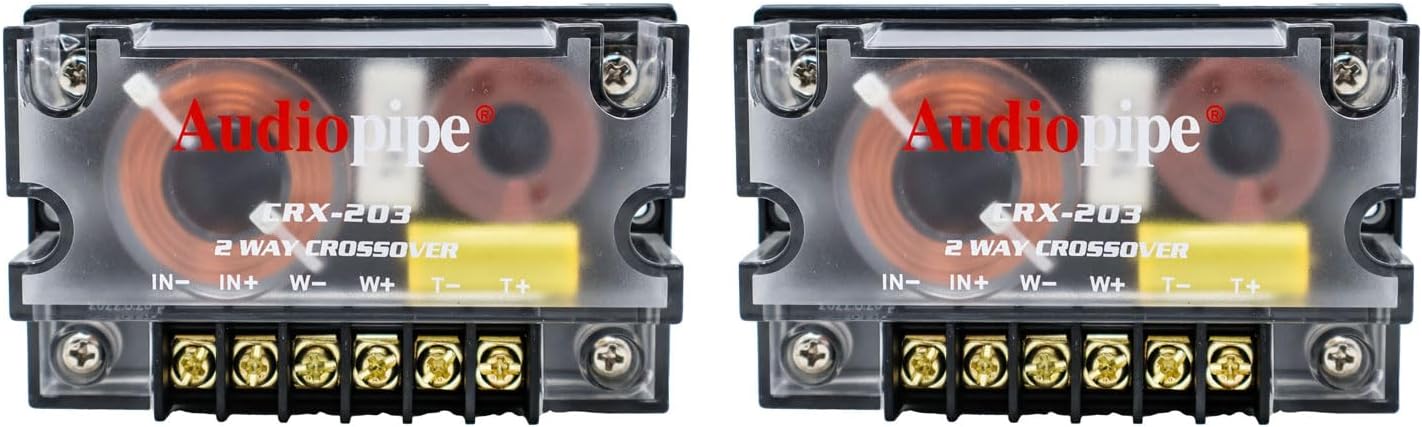
The CRX CRX-203 is a straightforward, budget-friendly 2-way passive crossover with solid performance for basic setups. It handles everyday listening well and pairs nicely with mid-range and tweeter combinations. If you’re focused on a simple, reliable upgrade, this is a dependable option.
intro text here (2-3 sentences only)
Key Features That Stand Out
- ✓ Gold-plated terminals
- ✓ 150W RMS / 300W Peak
- ✓ Simple two-way crossover design
- ✓ Durable construction
Why We Recommend It
Great entry point for those upgrading from stock or basic aftermarket systems without DSP. It provides clean crossover action at a friendly price.
Best For
Best for simple 2-way setups where you want reliable performance without extra processing.
Pros and Cons
Pros:
- Affordable upgrade
- Easy to install
- Good signal integrity
Cons:
- Limited to 2-way setups
- No DSP or advanced features
Customer Reviews
Customer Review: “Solid value and easy to wire—great for beginners.”
Customer Review: “Sound quality improved noticeably after installation.”
6. DS18 PRO-CFX 2-Way Passive Crossover for Tweeters and Mid-Range
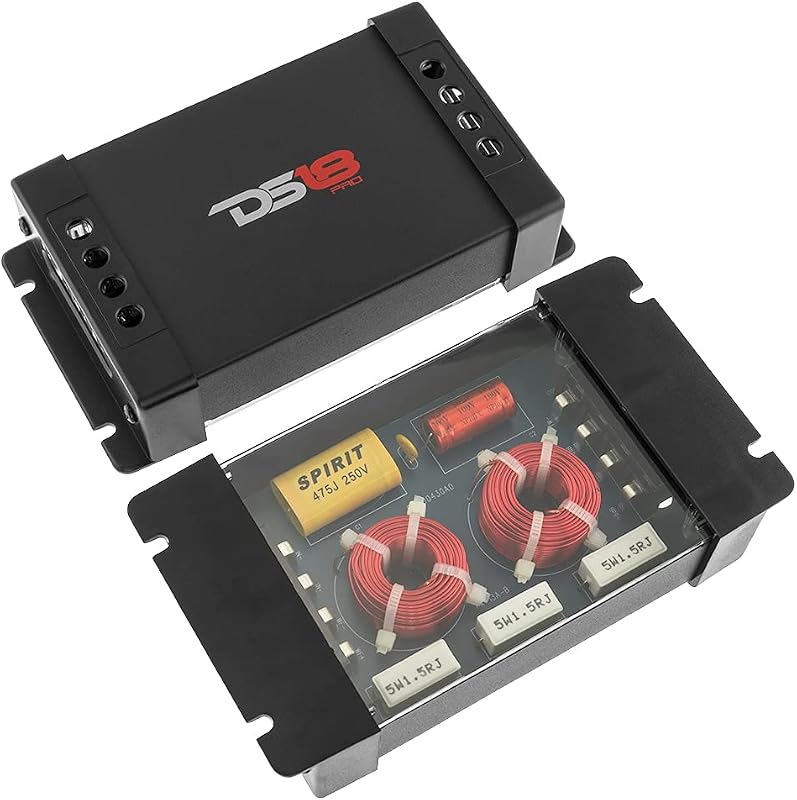
The DS18 PRO-CFX 2-Way Passive Crossover is built for high-power tweeter and mid-range applications, delivering precise frequency separation up to 300W. It’s designed for professional-grade sound shaping in car builds. If you want a two-pack setup that scales with your system, this is a solid pick.
intro text here (2-3 sentences only)
Key Features That Stand Out
- ✓ High-power handling
- ✓ Dual-pack convenience
- ✓ Precise crossover points
- ✓ Durable construction
Why We Recommend It
Excellent for enthusiasts chasing high SPL and precise control over two-way setups, with a build that can withstand demanding installs.
Best For
Best for two-speaker configurations needing clean, accurate crossover action.
Pros and Cons
Pros:
- Excellent power handling
- Compact and compatible with many systems
- Two-pack convenience
Cons:
- Not a DSP solution
- Requires proper matching components
Customer Reviews
Customer Review: “Very solid build, easy to install, and the sound is crisp.”
Customer Review: “Perfect upgrade for my two-way setup, much better clarity.”
7. Clarion MCD360V 3-Way 6-Channel Crossover
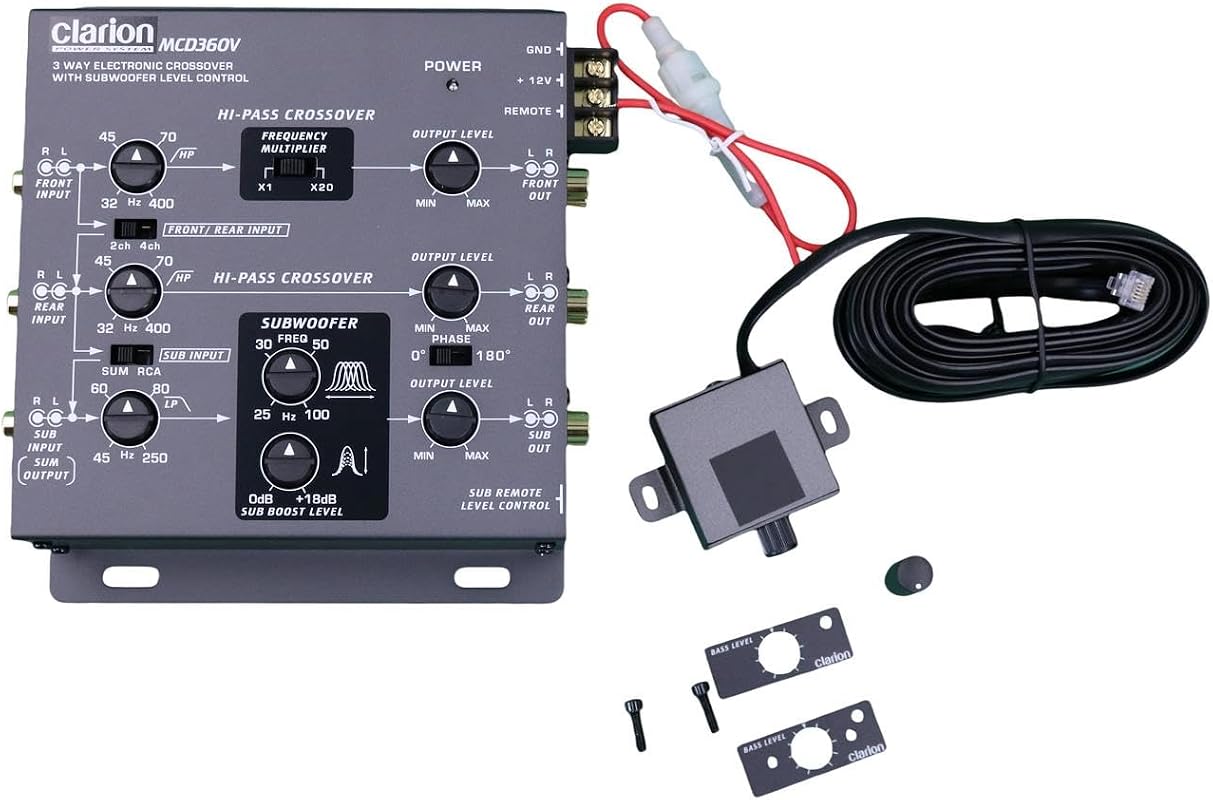
The Clarion MCD360V extends the MCD360 line with remote subwoofer level control and flexible front/rear outputs, making it a strong choice for multi-speaker configurations. It’s a robust option for enthusiasts who want control without complexity. If you value a well-known brand with reliable performance, this crossover fits the bill.
intro text here (2-3 sentences only)
Key Features That Stand Out
- ✓ Remote subwoofer level control
- ✓ Wide channel support
- ✓ Adjustable outputs for flexible installs
- ✓ Solid integration with Clarion ecosystem
Why We Recommend It
Great for owners already using Clarion gear who want consistent performance and convenient control over sub levels in a 3-way setup.
Best For
Best for Clarion-based systems requiring precise sub control and front/rear balancing.
Pros and Cons
Pros:
- Brand reliability
- Flexible output options
- Remote sub control adds convenience
Cons:
- May be overkill for simple two-speaker setups
- Installation may require careful routing
Customer Reviews
Customer Review: “Solid performance and straightforward setup for Clarion fans.”
Customer Review: “Remote sub control is a game changer for tuning.”
8. PRV Audio EX3.5 3-Way or 2-Way Electronic Crossover
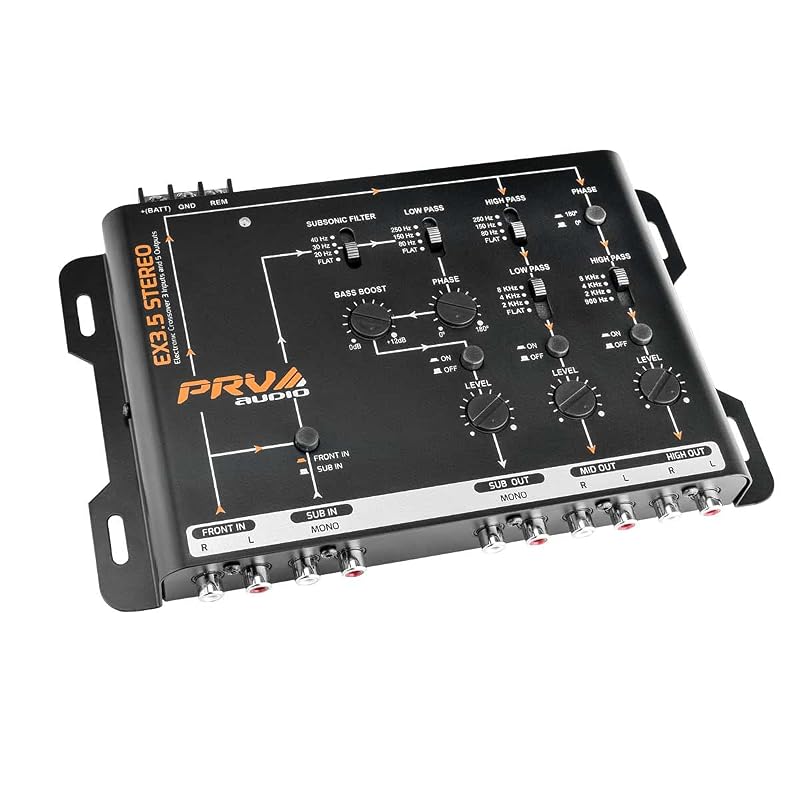
The PRV EX3.5 offers flexible 3-way or 2-way configurations with adjustable high-pass and low-pass filters, plus channel-specific output level control. It’s designed for enthusiasts who want to tailor sound with precision across multiple channels and inputs. If you’re after adaptable crossovers that can grow with your system, this is a sensible pick.
intro text here (2-3 sentences only)
Key Features That Stand Out
- ✓ 3-way or 2-way flexible configuration
- ✓ 9V operation supports robust car audio setups
- ✓ 4-in/6-out RCA channels for multiple outputs
- ✓ Adjustable high/low pass filters
Why We Recommend It
Ideal for users who want maximum configuration flexibility in a single module without adding extra DSP gear.
Best For
Best for adaptable systems that may shift from 2-way to 3-way configurations.
Pros and Cons
Pros:
- Highly configurable
- Good value for multi-mode crossover
- Solid build quality
Cons:
- Configuration can be complex for beginners
- Requires careful wiring to avoid noise
Customer Reviews
Customer Review: “Very flexible; lets me experiment with both 2-way and 3-way setups.”
Customer Review: “Solid performance, but the setup took a little time to dial in.”
9. Pyle 2-Way Electronic Crossover System
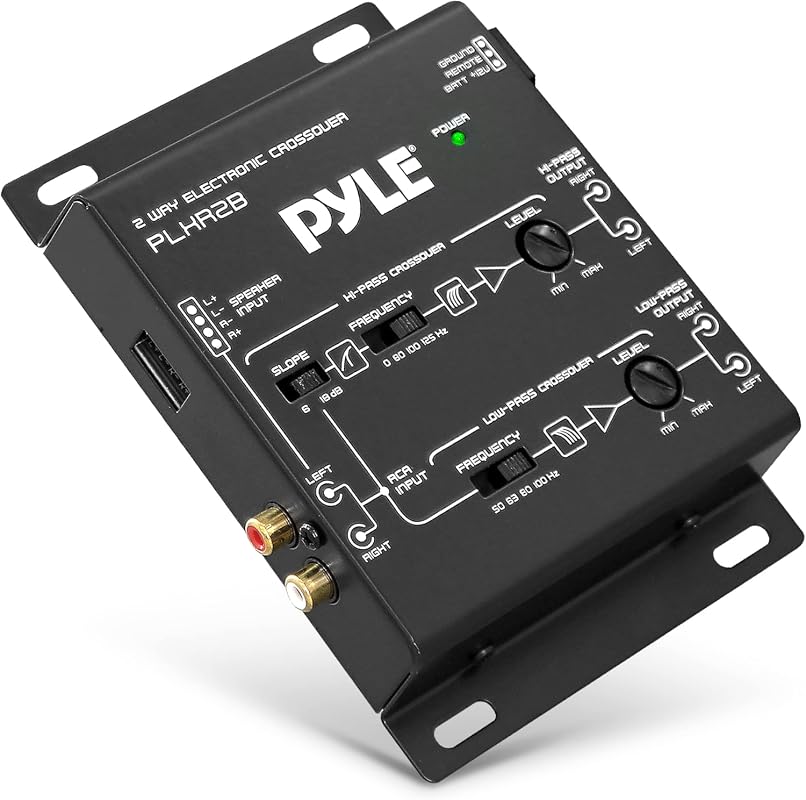
The Pyle 2-Way Electronic Crossover System brings hi-lo slope options, LED indicators, and four RCA outputs into a compact package. It’s a practical upgrade for those who want better signal separation without a DSP. If you’re after a straightforward enhancement to an existing setup, this crossover fits the bill.
intro text here (2-3 sentences only)
Key Features That Stand Out
- ✓ Hi-Lo slope options
- ✓ LED indicator for easy status checks
- ✓ Remote subwoofer control
- ✓ Four RCA outputs for multi-channel setups
Why We Recommend It
Great for budget-conscious builds that still demand better signal management than stock. It’s a reliable choice for adding a dedicated crossover stage.
Best For
Best for simple upgrades where you want more control with minimal footprint.
Pros and Cons
Pros:
- Cost-effective upgrade
- Simple to install
- Good for entry-level builds
Cons:
- Limited advanced features
- Not a DSP solution
Customer Reviews
Customer Review: “Easy to wire and improved my stage separation noticeably.”
Customer Review: “Perfect for a basic upgrade; sound quality is noticeably clearer.”
10. PRV Audio Bluetooth DSP 2.4X BT Crossover
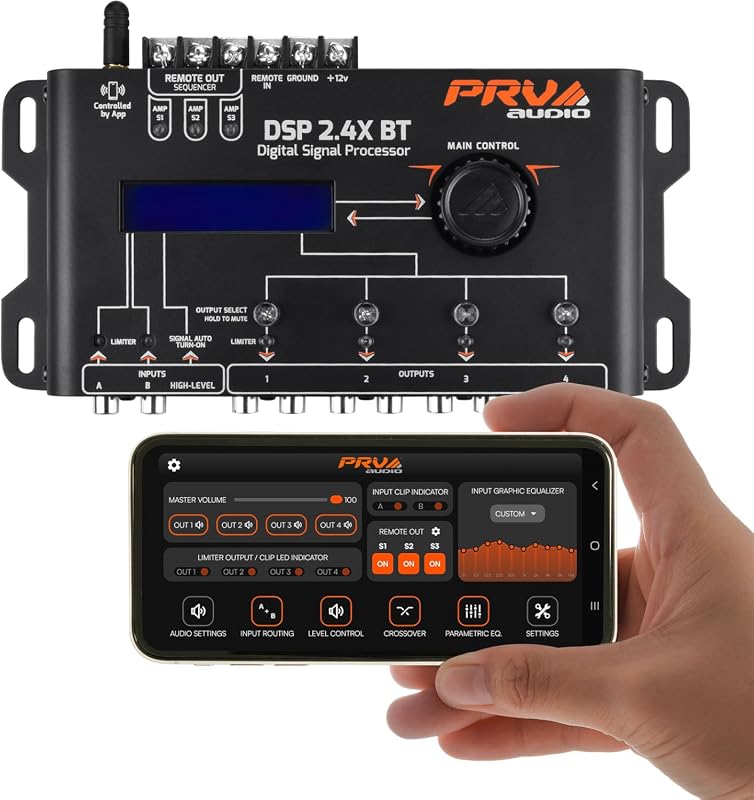
The PRV Bluetooth DSP 2.4X BT Crossover brings a modern digital signal processor with Bluetooth control, four channels, and a sequencer relay for advanced integration. It’s a feature-rich option for tech-minded audiophiles who want wireless adjustments and precise EQ. If you want a future-ready crossover with convenient remote control, this deserves a look.
intro text here (2-3 sentences only)
Key Features That Stand Out
- ✓ Bluetooth control for quick tuning
- ✓ 4-channel DSP processing
- ✓ Sequencer remote relay for advanced installs
- ✓ User-friendly interface
Why We Recommend It
Great for users seeking wireless convenience without sacrificing signal processing power. It pairs well with modern head units and mobile apps for on-the-fly adjustments.
Best For
Best for tech-forward builds that benefit from Bluetooth-based tuning and remote control.
Pros and Cons
Pros:
- Modern features and control
- Strong DSP capabilities
- Flexible channel routing
Cons:
- Bluetooth pairing may require setup
- Higher price point than basic crossovers
Customer Reviews
Customer Review: “The Bluetooth control makes tuning so much easier, especially on the go.”
Customer Review: “Excellent DSP features; good sound shaping across channels.”
Complete Buying Guide for Best Crossover For Car Audio
Essential Factors We Consider
When choosing a crossover, think about how many channels you need, whether you want DSP features, and if you have space in your dash or trunk for installation. We weigh ease of install, reliability, and how well the crossover integrates with your other components.
Budget Planning
Crossovers range from affordable passive units to feature-rich DSP processors. Set a realistic budget that aligns with your system goals, then look for a model that offers the features you’ll actually use, rather than paying for extras you won’t deploy.
Final Thoughts
Investing in a solid crossover improves overall system coherence and protects drivers from improper frequency handling. Consider your goals, space, and future upgrade path to pick a crossover that grows with your car audio setup.
Frequently Asked Questions
Q: What is a car audio crossover and why do I need one?
A: A car audio crossover separates audio signals into different frequency ranges so each speaker (tweeter, midrange, woofer) handles what it does best. This prevents distortion and improves clarity across the sound spectrum.
Q: Should I choose a passive or active crossover?
A: Passive crossovers sit between the amplifier and speakers and are simple and affordable but offer less control. Active crossovers (often DSP-based) give you precise adjustments and better overall sound shaping, especially in complex systems.
Q: Do crossovers affect bass quality?
A: Yes. Proper crossover points ensure the subwoofer isn’t fighting with mid/bass drivers, leading to tighter bass and cleaner overall sound.
Q: Can I install a crossover myself?
A: Many crossovers are DIY-friendly, but some systems require more advanced wiring and tuning. If you’re unsure, consult a professional installer or follow manufacturer installation guides closely.
If you’re ready to upgrade, start with a strong, versatile crossover from this list and pair it with the right speakers and amps. For more guidance, explore related reads like our Best Audio Speakers For Car and our Best Car Audio Receiver For Android for a cohesive, high-performance setup.