
Rubbing Compound for Car Scratches
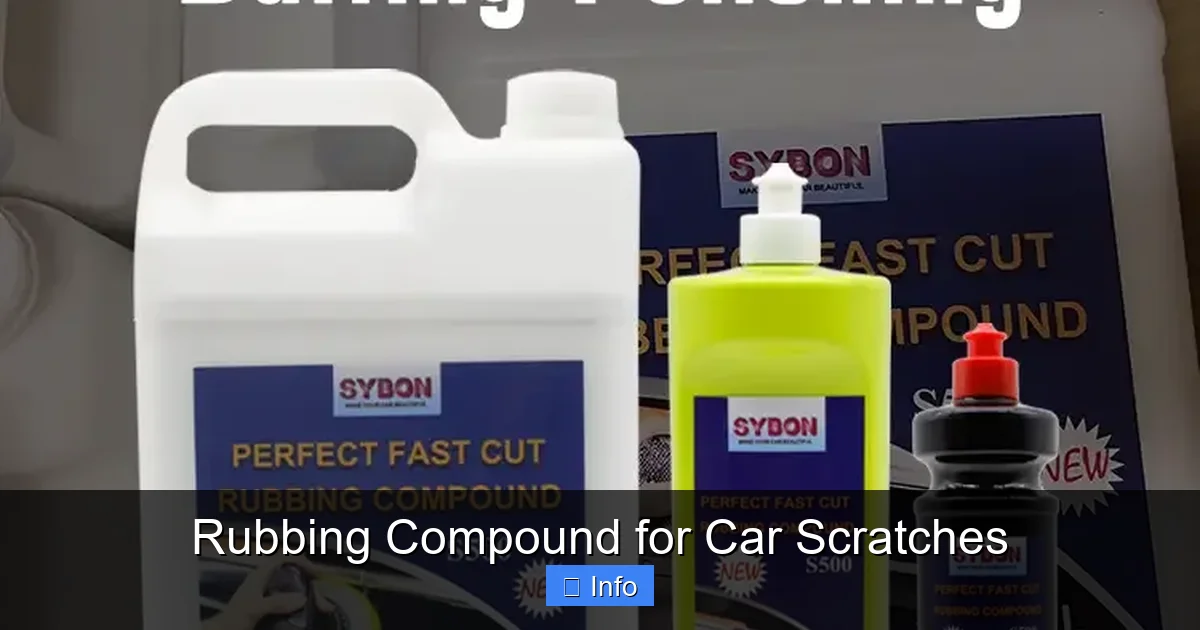
Rubbing compound quickly eliminates light to moderate car scratches and restores a glossy finish. It works by gently abrading the clear coat, leveling the surface without damaging the paint. Easy to apply by hand or machine, it delivers professional‑grade results for DIY enthusiasts and detailers alike.
Rubbing Compound for Car Scratches
You walk out to your car, coffee in hand, ready to start the day. Then you see it. A long, ugly scratch running along the driver’s door. Maybe it came from a rogue shopping cart, a careless key, or a branch that got too close. Your heart sinks a little. Your car looks older instantly, and you wonder if the only fix is an expensive trip to the body shop.
Before you book that appointment, there is something you should know. Many surface scratches can be handled at home with the right product and a little patience. One of the most effective tools for this job is rubbing compound. It is not magic, but when used correctly, it can make scratches disappear or become far less noticeable.
In this guide, I will walk you through what rubbing compound is, when to use it, and how to apply it safely. I will also share the mistakes I have made so you do not have to repeat them. By the end, you will know whether a rubbing compound for car scratches is the right solution for your vehicle.
Key Takeaways
- Match the compound to the scratch depth: light scratches need fine compound, deep ones need aggressive cutting power.
- Always clean and dry the surface first: dirt trapped under the pad causes new scratches during application.
- Work in small sections: apply compound to a two-foot area to prevent premature drying.
- Use a foam or microfiber pad: the right applicator controls cutting aggressiveness and delivers an even finish.
- Follow with polish and wax: rubbing compound removes material, so protect the restored paint afterward.
- Test in an inconspicuous spot: verify the compound won’t damage your paint before treating visible panels.
- Know when to stop: deep scratches reaching the primer need professional repair, not compound.
📑 Table of Contents
- What Is Rubbing Compound and How Does It Work?
- When Should You Use Rubbing Compound for Car Scratches?
- Step-by-Step: How to Use Rubbing Compound on Car Scratches
- Hand Application vs Machine Buffer: Which Is Better?
- Common Mistakes to Avoid (and How to Fix Them)
- Aftercare: Protecting Your Paint After Using Rubbing Compound
- Quick Reference: Scratch Depth and Treatment
- Final Thoughts
What Is Rubbing Compound and How Does It Work?
Think of your car’s paint like a sandwich. On top is the clear coat, which protects the color underneath. Below that is the base coat, or the actual color of your car. Beneath that are primer and metal. Most scratches you see every day only damage the clear coat.
Rubbing compound is an abrasive paste. It contains tiny particles that gently sand away a microscopic layer of the clear coat. When you rub it over a scratch, you are essentially leveling the surface around the scratch so it blends in with the rest of the panel. Once the rough edges are smoothed out, light reflects evenly again, and the scratch becomes much harder to see.
It is important to understand that rubbing compound removes material. It does not fill in scratches like wax might temporarily do. That means it is a permanent correction, but it also means you cannot use it endlessly without eventually wearing down your clear coat.
Rubbing Compound vs. Polishing Compound
These two products are often confused, and using the wrong one can waste your time. Rubbing compound is more aggressive. It is designed for heavier scratches, oxidation, and dull paint. Polishing compound is finer. It is used after rubbing compound to restore shine and remove any haze left behind.
If your scratch is light enough that you cannot feel it with your fingernail, you might only need polish. If you can catch your nail on it, rubbing compound is usually the better starting point.
When Should You Use Rubbing Compound for Car Scratches?
Not every scratch is a candidate for rubbing compound. Using it on the wrong type of damage can make things worse. Here is how to figure out if it is right for your situation.
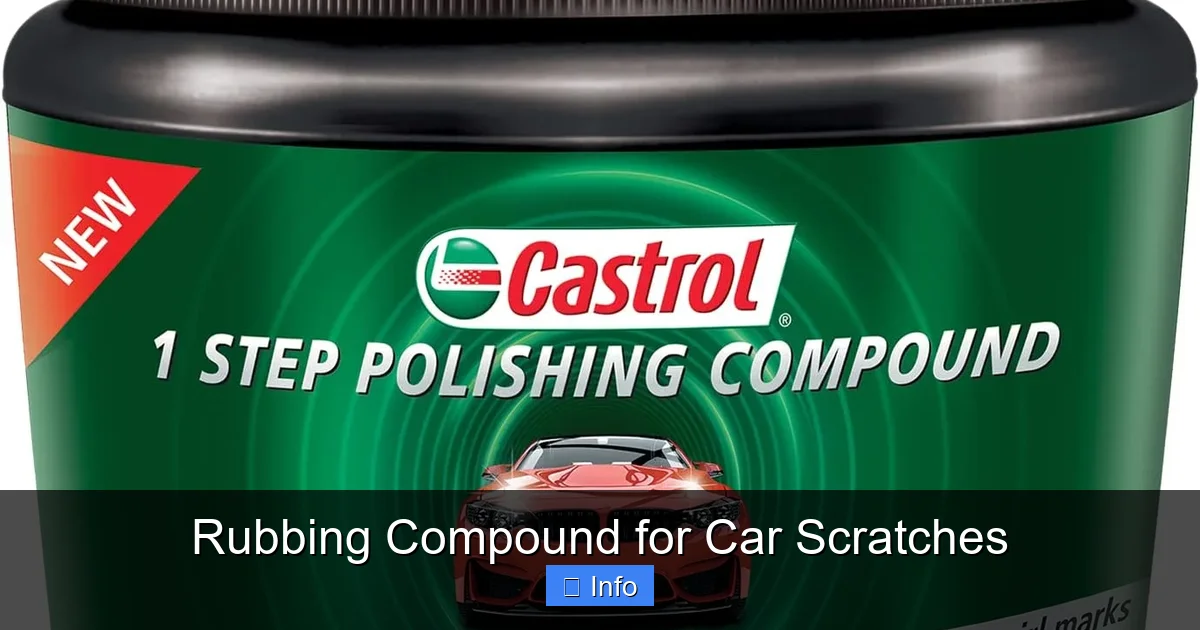
Visual guide about Rubbing Compound for Car Scratches
Image source: m.media-amazon.com
Clear Coat Scratches
These are the most common scratches. They look white or hazy and only affect the top protective layer. Rubbing compound works very well here. It removes the damaged clear coat and reveals the smooth layer underneath.
Deep Scratches That Reach the Paint
If the scratch goes through the clear coat and into the color layer, rubbing compound alone will not fix it. You might see the metal or a different color beneath the scratch. In that case, compounding can smooth the edges, but you will still need touch-up paint to fill the actual groove.
If you need help choosing a product for deeper damage, you can check out our guide on the best touch up paint for car scratches.
When Rubbing Compound Is Not Enough
Some scratches are simply too deep. If you can see bare metal or if the dent is significant, no amount of compounding will hide it. At that point, professional paintless dent repair or a body shop visit is the safer choice.
Step-by-Step: How to Use Rubbing Compound on Car Scratches
Using rubbing compound is not difficult, but it does require care. Rushing the process can leave swirl marks or remove too much clear coat. Follow these steps for the best results.
What You Will Need
- Rubbing compound
- Microfiber applicator pads or clean microfiber cloths
- Car wash soap and a bucket
- Hose or pressure washer
- Masking tape (optional, to protect trim)
- Polishing compound (for the finishing step)
- Car wax or paint sealant
The Application Process
- Wash the area first. Never rub compound over dirty paint. Dust and grit act like sandpaper and will create new scratches. Wash the panel thoroughly and let it dry completely.
- Mask off nearby trim. If you are working near plastic trim or rubber seals, tape them off. Compound can stain or dull these surfaces.
- Apply a small amount of compound. Put a dab of rubbing compound on your applicator pad. You do not need much. A little goes a long way.
- Work in small sections. Focus on a two-foot area at a time. Use circular or back-and-forth motions with light to moderate pressure.
- Check your progress frequently. Wipe away the residue with a clean microfiber towel to see if the scratch is improving. Stop as soon as the scratch is gone or significantly reduced.
- Follow up with polish. Rubbing compound can leave a hazy finish. Use a polishing compound to restore clarity and shine.
- Protect the paint. Once you are satisfied, apply wax or sealant to protect the newly exposed clear coat.
Hand Application vs Machine Buffer: Which Is Better?
You can apply rubbing compound by hand or with a machine polisher. Both methods work, but they have different pros and cons.
Applying Rubbing Compound by Hand
Hand application is slower, but it gives you more control. It is ideal for small scratches and for beginners who are afraid of burning through the paint. You will need more elbow grease, but the risk of causing damage is lower.
Using a Buffer or Polisher
A dual-action polisher or buffer can save time and deliver more consistent results, especially on larger panels. However, machines remove material faster. If you stay in one spot too long or press too hard, you can damage the clear coat.
If you decide to go the machine route, choosing the right tool matters. You can read more about options in our review of the best buffer for car scratches.
For most DIYers, I recommend starting by hand. Once you feel comfortable with the process, you can move up to a machine if you have a lot of scratches to fix.
Common Mistakes to Avoid (and How to Fix Them)
I have made my share of mistakes with rubbing compound, and I want to help you avoid them. Here are the most common pitfalls.
Using Too Much Pressure
Pressing hard does not make the compound work faster. It just removes more clear coat than necessary. Let the abrasives do the work. Use light pressure and check your progress often.
Working in Direct Sunlight
Heat causes rubbing compound to dry quickly. When it dries on the paint, it becomes harder to remove and can leave marks. Always work in a shaded area or a garage.
Skipping the Wash First
I mentioned this earlier, but it bears repeating. Rubbing compound over a dirty car is like sanding with dirt embedded in the sandpaper. You will create fine scratches all over the panel.
Forgetting to Protect the Paint Afterward
Compounding removes a layer of protection. If you do not wax or seal the area, your paint is vulnerable to UV damage and contaminants. Always finish with a protective layer.
Aftercare: Protecting Your Paint After Using Rubbing Compound
Your work is not done when the scratch disappears. The area you compounded is now more exposed than the rest of your car. Proper aftercare keeps it looking good and prevents future damage.
Waxing and Sealing
Apply a quality car wax or paint sealant after polishing. Wax adds a sacrificial layer that takes the hit from light abrasions instead of your clear coat. Sealants last longer and offer stronger protection. Either one is better than nothing.
Regular Maintenance Tips
- Wash your car regularly to remove grit that can scratch the paint.
- Use microfiber towels for drying, not old rags or paper towels.
- Park away from shopping carts and overhanging branches when possible.
- Consider a paint sealant every few months for extra defense.
Quick Reference: Scratch Depth and Treatment
| Scratch Type | How to Identify | Recommended Treatment |
|---|---|---|
| Clear coat scratch | White or hazy line; fingernail does not catch | Rubbing compound, then polish and wax |
| Paint scratch | Color visible in the scratch; fingernail catches slightly | Rubbing compound to smooth edges, then touch-up paint |
| Deep scratch to metal | Bare metal or primer visible; deep groove | Professional repair or body shop |
| Swirl marks | Fine circular scratches visible in sunlight | Polishing compound, not heavy rubbing compound |
This table is a general guide. If you are unsure about the depth of your scratch, start with the least aggressive method and work your way up only if needed.
Final Thoughts
Seeing a scratch on your car is frustrating, but it does not have to mean a costly repair. A good rubbing compound for car scratches can restore much of your vehicle’s appearance if you use it correctly and with patience.
Start with a clean surface, work in small sections, and never rush the process. Protect the paint afterward with wax or sealant, and your car will thank you with a glossy, well-maintained look.
If you are looking for product recommendations, our roundup of the best rubbing compound for cars can help you find the right option for your needs.
Take your time, protect your hands with gloves if you have sensitive skin, and enjoy the satisfaction of making your car look great again.
Frequently Asked Questions
What is rubbing compound and how does it fix car scratches?
Rubbing compound is an abrasive product designed to remove a thin layer of clear coat around car scratches. By leveling the surface, it helps make minor scratches and swirl marks less visible or disappear entirely. It’s best suited for surface-level imperfections rather than deep gouges.
Can I use rubbing compound on deep car scratches?
Rubbing compound works well on light to moderate scratches that haven’t penetrated the paint layer. If you can feel the scratch with your fingernail, it may be too deep for compound alone and might require touch-up paint or professional repair. Using it on deep scratches won’t fully restore the finish.
How do I apply rubbing compound to car scratches safely?
Start by washing and drying the area, then apply a small amount of rubbing compound to a microfiber applicator pad. Rub in circular motions with light pressure, wiping away residue with a clean cloth once the scratch fades. Always test on a small, hidden spot first to ensure compatibility with your paint.
Will rubbing compound remove scratches without damaging my car’s clear coat?
When used correctly, rubbing compound removes only a microscopic layer of clear coat to smooth out scratches. Overuse or excessive pressure can thin the clear coat over time, so it’s important to work gently and avoid repeated applications on the same spot. Finish with polish and wax to protect the treated area.
How often should I use rubbing compound for car scratches?
You should only use rubbing compound as needed when scratches appear, not as part of a regular washing routine. Frequent use can wear down your paint’s protective layers, so reserve it for noticeable imperfections. Afterward, apply wax or sealant to maintain the finish.
What’s the difference between rubbing compound and polishing compound for car scratches?
Rubbing compound is more aggressive and is meant for heavier scratches, oxidation, and paint imperfections. Polishing compound is finer and used after compounding to restore shine and remove minor haze. For best results, start with rubbing compound for scratches, then follow up with polish.


