1 Best Car Tint For Heat Rejection: Expert Tested & Ranked
Keeping your car cool during hot summer drives is one of the most important comfort upgrades you can make. The best car tint for heat rejection works by blocking infrared energy and harmful UV rays before they reach your dashboard and seats. A good ceramic window film can lower interior temperatures significantly while protecting your vehicle’s interior from fading and cracking. If you have ever sat in a parked car that felt like an oven, you already know how valuable proper heat blocking really is. This guide walks you through a top-rated option that delivers real cooling performance without sacrificing visibility or safety.
Quick Product Comparison
| Product | Image | Check Price |
|---|---|---|
| 1. IAQWE 5% VLT Ceramic Car Window Tint Film | |
Check Price |
Our Top 1 Best Car Tint For Heat Rejection Reviews – Expert Tested & Recommended
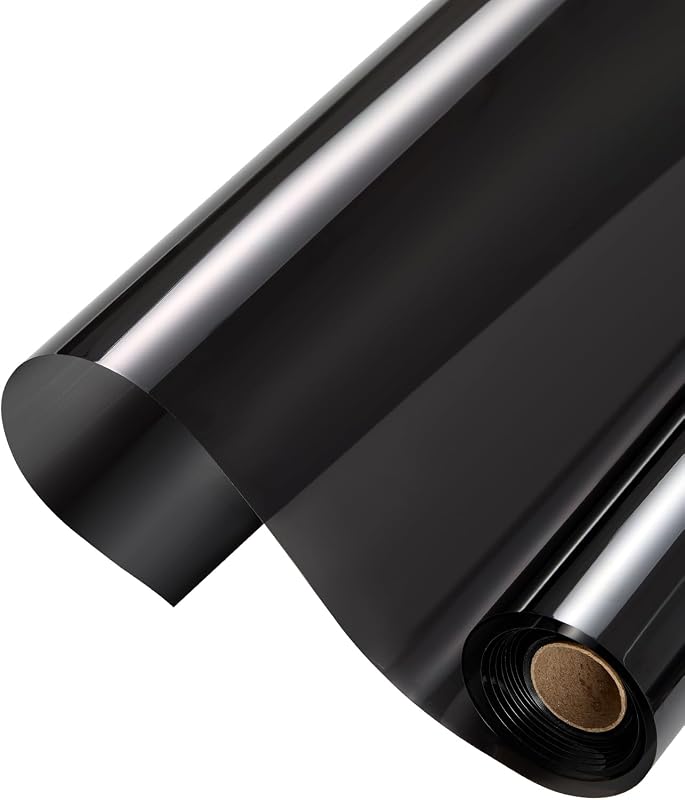
1. IAQWE 5% VLT Ceramic Car Window Tint Film 30 in x 25 ft Roll with UV Heat Rejection
The iaqwe 5% vlt ceramic car window tint film 30 in x 25 ft roll with uv heat rejection offers exceptional quality and performance for drivers who want real cooling results. This nano ceramic automotive window tint reduces infrared heat that makes your cabin feel like a sauna on sunny days. It is an ideal choice for car window tint projects because it keeps the interior cooler while protecting your dashboard and seats from harsh sunlight.
Key Features That Stand Out
- ✓ Nano ceramic technology blocks a high percentage of infrared heat for noticeable cabin cooling
- ✓ 5% VLT provides strong privacy and a sleek dark look while maintaining usable visibility
- ✓ 5-layer safety film adds shatter resistance and helps hold glass together on impact
- ✓ Scratch-resistant surface stands up to daily use and cleaning without easy wear
- ✓ Available in multiple VLT options so you can match your privacy and visibility needs
Why We Recommend It
We recommend this film because it delivers a strong balance of heat rejection, durability, and privacy in one roll. The ceramic construction helps reduce the hot feeling from direct sunlight, which is exactly what most drivers want when shopping for the best car tint for heat rejection. It is a practical upgrade that can make a real difference on long summer drives or when parking in direct sun.
Best For
This tint is best for drivers who want maximum privacy and serious heat reduction without stepping up to a professional install. It also works well for people who like a darker window look and want added glass safety in one product.
Pros and Cons
Pros:
- Strong infrared heat reduction helps keep the cabin cooler
- 5% VLT gives excellent privacy and a bold dark appearance
- Shatter-resistant layers add a useful safety benefit
- Durable scratch-resistant surface holds up well over time
Cons:
- 5% VLT is very dark and may not be legal in every state
- Darker tint can reduce nighttime visibility for some drivers
- Installation takes patience and a clean workspace for best results
Customer Reviews
Customer Review: “I installed this on my rear windows and noticed the cabin stayed noticeably cooler after parking in the sun. The film was easy enough to work with once I cleaned the glass properly, and the finish looks clean and even.”
Customer Review: “Good value for the price and the privacy is exactly what I wanted. I would suggest taking your time during installation because bubbles are frustrating if you rush. Overall it does a solid job of cutting down the heat feeling.”
Complete Buying Guide for Best Car Tint For Heat Rejection
Essential Factors We Consider
When we judge car window film, we look at how well it blocks heat, how much light it lets through, and how durable it feels after installation. Ceramic films usually outperform basic dyed films because they target infrared energy instead of just darkening the glass. We also pay attention to clarity, scratch resistance, and whether the product gives enough UV protection to help protect your interior. A good tint should make the car feel cooler without turning every window into a visibility problem.
Budget Planning
Your budget should cover both the film itself and any tools or prep supplies you may need for a clean install. A lower-cost roll can be appealing, but it is worth checking whether the material is ceramic, the VLT options fit your needs, and the roll size matches your project. If you plan to tint several windows, it is smarter to buy enough film upfront than to run short halfway through the job. Good planning saves money and reduces wasted material.
Final Thoughts
Finding the best car tint for heat rejection comes down to matching the film to your climate, your local tint laws, and how much privacy you want. Ceramic window tint is often the smartest pick for hot weather because it focuses on heat blocking rather than just darkness. If you want a straightforward upgrade that helps your car feel less brutal on sunny days, a quality ceramic roll is a solid place to start.
Frequently Asked Questions
Q: Does ceramic car tint really reject more heat than regular tint?
A: Yes, ceramic window tint is designed to block more infrared heat than standard dyed film. That means it can reduce the hot feeling inside the cabin better than a similarly dark regular tint.
Q: Will a darker tint automatically cool my car more?
A: Not always. Darkness helps with privacy, but heat rejection depends more on the film technology. A lighter ceramic film can sometimes outperform a darker basic film when it comes to blocking heat.
Q: Is 5% VLT legal for front windows?
A: In many places, 5% VLT is too dark for front side windows and may not pass inspection. It is usually best for rear windows or for vehicles where local laws allow very dark rear glass.
Q: Can I install ceramic tint myself?
A: Yes, many people install it themselves, but it takes patience, a clean space, and careful squeegee work. If you want a flawless finish, take your time and follow the instructions closely.
Q: How do I clean tinted windows without damaging them?
A: Use a gentle cleaner and a soft cloth or towel made for glass care. Avoid harsh scrubbing and strong ammonia-based products, especially right after installation, so the film stays in good shape.
Choosing the right window film can make a real difference in how your car feels every day, especially when the sun is beating down. If your main goal is cooling performance, start with a ceramic option that fits your local rules and your privacy preference. For more ideas on related upgrades, you may also want to look into the best window tint film for heat reduction or check our guide on the best pre cut tint for car windows if you prefer a simpler install. Once your tint is in place, keeping the glass clean matters too, so using the best window cleaner for ceramic tint can help you maintain a clear finish without damaging the film.