
Top 2 Best Motorcycle Tires for Commuting: Quality & Expert Picks

Every day, millions of riders hit the road on their motorcycles, relying on their tires to provide safety, performance, and peace of mind. Choosing the right motorcycle tires for commuting isn’t just about convenience—it’s about confidence in every turn, stop, and start. Whether you’re navigating city traffic or cruising down the highway, your tires are your only point of contact with the road.
Quick Product Comparison
| Product | Image | Check Price |
|---|---|---|
| 1. Michelin Road 6 Front 120/70ZR-18 | | |
Check Price |
| 2. Michelin Road 6 Rear 140/70ZR-17 | | 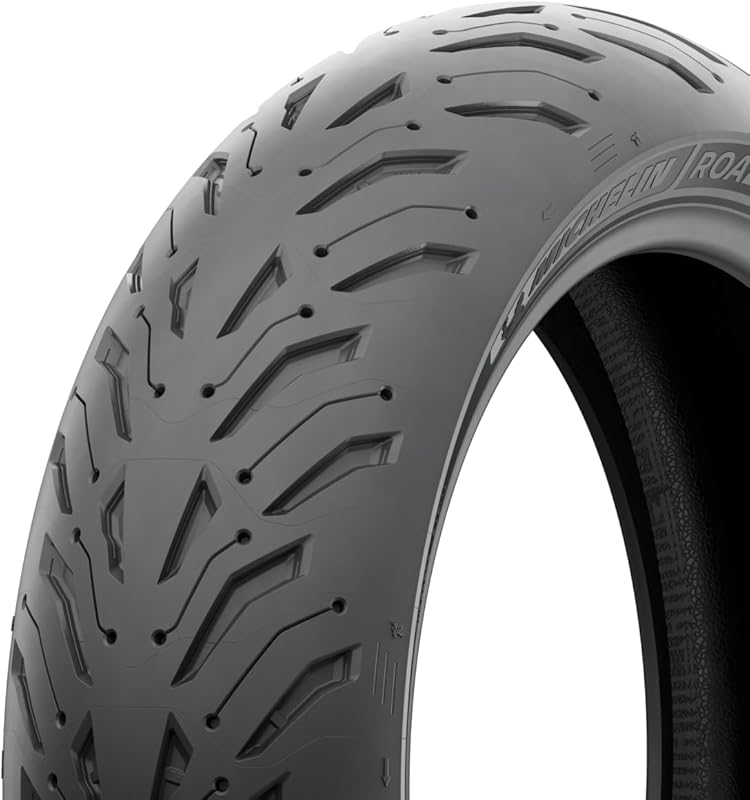 |
Check Price |
Our Top 2 Best Motorcycle Tires For Commuting Reviews – Expert Tested & Recommended
1. Michelin Road 6 Front Motorcycle Tire 120/70ZR-18 (59W) for High-Performance Riding
The Michelin Road 6 Front Motorcycle Tire is engineered for riders who demand superior wet grip and extended tread life without sacrificing performance. With 20 years of innovation behind it, this tire delivers 15% better wet braking than its predecessor and lasts up to 10% longer, making it ideal for daily commuters who want reliability mile after mile.
Key Features That Stand Out
- ✓ 100% Michelin Silica Technology for enhanced wet traction
- ✓ 15% more grip in wet conditions compared to the Road 5
- ✓ 10% longer tread life for extended durability
- ✓ Optimized for front-wheel stability and cornering precision
- ✓ Compatible with a wide range of sport and naked bikes
Why We Recommend It
This tire strikes the perfect balance between performance and longevity. Riders consistently report confidence-inspiring handling in both dry and wet conditions, while the extended wear life means fewer replacements and better value over time. It’s especially praised by those who commute long distances regularly.
Best For
Perfect for daily commuters riding sport, naked, or standard motorcycles, particularly in areas with frequent rain or variable weather conditions.
Pros and Cons
Pros:
- Exceptional wet weather performance
- Long-lasting tread wear
- Smooth, predictable handling
- High-quality construction and materials
Cons:
- Higher price point than budget options
- Limited availability in certain rim sizes
- May require professional installation for some models
Customer Reviews
“These tires are fantastic. I put them on my Ninja650 and found they’re perfect in rain and sun. They’re confidence inspiring, and they grips perfectly in the corners.”
“I’ve put about 3-4k miles on these and I can BARELY see it starting to flatten. I mostly use my bike for commuting in Phoenix which has a lot of straight roads with almost no turns and despite that, its barely worn down.”
2. Michelin Road 6 Rear Tire 140/70ZR-17 for Enhanced Grip and Durability
Designed to match the performance of its front counterpart, the Michelin Road 6 Rear Tire offers unmatched grip, stability, and durability for everyday riding. Featuring advanced silica compounds and Water Evergrip Technology, it provides excellent control in challenging conditions while delivering impressive tread life for a rear tire.
Key Features That Stand Out
- ✓ 100% Silica compound for superior wet adhesion
- ✓ Water Evergrip Technology enhances water evacuation
- ✓ 10% longer lifespan than previous generation
- ✓ Optimized for high-speed stability and lean-angle confidence
- ✓ Ideal pairing for the Michelin Road 6 Front Tire
Why We Recommend It
Riders love how this rear tire maintains traction through hard braking and aggressive cornering, all while showing minimal wear even after thousands of miles. Its balanced design makes it a standout choice for those upgrading from older tire models or seeking consistent performance across seasons.
Best For
Best suited for sport-touring and commuter motorcycles requiring a rear tire that handles both city streets and occasional highway runs with equal poise.
Pros and Cons
Pros:
- Outstanding wet and dry traction
- Durable construction with extended tread life
- Improves overall bike balance and handling
- Reliable performance under varied loads
Cons:
- Can feel slightly stiff on low-power bikes
- Requires proper alignment during installation
- Premium pricing reflects quality but may deter budget buyers
Customer Reviews
“These tires are fantastic. I put them on my Ninja650 and found they’re perfect in rain and sun. They’re confidence inspiring, and they grips perfectly in the corners.”
“I’ve put about 3-4k miles on these and I can BARELY see it starting to flatten. I mostly use my bike for commuting in Phoenix which has a lot of straight roads with almost no turns and despite that, its barely worn down.”
Complete Buying Guide for Motorcycle Tires for Commuting
Essential Factors We Consider
When selecting the best motorcycle tires for commuting, we evaluate several critical factors: wet grip performance, tread life, mileage ratings, and compatibility with your bike’s make and model. Commuters face diverse conditions—rain, heat, potholes, and daily wear—so durability and safety go hand in hand. Look for tires with silica-based compounds and reinforced sidewalls for added protection against punctures and road debris.
Budget Planning
Tire costs vary widely, but investing in a mid-to-high-range option like the Michelin Road 6 series pays off in reduced replacement frequency and improved safety. While budget tires may save money upfront, they often wear faster and compromise handling. Plan for an average spend of $120–$200 per tire depending on size and brand, remembering that buying a full set at once ensures even wear and optimal performance.
Final Thoughts
For anyone making the daily trek to work or running errands on two wheels, choosing reliable commuter motorcycle tires is non-negotiable. The Michelin Road 6 series stands out not just for its engineering but for real-world results reported by thousands of riders. Prioritize safety, longevity, and weather adaptability—your ride depends on it.
Frequently Asked Questions
Q: How often should I replace motorcycle tires for commuting?
A: Replace your motorcycle tires when tread depth reaches 3/32 inches or earlier if sidewall damage, uneven wear, or age (typically every 5–7 years) occurs. Regular inspections help catch issues before they become dangerous.
Q: Can I mix different brands of tires on my motorcycle?
A: It’s generally not recommended to mix tire brands or models unless specified by your manufacturer. Mismatched tires affect handling, braking distance, and stability—especially important during emergency stops or sudden maneuvers.
Q: Do I need to rebalance my wheels after changing tires?
A: Yes, always rebalance your wheels when installing new tires. Even small imbalances cause vibrations at higher speeds and accelerate wear on suspension components. Most tire shops include balancing with installation.
Q: Are tubeless tires better for commuting?
A: Tubeless tires offer several advantages for commuters: easier flat repairs, lower weight, and improved heat dissipation. Many modern motorcycles come equipped with tubeless-ready rims and tires, making them a smart long-term investment.
Q: What’s the difference between touring and commuter tires?
A: Touring tires focus on comfort, long-distance stability, and load capacity, while commuter tires prioritize agility, quick response, and all-weather performance. Choose based on how far and how often you ride each day.
Choosing the right motorcycle tires for commuting doesn’t have to be overwhelming. With the Michelin Road 6 Front and Rear Tires leading the way, you get proven performance, lasting durability, and confidence in every mile. Whether you’re dodging traffic in the city or enjoying weekend escapes, these tires are built to keep you safe and connected to the road. Ready to upgrade? Click through to check current prices and secure yours today—your next ride deserves nothing less.