Best Time to Visit Spiti Valley by Car
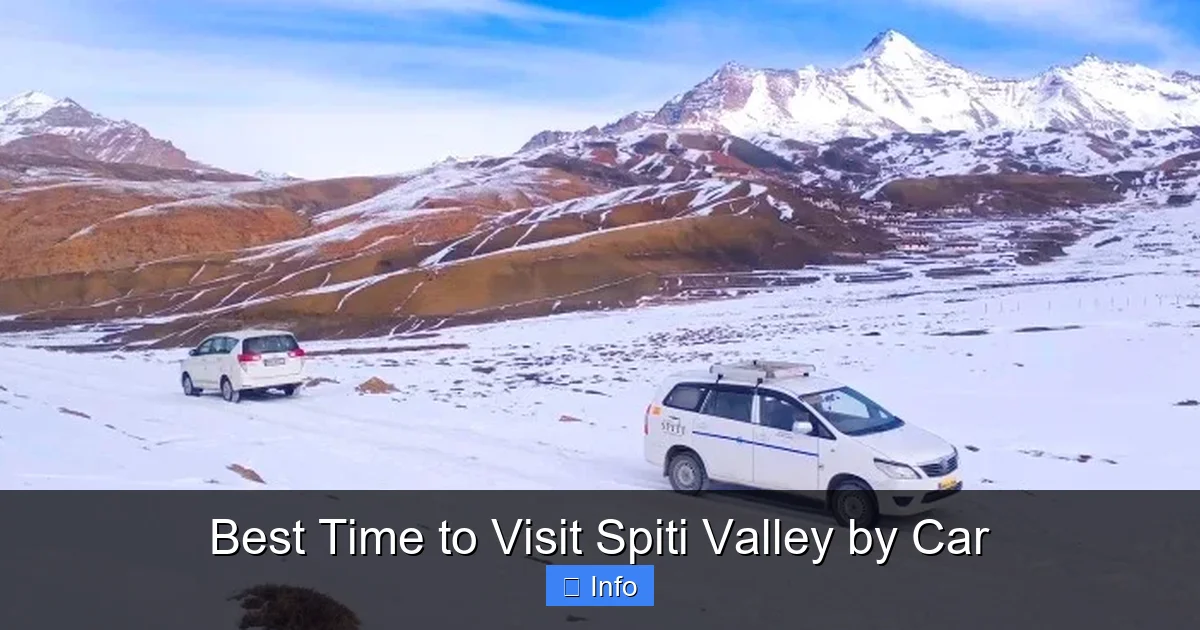
The best time to visit Spiti Valley by car is from late May to early October when roads are open and weather is pleasant. Summer offers clear skies, while autumn brings stunning colors and fewer crowds.
Planning a road trip to the cold desert of Spiti Valley is a dream for many drivers. The region’s dramatic landscapes, ancient monasteries, and high‑altitude passes make it a bucket‑list destination. But the Himalayas are unforgiving, and the best time to visit Spiti Valley by car can make or break your journey. In this guide we break down each season, share practical driving tips, and help you decide when to hit the road.
Before you pack, remember that Spiti sits above 3,500 meters. Altitude sickness, sudden weather changes, and rough roads are part of the adventure. Knowing the best time to visit Spiti Valley by car lets you prepare the right vehicle, permits, and mindset. Let’s dive into the seasonal calendar so you can plan with confidence.
Key Takeaways
- Summer (May‑June): Ideal for first‑timers; all passes are open and temperatures are comfortable.
- Monsoon (July‑September): Landslides risk rises; only experienced drivers should attempt the route.
- Autumn (October‑November): Crisp air, vivid landscapes, and lighter traffic make it a sweet spot.
- Winter (December‑March): Roads close at high passes; only specialized vehicles and local guides can enter.
- Vehicle prep: High‑clearance 4×4, spare tires, and extra fuel are non‑negotiable.
- Permits: Inner Line Permit required for foreign nationals; Indian citizens need a valid ID.
📑 Table of Contents
Why Timing Matters for a Spiti Road Trip
Road Access and Pass Status
The two main gateways to Spiti are the Manali‑Kaza route (via Rohtang and Kunzum passes) and the Shimla‑Kaza route (via Narkanda and Sumdo). Both high passes close under heavy snow. The best time to visit Spiti Valley by car aligns with the months when these passes are officially open. Typically, Rohtang opens in late May and Kunzum follows in early June. The Shimla side often opens a week earlier.
Weather and Visibility
Clear skies mean spectacular views of snow‑capped peaks and turquoise rivers. Summer brings stable weather, while monsoon clouds can hide the scenery and trigger landslides. Autumn offers crisp visibility and vibrant foliage. Winter transforms the valley into a white wonderland but shuts down most roads.
Crowds and Accommodation
Peak summer sees a surge of tourists, especially in July and August. Booking homestays and campsites early is essential. Autumn and early summer are quieter, giving you more space at popular spots like Key Monastery and Chandratal Lake.
Summer (May to June) – The Peak Season
Road Conditions
By late May the Border Roads Organisation clears snow from Rohtang and Kunzum. The asphalt is mostly intact, though you’ll encounter gravel stretches near Losar and Kaza. A high‑clearance 4×4 handles these sections comfortably.
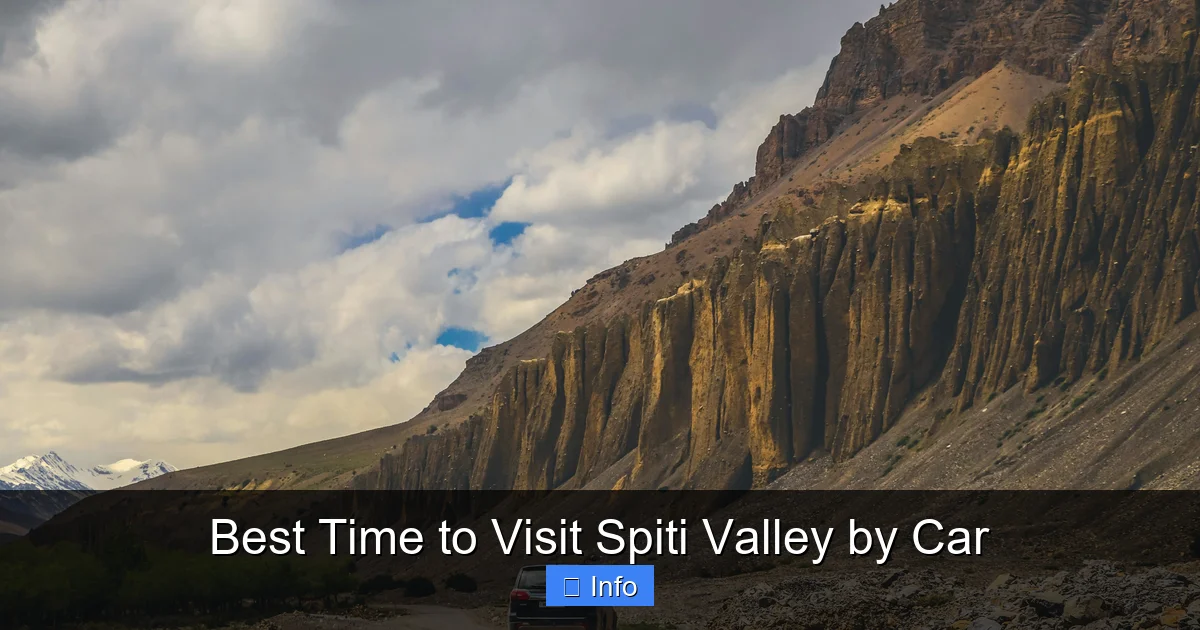
Visual guide about Best Time to Visit Spiti Valley by Car
Image source: tripstorz.com
Temperature and Daylight
Daytime highs hover around 15‑20 °C, nights drop to 5‑10 °C. Long daylight hours (up to 14 hours) give you ample time to explore side valleys like Pin and Lingti.
Practical Tips
- Start early from Manali to cross Rohtang before afternoon traffic builds.
- Carry extra fuel; the last reliable pump is at Tandi, 100 km before Kaza.
- Acclimatize at Manali (2,050 m) for a night before ascending.
If you’re departing from Chandigarh, you can check the distance between Chandigarh to Manali by car to plan your first leg. Many travelers also book a Chandigarh to Manali tour package by car that includes a guided drive to Spiti.
Monsoon (July to September) – Challenges and Rewards
Landslide Risk
Heavy rain triggers frequent landslides on the Manali‑Kaza highway, especially around Gramphu and Batal. The Shimla route faces similar issues near Narkanda. Authorities may close passes for days.
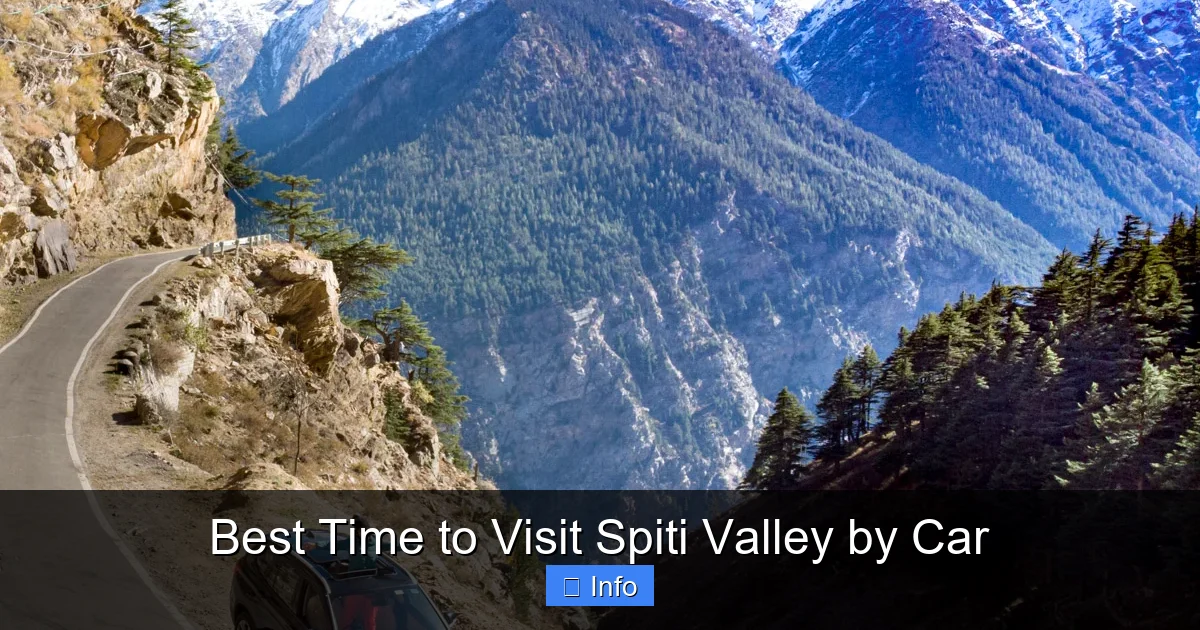
Visual guide about Best Time to Visit Spiti Valley by Car
Image source: bruisedpassports.com
River Crossings
Glacial melt swells the Chandra and Spiti rivers. Some low‑lying bridges become impassable. Only attempt this season if you have experience driving in mud and fast‑changing conditions.
Unique Scenery
Despite the hazards, monsoon paints the valley green. Wildflowers bloom, and waterfalls cascade down cliffs. Photographers love the dramatic clouds hugging the peaks.
Safety Checklist
- Monitor daily road bulletins from the Himachal Pradesh Public Works Department.
- Carry a satellite phone or emergency beacon.
- Travel in a convoy; solo driving is discouraged.
Autumn (October to November) – The Sweet Spot
Stable Weather
Post‑monsoon, the skies clear and temperatures settle between 10‑15 °C daytime and near freezing at night. Roads remain open until the first heavy snowfall, usually mid‑November.

Visual guide about Best Time to Visit Spiti Valley by Car
Image source: noblehousetours.com
Color Palette
Poplar and willow trees turn gold, contrasting with the stark brown mountains. This is the best time to visit Spiti Valley by car for landscape photography.
Fewer Tourists
Crowds thin out after the summer rush. You’ll find better rates at homestays and more personal interactions with locals.
Preparation
- Pack layered clothing; temperature swings are sharp.
- Check the status of Kunzum Pass daily; it may close early if snow arrives.
- Refuel at Kaza before heading to remote villages like Mudh or Demul.
Winter (December to March) – For the Brave
Road Closures
Both Rohtang and Kunzum remain buried under meters of snow. The only viable entry is via the Shimla‑Kinnaur‑Sumdo route, which stays open longer but still faces frequent closures.
Specialized Vehicles
Only heavily modified 4×4s with snow chains, winches, and high‑altitude engines can attempt winter travel. Many visitors opt for a guided expedition with local drivers.
Unique Experiences
Frozen waterfalls, ice‑covered Chandratal, and the chance to witness Losar (Tibetan New Year) celebrations make winter magical. However, the best time to visit Spiti Valley by car for most travelers is not winter.
Essential Gear
- Insulated sleeping bags rated to -20 °C.
- Portable oxygen cans for altitude emergencies.
- Extra food, water, and a comprehensive medical kit.
Practical Tips for Driving to Spiti Valley
Vehicle Selection
A sturdy SUV or a high‑clearance pickup is ideal. Popular choices include the Mahindra Thar, Toyota Fortuner, and Tata Safari. Ensure the vehicle has a low‑range gearbox and good ground clearance.
Permits and Documentation
Indian citizens need a valid photo ID. Foreign nationals must obtain an Inner Line Permit (ILP) from the Deputy Commissioner’s office in Shimla or Reckong Peo. Apply online at least two weeks before departure.
Fuel and Supplies
Fuel stations are sparse. The last major pump before Kaza is at Tandi. Fill up completely there and carry a 20‑liter jerry can as backup. Stock up on snacks, water, and basic medicines in Manali or Shimla.
Altitude Acclimatization
Ascend gradually. Spend a night at Manali (2,050 m) or at Jispa (3,200 m) before crossing Kunzum (4,551 m). Hydrate, avoid alcohol, and consider Diamox after consulting a doctor.
Navigation and Communication
Offline maps (Maps.me, OsmAnd) are lifesavers where mobile signal vanishes. A two‑way radio helps coordinate with fellow travelers in convoy.
Respect Local Culture
Spiti is a living Buddhist culture. Dress modestly at monasteries, ask before photographing monks, and carry out all trash. Supporting local homestays directly benefits the community.
Conclusion
Choosing the best time to visit Spiti Valley by car depends on your experience, vehicle, and appetite for adventure. Summer offers the smoothest ride, autumn delivers postcard‑perfect colors with fewer crowds, monsoon tests your driving skills, and winter demands expedition‑level preparation. Whichever season you pick, prepare your vehicle, secure permits, and respect the fragile Himalayan environment. The road to Spiti is as rewarding as the destination itself. Safe travels and enjoy every hairpin turn.
Frequently Asked Questions
What is the best time to visit Spiti Valley by car for first‑time drivers?
Late May to early July provides open passes, stable weather, and ample daylight, making it the safest window for newcomers.
Can I drive to Spiti Valley during monsoon?
Yes, but only if you have experience with landslides, river crossings, and sudden road closures. Travel in a convoy and monitor daily road bulletins.
Do I need a special permit to enter Spiti Valley?
Indian citizens need a valid ID. Foreign nationals must obtain an Inner Line Permit from the Deputy Commissioner’s office in Shimla or Reckong Peo.
What type of vehicle is recommended for Spiti Valley?
A high‑clearance 4×4 such as Mahindra Thar, Toyota Fortuner, or Tata Safari with low‑range gearing is ideal for the rough terrain.
Are fuel stations available throughout the route?
Fuel is available at Manali, Tandi, and Kaza. Carry a spare jerry can because distances between pumps can exceed 100 km.
How should I acclimatize to the high altitude?
Spend a night at Manali (2,050 m) or Jispa (3,200 m) before crossing Kunzum Pass (4,551 m). Hydrate well, avoid alcohol, and consult a doctor about altitude medication.