Exide Car Battery Price and Warranty
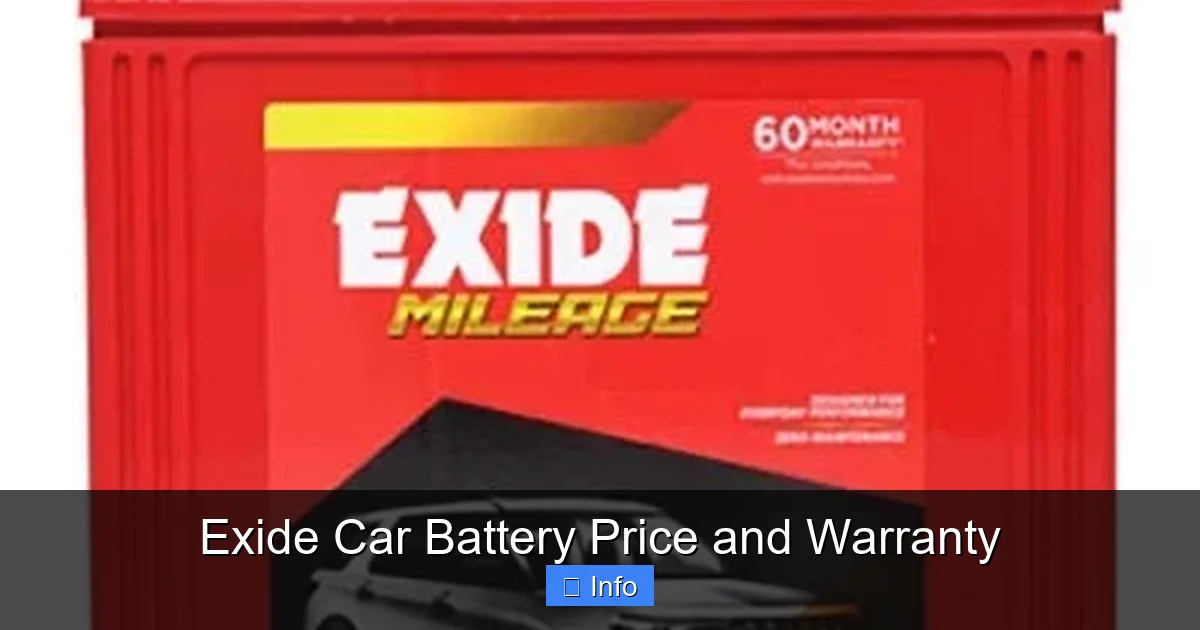
Exide car battery price and warranty depend on the battery type, capacity, and retailer, with prices typically falling between $50 and $150 and warranties lasting from 12 to 36 months. This article explores the key elements that influence cost, details what the warranty covers, and provides advice to help you select the best Exide battery for your car.
When you rely on your car for daily commutes, a dependable battery is non‑negotiable. Among the many brands available, Exide has built a reputation for quality and longevity. In this guide we examine the exide car battery price and warranty in detail, so you can make an informed decision whether you are replacing an old unit or upgrading your vehicle’s electrical system.
The information below breaks down the factors that affect cost, explains what the warranty typically covers, and offers practical tips for getting the best value. By the end, you will have a clear picture of what to expect when you shop for an Exide battery.
Beyond the basic specifications, understanding how the battery interacts with your vehicle’s electrical system can help you avoid unexpected failures and ensure you get the most out of your investment.
Key Takeaways
- Exide offers flooded, AGM, and gel batteries, each with distinct price points and performance characteristics.
- Price is influenced by capacity, cold cranking amps (CCA), and retailer markup, causing variations across models.
- Standard warranty lasts 12 months, but extended coverage up to 36 months is available for many units.
- Warranty may be full replacement or pro‑rata, depending on the specific Exide model and terms.
- Purchasing from authorized dealers ensures genuine product and valid warranty, protecting your investment.
- Proper maintenance, such as regular charging and cleaning, can extend battery life and preserve warranty coverage.
📑 Table of Contents
Understanding Exide Battery Types
Exide produces several battery chemistries, each designed for different vehicle needs. The most common are flooded (lead‑acid), AGM (absorbent glass mat), and gel batteries. Understanding these types is the first step in evaluating the exide car battery price and warranty because each construction influences both cost and performance.
Flooded Batteries
Flooded batteries are the traditional lead‑acid design. They are generally the most affordable option, making them popular for older vehicles or budget‑conscious owners. However, they require regular maintenance, such as checking electrolyte levels, and are more susceptible to damage from deep discharges.
These batteries are often found in older sedans or trucks where weight is less of a concern and the owner is comfortable performing periodic maintenance.
AGM Batteries
AGM batteries use a fiberglass mat to hold the electrolyte, which makes them spill‑proof and more resistant to vibration. They are often found in modern cars with start‑stop systems. While they cost more than flooded units, their sealed design reduces maintenance and can extend service life, which is an important factor in the overall exide car battery price and warranty equation.
AGM units are also favored in vehicles with regenerative braking because they can handle rapid charge cycles without excessive water loss.
Gel Batteries
Gel batteries contain a silica‑based electrolyte that solidifies, providing excellent resistance to deep cycling. They are commonly used in high‑end audio systems or vehicles with extensive electronic accessories. The advanced construction results in a higher price tag, but they also tend to have longer warranties, reflecting their durability.
Gel batteries are ideal for applications where the battery is regularly subjected to deep discharges, such as in off‑road vehicles or marine use.
Additionally, Exide offers recycling programs that allow you to return old batteries, which can sometimes provide a credit toward a new purchase.
Factors That Influence Exide Car Battery Price
Several variables determine the final cost of an Exide battery. Knowing these will help you compare options and avoid overpaying for features you may not need.
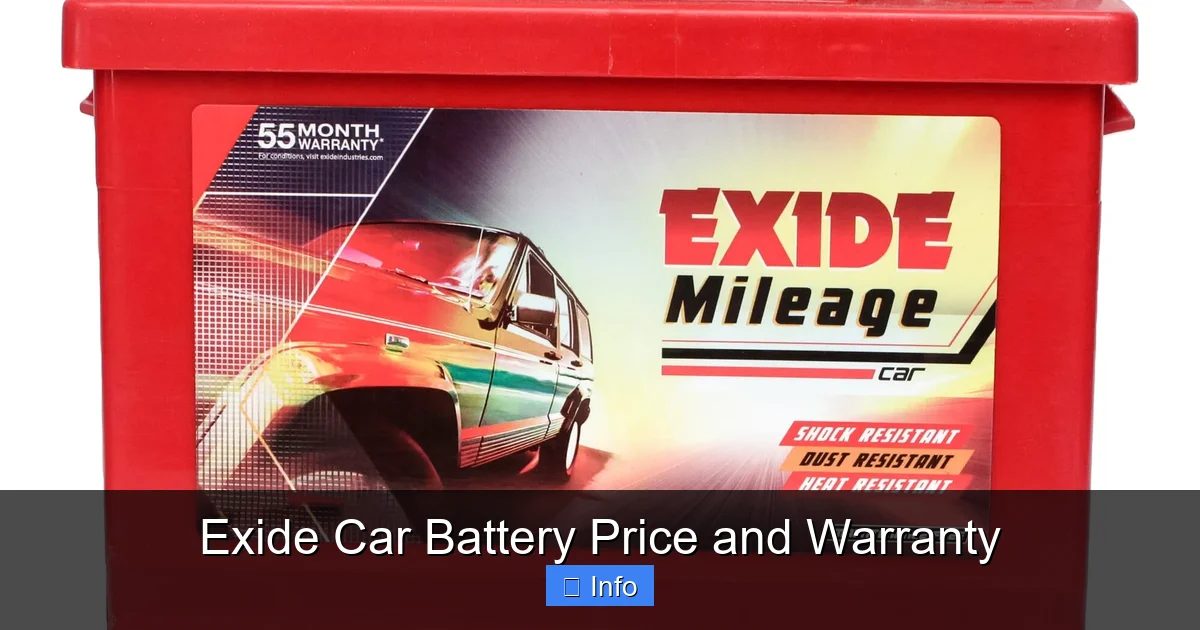
Visual guide about Exide Car Battery Price and Warranty
Image source: static-01.daraz.com.np
Capacity and Cold Cranking Amps (CCA)
The battery’s capacity, measured in ampere‑hours (Ah), and its cold cranking amps (CCA) are primary price drivers. A higher Ah or CCA rating usually means a larger, more powerful battery, which commands a premium. For example, a compact car might need a 40‑Ah battery costing around $60, while a large SUV could require a 70‑Ah unit priced near $130.
In addition, batteries with higher CCA ratings are often required for vehicles operating in extremely cold climates, further affecting the price.
Vehicle Make and Model
Some Exide batteries are engineered specifically for certain makes. These OEM‑matched units often carry a higher price because they are designed to meet the exact specifications of the vehicle. In contrast, universal‑fit models may be cheaper but could lack optimal performance.
When your vehicle has a unique electrical architecture, an OEM‑specific battery ensures compatibility and may preserve the factory warranty of the car itself.
Retailer and Location
Pricing varies by retailer, both online and in brick‑and‑mortar stores. Authorized Exide dealers typically offer the best balance of price and warranty assurance. It is advisable to check multiple sources, as seasonal sales or clearance events can significantly reduce the exide car battery price and warranty you pay.
Local shops may also offer installation services that are included in the price, which can add value compared to online purchases that require self‑installation.
Market demand also plays a role; during periods of high vehicle production, prices may rise due to increased demand for replacement batteries.
Exide Car Battery Warranty Details
The warranty is a crucial part of the purchase decision. Exide provides different warranty lengths and conditions depending on the battery type and intended use.
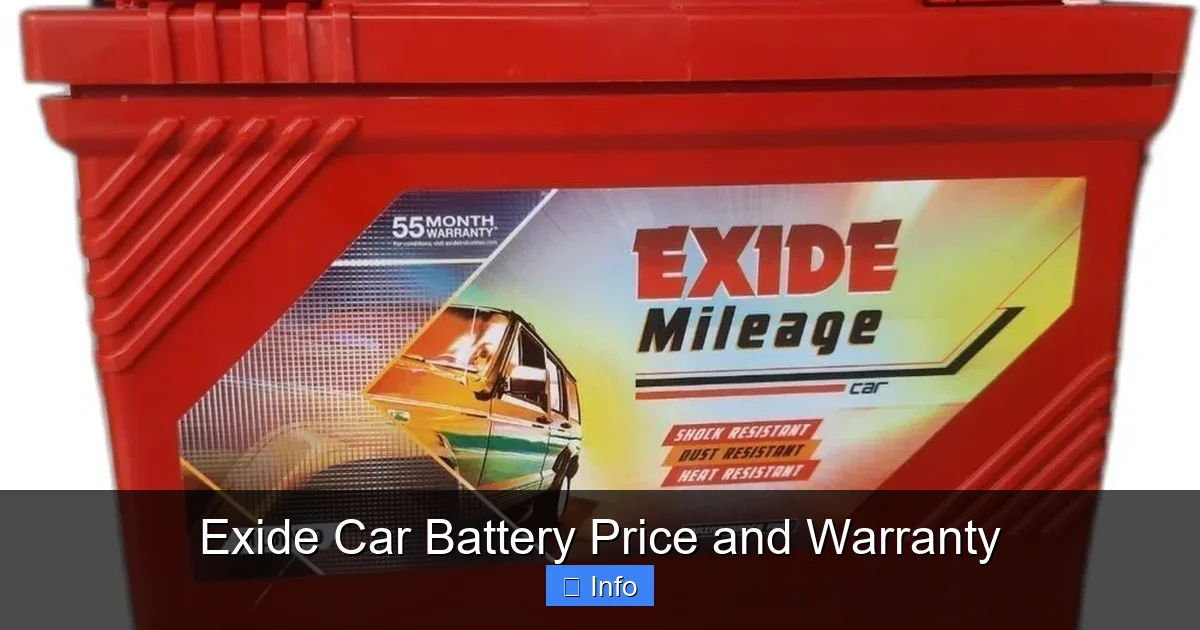
Visual guide about Exide Car Battery Price and Warranty
Image source: 5.imimg.com
Standard Warranty Terms
Most Exide flooded batteries come with a 12‑month free‑replacement warranty. AGM and gel models often receive longer coverage, typically 24 to 36 months. The warranty generally covers defects in materials and workmanship, but it does not include damage from improper installation, neglect, or accidents.
It is important to retain your receipt and register the warranty online if required, as failure to do so could void the coverage.
Extended Warranty Options
Some retailers offer extended warranty plans that can stretch coverage up to 48 months. These plans may be purchased at the time of battery installation and often include roadside assistance or pro‑rata credit for partial failure. When evaluating the exide car battery price and warranty, consider whether the extra cost of an extended plan is justified by your vehicle’s usage patterns.
Extended warranties are especially beneficial for drivers who frequently make short trips or operate in extreme temperatures, as these conditions accelerate battery wear.
Pro‑Rata vs Full Replacement
Exide warranties can be either full replacement or pro‑rata. A full replacement warranty provides a brand‑new battery if it fails within the coverage period, while a pro‑rata warranty offers a partial refund based on the remaining life. Understanding which type applies helps you gauge the true value of the warranty.
In a pro‑rata scenario, you may receive a credit proportional to the unused portion of the warranty, which can be applied toward a new battery purchase.
How to Get the Best Deal on Exide Batteries
Finding the right balance between cost and quality requires a bit of research. Below are strategies to secure a favorable price without compromising on warranty coverage.
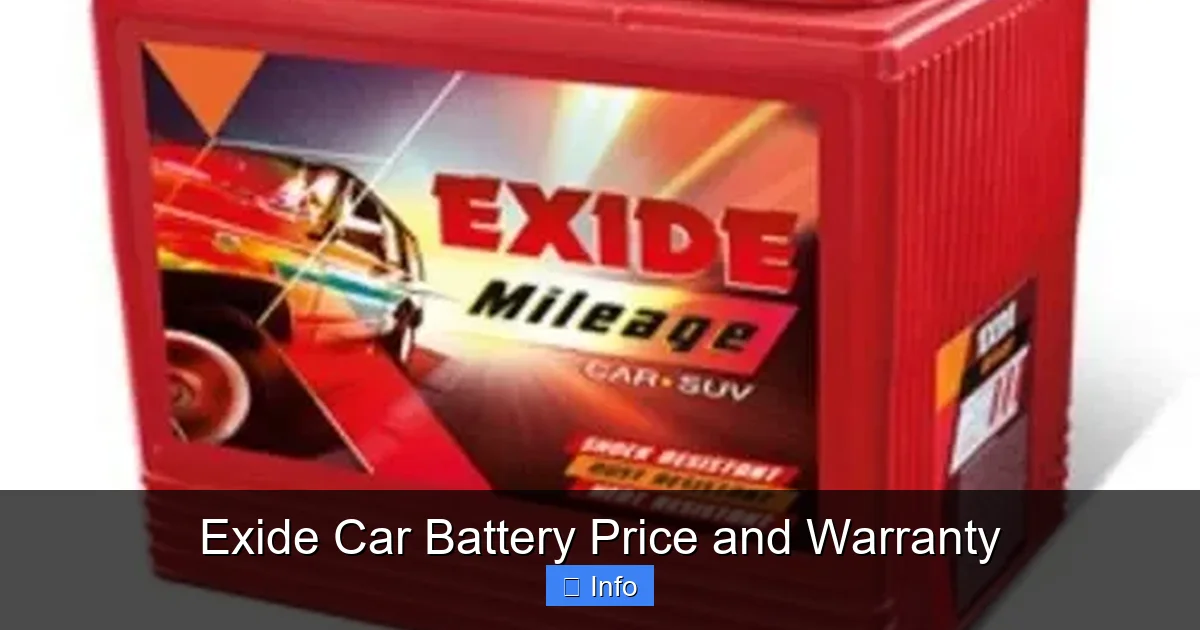
Visual guide about Exide Car Battery Price and Warranty
Image source: 5.imimg.com
Online vs Local Retailers
Online marketplaces often display a wider range of prices and customer reviews. However, local auto parts stores may provide immediate availability and professional installation. Compare the total cost, including any shipping fees, to determine the most economical option. For a specific example, see this Exide battery price for Maruti 800 car which outlines pricing for a popular model.
When shopping online, look for retailers that offer price‑match guarantees or free shipping to further reduce expenses.
Seasonal Discounts and Promotions
Retailers frequently run promotions during holidays or end‑of‑season clearances. Signing up for newsletters or following your preferred store on social media can alert you to these deals, potentially lowering the exide car battery price and warranty you ultimately pay.
Black Friday and Cyber Monday events often feature deep discounts on automotive accessories, including batteries.
Bundle Offers
Some shops bundle the battery with accessories such as a best car battery jump starter and charger or a best battery charger and maintainer for car. While the bundle may appear slightly more expensive, the combined value can exceed the sum of individual parts, especially if you need those accessories anyway.
Bundles may also include protective cases or terminal cleaners, adding convenience for a marginal increase in cost.
Maintenance Tips to Protect Your Warranty
Proper care not only extends the life of your Exide battery but also ensures that the warranty remains valid. Follow these simple practices to keep your battery in top condition.
Regular Charging
If your vehicle sits unused for extended periods, use a smart charger to maintain a proper charge level. A best battery charger and maintainer for car can prevent sulfation, a common cause of premature failure. Consistent charging helps preserve the warranty by avoiding damage from deep discharge.
Smart chargers automatically adjust the charge rate, preventing overcharging which can also damage the battery.
Cleaning Terminals
Corrosion on battery terminals can impede current flow and strain the battery. Periodically clean the terminals with a wire brush and apply a protective spray. This simple step reduces the risk of voltage drops that could void the warranty.
Inspect the terminal connections for tightness; loose connections can cause arcing and heat, further deteriorating the battery.
Avoiding Deep Discharges
Repeatedly draining the battery below 10.5 volts can shorten its lifespan and may lead to warranty claims being denied. Try to avoid running the vehicle’s electronics for long periods while the engine is off, and consider installing a battery management system if you frequently use high‑draw accessories.
Using a dash cam or phone charger while the engine is off can slowly drain the battery, so it’s wise to monitor voltage with a multimeter.
Temperature Management
Extreme heat or cold can accelerate battery degradation. In hot climates, the electrolyte evaporates faster, while cold weather reduces the battery’s ability to deliver cranking power. Parking your vehicle in a shaded area or using a battery insulation kit can help mitigate these effects and keep the exide car battery price and warranty value intact.
Exide Battery Compatibility and Installation
Choosing the correct battery for your vehicle involves more than just matching the physical dimensions. Exide offers a range of sizes and terminal configurations that must align with your car’s battery tray and electrical system.
Checking Vehicle Specifications
Before purchasing, consult your owner’s manual for the required group size, cold cranking amps, and reserve capacity. These specifications ensure that the Exide battery will fit properly and deliver the necessary power under all conditions.
Many online retailers provide a compatibility checker where you can enter your vehicle’s make, model, and year to find the appropriate Exide battery.
Installation Safety
When installing a new battery, always wear protective gloves and eyewear. Disconnect the negative terminal first, followed by the positive, to prevent short circuits. After removing the old battery, clean the tray and terminals before placing the new unit.
Secure the battery hold‑down clamp to prevent movement, which can damage the casing and void the warranty.
Post‑Installation Checks
After installation, start the vehicle and verify that the charging system is functioning correctly. A multimeter should read between 13.8 and 14.7 volts when the engine is running, indicating that the alternator is charging the battery properly.
If the voltage is low, have the charging system inspected before relying on the new battery.
In summary, the exide car battery price and warranty are influenced by battery type, capacity, retailer, and the specific warranty plan you choose. By understanding these factors, comparing prices across authorized dealers, and maintaining your battery properly, you can secure a reliable power source for your vehicle while maximizing the value of your purchase. Take the time to review the warranty terms carefully, and don’t hesitate to ask questions before finalizing your decision. Additionally, keeping a record of your battery’s purchase date and warranty details can simplify any future claims.
Frequently Asked Questions
What is the average cost of an Exide car battery?
Prices typically range from $50 for small flooded units to $150 for larger AGM or gel batteries, depending on capacity and retailer.
How long does the Exide warranty last?
Standard warranties are 12 months for flooded batteries, while AGM and gel models often come with 24‑ to 36‑month coverage.
Can I purchase an extended warranty for my Exide battery?
Yes, many authorized dealers offer extended warranty plans that can extend coverage up to 48 months, often including roadside assistance.
Does the warranty cover damage from improper installation?
No, Exide warranties generally exclude damage caused by incorrect installation, neglect, or accidents.
What is the difference between full replacement and pro‑rata warranty?
A full replacement warranty provides a new battery if it fails, while a pro‑rata warranty gives a partial credit based on the remaining life of the battery.
How can I maintain my Exide battery to keep the warranty valid?
Regular charging, cleaning terminals, and avoiding deep discharges help preserve the battery and ensure the warranty remains enforceable.