High Pressure Water Pump for Car Wash Price
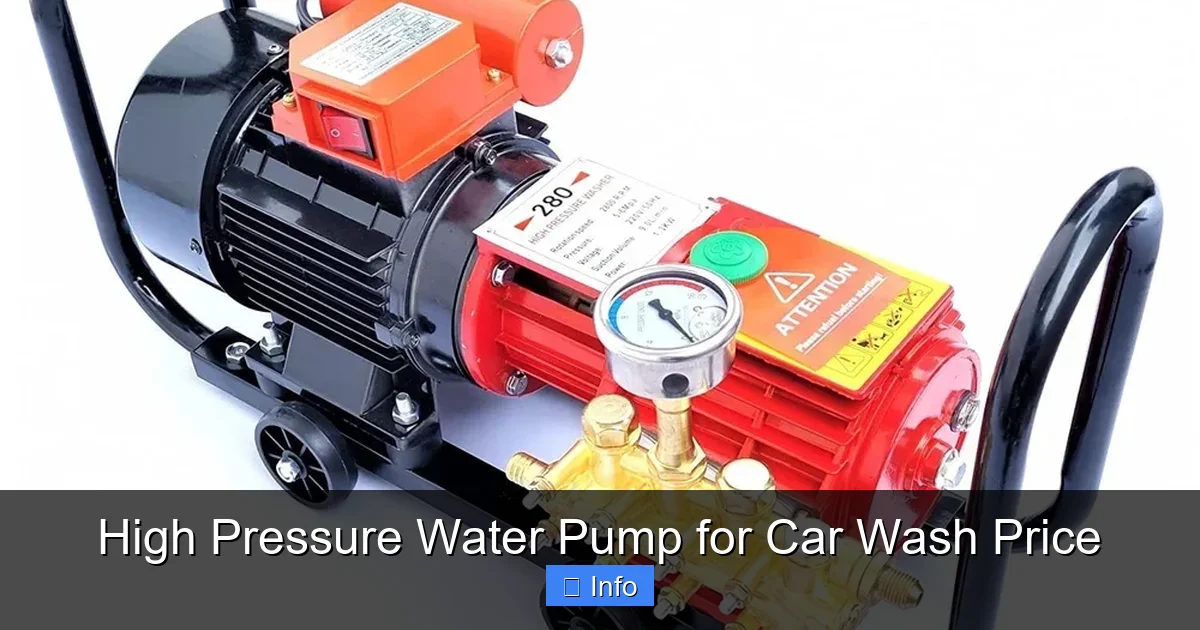
Looking for the right high pressure water pump for your car wash? We’ve rounded up the top prices across reputable brands, from budget-friendly models to premium performance units. Whether you run a professional showroom or a home setup, this guide breaks down cost factors, quality differences, and where to buy. Find the perfect balance between power and price that fits your business needs.
Key Takeaways
- Price range varies widely depending on wattage, flow rate, and brand reputation.
- Mid-range pumps typically fall between $250-$600, offering great value for most users.
- Power rating (GPM) matters more than price when choosing the right pump for your nozzle size.
- Several major online retailers and local auto parts stores compete on price for same models.
- Consider total cost—accessories, maintenance, and energy consumption impact your actual spending.
📑 Table of Contents
Introduction to High Pressure Water Pumps for Car Washing
Imagine you’re standing behind your spotless car in a crowded car wash bay. The foam is spraying everywhere, paint is being pushed off, and you want every drop to hit the surface evenly without wasting water or damaging your finish. That’s where a good high pressure water pump comes in. These powerful devices push water at speeds that regular garden hoses simply can’t match. They deliver consistent force that cuts through mud, removes old wax, and prepares surfaces for new coatings. For anyone who runs a commercial car wash or even just does weekend detail sessions, understanding how much such a pump costs is crucial. You don’t want to spend thousands on a pump only to have it fail after weeks of heavy use. Or worse, you buy a cheap model that sputters under pressure and leaves you frustrated. The market has plenty of choices, and each one carries its own price tag based on power, build quality, and additional features. This guide will walk you through the current pricing landscape so you can make an informed decision without overspending.
Understanding What Makes a Pump Cost-Effective
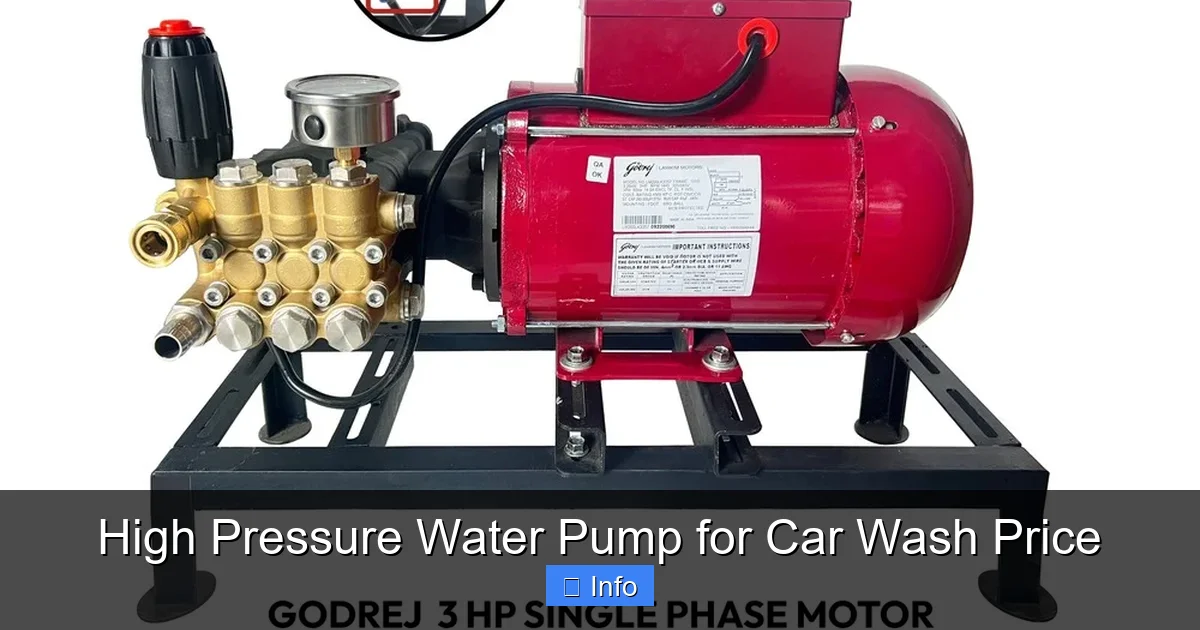
Visual guide about High Pressure Water Pump for Car Wash Price
Image source: cpimg.tistatic.com
Picking a high pressure water pump isn’t just about finding the lowest number. You need to think about what really determines the quality and lifespan of the unit. The horsepower and gallons per minute (GPM) rating are the most important numbers on the spec sheet. Higher GPM means more water moves through at once, which is essential for thorough cleaning. However, raw power alone doesn’t tell the whole story. Look for pumps built with durable materials like stainless steel or reinforced aluminum housings. These components resist corrosion and wear over time. Additionally, consider the motor type—electric motors generally last longer than hydraulic ones, especially in constant use. When you read reviews, pay attention to complaints about overheating or premature failure. These issues often reveal hidden weaknesses that aren’t obvious in marketing brochures. A slightly more expensive pump with better construction might save you money in repairs down the road. Balance upfront cost against expected daily usage hours and how hard you expect to push the machine during peak clean-up times.
Top Price Points by Brand and Model
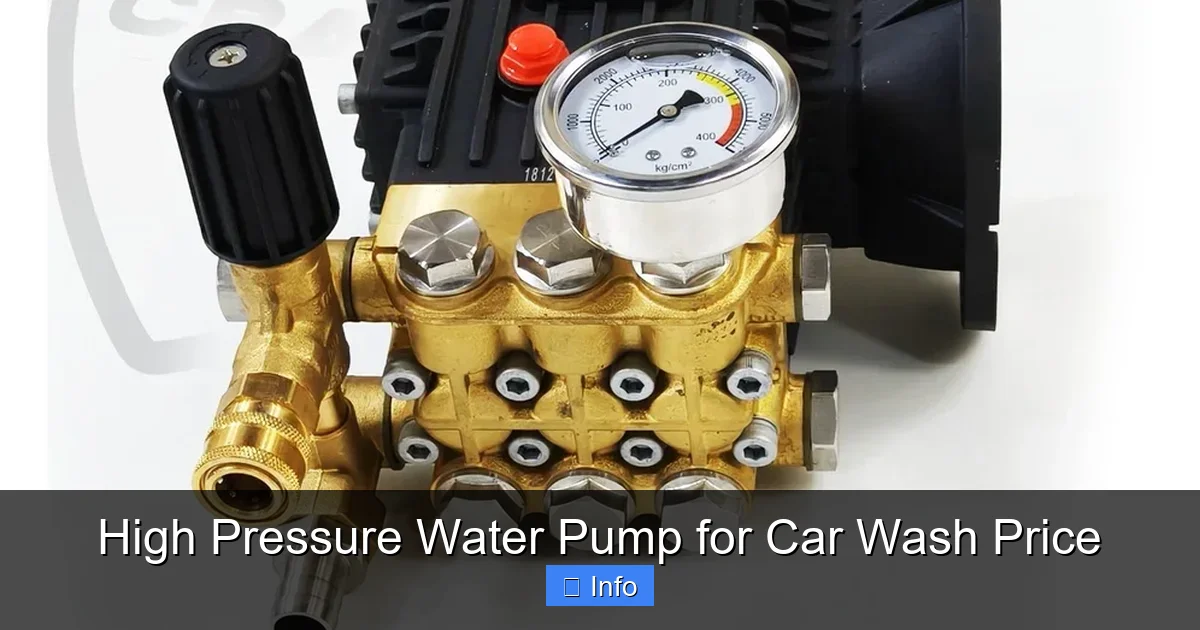
Visual guide about High Pressure Water Pump for Car Wash Price
Image source: 5.imimg.com
The automotive supply world offers several well-known brands that produce high pressure water pumps within a wide price spectrum. Entry-level options usually start around $150-$250, targeting hobbyists or small shops on a tight budget. Brands like Pentax and Atlas are common in these lower tiers, providing solid performance at accessible prices. Mid-range models typically fall in the $300-$500 range and deserve closer consideration. Companies such as Komatsu and Kunai offer balanced packages here—good flow rates combined with decent durability. Premium units command higher prices starting around $600, appealing to professionals who demand maximum efficiency and longevity. When comparing specific models, always check multiple sources because retail prices fluctuate seasonally. Some online dealers discount older stock aggressively, creating opportunities for smart buyers. Independent mechanics also recommend certain models based on real-world testing rather than manufacturer claims. Always verify warranty coverage before purchasing; a one-year limited warranty can mean the difference between buying confidence and costly replacement later.
Factors Affecting Price Beyond the Number on the Box
Beyond the sticker price, several hidden elements influence how much you’ll ultimately spend. Installation complexity plays a role—if the pump requires specialized mounting hardware or custom plumbing, labor costs rise. Maintenance requirements matter too. Some pumps include sealed bearings that minimize service intervals, while others need routine oil changes or filter replacements. Energy efficiency is another factor; pumps that consume excessive electricity increase operating expenses over months of operation. Noise level affects usability as well—heavier duty units often generate louder sound levels that may disturb customers in a public car wash environment. Finally, brand reputation influences purchase decisions. Established manufacturers tend to back their products with warranties and support networks, adding perceived value. Newer companies may offer innovative designs but carry less proven track records. Your local garage network can sometimes help identify trusted suppliers with fair pricing. Consider whether you prefer buying directly from the manufacturer, a large retailer, or an independent specialist who understands car wash operations intimately.
Where to Buy and Compare Prices Online vs In-Store
Choosing where to acquire your high pressure water pump involves weighing convenience against potential savings. Major online retailers like Amazon, eBay, and specialty auto parts websites offer broad selection and frequent price comparisons. Their digital interfaces let you sort by price, rating, and shipping speed instantly. Local auto parts stores often allow impromptu visits, which can be valuable when you need immediate access. Browse both channels side by side to spot deals—sometimes an in-store sale gets matched online. Many big-box retailers provide pickup options that skip delivery fees entirely. Check for manufacturer-specific sales events around holidays like Black Friday or Memorial Day. Subscription services occasionally bundle multiple parts together at a reduced rate, though this applies more to accessory bundles than core pumps themselves. Set price alerts on preferred websites so you receive notifications when desired models drop below your target threshold. Reading multiple reviews helps confirm whether a low-price listing reflects genuine value or includes defective units. Don’t forget to call ahead and ask about trade-in programs if you already own a pump that could be recycled responsibly.
Tips for Getting the Most Value for Your Money
Finding a high pressure water pump without overspending requires some savvy shopping strategy. First, focus on your actual washing requirements rather than chasing flashy specifications. Calculate how many square feet of vehicle surface you need to treat at once, then determine the minimum GPM needed for effective cleaning. This calculation narrows your search dramatically. Second, prioritize reliability over bells and whistles. A pump that guarantees five years of trouble-free operation will serve you far longer than three premium features that fail after six months. Third, examine customer photos and video demos, not just written descriptions. Real-world footage shows you how the unit performs under varying loads and temperatures. Fourth, consider bulk purchasing if you run multiple bays simultaneously—the volume discount can cut costs substantially. Fifth, factor in return policies before finalizing any purchase; knowing you can exchange a faulty unit protects your investment. Lastly, explore refurbished options from certified sellers. Used industrial-grade units often retain 80-90% of original performance at half the retail price, saving significant funds while still meeting professional standards.
Frequently Asked Questions
What is the typical price range for a high pressure water pump for car washing?
A standard residential-grade water pump ranges from $150 to $400, while professional-grade models typically cost between $350 and $700. Premium industrial units can exceed $800 but justify the expense through superior durability and higher performance output.
How many gallons per minute should I look for in my pump?
For everyday car wash operations, a flow rate of 30-50 GPM is usually sufficient. Heavily soiled vehicles or industrial facilities might benefit from 60+ GPM to ensure thorough rinsing and drying without excess water waste.
Is a high pressure pump necessary for basic car washing?
While moderate pressure works fine for light detailing, high pressure pumps provide faster cleaning and better residue removal. If you regularly tackle heavily soiled cars or perform exterior paint prep, investing in a dedicated high pressure pump pays dividends in results and time saved.
Can I use a water pump without proper installation for my car wash?
Improper installation can void warranties and reduce pump life significantly. Ensure the pump mounts securely to your wall or frame, use appropriate piping dimensions, and install a proper pressure relief valve to prevent overflow or damage to surrounding equipment.
Are there any safety considerations when using high pressure water pumps?
Always disconnect the power source before performing any maintenance. Wear protective eyewear since high-pressure streams can splash unexpectedly. Install drip loops on horizontal pipes to manage vacuum formation and protect your system from dry running conditions.
How does electricity cost factor into the total price of a water pump?
Operating costs depend primarily on watts consumed and hours of daily use. A pump rated at 1200 watts running eight hours per day adds roughly $10 monthly to your utility bill. Comparing electricity expenses alongside upfront purchase price helps you determine true affordability over a year-long period.