
How Much a Car Depreciates per Year
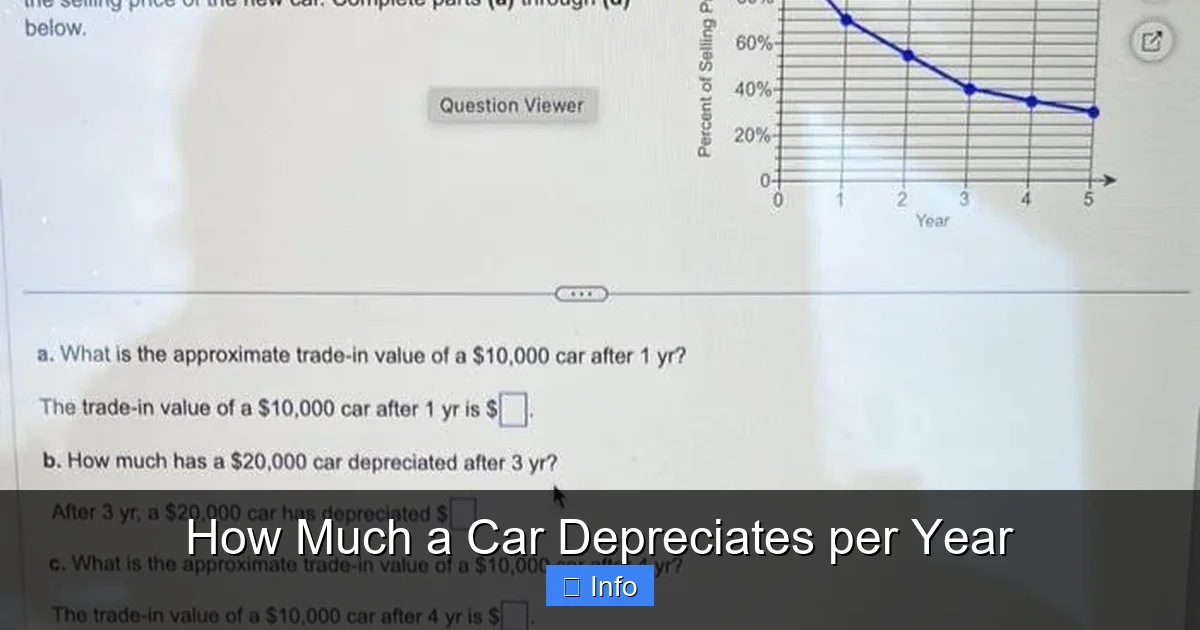
Car depreciation is the loss of value over time. Most new cars lose 20 to 30 percent in the first year and about 15 percent each year after that.
When you buy a car you also buy a future loss of value. That loss is called depreciation. Many drivers ask how much a car depreciates per year. The answer depends on several things. This guide breaks down the numbers in plain language.
Depreciation starts the moment you drive off the lot. The first year is usually the steepest. After that the decline slows but never stops. Knowing the typical rates helps you plan a budget and choose a smarter purchase.
We will look at average percentages, the main factors that change those percentages, simple ways to calculate the loss, and practical steps to keep your car worth more. Let’s dive in.
Key Takeaways
- First year loss: New cars typically drop 20 to 30 percent of their price.
- Annual rate after year one: Expect roughly 15 percent loss per year for years two through five.
- Brand matters: Luxury and niche models often depreciate faster than mainstream brands.
- Mileage and condition: Lower miles and good upkeep slow the value drop.
- Buying used helps: A two‑year‑old car has already taken the biggest hit.
- Regular maintenance records: Proof of care can boost resale price.
- Online calculators: Tools give a quick estimate of how much a car depreciates per year.
📑 Table of Contents
What Is Car Depreciation
Simple Definition
Depreciation is the drop in market value over time. It is the difference between what you paid and what the car is worth later. Every car loses value. Some lose it faster.
Why It Happens
Cars wear out. New models arrive with better tech. Buyers prefer newer cars. All of these push the price of an older car down. The market sets the price based on supply and demand.
Average Depreciation Rates
First Year Drop
Most new cars lose 20 to 30 percent in year one. A $30,000 car could be worth $21,000 to $24,000 after twelve months. This is the biggest single hit. Many people ask how much a car depreciates per year and the first year answer is the highest.
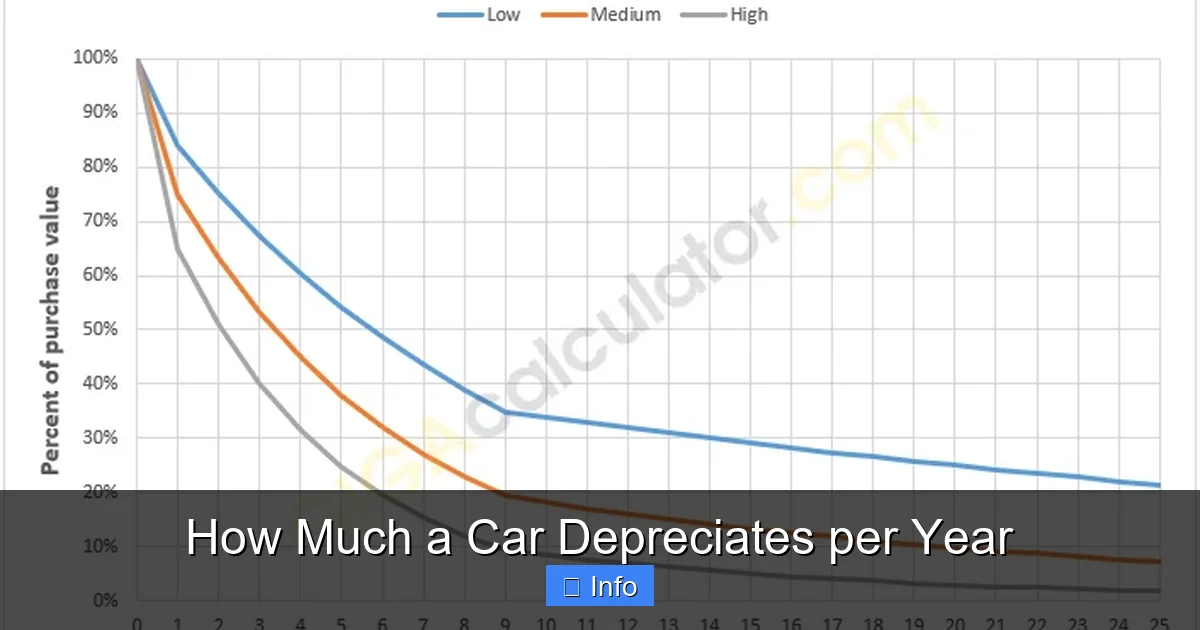
Visual guide about How Much a Car Depreciates per Year
Image source: gigacalculator.com
Years Two To Five
After the first year the loss settles around 15 percent per year. By year five a typical car may have lost 50 to 60 percent of its original price. The curve flattens but the total loss keeps growing.
Long Term Trends
After five years the rate often drops to 10 percent or less per year. Classic or collectible models can even gain value. For everyday vehicles the decline continues until the car is near scrap value.
Factors That Change Depreciation
Brand And Model
Mainstream brands like Toyota and Honda hold value better. Luxury brands like BMW or Mercedes often drop faster. Niche sports cars can be unpredictable. Research the specific model before you buy.
Mileage And Condition
Lower mileage means less wear. A clean interior and exterior attract higher offers. Regular washing and waxing protect paint. Keep service records to prove care.
Market Demand
High demand for SUVs and trucks keeps their values up. Sedans may fall faster if buyers shift away. Fuel prices and trends also shift demand.
Economic Conditions
Recessions can lower used car prices. Strong economies boost them. Interest rates affect loan costs and buyer power. All of these influence how much a car depreciates per year.
How To Calculate Depreciation
Straight Line Method
Subtract the expected salvage value from the purchase price. Divide by the number of years you plan to own. This gives a flat yearly loss. Simple but not always accurate.
Percentage Method
Apply the average yearly percentage to the current value each year. Year one uses 25 percent. Year two uses 15 percent on the new lower value. Repeat for each year. This matches real world curves better.
Online Tools
Many websites offer free calculators. You enter make, model, year, mileage, and condition. The tool returns an estimate of how much a car depreciates per year. For a quick check try the car worth calculator or the value estimator.
Ways To Slow Depreciation
Keep Mileage Low
Drive less when possible. Carpool or combine trips. Lower miles equal higher resale. This is one of the most effective levers.
Maintain Service Records
Save every receipt. Follow the manufacturer schedule. A complete history shows the next buyer the car was cared for. It can add hundreds of dollars to the sale price.
Choose Popular Colors
Neutral colors like white, black, silver, and gray sell faster. Bright or unusual colors narrow the buyer pool. Faster sale means less time losing value.
Buy Used Instead Of New
A two or three year old car has already taken the biggest hit. You avoid the steep first year loss. Check the guide on what to pay for a used model.
Protect The Exterior
Use a quality wax or ceramic coating. Park in shade or a garage. Avoid door dings and scratches. Small cosmetic damage can cut the offer price.
Limit Modifications
Aftermarket parts often lower value. Buyers prefer stock condition. If you modify, keep original parts for resale.
Conclusion
Depreciation is a fact of car ownership. The first year hits hardest at 20 to 30 percent. After that expect about 15 percent per year for several years. Brand, mileage, condition, and market trends all shift the numbers. Use simple math or an online tool to see how much a car depreciates per year for your specific vehicle. Keep miles low, maintain records, and choose a popular color to slow the loss. Buying a slightly used car can save you thousands. With this knowledge you can make smarter choices and keep more money in your pocket.
Frequently Asked Questions
What is the average depreciation for a new car in the first year?
Most new cars lose 20 to 30 percent of their value in the first twelve months.
How much does a car depreciate each year after the first year?
Typical depreciation settles around 15 percent per year for years two through five.
Which car brands hold their value best?
Mainstream brands such as Toyota and Honda generally retain value better than luxury brands.
Does mileage affect depreciation more than age?
Both matter, but high mileage usually accelerates value loss faster than age alone.
Can regular maintenance reduce depreciation?
Yes, documented service records show good care and can increase resale price.
Is buying a used car a good way to avoid steep depreciation?
Absolutely. A two or three year old car has already taken the biggest value hit, saving you money.


