How to Add a Lock on Tailgate
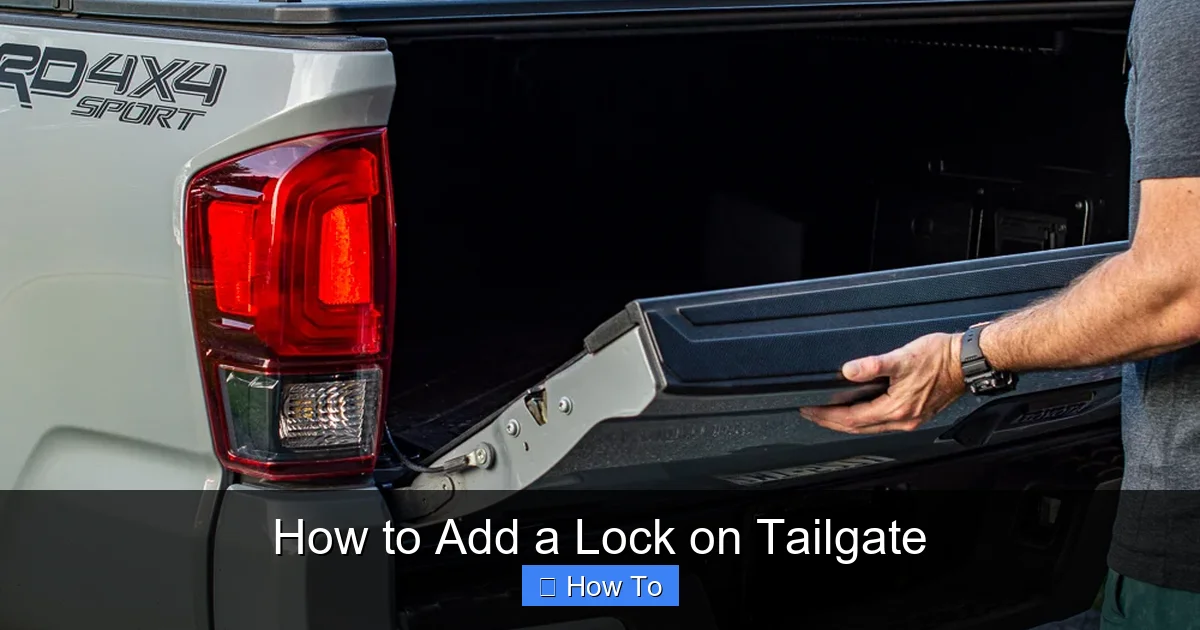
Adding a lock on tailgate is a smart way to protect your cargo from theft and weather damage. This guide walks you through choosing the right lock, gathering tools, and installing it properly. Whether you’re securing a truck bed or a Jeep cargo area, we’ve got you covered with simple, practical steps.
Key Takeaways
- Choose the Right Lock Type: Select from padlocks, combination locks, or keyed locks based on your vehicle and security needs.
- Gather Essential Tools: You’ll typically need basic tools like a drill, screwdriver set, and measuring tape for most installations.
- Prepare Your Tailgate: Clean the surface, check for existing holes, and ensure proper alignment before drilling.
- Follow Step-by-Step Installation: Position the lock, mark drilling points, drill carefully, and secure the lock properly.
- Test Before Finalizing: Always test the lock function and make adjustments to ensure smooth operation.
- Consider Professional Help: If unsure about electrical connections or complex installations, consult a professional.
📑 Table of Contents
Why Adding a Lock on Tailgate Matters
Have you ever left your truck or SUV parked overnight and worried about someone rummaging through your cargo? It’s a real concern for many drivers, especially those who use their vehicles for work or outdoor adventures. Adding a lock on tailgate gives you peace of mind by keeping your belongings safe and secure.
Beyond just security, a good tailgate lock can also help protect your items from harsh weather conditions. Rain, snow, and road debris can damage sensitive equipment or documents left exposed in your truck bed. With the right lock system, you can seal off your cargo area and keep everything dry and protected.
Another benefit is that a locked tailgate deters potential thieves. Even if someone tries to access your vehicle, they’ll think twice when they see a secure lock in place. It’s a simple upgrade that makes a big difference in your daily driving experience.
Types of Tailgate Locks Available
Before you start shopping, it’s important to understand the different types of locks available on the market. Each type has its own advantages, and the best choice depends on your specific needs and vehicle type.
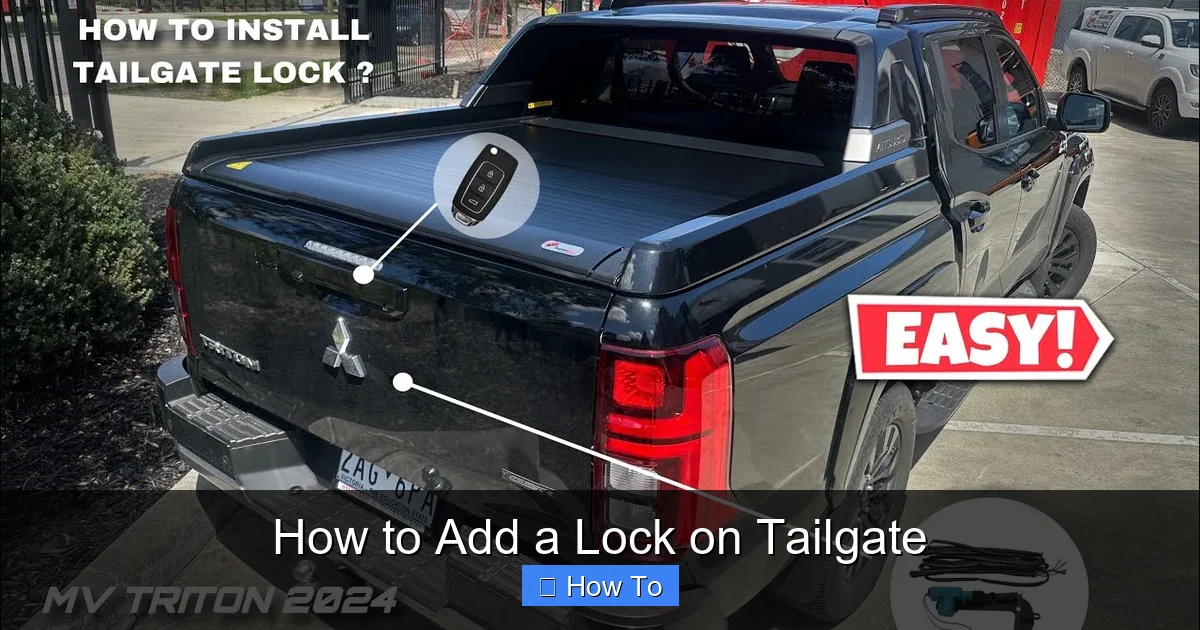
Visual guide about How to Add a Lock on Tailgate
Image source: i.ytimg.com
Padlock Systems
Padlock systems are among the simplest and most versatile options. These locks typically involve a hasp or bracket that you install on your tailgate, allowing you to secure it with a standard padlock. They’re affordable, widely available, and easy to replace if needed. However, they may not offer the highest level of security compared to other options.
Combination Locks
Combination locks eliminate the need to carry keys, which is convenient for many users. You set a personal code that you enter to unlock the tailgate. These locks are great for families or work crews who need shared access. Just make sure to choose a code that’s not easily guessed, and remember to change it periodically for added security.
Keyed Locks
Keyed locks provide a higher level of security and are often preferred by those who want maximum protection. These systems usually come with a physical key that operates the locking mechanism. Some keyed locks can even integrate with your vehicle’s existing key system, which adds convenience. The downside is that you need to keep track of your keys, and losing them could be problematic.
Electronic Locks
For tech-savvy users, electronic locks offer advanced features like remote access via smartphone apps or key fobs. These locks can be programmed to work with multiple users and often include features like auto-lock timers. While more expensive, they provide the most convenience and can be integrated into modern vehicle security systems.
Essential Tools and Materials Needed
Having the right tools on hand will make your installation process much smoother. Here’s what you’ll typically need:
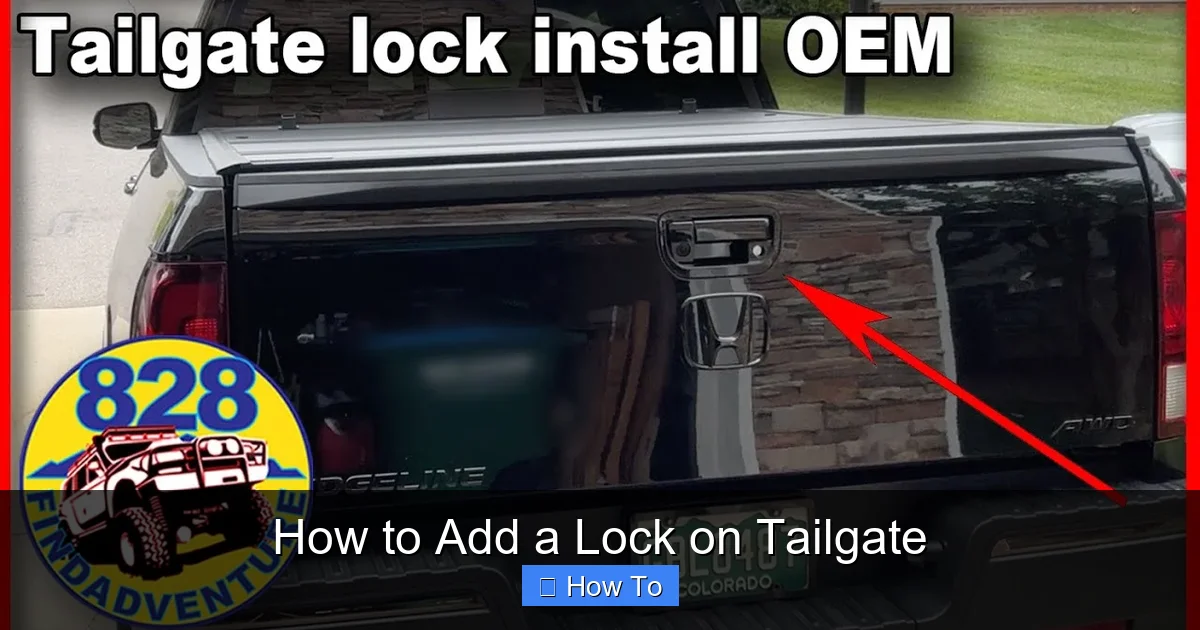
Visual guide about How to Add a Lock on Tailgate
Image source: i.ytimg.com
- Drill with various bit sizes
- Measuring tape
- Marker or pencil
- Screwdriver set (flathead and Phillips)
- Wrench set
- Safety glasses and gloves
- Level (for precise alignment)
- Lubricate moving parts with a silicone-based lubricant every few months
- Check periodically for loose screws or worn components
- Keep the lock clean and free of dirt buildup
- Apply a light coat of protectant to prevent rust on metal parts
- Store spare keys in a safe but accessible location
- If your vehicle requires modifications to existing components
- When dealing with electronic or smart lock systems
- If you’re uncomfortable working with power tools
- When the installation involves complex wiring
Most of these items are commonly found in a basic tool kit, so you might already have everything you need. Make sure to check your lock kit’s instructions for any special requirements before heading to the store.
Step-by-Step Installation Guide
Now that you know your options, let’s dive into the actual installation process. Follow these steps carefully to ensure a successful setup:
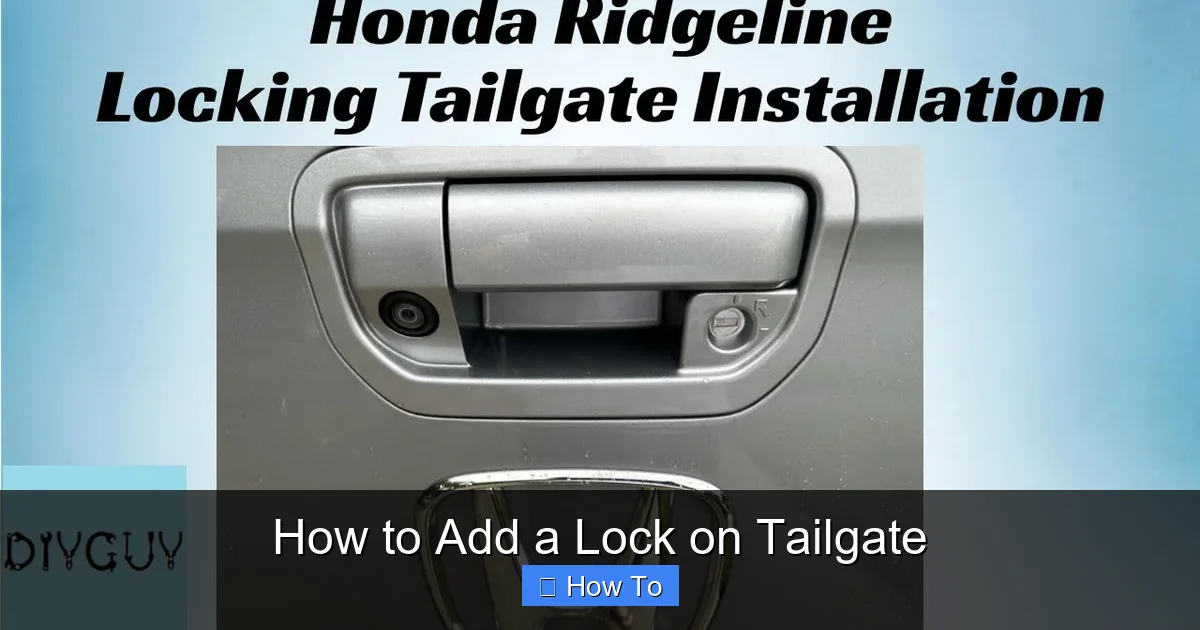
Visual guide about How to Add a Lock on Tailgate
Image source: i.ytimg.com
Step 1: Prepare Your Vehicle
Start by parking your vehicle on a flat, clean surface. Clean the tailgate area where you’ll be installing the lock to remove dirt and debris. This ensures a solid mounting surface and prevents contamination that could affect the lock’s performance.
Step 2: Choose the Mounting Location
Select the best spot on your tailgate for the lock. Consider accessibility, visibility, and how it might interfere with other components like license plate lights or spare tire carriers. For trucks, the center of the tailgate is usually ideal. For Jeeps or SUVs with drop-down tailgates, check if there are pre-existing mounting points you can use.
Step 3: Mark and Drill Pilot Holes
Use your measuring tape and level to mark the exact positions for your mounting screws or bolts. Double-check all measurements before drilling. Start with a small pilot hole to guide your larger drill bits and prevent the material from cracking or splitting.
Step 4: Install the Lock Mechanism
Attach the lock according to the manufacturer’s instructions. This usually involves inserting bolts or screws through the mounting plate and securing them from the back. Make sure everything is tight but don’t overtighten, which could strip threads or damage the lock housing.
Step 5: Test the Lock Function
Before finalizing everything, test the lock multiple times. Open and close it to ensure smooth operation. Check that the locking mechanism engages fully and that there’s no binding or sticking. If you’re using a padlock system, verify that the hasp aligns properly with the lock.
Step 6: Make Final Adjustments
If everything works well, tighten all connections securely. Apply a small amount of thread locker to bolts that might loosen over time due to vibration. Wipe away any excess lubricant or debris, and do a final test to confirm proper operation.
Tips for Maintaining Your Tailgate Lock
Proper maintenance will extend the life of your tailgate lock and keep it functioning smoothly. Here are some key maintenance tips:
If you notice any issues like sticking or difficulty turning the key, address them promptly. Ignoring small problems can lead to bigger, more expensive repairs down the road.
Common Mistakes to Avoid
Even with careful planning, it’s easy to make mistakes during installation. Here are some common pitfalls and how to avoid them:
Incorrect Measurements
Rushing through the measuring process is one of the most frequent errors. Take your time to double-check all dimensions. Remember that mistakes here mean drilling new holes later, which can weaken your tailgate structure.
Using the Wrong Tools
Using inappropriate drill bits or excessive force can damage your tailgate. Always use the correct tools for the job and apply steady, moderate pressure when drilling.
Neglecting Weatherproofing
Without proper sealing, water can get behind your lock and cause corrosion. Use waterproof sealant around mounting points and consider a lock with built-in weather resistance.
When to Seek Professional Help
While most tailgate lock installations can be completed at home, there are situations where professional assistance is recommended:
Professional installers can also help you choose the best lock for your specific vehicle and usage patterns. Their expertise can save you time and prevent costly mistakes.
Enhancing Your Tailgate Security Further
A lock on tailgate is just one part of a comprehensive security strategy. Consider these additional measures:
For those with Jeep Wranglers or similar vehicles, you might also want to look into customizing your tailgate with additional storage solutions or security features. Adding a hitch lock for trailer security, using a steering wheel lock, or installing a kill switch can further deter theft. If you frequently carry valuable gear, investing in a quality truck bed cover or tonneau cover provides another layer of protection.
Conclusion
Adding a lock on tailgate is a straightforward yet effective way to enhance your vehicle’s security and protect your belongings. By choosing the right type of lock, gathering proper tools, and following installation best practices, you can complete this project successfully on your own. Remember to maintain your lock regularly and consider additional security measures for comprehensive protection. Whether you drive a pickup truck, SUV, or Jeep, a secure tailgate lock gives you confidence that your cargo is safe wherever you go.
Take your time during installation, don’t rush through measurements, and don’t hesitate to seek professional help if needed. With the right approach, you’ll have a reliable tailgate lock that serves you well for years to come.
Frequently Asked Questions
Can I install a tailgate lock myself?
Yes, most tailgate lock installations can be done at home with basic tools. Just make sure to follow the instructions carefully and take accurate measurements before drilling.
What type of lock is best for a truck tailgate?
For trucks, padlock systems and keyed locks are popular choices due to their simplicity and effectiveness. Electronic locks offer more features but require more complex installation.
Do I need special tools to add a tailgate lock?
You’ll typically need basic tools like a drill, measuring tape, and screwdriver set. Some electronic locks may require additional tools for wiring connections.
How much does it cost to add a lock to a tailgate?
Costs vary widely depending on the lock type and quality, ranging from $20 for basic padlock systems to $200+ for advanced electronic options.
Will adding a lock affect my tailgate’s operation?
When installed correctly, a tailgate lock shouldn’t interfere with normal operation. Make sure to test the lock mechanism thoroughly after installation.
How often should I maintain my tailgate lock?
It’s recommended to lubricate moving parts every 3-6 months and inspect for wear or damage periodically to ensure optimal performance.