How to Remove Fog Inside Car During Rain

Foggy windows during rain are annoying and dangerous, but clearing them fast is easier than you think. In this guide, we’ll walk you through simple, effective methods to remove fog inside your car during rain, so you can drive safely and confidently no matter the weather.
Driving in the rain can be challenging enough without your car windows fogging up out of nowhere. It’s a common, frustrating problem that happens when warm, moist air inside your vehicle meets the cooler glass of your windows. The result? A hazy film that blocks your view and makes every trip stressful. But knowing how to remove fog inside car during rain quickly can turn a stressful moment into a non-issue. In this post, we’ll explore the science behind why fog forms, and share practical, easy-to-follow steps to clear your windows in seconds. Whether you’re stuck in a sudden downpour or dealing with morning condensation, these tips will help you stay safe and focused on the road ahead.
Key Takeaways
- Point 1: Fog forms when warm, moist air inside your car meets cool window glass during rain, causing condensation.
- Point 2: Turn on the defroster and AC simultaneously to clear fog quickly, as the AC dehumidifies the air.
- Point 3: Cracking windows open helps equalize humidity and temperature inside the car, pushing moist air out.
- Point 4: Avoid using recirculation mode in humid conditions, as it traps moisture inside the cabin.
- Point 5: Regularly replace your cabin air filter to maintain proper airflow and defrosting efficiency.
- Point 6: Using anti-fog products or home remedies like mild soap can provide long-lasting protection against condensation.
📑 Table of Contents
Why Does Fog Form Inside Your Car During Rain?
The science behind foggy windows is simple physics. When the air inside your car is warm and humid, and it touches the cold surface of your windows during rain, the moisture condenses into tiny water droplets. This is the same reason your bathroom mirror fogs up after a hot shower. Inside a car, factors like wet clothes, breath, and even the dashboard contribute to humidity. Understanding this helps you target the root cause rather than just wiping the glass. Learning how to remove fog inside car during rain starts with understanding that condensation happens when warm, moist air meets cool surfaces, and your car’s interior is no exception.
Temperature and Humidity Basics
Your car’s interior becomes a mini greenhouse when sunlight enters or when the heating system runs. Rainy weather often means lower outside temperatures, creating a sharp contrast with the warmth trapped inside. This temperature gap speeds up condensation. Additionally, high humidity levels outside mean the air already holds a lot of moisture, making it harder for your windows to stay clear without active intervention. Knowing how to remove fog inside car during rain involves recognizing that reducing indoor humidity is just as important as blasting heat on the glass. A key part of how to remove fog inside car during rain is managing interior moisture before it becomes a problem.
The Role of Air Circulation
Stagnant air inside the cabin is a major culprit. When you recirculate the same air over and over, moisture has nowhere to go. Switching to fresh air mode brings in drier outside air, which can absorb excess humidity from inside the car. However, if it’s raining heavily and the outside air is also humid, this method needs to be combined with other steps for best results. Mastering how to remove fog inside car during rain means knowing when to switch between recirculation and fresh air modes based on outside conditions.
Immediate Fixes: How to Remove Fog Inside Car During Rain Right Now
When you’re already on the road and windows start to mist up, you need fast solutions. The most effective method is to turn on your front and rear defrosters at the highest setting. This blast of hot air directly targets the glass, evaporating moisture quickly. Pair this with the AC, even on a cold day, because the AC dehumidifies the air as it cools. Many drivers forget this, but the AC is your best friend for clearing fog fast. Implementing how to remove fog inside car during rain in an emergency situation is as simple as flipping a few switches.

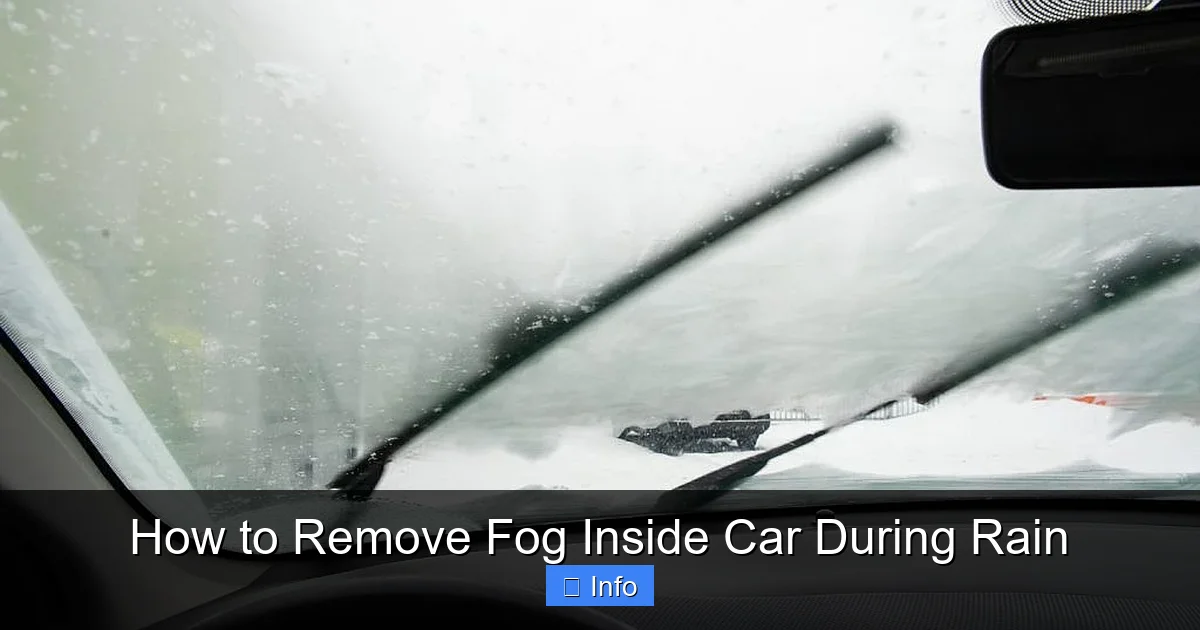
Visual guide about How to Remove Fog Inside Car During Rain
Image source: i.ytimg.com
Turn on the Defroster
Point the airflow toward your windshield and side windows. The direct heat melts the condensation layer. If your car has a rear window defogger, turn that on too. It’s a simple switch, but it makes an immediate difference. This is the first step in how to remove fog inside car during rain when you’re already driving.
Use the AC alongside Heat
It sounds counterintuitive to use AC when it’s chilly outside, but the system removes moisture from the air before it hits your windows. Set the temperature to warm, not hot, and let the AC run. This combination dries the air efficiently. Pairing AC with heat is a core principle of how to remove fog inside car during rain that many experienced drivers rely on.
Crack Your Windows Open
If you can safely pull over or are at low speed, opening the windows slightly equalizes the temperature and humidity inside and out. Fresh air rushes in, pushing out the moist air that’s causing the fog. It’s a quick, low-tech fix that works surprisingly well. This method complements how to remove fog inside car during rain by addressing the root cause: trapped humidity.
Avoid Recirculation Mode
Keeping the recirculation button engaged traps humid air inside. Instead, switch to fresh air mode so your system continuously pulls in drier outside air. This small change can prevent fog from returning shortly after you clear it. A key part of how to remove fog inside car during rain is knowing when to avoid recirculation and let fresh air flow through the cabin.
Mastering Your Car’s Climate Controls
Understanding how your climate controls work gives you an edge in any weather. Most modern cars have a dedicated defrost setting that automatically maximizes airflow to the windshield. Familiarize yourself with this button so you can activate it instantly when visibility drops. Proper use of climate controls is central to how to remove fog inside car during rain and can make the difference between a clear view and a hazy one.
Fan Speed and Air Direction
High fan speed pushes more air across the glass, speeding up evaporation. Direct the vents upward toward the windshield rather than at your face. This ensures the airflow covers the maximum surface area. Adjusting fan speed and direction is a practical tip within how to remove fog inside car during rain that you can master in minutes.
Temperature Balance
Finding the right temperature balance is key. Too hot and you might create more humidity; too cold and the fog persists. Start warm, then gradually lower the temperature while monitoring the windows. The goal is to match the interior glass temperature to the outside conditions. Learning to balance temperature is essential to how to remove fog inside car during rain and helps you avoid common mistakes.
Preventive Measures to Keep Windows Clear
Prevention is always better than cure. A few simple habits can reduce how often you need to deal with foggy windows during rain. Keeping your car’s interior dry is the first step. Remove wet umbrellas, floor mats, and clothing as soon as possible. These items release moisture into the air every time you enter the car. Preventive care is a major part of how to remove fog inside car during rain and can save you from dealing with fog altogether.
Visual guide about How to Remove Fog Inside Car During Rain
Image source: d2hucwwplm5rxi.cloudfront.net
Anti-Fog Products
Commercial anti-fog sprays and wipes create a thin invisible layer on glass that prevents condensation from sticking. Apply them to clean, dry windows according to the product instructions. Many drivers swear by these for long-term relief, especially during rainy seasons. Using anti-fog products is an effective extension of how to remove fog inside car during rain for those who want lasting results.
Simple Home Remedies
If you prefer DIY solutions, a mixture of mild soap and water applied to windows and buffed clean can leave a residue that reduces fogging. Some people also use a small amount of shaving cream, spread thin and wiped off, leaving a protective film. Test on a small area first to ensure no damage. Home remedies offer a budget-friendly way to practice how to remove fog inside car during rain without buying special products.
Long-Term Solutions and Maintenance
If foggy windows are a recurring problem, it might be time to look at your car’s overall maintenance. A clogged cabin air filter can restrict airflow and reduce the effectiveness of your defroster and AC. Replacing it regularly ensures maximum moisture removal. Long-term maintenance is a cornerstone of how to remove fog inside car during rain and addresses the issue before it starts.
Check Your Cabin Air Filter
Located usually behind the glove compartment, the cabin filter traps dust and debris. When it’s dirty, airflow weakens, and your climate controls can’t clear fog as quickly. Check your owner’s manual for replacement intervals, typically every 12,000 to 15,000 miles. Regular filter checks are a practical step in how to remove fog inside car during rain for anyone dealing with chronic fogging.
Window Coatings and Tinting
Some drivers apply hydrophobic window treatments that cause water to bead up and roll off. While primarily designed for rain outside, these coatings can also make it harder for interior condensation to stick. Professional tinting can add a layer that reduces heat buildup, indirectly reducing fog formation. These upgrades expand your toolkit for how to remove fog inside car during rain beyond basic climate controls.
Safety Tips When Driving with Foggy Windows
No matter how many tricks you try, safety comes first. If your windows fog up severely while driving, the safest action is to pull over in a safe location until visibility improves. It’s better to be late than to risk an accident due to poor sightlines. Safety considerations are the foundation of how to remove fog inside car during rain and remind us that no tip is worth compromising your wellbeing.
Never Wipe Windows with Your Hands
Your hands carry oils and dirt that can smear the glass, making visibility worse. Use a clean microfiber cloth or the car’s built-in defroster instead. If you must touch the glass, ensure your hands are clean. This is a basic safety rule when applying how to remove fog inside car during rain techniques on the go.
Keep Emergency Supplies
Keep a small, dry microfiber towel in your glove compartment. Having a dedicated cloth on hand means you can quickly dab fog without rummaging through bags. Some drivers also keep anti-fog wipes for instant touch-ups. Being prepared is key to how to remove fog inside car during rain emergencies, especially during long trips in rainy weather.
Conclusion
Foggy windows during rain are a nuisance, but they’re entirely manageable once you know the right techniques. From understanding the science of condensation to using your car’s climate controls effectively, you now have a full toolkit for clearing fog fast. Remember that how to remove fog inside car during rain is as much about quick fixes like defrosters and AC combinations as it is about preventive habits like keeping your interior dry and maintaining your cabin air filter. By applying these tips consistently, you’ll drive with confidence no matter how hard the rain falls. Stay safe, keep your windows clear, and enjoy the journey.
Frequently Asked Questions
Why do car windows fog up during rain?
Car windows fog up during rain when warm, moist air inside the vehicle condenses on the cooler glass surface. This happens due to the temperature difference between the interior and exterior, combined with high humidity levels.
Can I use household items to defog my car windows?
Yes, many household items like shaving cream or mild soap can be applied to glass and buffed clean to leave a thin film that reduces fogging. However, always test on a small area first to avoid damaging your windows.
Is it better to use recirculation or fresh air mode to defog windows?
Fresh air mode is generally more effective because it brings in drier outside air to replace the humid interior air. Recirculation mode traps moisture inside, which can make fogging worse unless combined with the AC.
How often should I replace my cabin air filter?
Most manufacturers recommend replacing the cabin air filter every 12,000 to 15,000 miles, or at least once a year. A clean filter ensures optimal airflow for your defroster and AC system.
Will anti-fog sprays damage my car’s windows?
Most commercial anti-fog sprays are safe for automotive glass when used according to the instructions. However, avoid spraying on tinted windows or interior electronics, and wipe off any excess residue.
What should I do if my windows fog up while driving on the highway?
If windows fog up while driving, safely pull over or increase fresh air flow by opening side vents slightly. Turn on the defroster at the highest setting and use the AC to clear the fog quickly before continuing.