How to Remove Pet Hair from Car Seats
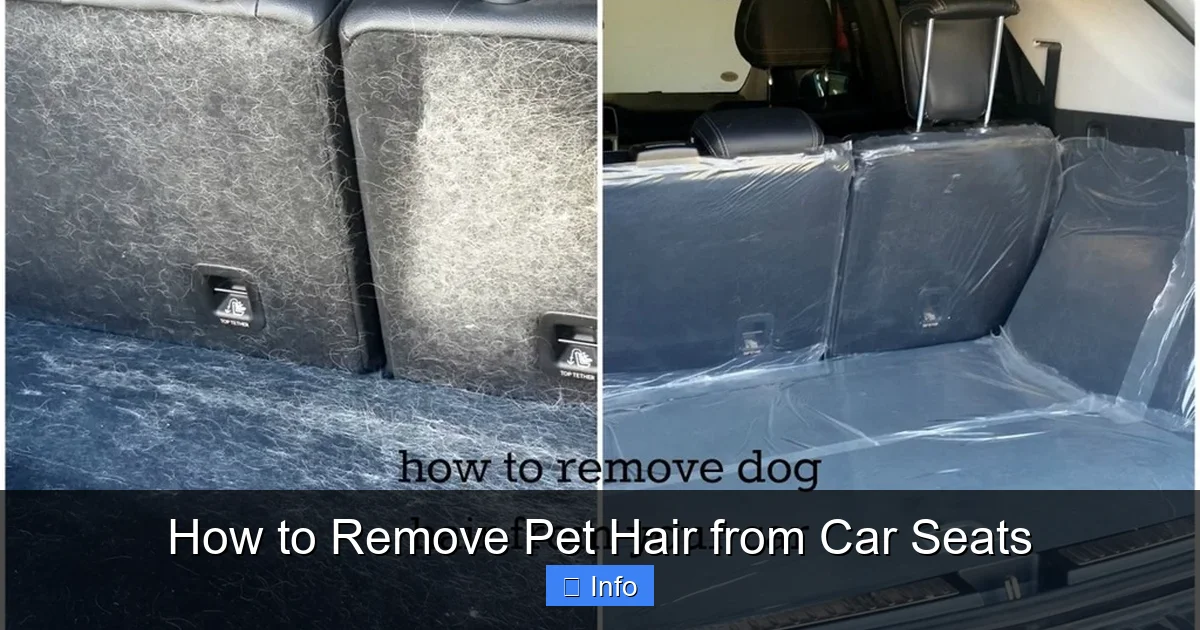
Removing pet hair from car seats can be a daily chore, but with the right tools and techniques you can keep your vehicle looking clean and fresh. This guide walks you through understanding why hair sticks, gathering the best supplies, and safely removing fur from fabric, leather, and vinyl seats. You’ll also discover simple prevention tricks and helpful internal resources for deeper cleaning.
Pet hair on car seats can be a constant battle for pet owners. It clings to fabric, leather, and vinyl, making your ride look messy and sometimes even smelly. In this guide, we will show you how to remove pet hair from car seats effectively, no matter what material your seats are made of. You will learn simple steps, the right tools, and maintenance tricks that keep your car fur‑free.
Key Takeaways
- Identify the seat material first: Different surfaces need specific methods to safely remove pet hair without damage.
- Use a vacuum with a brush attachment: A quick vacuum session loosens hair before you apply any other technique.
- Rubber brushes and lint rollers are powerful: They grab pet hair quickly and work on most seat types.
- Consider pet‑hair‑removing sprays: These lightweight solutions break down fur for easy wiping.
- Protect seats with covers: Seat covers act as a barrier, reducing the amount of hair that reaches the original upholstery.
- Regular maintenance prevents buildup: A few minutes of cleaning each week stops hair from becoming a stubborn problem.
- Deep‑clean resources are available: Refer to our internal guides for leatherette, leather odor, and mold removal when needed.
📑 Table of Contents
Understanding the Challenge of Pet Hair on Car Seats
When you think about removing pet hair from car seats, the first step is to understand why the hair sticks. Pet fur is lightweight and often carries static electricity, which pulls it toward synthetic fibers. Fabric seats trap hair in the weave, while leather and vinyl can hold fur in tiny cracks. Knowing the seat material helps you choose the safest method to remove pet hair from car seats without causing damage.
Many pet owners assume that any method that works on one seat will work on all seats. That is not true. Leather seats need gentle cleaning agents, while fabric seats can tolerate a bit more agitation. Vinyl seats sit somewhere in between. By recognizing these differences, you can focus on the right technique for each surface and achieve the best results when you remove pet hair from car seats.
Gathering the Right Tools and Materials
Essential Items for Any Seat
Before you start removing pet hair from car seats, gather the basics. A handheld vacuum with a brush attachment is the first line of defense. It loosens hair and pulls it out of fabric weaves. A rubber brush works well on fabric and vinyl because the static charge helps the brush lift hair. A lint roller is perfect for quick touch‑ups and for polishing leather seats after you have removed pet hair from car seats.
Pet‑hair‑removing sprays add an extra layer of convenience. These products break down the tiny fibers that hold fur, making it easy to wipe away. A microfiber cloth is essential for wiping down leather and vinyl after you have removed pet hair from car seats. Finally, keep a pair of gloves on hand to protect your skin from oils and allergens.
Optional but Helpful Tools
If you have a fabric seat that collects a lot of hair, a carpet cleaner or a portable upholstery cleaner can give you deeper cleaning power. For leather seats, a leather conditioner helps keep the material supple after you have removed pet hair from car seats. A seat cover or protective pad can also reduce the amount of hair that reaches the original upholstery, making future removal easier.
Removing Pet Hair from Fabric Seats
Step‑by‑Step Process
Begin by pre‑vacuuming the seat. Turn the vacuum on its lowest setting and run the brush over the entire surface. This removes loose hair before you start more aggressive methods. Next, use a rubber brush. Wet the brush slightly with water, then run it across the fabric. The moisture helps the brush pick up more hair as you remove pet hair from car seats.
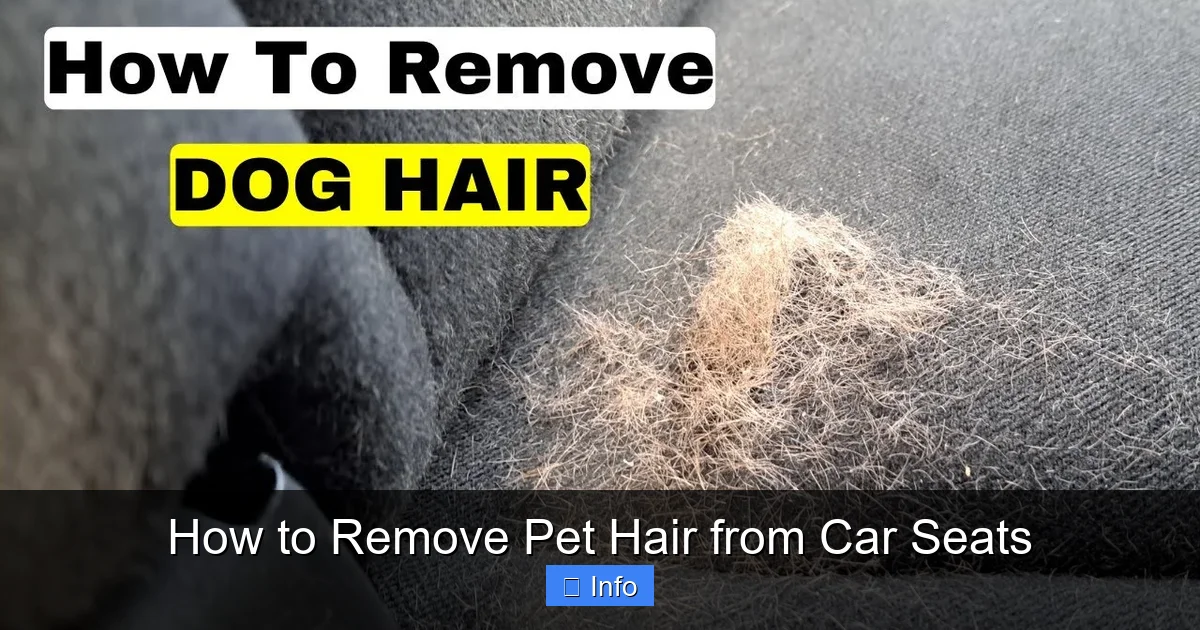
Visual guide about How to Remove Pet Hair from Car Seats
Image source: i.ytimg.com
After the rubber brush, reach for a lint roller. Roll it across the seat, pressing gently to capture any remaining strands. If hair persists, spray a pet‑hair‑removing solution onto the fabric. Let it sit for a minute, then wipe with a clean microfiber cloth. The solution dissolves the static that holds hair, making it easy to remove pet hair from car seats.
Finally, allow the seat to dry completely. Open the car windows or use a fan to speed up drying. Once dry, give the seat a final vacuum to ensure you have removed pet hair from car seats thoroughly. For deeper cleaning, you might want to refer to our internal guide on How To Remove Mold From Jeep Seats. That article offers extra tips for tackling stubborn buildup on fabric surfaces.
Pro Tips
Work in small sections to avoid missing spots. Keep the lint roller loaded and replace it when it becomes full. If you have a pet that sheds heavily, consider using a seat cover made of a smooth material. This barrier reduces the amount of hair that reaches the fabric, making it easier to remove pet hair from car seats on a daily basis.
Removing Pet Hair from Leather and Vinyl Seats
Gentle Cleaning for Leather
Leather seats require a softer approach when you remove pet hair from car seats. Start with a dry vacuum using a brush attachment. The brush loosens hair without scratching the leather. Next, wipe the seat with a microfiber cloth that has been lightly dampened with water. For a deeper clean, add a few drops of leather cleaner to the cloth. This mixture helps remove pet hair from car seats while also conditioning the leather.
Visual guide about How to Remove Pet Hair from Car Seats
Image source: detailingexperts.ca
If you notice an odor after removing pet hair from car seats, you may want to explore our guide on How To Get Smell Out Of Leather Car Seats. That resource provides steps to eliminate smells that can linger after hair removal. After cleaning, apply a leather conditioner to keep the surface supple and protected.
Cleaning Vinyl Seats
Vinyl seats can be cleaned similarly to leather, but they tolerate a bit more moisture. Use a vacuum with a brush attachment first. Then, wipe the surface with a cloth dampened with warm, soapy water. Rinse with a second cloth that is only water. Finally, dry the seat with a clean microfiber towel. This routine ensures you have removed pet hair from car seats without leaving residue.
For a quick boost, a pet‑hair‑removing spray works well on vinyl. Spray lightly, let it sit for a minute, then wipe with a cloth. This method is effective for removing pet hair from car seats made of vinyl and keeps the material looking fresh.
Pro Tips for Leather and Vinyl
Never use harsh chemicals on leather. Even a small amount can dry out the surface and cause cracks. For vinyl, avoid abrasive pads that can wear down the finish. Use a soft cloth and gentle motion when you remove pet hair from car seats. If you have leatherette seats, you may want to check out our internal guide on How To Clean Leatherette Car Seats. That article provides specific steps for synthetic leather surfaces.
Keeping Your Car Seat Hair‑Free
Preventive Measures
Prevention is the easiest way to keep your car free of pet hair. Use seat covers that are easy to clean and wash regularly. Groom your pet often to reduce shedding. A quick brush before a car ride can cut down the amount of hair that ends up on your seats.
Store cleaning tools in the car so you can tackle hair quickly. A small vacuum, a lint roller, or a rubber brush can be kept in the trunk or under the seat. When you remove pet hair from car seats on a regular basis, you avoid the buildup that makes cleaning harder later.
Routine Maintenance Schedule
Set a weekly reminder to vacuum and wipe down your seats. For fabric seats, a lint roller can be used daily. For leather and vinyl, a quick wipe with a damp cloth works well. If you notice hair starting to accumulate, act immediately. The sooner you remove pet hair from car seats, the less likely it is to become embedded.
Consider using a pet hair remover spray as part of your weekly routine. A light spray and wipe keeps fibers smooth and reduces static that attracts hair. Over time, this simple habit will dramatically reduce the amount of hair you need to remove from car seats.
When to Seek Professional Help
If you have tried all DIY methods and still see stubborn hair or odor, it may be time to consult a professional detailer. They have specialized equipment that can deep clean fabric and restore leather. Professional services can also protect your seats with protective coatings that repel hair and spills.
Remember, the goal is to keep your car comfortable for you and your pet. With the right tools and a consistent cleaning schedule, you can easily remove pet hair from car seats and enjoy a clean ride every day.
Conclusion
Removing pet hair from car seats doesn’t have to be a daunting task. By understanding your seat material, gathering the right tools, and following the step‑by‑step methods above, you can keep your vehicle looking fresh and hair‑free. Simple preventive habits and occasional deep cleaning ensure that pet hair never takes over your car again. Use the internal guides we referenced to expand your cleaning routine and tackle any specific challenges you might encounter. With a little effort and the right techniques, you’ll enjoy a clean, comfortable ride for both you and your furry companion.
Frequently Asked Questions
How often should I clean pet hair from my car seats?
You should clean pet hair from car seats at least once a week, or more often if your pet sheds heavily. A quick vacuum or lint roller session can keep hair buildup under control and prevent it from embedding into the fabric or leather.
What is the best tool for removing hair from fabric seats?
A handheld vacuum with a brush attachment works well for loose hair, followed by a rubber brush and a lint roller. A pet‑hair‑removing spray can also help break down stubborn strands for easy wiping.
Can I use regular cleaning products on leather seats?
No, regular cleaning products can dry out leather. Use a leather‑specific cleaner or a mild soap solution, and always follow up with a leather conditioner after you remove pet hair from car seats.
Are seat covers effective at reducing pet hair?
Yes, seat covers act as a barrier that protects the original upholstery. They are usually easy to remove and wash, which makes it simpler to keep your car hair‑free and reduces the amount of hair you need to remove from car seats directly.
When should I call a professional for pet hair removal?
If you have tried vacuuming, brushing, lint rolling, and spraying without success, or if there is a persistent odor after removing pet hair from car seats, a professional detailer can provide deep cleaning and protective treatments that DIY methods may miss.
Does removing pet hair also eliminate odors?
Removing pet hair often reduces odor because hair can trap smells. However, if the odor persists, you may need to address the source with odor‑removing products or consult our internal guide on How To Get Smell Out Of Leather Car Seats for leather seats or similar resources for fabric.