How to Replace Windshield Wipers on a Car
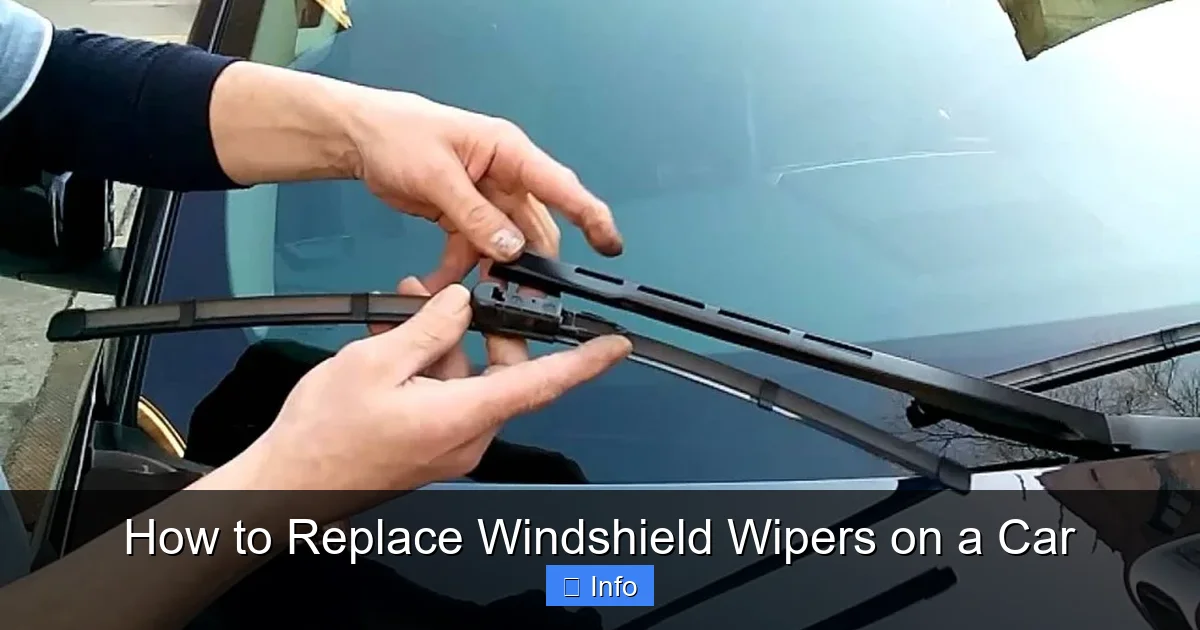
Replacing your car’s windshield wipers is a quick and easy DIY project that can be finished in under 30 minutes. This guide walks you through selecting the correct blades, removing the old ones, and installing new ones for clear visibility.
When it comes to safe driving, clear visibility is non‑negotiable. Over time, the rubber on your windshield wipers hardens, cracks, or wears down, leaving streaks that impair your view. The good news is that you can replace windshield wipers yourself without visiting a shop. This tutorial walks you through each step, from picking the right blades to testing the new setup.
You don’t need special mechanic skills. With a few basic tools and a little patience, the job can be done in under thirty minutes. By following the instructions below, you’ll enjoy a crystal‑clear view and improve your safety on the road.
In addition to better vision, new wipers reduce noise and prevent water from pooling on the glass. A quick inspection every few months can help you catch wear early, saving you time and money.
Regularly checking your wiper blades can prevent dangerous situations. When the rubber becomes brittle, it fails to clear water, reducing your ability to see the road clearly. Making this a routine part of your car care can keep you safe in all weather conditions.
Common signs that your wipers need replacement include streaking, squeaking, or leaving a film on the glass. If you notice any of these, it’s time for a change.
Investing in quality blades can save money in the long run.
Key Takeaways
- Choose the correct size: Check your vehicle’s manual or measure the wiper blade length to ensure a proper fit.
- Gather basic tools: You’ll need a screwdriver, a cloth, and possibly a small wrench.
- Lift the wiper arm: Gently raise the arm away from the windshield to access the blade.
- Remove the old blade: Release the clip or bolt that holds the blade and pull it off.
- Install the new blade: Attach the new blade to the arm, secure it, and lower the arm back onto the glass.
📑 Table of Contents
Tools and Materials You’ll Need
Essential tools for the job
Gather these items before you start. Most of them are probably already in your garage.
- A flat‑head screwdriver or a small wrench
- A clean microfiber cloth
- A pair of gloves (optional, to keep hands clean)
- The new wiper blades that match your vehicle
If you’re unsure about the correct blade size, consult your owner’s manual or measure the existing blade. Using the wrong size can cause uneven pressure and poor performance.
Before you begin, make sure the windshield is clean and dry. Any dirt or debris can get trapped under the new blades and cause scratches. It’s also a good idea to work in a shaded area to avoid direct sunlight, which can make the blades hot and difficult to handle.
Organize your tools on a tray to avoid misplacing small parts. A magnetic tray can hold screws and bolts securely, making the process smoother.
Safety should always come first. Make sure the engine is off and the ignition is in the ‘off’ position before you begin. This prevents the wipers from accidentally moving while you work.
A clean work area helps prevent losing small parts.
Don’t forget to check your wiper fluid level. Low fluid can cause the blades to drag, increasing wear on the motor.
Keep a spare set of blades in your trunk for emergencies.
Choosing the Right Wiper Blades
Understand your vehicle’s specifications
Wiper blades come in various types, such as traditional metal‑frame blades or modern beam blades. Beam blades often provide better contact with the windshield and last longer. Check the manufacturer’s recommendation or look for a fit guide online.
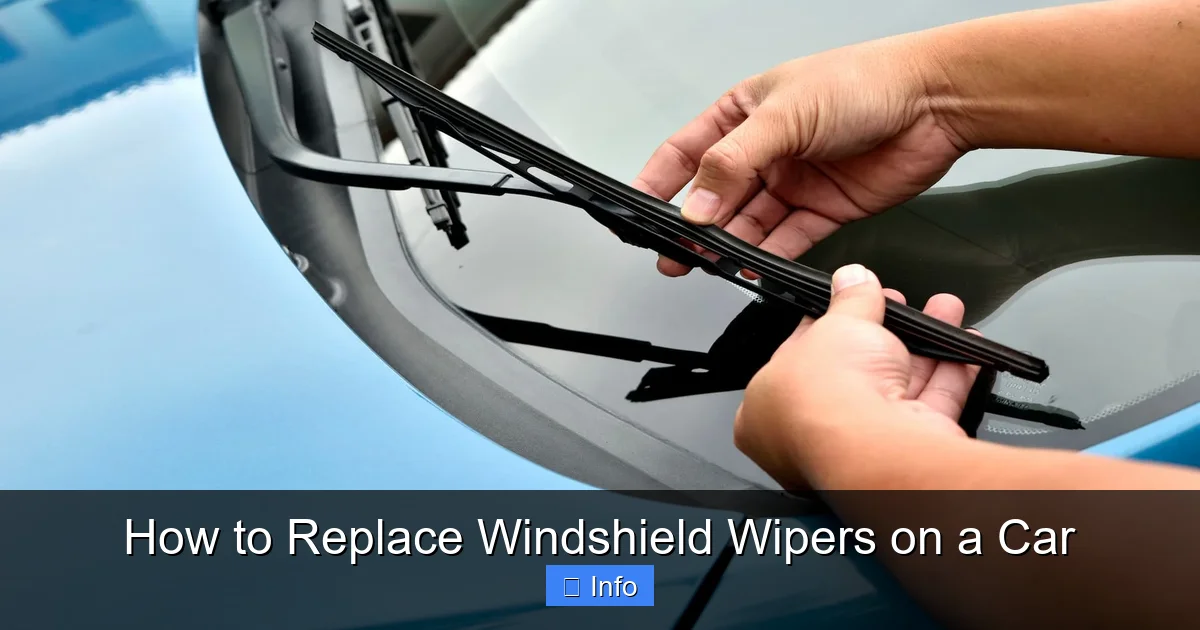
Visual guide about How to Replace Windshield Wipers on a Car
Image source: repairsmith-prod-wordpress.s3.amazonaws.com
When you replace windshield wipers, make sure the new blades are compatible with your car’s model year. Some vehicles use different sizes for the driver and passenger sides, so verify each one separately. If you drive a Toyota Corolla, you might find our detailed guide on how to change windshield wipers on a Toyota Corolla helpful.
Material matters
Most blades are made from natural rubber, but synthetic rubber and silicone are also common. Silicone blades tend to resist UV rays and temperature changes, making them a good choice for areas with harsh weather. However, they can be more expensive than standard rubber blades.
Consider your local climate when selecting a blade type. If you live where winters are cold and snowy, look for blades with a built‑in snow clearing feature. In hot regions, UV‑resistant silicone may extend the blade’s life.
Before purchasing, verify the part number with your vehicle’s VIN. This ensures you get the exact blade type recommended by the manufacturer and avoids compatibility issues.
Some blades are marketed as eco‑friendly, made from recycled materials. While they may cost a bit more, they can be a good choice for environmentally conscious drivers.
You can also look for blades with a built‑in spoiler for better aerodynamics.
Read online reviews to see how other drivers rate the blades.
How to Remove the Old Wiper Blades
Step‑by‑step removal
Start by lifting the wiper arm away from the windshield. Gently pull it up until it locks in the raised position. This prevents the arm from snapping back onto the glass while you work. In cold weather, you may need to lift your wipers; check out our article on how to lift windshield wipers for snow.
Locate the small clip or bolt that secures the blade to the arm. On most cars, a simple twist or a few turns of a screwdriver will release it. Once loosened, slide the old blade out of the arm’s hook.
If the blade is stuck, wiggle it gently while applying a little pressure. Avoid using excessive force, as this could damage the arm or the windshield.
Tips for stubborn blades
Sometimes rust or dirt can hold the blade in place. Applying a penetrating oil like WD‑40 can help loosen the connection. Let it sit for a few minutes before trying to remove the blade again.
Use a flashlight to see the clip clearly. This is especially helpful if the arm is dark or the lighting is poor.
After removing the old blade, inspect the wiper arm for rust or damage. If you find any, clean it with a wire brush before installing the new blade. A clean arm ensures a secure fit.
Properly dispose of the old blades. Many recycling centers accept rubber and metal parts from wiper blades.
If the arm is bent, it may need to be replaced.
Take a photo of the old blade for reference.
How to Install the New Wiper Blades
Secure the new blades properly
Take the new blade and align it with the arm’s hook. Insert it until you hear a click or feel it lock into place. Ensure the blade sits flush against the arm for optimal performance.
After the blade is attached, lower the wiper arm back onto the windshield slowly. Make sure the arm rests naturally without bending the new blade.
Repeat the process on the opposite side if your vehicle has two wipers. Consistent installation on both sides helps maintain balanced wiping action.
Checking alignment
After both blades are installed, visually inspect their position. The driver‑side blade should be slightly longer than the passenger‑side blade on many models. This design helps cover a larger area of the windshield.
If the blades appear misaligned, gently adjust the arm position. Be careful not to bend the arm, as this can affect the blade’s contact with the glass.
Once the new blades are in place, operate the wiper switch a few times to ensure they move freely. Listen for any unusual noises that might indicate misalignment.
Before you finish, make sure the wiper arms are in their parked position. This ensures they rest correctly on the windshield when not in use.
After installation, check that the blades do not contact the windshield frame.
Make sure the wiper motor operates smoothly.
Testing and Maintenance Tips
Ensure clear visibility
Before driving, turn on the wipers to check their operation. They should move smoothly across the glass without skipping or squeaking. If you notice any irregularities, re‑examine the blade attachment. If your wipers are frozen, see our tutorial on how to unfreeze windshield wipers.
Regularly clean the windshield and the wiper blades themselves. Dirt and debris can shorten the life of the blades. A quick wipe with a damp cloth after each car wash can keep them performing well.
Seasonal care
In winter, use a de‑icer spray to help clear ice from the windshield. Avoid using the wipers to scrape ice, as this can damage the blades. Instead, let the defroster do most of the work.
During summer, park in the shade or use a sunshade to protect the blades from UV rays. This simple step can extend the life of the rubber.
If you notice streaks after a few uses, the blades may be installed incorrectly. Re‑check the attachment and adjust as needed. Proper alignment ensures even pressure across the windshield.
It’s a good idea to replace both wiper blades at the same time, even if only one appears worn. This ensures consistent performance and prevents uneven wiping.
Most manufacturers recommend replacing wiper blades every six months to a year, depending on usage and conditions.
Test the wipers at different speeds.
In heavy rain, the wipers should clear water quickly.
Common Mistakes to Avoid
Pitfalls to watch for
One frequent error is buying the wrong size. Always double‑check the length and type before purchasing. Another mistake is forcing the wiper arm, which can break the arm or scratch the windshield.
Also, don’t forget to test the wipers after installation. A blade that isn’t properly seated may leave streaks or fail to clear water effectively.
Finally, avoid using harsh chemicals on the blades. They can degrade the rubber and reduce longevity.
Additional errors
Skipping the cleaning step before installation can trap dirt under the new blades, leading to scratches. Always wipe the windshield and the arm with a clean cloth.
Ignoring the wiper fluid reservoir can result in dry wiping, which strains the motor and wears the blades faster. Check the fluid level regularly and top it off as needed.
If you’re unsure about any step, consult your vehicle’s service manual. It often contains diagrams and specific instructions for your model. Professional help is also available at most auto parts stores.
If you find the task too complicated, don’t hesitate to seek help from a professional. Many auto parts stores offer free installation services when you purchase blades from them.
Avoid using the wipers on a dry windshield, as this can cause premature wear.
If the wipers still don’t work, check the fuse.
By following these steps, you can confidently replace windshield wipers and enjoy safer driving conditions. Remember, a simple maintenance task can make a big difference in your visibility and safety on the road.
Your effort will pay off every time you drive in rain or snow.
A clear windshield is a key part of responsible driving.
Stay safe on the road.
Enjoy the ride.
Happy motoring.
Frequently Asked Questions
How often should I replace my windshield wipers?
Most manufacturers recommend replacing wiper blades every six months to a year. Frequent use or harsh weather can shorten their life, so check them regularly for signs of wear.
Can I replace just one wiper blade?
It is possible to replace only one blade, but it is best to replace both at the same time. This ensures even wiping and consistent performance across the windshield.
What tools do I need to replace wiper blades?
You typically need a flat‑head screwdriver or a small wrench, a clean microfiber cloth, and optionally gloves. A flashlight can also help you see the clip clearly.
How do I know the correct size of wiper blades for my car?
Consult your vehicle’s owner manual or measure the existing blade length. Many auto parts stores also offer a fit guide based on your car’s make and model.
Is it safe to drive with worn wiper blades?
Driving with worn blades can reduce visibility and be dangerous, especially in rain or snow. Replace them as soon as you notice streaks, squeaks, or missing sections.
What should I do if my wiper blades are frozen?
Do not try to force the wipers. Use a de‑icer spray or let the car’s defroster melt the ice. You can also find a tutorial on how to unfreeze windshield wipers for more details.