
How to Turn on Heat in Nissan Altima
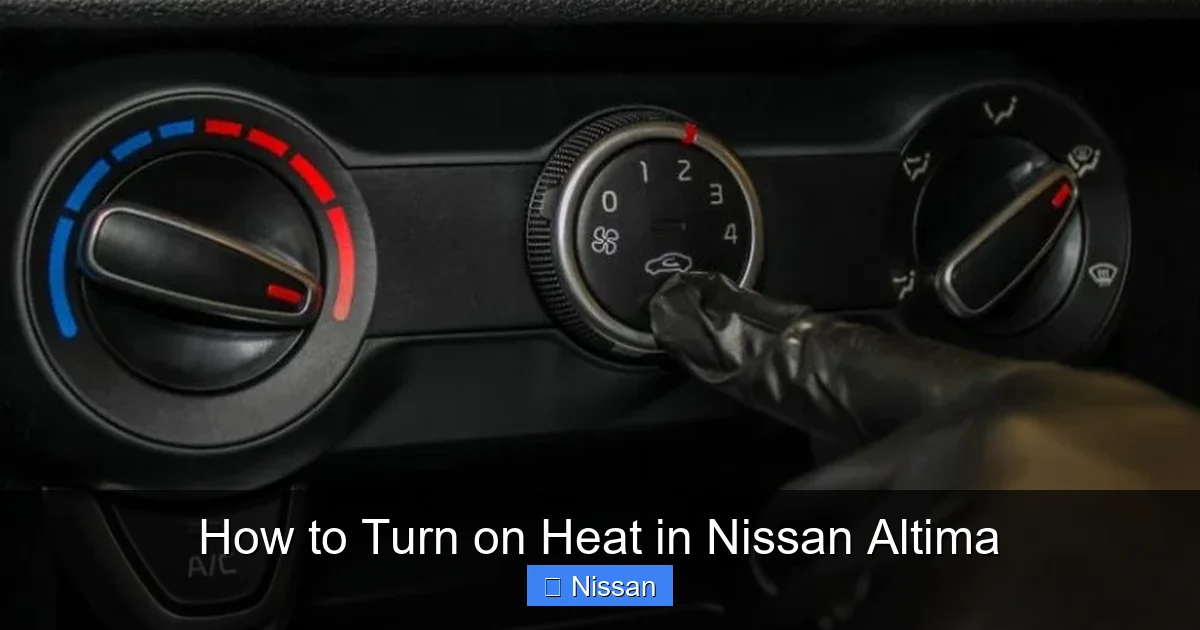
Turning on the heat in a Nissan Altima is easy once you know where the climate controls are and what each button does. This guide walks you through the steps, explains common settings, and helps you troubleshoot if warm air does not come out right away.
How to Turn on Heat in Nissan Altima
If you are sitting in your Nissan Altima on a cold morning and wondering how to get warm air flowing, you are not alone. The good news is that learning how to turn on heat in Nissan Altima is simple. In most models, it only takes a few button presses and a little patience for the engine to warm up.
Still, many drivers get confused by the climate controls. One button changes the fan. Another changes the airflow. Another controls temperature. If the air stays cold for too long, it can feel like something is wrong. This guide will make it easy. We will walk through the steps, explain what each setting does, and show you what to check if the heat does not work the way it should.
Whether you drive an older Altima with basic knobs or a newer model with a digital screen, the idea is the same. You need to tell the car you want warm air, choose where that air should go, and let the system do the rest. Once you understand the process, how to turn on heat in Nissan Altima becomes second nature.
Key Takeaways
- Point 1: The Nissan Altima heat system works through the climate control panel, so you need to set the temperature, fan speed, and airflow mode correctly.
- Point 2: Warm air may take a few minutes to blow because the engine must reach operating temperature first.
- Point 3: Using Auto mode can make heating simpler because the system adjusts fan speed and airflow for you.
- Point 4: If the heat is weak, the issue may be a low coolant level, a clogged cabin air filter, or a thermostat problem.
- Point 5: Defrost mode can help clear foggy windows fast while still warming the cabin.
- Point 6: Regular maintenance, like changing the cabin air filter, helps your Altima heat work better in cold weather.
📑 Table of Contents
How the Nissan Altima Heating System Works
Warm air comes from the engine
The heat in your Altima does not come from a separate heater like a home furnace. It uses heat from the engine. When the engine runs, it creates heat. That heat warms the coolant, and the warm coolant helps heat the air that blows into the cabin.
This is why the heat may not feel hot right away. If you start the car and turn the heat on immediately, you may only feel cool or lukewarm air for a few minutes. That is normal. The system needs time to warm up.
The climate controls manage the airflow
When you learn how to turn on heat in Nissan Altima, you are really learning how to use the climate control system. The controls manage three main things:
- Temperature
- Fan speed
- Airflow direction
Once you set these correctly, the car can send warm air through the vents, to your feet, or to the windshield for defrosting.
How to Turn on Heat in Nissan Altima Step by Step
Step 1: Start the car
First, start your Nissan Altima. The heater will not work well if the engine is off. If you are using the car in cold weather, let it idle for a short time so the engine can begin warming up.
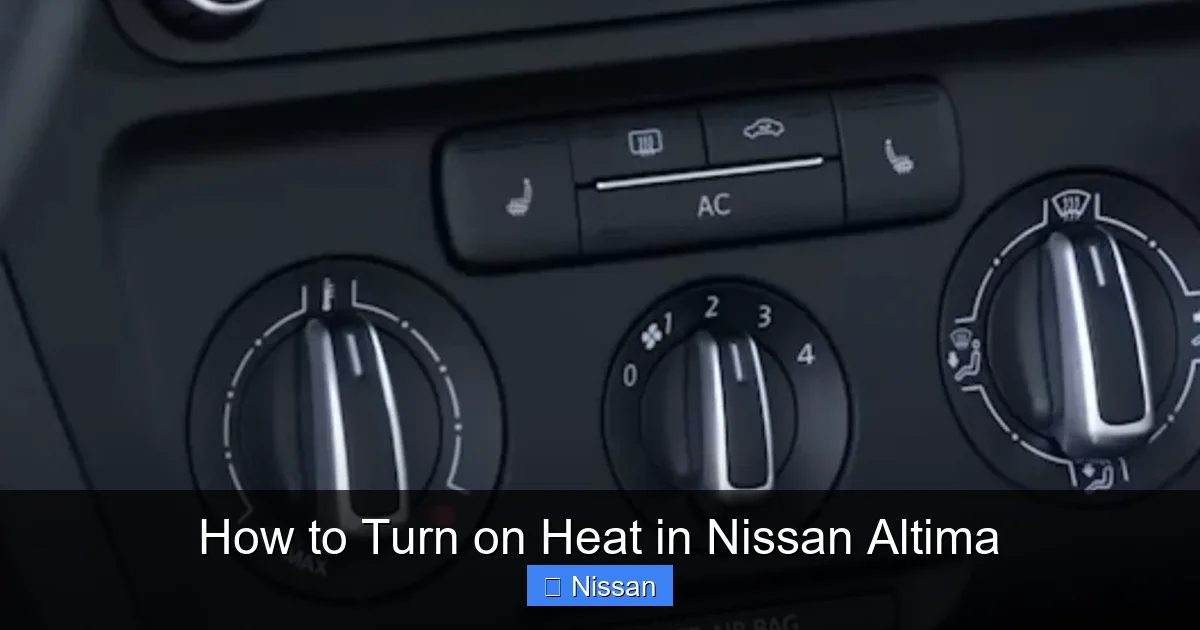
Visual guide about How to Turn on Heat in Nissan Altima
Image source: carprofy.com
Step 2: Find the climate control panel
Look at the center of the dashboard. Most Altima models have climate controls there. Older models may use round knobs. Newer models often use buttons and a digital display. Either way, this is where you control the heat.
Step 3: Raise the temperature
To turn on the heat in Nissan Altima, set the temperature higher. In many models, this means turning the temperature knob toward red or pressing the temperature up button. If the system is set to cold, the car will keep blowing cool air.
A good test is to set the temperature to the highest warm setting for a few minutes. If warm air comes out, the system is working.
Step 4: Turn on the fan
Next, increase the fan speed. If the fan is off, no air will move through the vents. Start with a low speed and raise it if you want the cabin to warm faster.
If you are trying to learn how to turn on heat in Nissan Altima quickly, a medium or high fan setting can help spread warm air faster once the engine is warm.
Step 5: Choose the airflow mode
Now choose where you want the air to go. Most Altimas let you send air to the face vents, floor vents, or windshield. For normal cabin heat, floor vents are a good choice because warm air rises.
If your windows are foggy, use the windshield defrost setting. This sends air toward the glass and helps clear moisture fast.
Step 6: Use Auto mode if your Altima has it
Many newer Altima models have an Auto button. This is one of the easiest ways to handle heating. When you press Auto and set your desired temperature, the car adjusts the fan and airflow for you.
If you are not sure how to turn on heat in Nissan Altima with the least effort, Auto mode is a great option. It saves time and helps keep the cabin at a steady temperature.
Best Settings for Fast Cabin Heat
Use recirculation for quicker warmth
One helpful trick is to use the recirculation button. This makes the system reuse the air already inside the car instead of pulling in cold outside air. It can help the cabin warm up faster.
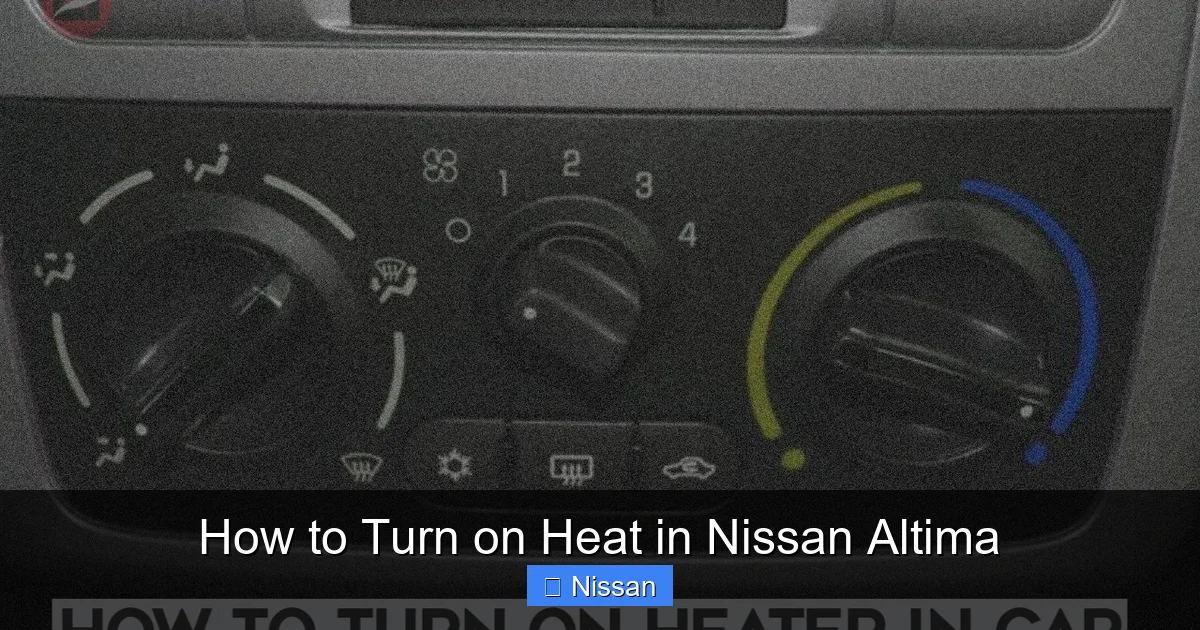
Visual guide about How to Turn on Heat in Nissan Altima
Image source: vautobasics.com
Just do not leave recirculation on forever if the windows start to fog. Fresh air helps reduce moisture inside the car.
Start with defrost if the windshield is foggy
If your windows are fogged, turn on the front defrost mode first. This helps clear the glass while warming the cabin. Once the windshield is clear, you can switch back to floor or face vents.
This is a smart part of learning how to turn on heat in Nissan Altima because safety matters as much as comfort.
Set the temperature high at first
When the cabin is cold, it helps to set the temperature high for the first few minutes. After the car starts feeling warm, you can lower the setting to stay comfortable.
Think of it like heating a room. You warm it up first, then keep it steady.
Common Reasons the Heat Feels Weak
The engine is still cold
The most common reason for weak heat is simple. The engine has not warmed up yet. If you just started the car, give it a few minutes. The heat should improve as the coolant gets hotter.
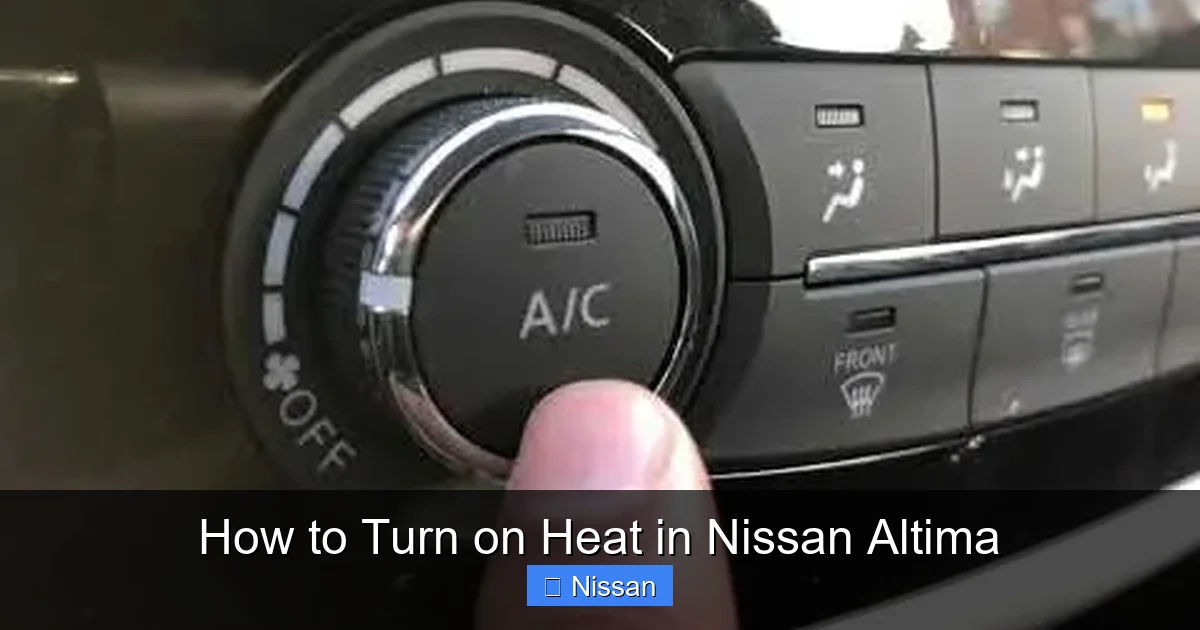
Visual guide about How to Turn on Heat in Nissan Altima
Image source: thecarhow.com
The cabin air filter is dirty
A dirty cabin air filter can block airflow. If the fan sounds strong but very little air comes out, this may be the issue. Replacing the filter can help restore better airflow and make the heat feel stronger.
If you want to keep your climate system in good shape, it also helps to read guides like how to change the cabin air filter on a Toyota RAV4. The vehicle is different, but the maintenance idea is the same.
The coolant level may be low
Your heater depends on engine coolant. If the coolant level is too low, the heater may not work well. Low coolant can also point to a leak, which should be checked soon.
The thermostat may be stuck
The thermostat helps regulate engine temperature. If it gets stuck open, the engine may stay too cool, and the heat may never feel strong. If it gets stuck closed, the engine may overheat. Either way, it needs attention.
There may be a blend door problem
Inside the dashboard, blend doors help direct hot or cold air. If one gets stuck, your Altima may blow air that stays cold even when the heat is on. This usually needs a mechanic to inspect it.
How to Use the Heater in Different Nissan Altima Models
Older Altima models with manual controls
If your Altima has simple knobs, the process is easy. Turn the temperature dial toward red, turn on the fan, and choose the airflow direction. If you want heat, avoid setting the dial toward blue, since that tells the system to cool the air.
Manual systems are simple, but they still rely on the same heating process. Knowing how to turn on heat in Nissan Altima with manual controls just means understanding the knobs and giving the engine time to warm up.
Newer Altima models with digital controls
Newer Altimas often use buttons, touch controls, or a screen. You may see temperature arrows, fan icons, and mode buttons. The steps are the same. Increase the temperature, turn on the fan, and choose the airflow setting you want.
If your model has dual-zone climate control, the driver and passenger can set different temperatures. That is handy if one person likes it warmer than the other.
Using heated features with the heater
Some Altima trims also include heated seats or heated mirrors. These do not replace the heater, but they can make cold weather easier to handle. Heated seats warm you up fast while the cabin air gets comfortable.
If you like learning about related cold-weather features, you may also find how to turn on heated mirrors in a Toyota RAV4 useful for comparison, since many drivers use similar winter features across brands.
Helpful Tips for Better Heat and Comfort
Let the car warm up before expecting hot air
Patience matters. The heater will not blow hot air the second you start the car. Give it time. A few minutes of driving usually helps the engine warm faster than idling.
Check the fan and vents
Make sure nothing is blocking the vents. A jacket, bag, or even dust buildup can reduce airflow. Open vents help warm air move through the cabin more evenly.
Use defrost wisely
Defrost is great for safety. If your windshield fogs up, use it right away. Once the glass clears, switch back to your normal heat setting. This keeps the cabin comfortable without wasting airflow.
Keep up with maintenance
Regular care helps your heater work better. A fresh cabin filter, proper coolant level, and healthy cooling system all support good heat. Small checks now can save you trouble later.
For more winter comfort ideas, some drivers also look at guides like how to turn on the heater in a Toyota Corolla because many of the same climate control basics apply across vehicles.
When to Get Help
Signs you may need a mechanic
If you have tried how to turn on heat in Nissan Altima the right way and still get cold air, it may be time for a repair visit. Watch for these signs:
- The air never gets warm
- The fan works, but airflow is very weak
- The windshield stays foggy even with defrost on
- The engine temperature looks unusual
- You smell coolant inside the cabin
These signs can point to a deeper problem, such as a thermostat issue, coolant leak, or heater core trouble.
Do not ignore engine temperature problems
If your temperature gauge is too high or too low, do not keep guessing. The heater system is tied to engine cooling. A bigger issue under the hood can affect both comfort and safety.
Conclusion
Now you know how to turn on heat in Nissan Altima in a simple and practical way. Start the car, raise the temperature, turn on the fan, choose the right airflow mode, and give the engine a little time to warm up. In many cases, that is all it takes to get warm air flowing.
If the heat still feels weak, check the basics first. Look at the cabin filter, coolant level, and airflow settings. Use defrost when needed, and try recirculation for faster cabin warmth. If nothing helps, a mechanic can check for a deeper issue.
Once you get used to the controls, heating your Altima becomes easy. A few small steps can make a big difference on a cold day. And that means a more comfortable drive every time you get behind the wheel.
Frequently Asked Questions
How do I turn on the heat in my Nissan Altima?
Start the car, raise the temperature setting, turn on the fan, and choose where you want the air to blow. If your Altima has Auto mode, you can press it and set the temperature you want.
Why is my Nissan Altima blowing cold air?
The engine may still be cold, which is normal at first. If the car stays cold for too long, check the coolant level, cabin air filter, and temperature settings.
How long does it take for the heat to warm up?
It usually takes a few minutes for warm air to start coming through the vents. Driving the car often warms it faster than letting it idle.
Should I use recirculation when heating my Altima?
Yes, recirculation can help the cabin warm up faster because it reuses the air inside the car. Just switch it off if the windows begin to fog.
Why does my heater work on one side but not the other?
This can happen in models with dual-zone climate control if the settings are different on each side. It may also point to a blend door problem or another HVAC issue.
Can a dirty cabin air filter affect the heat?
Yes, a dirty cabin air filter can reduce airflow and make the heat feel weak. Replacing it is a simple fix that often improves comfort right away.


