
How to Unfreeze a Gas Tank Door
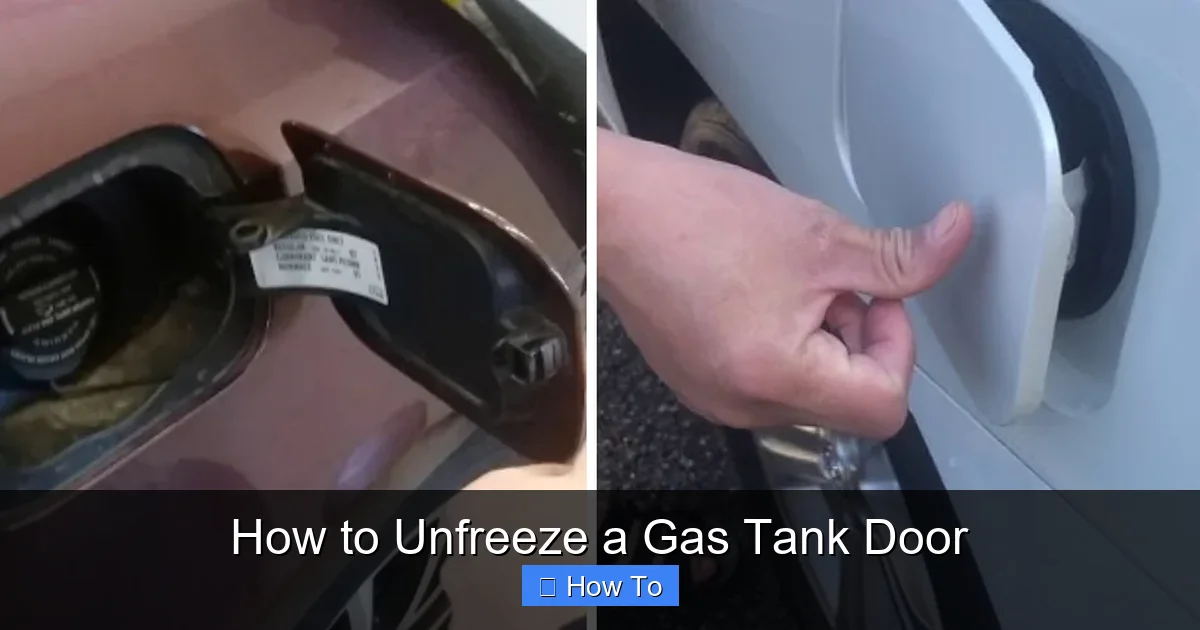
Unfreezing a gas tank door requires patience and the right techniques to avoid damaging your vehicle. Understanding common causes like ice buildup or mechanical issues helps you address the problem effectively. Follow these expert tips to safely thaw and open your gas tank door without risking further damage.
Key Takeaways
- Identify the cause: Ice, moisture, or mechanical failures are common reasons for a frozen gas tank door.
- Use safe heat methods: Apply controlled heat (like a hairdryer) to avoid overheating or damaging fuel lines.
- Apply lubricants wisely: Silicone spray or de-icing spray can help, but avoid oil-based products that attract dirt.
- Check for mechanical issues: A stuck latch or broken cable may require professional diagnosis.
- Prevent future freezes: Park in covered areas and use fuel additives in extreme cold climates.
- Avoid excessive force: Forcing the door can damage the lock mechanism or fuel system.
- Consult professionals if needed: Persistent issues may indicate deeper problems like fuel line blockages.
📑 Table of Contents
Understanding Why Gas Tank Doors Freeze
Winter weather can turn your car troubles into a full-blown headache, especially when you can’t refuel. The gas tank door, a seemingly simple component, often freezes due to moisture accumulation or temperature extremes. When humidity condenses inside the door’s mechanism or on its exterior, it forms ice that blocks the latch or lock. In some cases, the problem isn’t ice at all but a mechanical failure, such as a seized cable or a broken latch. Recognizing the root cause is critical to choosing the right solution.
Common Causes of a Frozen Gas Tank Door
- Ice build-up: Moisture trapped in the door’s hinges or lock mechanism freezes overnight.
- Broken cables: A snapped release cable can make the door appear frozen when it’s actually stuck mechanically.
- Corroded latches: Old or rusted latches may seize, mimicking a frozen state.
- Fuel system issues: Water in the fuel tank (from condensation) can freeze and block the filler neck.
If you’re wondering how to open the gas tank on a Toyota Corolla or similar models during winter, start by diagnosing the issue. Sometimes, the problem isn’t the door itself but a stuck fuel cap or a clogged filler neck.
Immediate Actions to Take
When you encounter a frozen gas tank door, act quickly to avoid delays or further complications. Here’s what to do first:
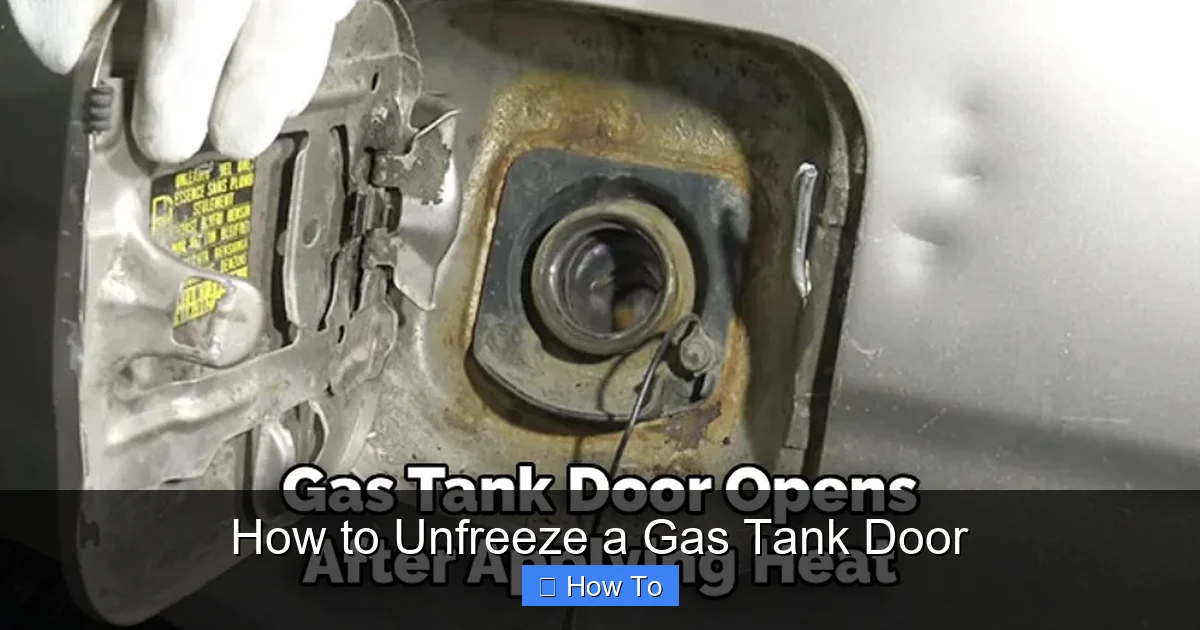
Visual guide about How to Unfreeze a Gas Tank Door
Image source: jeepfixes.com
1. Stay Calm and Assess the Situation
Take a moment to observe the door and surrounding area. Is there visible ice? Does the door move at all when you press the release? If the door is completely stuck, avoid forcing it, as this can damage the lock or fuel system.
2. Clear Visible Ice
Use a soft tool like a plastic scraper or even a credit card to gently chip away at ice around the door’s edges. Work slowly to prevent scratching the paint. If the ice is thick, consider applying warmth first (more on this below).
3. Locate the Release Mechanism
Check if your car has an interior release lever (common in many sedans and SUVs). For example, many Toyota models include an emergency release inside the cabin. If you can’t find one, consult your owner’s manual for specific instructions.
Safe Methods to Unfreeze the Door
Once you’ve assessed the situation, it’s time to take action. Below are proven methods to unfreeze your gas tank door safely and effectively.
Visual guide about How to Unfreeze a Gas Tank Door
Image source: upgradedvehicle.com
1. Apply Controlled Heat
Heat is often the fastest way to melt ice. Use a hairdryer on a low setting or a heat gun set to a safe temperature (avoid exceeding 150°F). Hold the tool a few inches away from the door and move it in circular motions to distribute warmth evenly. Never use open flames like a torch, as fuel vapors are highly flammable.
Pro Tip:
For vehicles like the Toyota RAV4 or Hyundai Palisade, start heating near the lock mechanism first, as this is typically the coldest part.
2. Use De-Icing or Silicone Spray
Spray a small amount of de-icing fluid or silicone-based lubricant into the latch and hinge areas. Work the door gently to spread the product. Avoid WD-40, as it can attract moisture and worsen freezing over time.
Alternative Solution:
If you don’t have commercial products, rub a thin layer of petroleum jelly on the latch mechanism. This creates a barrier against moisture.
3. Manually Release the Latch
If the door is stuck but not frozen, try using the interior release cable. This emergency option is available in most modern cars. For example, the Volkswagen Tiguan and Infiniti models include this feature for situations like yours.
4. Drive the Car to Generate Heat
After loosening the door, drive the vehicle for 10–15 minutes to warm the fuel system naturally. The engine’s heat can prevent future freezes, especially if you park in a shaded area afterward.
Preventing Future Freezes
Once you’ve resolved the immediate issue, take steps to avoid recurrence. Here’s how:
Visual guide about How to Unfreeze a Gas Tank Door
Image source: jeepfixes.com
1. Park Strategically
Choose sheltered parking spots whenever possible. If you live in a cold climate, consider using a gas tank cover or parking in a garage.
2. Use Fuel Additives
Products like HEET or ISO-HEET absorb moisture in the fuel tank, reducing the risk of ice formation. Add them before winter sets in.
3. Keep the Fuel Cap Closed
Ensure the cap is fully secured and seated properly. A loose cap allows moisture to enter, leading to ice buildup. If the cap itself is stuck, follow similar methods to those used for the gas tank door.
4. Regularly Check the Latch
Inspect the latch mechanism for wear or corrosion. Apply a silicone spray every few months to keep it functioning smoothly.
When to Seek Professional Help
If none of the above methods work, it’s time to consult a mechanic. Common signs you need help include:
- Visible damage: Cracked or broken latches, or a bent door.
- Persistent freezing: Ice forms repeatedly despite prevention efforts.
- Fuel system issues: Difficulty refueling or a “check engine” light.
A professional can diagnose deeper problems like a blocked fuel line or faulty sensor. For instance, issues with the fuel tank’s breather valve might require specialized tools to fix.
Additional Tips and Considerations
Here are a few final pointers to keep in mind:
Be Patient
Rushing the process can lead to mistakes. Allow heat or lubricants to work for several minutes before attempting to open the door again.
Avoid Harsh Chemicals
Strong solvents or acids can damage paint or the fuel system. Stick to products designed for automotive use.
Check Your Owner’s Manual
Refer to your vehicle’s manual for model-specific advice. For example, Maserati Ghibli owners may have unique instructions for accessing the fuel door.
Frequently Asked Questions
Why does my gas tank door freeze, and how can I prevent it?
Freezing typically occurs due to moisture trapped in the door’s mechanism. Prevent it by parking in covered areas, using fuel additives, and keeping the latch clean and lubricated.
Can I use salt or sand to unfreeze the door?
Avoid using salt, as it can corrode metal parts. Sand or kitty litter may absorb moisture but won’t melt ice effectively. Stick to heat or de-icing sprays for best results.
How long does it usually take to unfreeze a gas tank door?
With proper techniques, it can take as little as 5–10 minutes. If ice is thick, allow more time for heat or lubricants to work.
Is it safe to use a blow dryer to thaw the door?
Yes, but use a low heat setting and keep the dryer moving to avoid overheating. Never use open flames near fuel systems.
What if the gas tank door is stuck but not frozen?
Check for mechanical issues like a broken cable or seized latch. An interior release lever or manual adjustment might help, but consult a mechanic if unsure.
Can water in the fuel tank cause freezing?
Yes, water can freeze in the tank and block the filler neck. Use a fuel system water remover to address this issue.
=== END OF ARTICLE ===


