
Pearl Arctic White Spray Paint for Car
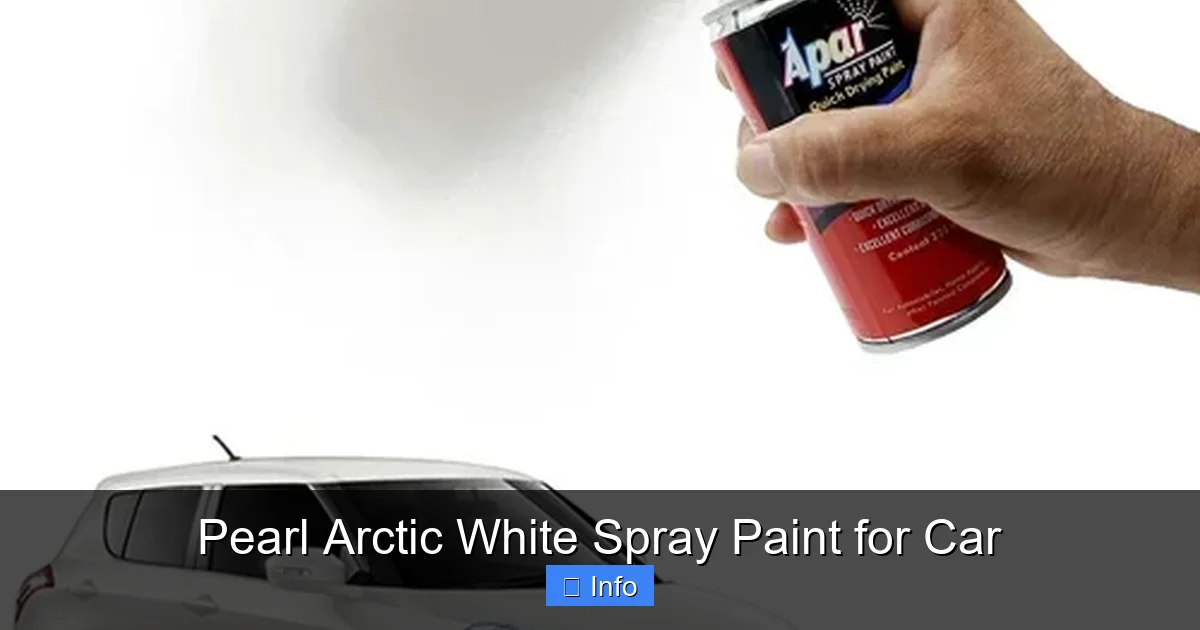
Pearl Arctic White Spray Paint for Car is your ticket to a head‑turning, pearlescent finish that mimics factory perfection. This guide breaks down the essentials, from choosing the right can to application methods that prevent common mistakes. With proper prep and the tips shared here, you can refresh your ride’s look affordably and effectively.
If you’ve ever admired a car that seems to shift colors in the sunlight, you’ve likely encountered pearl arctic white spray paint for car in action. This finish isn’t merely a solid white; it’s a pearlescent marvel that adds depth, dimension, and a touch of luxury to any vehicle. Many car owners dream of that showroom glow, but the prospect of a professional paint job often comes with a steep price tag and lengthy wait times. The good news is that with the right pearl arctic white spray paint for car and a patient approach, achieving a stunning finish at home is entirely possible. In this comprehensive guide, we’ll walk you through everything from the science behind the pearl effect to step‑by‑step application techniques that even a beginner can follow. By the end, you’ll feel confident tackling your own project and cruising down the road with a head‑turning finish that turns heads every time you pull up.
Understanding what makes pearl arctic white spray paint for car special helps you appreciate why it’s worth the extra care compared to standard single‑stage paints. The secret lies in tiny reflective particles, often mica or ceramic‑coated flakes, suspended within the paint medium. As you spray, these particles settle randomly and, because they’re semi‑transparent, light passes through, reflects off the base coat, and bounces back to your eyes. This layered reflection creates the characteristic shimmer that gives the finish its three‑dimensional quality. The “arctic white” base color is carefully formulated with a cool undertone that complements the pearl shimmer, preventing the finish from looking yellow or dull over time. This combination of base color and reflective particles is what gives the paint its high‑end, showroom‑quality appearance that many enthusiasts seek for their daily drivers or show cars.
Key Takeaways
- Point 1: Choose a high‑quality pearl arctic white spray paint for car that lists pigment concentration and clear‑coat compatibility on the label.
- Point 2: Always prep the surface by washing, clay‑barbing, and sanding lightly; skipping this step leads to poor adhesion and uneven pearl distribution.
- Point 3: Apply thin, consistent coats rather than one thick layer, allowing proper drying time between sprays to avoid runs and orange‑peel texture.
- Point 4: Finish with a dedicated best spray can clear coat for car to lock in the pearl effect and protect against UV fading and road debris.
- Point 5: Maintain the finish by washing with pH‑balanced shampoo and regularly applying a quality best car polish for pearlescent paint to keep the glow vibrant.
- Point 6: Store leftover cans in a cool, dry place and shake well before each use to ensure the pearl particles remain evenly mixed.
📑 Table of Contents
- Understanding Pearl Arctic White Spray Paint for Car
- Selecting the Best Pearl Arctic White Spray Paint for Your Project
- Preparing Your Vehicle for a Flawless Finish
- Application Techniques for a Professional‑Grade Result
- Curing, Clear Coating, and Long‑Term Protection
- Maintaining Your Pearl Finish and Avoiding Common Mistakes
- Conclusion
Understanding Pearl Arctic White Spray Paint for Car
The pearl effect is what sets this paint apart, and grasping how it works puts you ahead of the game before you even open a can. Unlike standard paints that rely on metallic flakes for shine, pearl arctic white spray paint for car uses semi‑transparent ceramic or mica particles that create a deep, luminous glow. These particles are engineered to reflect light from multiple angles, which is why the finish appears to change slightly as you walk around the vehicle. The arctic white base color is carefully formulated with a cool undertone that complements the pearl shimmer, resulting in a crisp yet warm vibe that feels both modern and timeless. This optical effect is why pearl finishes are often described as “depth‑rich.” Choosing a paint with high‑quality, uniformly sized pearl particles makes a noticeable difference; lower‑quality options may look grainy or uneven, especially under direct sunlight. Always check product reviews and, if possible, test a small hidden area first to see how the pearl behaves on your specific base color.
The Science Behind the Pearl Effect
When you apply pearl arctic white spray paint for car, the reflective particles are distributed evenly across the surface as the paint dries. Because the particles are semi‑transparent, light travels through the top layer, hits the underlying base coat, and reflects back out. The result is a glow that seems to come from within the paint itself, rather than just from the surface. This layered reflection is what gives the finish its characteristic depth and richness. This is also why pearl finishes are forgiving of minor surface imperfections, as the shimmer distracts the eye from small flaws. If you want a finish that looks expensive without the show‑room price tag, this is a smart route to take, especially because you can apply it yourself with the right preparation and technique.
Arctic White Versus Standard White
Standard white paint reflects light evenly, producing a flat, opaque appearance. Pearl arctic white spray paint for car, however, is designed with a cooler undertone that enhances the pearl shimmer, creating a vibe that feels both contemporary and classic. This makes it a popular choice for everything from commuter cars to high‑end show vehicles. Additionally, the pearl effect helps camouflage minor surface imperfections better than a pure white, as the shimmer distracts the eye from small flaws and swirl marks. If you’re transitioning from a metallic or solid color, you’ll immediately notice the difference—the pearl effect adds a richness that flat paint simply cannot mimic.
Selecting the Best Pearl Arctic White Spray Paint for Your Project
With dozens of options lining auto‑shop shelves, picking the best pearl arctic white spray paint for car can feel overwhelming, but a few key factors can simplify the decision. Start by confirming that the product is labeled as automotive grade; household spray paints lack the durability, color consistency, and pearl particle quality needed for a professional‑looking finish. Next, consider the can size based on your project scope. A 12‑ounce can is ideal for spot repairs or small panels, while a 20‑ounce can cover a full hood, roof, or multiple panels if you’re doing a partial respray. Reading the technical data on the back of the can—such as recommended drying times, number of coats, and clear‑coat compatibility—will save you time and prevent costly mistakes down the road.
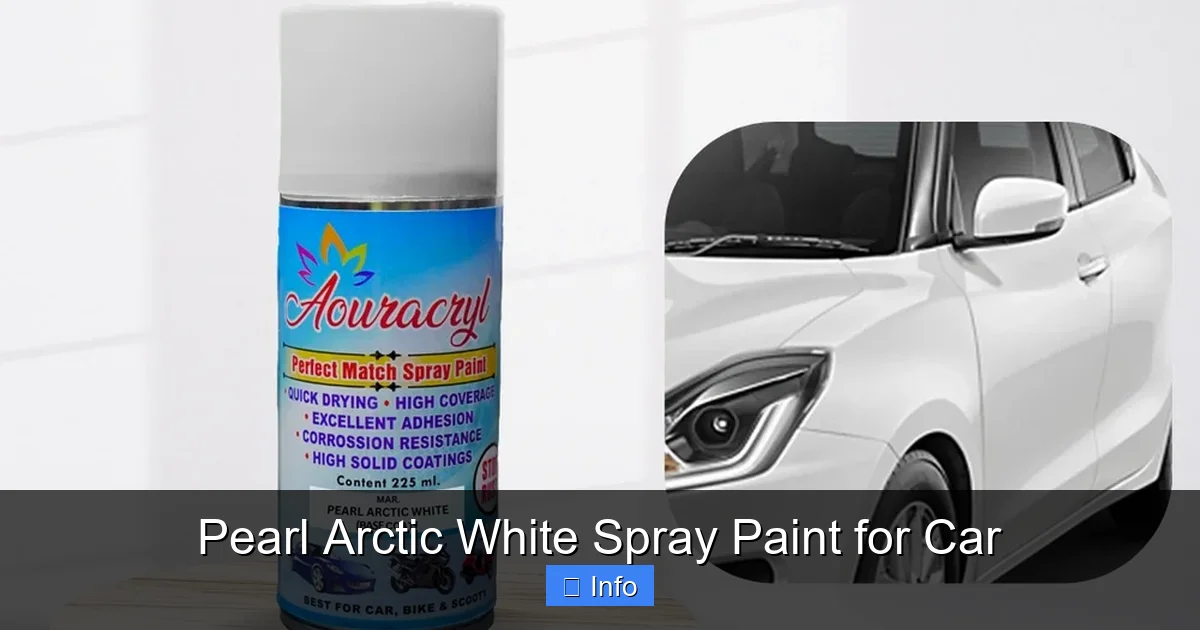
Visual guide about Pearl Arctic White Spray Paint for Car
Image source: dukaan.b-cdn.net
If you’d like to explore other options, the best pearl white paint for car guide on our site compares top brands and color‑matching tips, giving you a broader sense of what’s available. For a broader look at shade options, the best white pearl paint colors for cars article on our site breaks down popular choices and manufacturer recommendations, helping you decide if arctic white is the right fit for your vehicle’s style.
Top Brands and What to Look For
Brands like Dupli‑Color, Rust‑oleum, and Sprayon are frequently mentioned when discussing the best pearl arctic white spray paint for car, each bringing slightly different strengths to the table. Dupli‑Color is often praised for its consistent pearl distribution and user‑friendly application, making it a favorite among DIYers. Rust‑oleum offers excellent UV resistance, which helps the pearl shimmer stay vibrant even after years of sun exposure. Sprayon provides a good balance of affordability and performance, suitable for those on a budget who still want a quality finish. Always check the can’s color code against your vehicle’s VIN or original paint label, and don’t hesitate to ask retailers for color‑matching assistance if you’re unsure. Reading online reviews and watching application videos can also give you a realistic sense of what to expect.
Matching Your Vehicle’s Existing Paint
Before you buy, compare the spray can’s color code to your car’s VIN or original paint label. Many automotive retailers offer color‑matching services, but doing a little homework saves time and prevents costly re‑sprays. If you’re unsure, ordering a small test spray and applying it to an inconspicuous area, like the inside of a door jamb, can reveal whether the shade aligns with your expectations. Remember, the pearl effect can look different depending on the underlying color, so testing in natural daylight gives the most accurate sense of the final result.
Preparing Your Vehicle for a Flawless Finish
No matter how premium the pearl arctic white spray paint for car is, surface preparation is the unsung hero of a successful paint job. Dust, grease, wax, and old paint residues can cause the new coating to peel, bubble, or apply unevenly, ruining the pearl effect you’re aiming for. Start by washing the entire vehicle with a pH‑balanced car shampoo, using a microfiber mitt to lift dirt without scratching the surface. Rinse thoroughly and dry with a clean microfiber towel to prevent water spots from forming before you even begin painting.
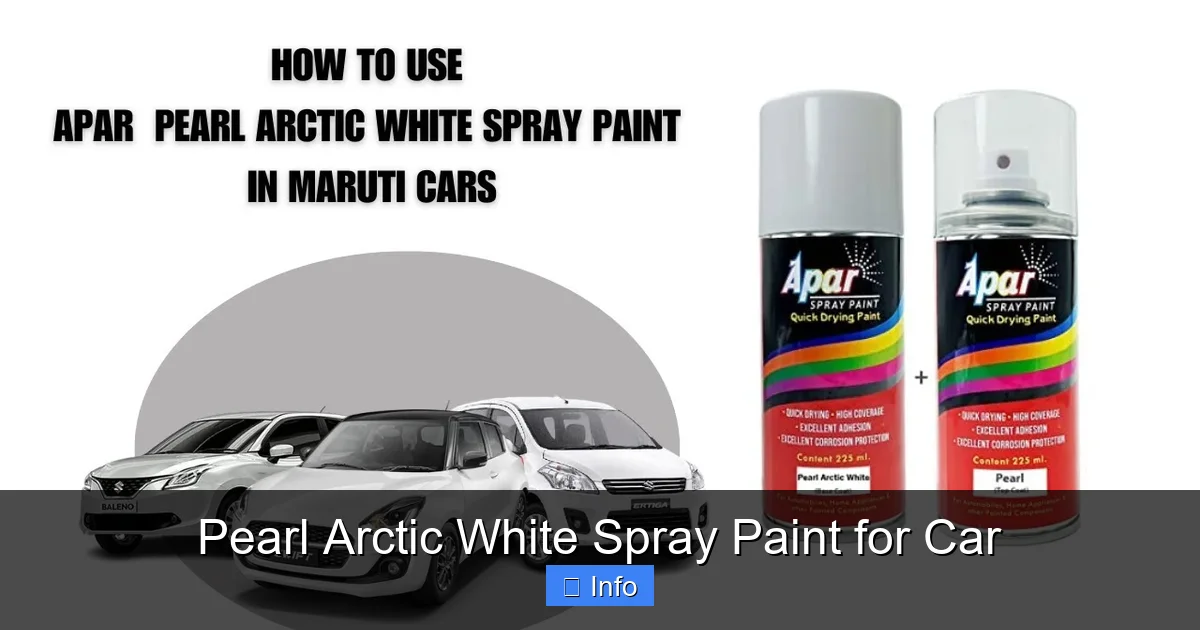
Visual guide about Pearl Arctic White Spray Paint for Car
Image source: i.ytimg.com
Sanding and Priming Essentials
Once the surface is clean, lightly sand the area you intend to paint with 400‑ to 600‑grit sandpaper. This step creates a slightly toothed surface that the primer can grip, ensuring a strong bond that won’t fail later. Wipe away all dust with a tack cloth or a damp microfiber towel, making sure no particles remain. Then, apply a high‑quality automotive primer specifically designed for pearl or metallic finishes. The primer provides a uniform base that enhances the pearl’s consistency and prevents the underlying base color from bleeding through the new coat. Follow the manufacturer’s drying times precisely; rushing this stage often leads to sagging, uneven pearl distribution, or poor adhesion that requires a complete re‑do.
Masking and Protection
Proper masking is what separates a professional‑looking result from a messy DIY job. Use high‑quality painter’s tape and paper to cover windows, trim, side mirrors, door handles, and any badges or emblems you’re not painting. Pearl arctic white spray paint for car can overspray easily, and cleanup is significantly harder once the paint begins to set. Cover surrounding areas with plastic sheeting and secure it with tape. Don’t forget to mask off the underside of panels and any recessed areas where overspray might accumulate. Taking the time to mask thoroughly gives you clean, sharp edges and protects your car’s existing parts from accidental paint.
Application Techniques for a Professional‑Grade Result
With your surface prepped and masked, it’s time to bring pearl arctic white spray paint for car to life. The actual spraying technique has a greater impact on the final finish than almost any other factor, so take your time and practice patience. Hold the can 6 to 8 inches away from the surface, and use a steady, sweeping motion, overlapping each pass by roughly 50 percent. This overlap ensures even coverage without creating thick drops that can cause runs or orange‑peel texture.
Visual guide about Pearl Arctic White Spray Paint for Car
Image source: m.media-amazon.com
Spray Distance and Motion
If you hold the can too close, the paint and pearl particles concentrate in one spot, leading to clumping and an uneven texture. Too far away, and the paint dries in mid‑air, resulting in a grainy, rough finish that’s difficult to level. Practicing on a piece of cardboard or metal first helps you get a feel for the spray pattern and how the paint behaves. Move the can consistently left‑to‑right or up‑down, never stopping in one spot for too long. Maintaining a consistent speed is what separates a factory‑like finish from a DIY mistake that requires sanding and re‑spraying.
Building Up Coats Gradually
Resist the urge to apply one thick coat in the hopes of faster coverage. Instead, apply two to four thin coats, allowing each coat to become tack‑free before adding the next. Depending on humidity and temperature, this might mean waiting 10 to 20 minutes between coats. Thin coats allow the pearl particles to settle evenly, resulting in that coveted deep, luminous glow. If you apply too much at once, the pearls can clump together, creating visible spots or streaks instead of a uniform shimmer. Multiple thin coats also make it easier to spot and fix any issues before they become permanent.
Curing, Clear Coating, and Long‑Term Protection
Once your pearl arctic white spray paint for car has been applied in the desired number of thin coats, the next critical step is protecting the finish. The pearl particles are breathtaking, but they’re vulnerable to UV rays, bird droppings, road salt, and everyday washing without a proper clear coat seal. This is where a high‑quality automotive clear coat earns its keep.
The Role of Clear Coat in Protection
A dedicated clear coat seals the pearl layer and provides a glossy barrier that enhances the shimmer while guarding the paint beneath. Apply the clear coat in two thin layers, using the same spray distance and overlap technique you used for the pearl color. Allow the recommended flash time between coats, and give the full system at least 24 hours to dry before handling the vehicle, and 72 hours for full cure before regular washing. Rushing the clear coat can trap solvents and cause cloudiness that dulls the pearl effect, so patience here pays off in spades.
For those who want to ensure a flawless seal, the best spray can clear coat for car guide on our site reviews top products and application methods, helping you choose the right clear coat for your pearl finish.
Buffing and Polishing for Maximum Luster
After the clear coat has fully cured—typically about a week for optimal hardness—you can begin the buffing process. Use a gentle polishing compound and a microfiber applicator to remove any minor imperfections and bring out the deep, mirror‑like shine. This step is where the pearl really pops, as the polish levels the surface and maximizes light reflection. If you’re unsure about the process or which products to use, the best car polish for pearlescent paint guide on our site offers step‑by‑step instructions and product recommendations tailored specifically to pearl finishes. Following those recommendations can help you achieve a showroom‑quality glow without the guesswork.
Maintaining Your Pearl Finish and Avoiding Common Mistakes
Your car’s new pearl arctic white spray paint for car finish will stay stunning for years if you adopt the right washing and maintenance habits. Pearl finishes are more forgiving than matte paints, but they still require care to keep the pearl particles reflecting light beautifully. A consistent maintenance routine not only preserves the glow but also protects your investment of time and money.
Washing Habits That Preserve the Glow
Use a two‑bucket method: one bucket with pH‑balanced car shampoo and another with clean rinse water. This prevents dirt from being dragged across the surface, which can create micro‑scratches that dull the pearl shimmer over time. Choose a shampoo specifically formulated for metallic or pearl finishes, and avoid harsh detergents or dish soap, which can strip away the clear coat and diminish the pearl effect. Rinse thoroughly and dry with a plush microfiber towel to prevent water spots, which can be especially noticeable on light‑colored pearl finishes.
Waxing and Sealing Pearl Paint
Applying a high‑quality car wax every three to six months adds an extra layer of protection and enhances the depth of the pearl effect. Look for waxes that are safe for clear coats and contain UV inhibitors to guard against fading from sun exposure. Some detailers prefer synthetic sealants for longer‑lasting durability, while carnauba waxes give a richer, warmer glow. Whichever you choose, apply in thin, even layers and buff off the residue for a flawless finish that makes the pearl shimmer pop.
Dealing with Minor Damage
Small chips or scratches are inevitable, but they don’t have to ruin the overall look. Keeping a small can of touch‑up paint on hand allows you to address issues before they rust or spread. For best results, clean the area, apply a thin layer of touch‑up paint, and finish with a dab of clear coat. Matching the pearl shade exactly can be tricky, so if the damage is extensive, consulting a professional painter ensures a seamless blend. If you need to fix a small chip, checking the best touch up paint for car chips guide on our site can help you maintain the finish seamlessly. The guide offers product recommendations and application steps tailored to pearl and metallic finishes.
Conclusion
Transforming your vehicle with pearl arctic white spray paint for car is a rewarding project that blends art and science. By understanding the paint’s unique properties, prepping your surface meticulously, applying thin even coats, and sealing the finish with a quality clear coat, you can achieve a head‑turning, pearlescent glow that rivals showroom standards. Remember to maintain the shine with proper washing, regular waxing, and occasional polishing, and address any chips or scratches promptly to keep your car looking its best. With the tips and techniques shared in this guide, you’re well‑equipped to tackle your own paint project and enjoy a stunning finish for years to come.
Frequently Asked Questions
Can pearl arctic white spray paint for car be applied over existing paint?
Yes, but only if the existing surface is properly prepped. You’ll need to wash, sand, and prime the area to ensure the new pearl coat bonds correctly. Applying directly over old paint without preparation often leads to peeling or uneven pearl distribution.
How many coats of pearl arctic white spray paint for car should I apply?
Two to four thin coats are recommended, depending on the desired intensity of the pearl effect. Allow each coat to become tack‑free before applying the next, typically 10 to 20 minutes between coats. Applying too many thick coats can cause runs and clump the pearl particles, ruining the smooth finish.
Do I need a clear coat after pearl arctic white spray paint for car?
Absolutely. A quality clear coat is essential to seal the pearl particles, protect against UV fading, and enhance the overall shine. Without a clear coat, the pearl effect can dull over time due to sun exposure and environmental contaminants.
How long does pearl arctic white spray paint for car take to fully cure?
Full cure typically takes about 72 hours, though drying times vary based on humidity and temperature. Avoid washing or driving the vehicle aggressively during the first few days to prevent marring the fresh finish. Patience during the curing process ensures a durable, long‑lasting result.
Can I use pearl arctic white spray paint for car on plastic parts?
Yes, but the plastic surface must be cleaned, sanded, and primed with a plastic‑specific automotive primer. Standard primers may not adhere well to slick plastic, so using a product designed for automotive plastic ensures a durable bond and prevents peeling later.
What’s the best way to maintain a pearl arctic white spray paint for car finish?
Wash regularly using the two‑bucket method and a pH‑balanced shampoo safe for pearl finishes. Apply a high‑quality car wax or sealant every three to six months, and use a dedicated best car polish for pearlescent paint occasionally to restore shine. Promptly address any chips or scratches with touch‑up paint to prevent further damage.


