Poisonous Gas Present in Exhaust Fumes of Car Is
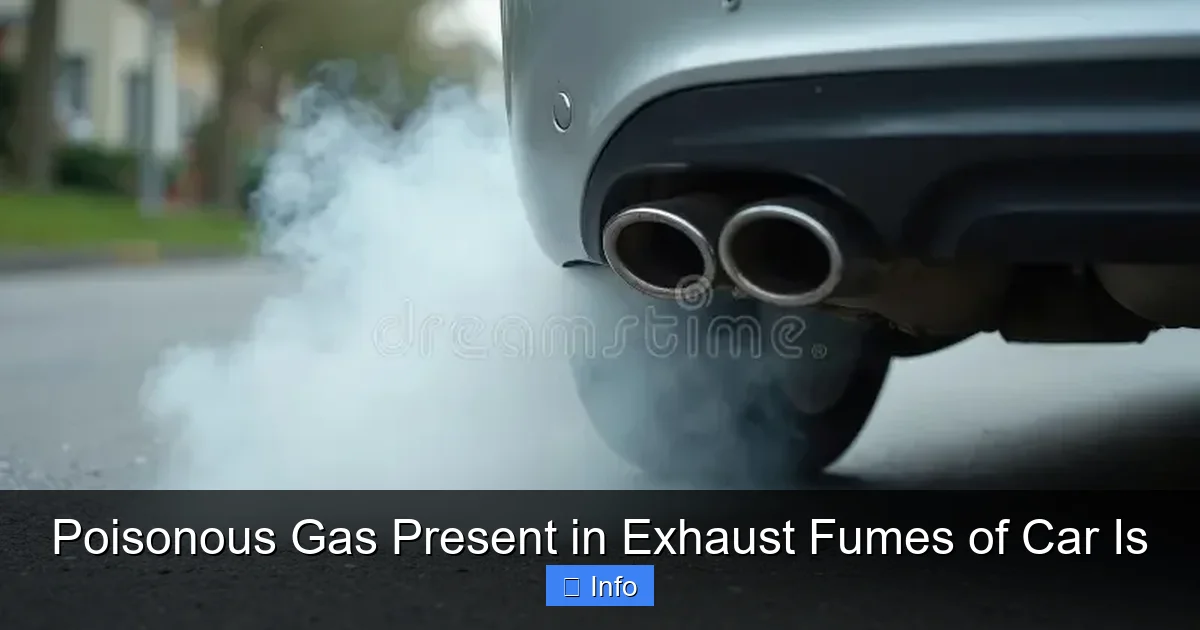
Exhaust fumes contain a blend of harmful gases such as carbon monoxide, nitrogen oxides, and hydrocarbons. These pollutants can affect human health and the environment. Learning about them helps you take protective measures.
When you turn the key, the engine roars to life. poisonous gas present in exhaust fumes of car is a mix of chemicals that can be harmful to people and the planet.
These gases are created when fuel burns inside the engine. The high temperatures cause chemical reactions that produce various pollutants.
Key Takeaways
- Point 1: Carbon monoxide is an odorless gas that reduces oxygen in the blood.
- Point 2: Nitrogen oxides irritate the respiratory system and contribute to smog.
- Point 3: Hydrocarbons are volatile compounds that can form ground‑level ozone.
- Point 4: Catalytic converters break down harmful molecules into safer gases.
- Point 5: Regular engine tune‑ups and filter changes lower emission output.
- Point 6: Smooth driving and proper tire inflation help reduce pollutant release.
📑 Table of Contents
Understanding the Main Pollutants
Carbon Monoxide
Carbon monoxide is a colorless and odorless gas. It binds to hemoglobin in the blood, which reduces the amount of oxygen that can reach body tissues.
Nitrogen Oxides
Nitrogen oxides are a group of gases that irritate the lungs. They also help form smog and acid rain.
Hydrocarbons
Hydrocarbons are unburned fuel molecules. They are volatile and can react with sunlight to create ground‑level ozone.
How These Gases Affect Human Health
Immediate Symptoms
Short‑term exposure can cause headaches, dizziness, and shortness of breath. People with asthma may experience worsened symptoms.
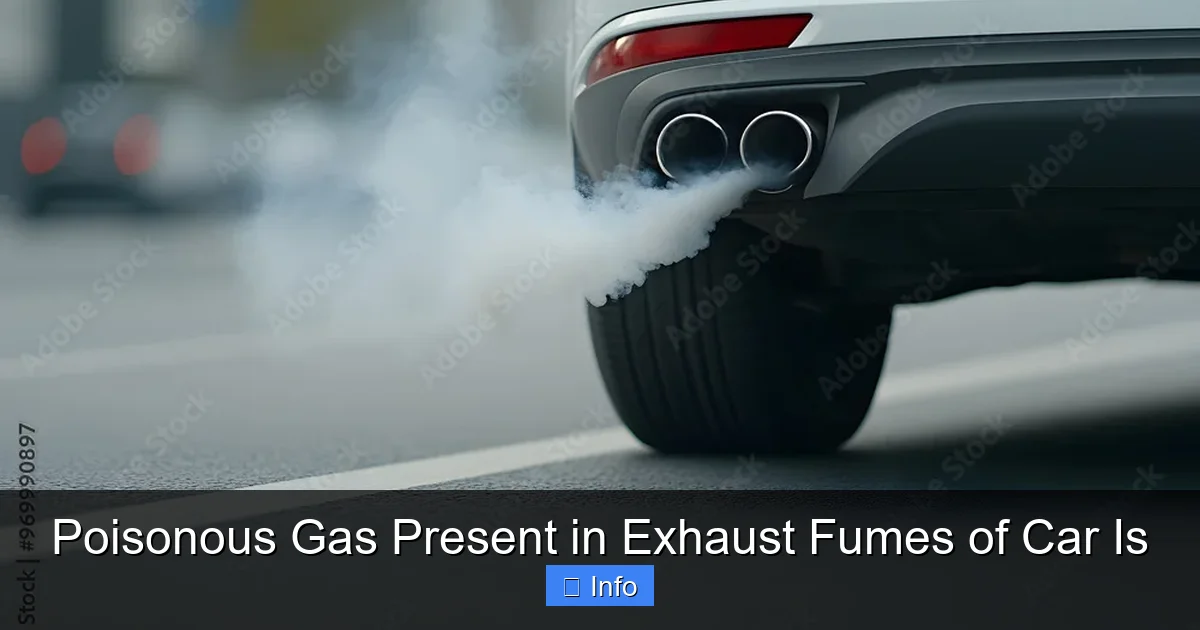
Visual guide about Poisonous Gas Present in Exhaust Fumes of Car Is
Image source: as1.ftcdn.net
Long‑Term Risks
Long‑term exposure can lead to heart disease, lung cancer, and premature death. Children and older adults are especially vulnerable.
Environmental Impact of Exhaust Emissions
Smog Formation
Nitrogen oxides and hydrocarbons react with sunlight to create smog. Smog reduces visibility and harms plant life.
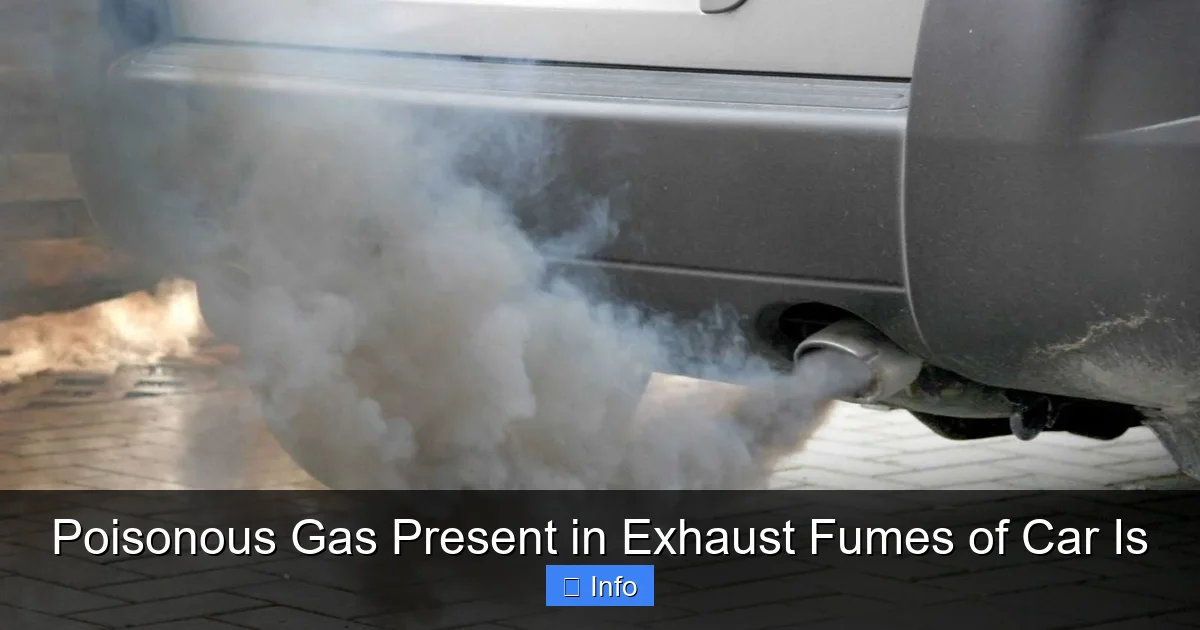
Visual guide about Poisonous Gas Present in Exhaust Fumes of Car Is
Image source: carfromjapan.com
Acid Rain
Nitrogen oxides can combine with water vapor to form acid rain. Acid rain damages forests, lakes, and buildings.
How Exhaust Systems Reduce Toxins
Catalytic Converters
Catalytic converters use precious metals to change harmful gases into less toxic substances. They convert carbon monoxide to carbon dioxide and reduce nitrogen oxides.
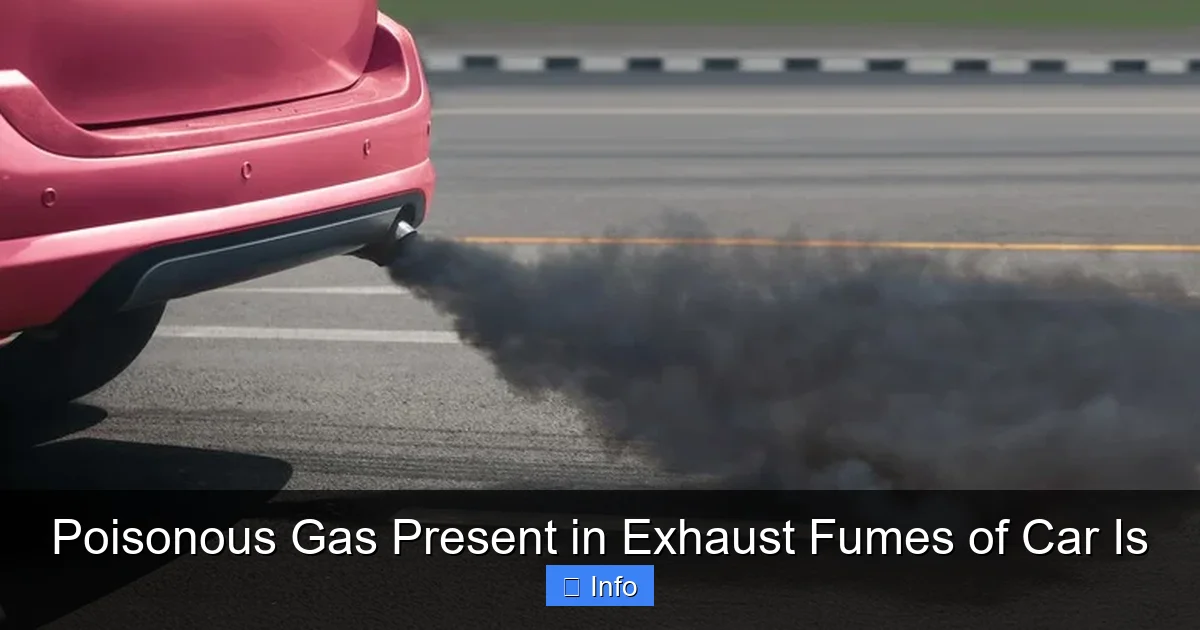
Visual guide about Poisonous Gas Present in Exhaust Fumes of Car Is
Image source: slashgear.com
For a deeper dive on maintaining your converter, check out our article on how to clean carbon out of exhaust.
Oxygen Sensors
Oxygen sensors monitor the amount of oxygen in the exhaust. They help the engine run efficiently and reduce emissions.
Practical Steps to Lower Your Exposure
Vehicle Maintenance
Regular oil changes, clean air filters, and timely spark plug replacements keep the engine running cleanly.
Understanding what is a fuel filter in a car can help you replace it at the right interval.
Driving Habits
Smooth acceleration, avoiding rapid stops, and keeping tires properly inflated reduce the amount of fuel burned and lower emissions.
Improving your fuel efficiency not only saves money but also cuts pollutants; learn more about how to get better gas mileage in a jeep.
In summary, poisonous gas present in exhaust fumes of car is a serious concern for health and the environment. By understanding its components and taking simple steps, you can protect yourself and reduce your impact.
Frequently Asked Questions
What are the main poisonous gases in car exhaust?
The primary gases are carbon monoxide, nitrogen oxides, and hydrocarbons. Each has distinct effects on health and the environment.
How does carbon monoxide affect the body?
Carbon monoxide binds to hemoglobin, reducing oxygen delivery to tissues. This can cause headaches, dizziness, and in severe cases, death.
What role do nitrogen oxides play in air pollution?
Catalytic converters use chemical reactions to transform harmful gases into less toxic substances like carbon dioxide and nitrogen. Regular vehicle maintenance, proper tire inflation, and smooth driving habits help reduce the amount of pollutants released. Electric vehicles produce no tailpipe emissions, but the electricity generation process may still create pollutants elsewhere.How do catalytic converters reduce emissions?
What can I do to lower my exposure to exhaust fumes?
Are electric cars completely free of these pollutants?