Rc Car with Steering Wheel and Pedal
Discover how an rc car with steering wheel and pedal brings true-to-life racing fun, advanced skill building, and immersive play. This guide covers types, selection tips, setup, maintenance, and safety to help you choose the perfect model for your space and budget.
Key Takeaways
- Point 1: An rc car with steering wheel and pedal mimics real vehicles, offering a hands‑on driving experience.
- Point 2: These cars improve coordination, reaction time, and understanding of vehicle dynamics.
- Point 3: Hobby‑class and professional‑class models differ in speed, durability, and price points.
- Point 4: Choosing the right scale, power train, and build quality ensures years of fun.
- Point 5: Proper assembly, routine maintenance, and safe riding habits protect your investment.
- Point 6: Upgrading batteries, tires, and electronics can boost performance.
- Point 7: Indoor and outdoor safety rules keep users and surroundings safe.
📑 Table of Contents
What Is an RC Car with Steering Wheel and Pedal?
When you hear the phrase “rc car with steering wheel and pedal,” picture a small-scale vehicle that you control much like a real car. Instead of a simple joystick or remote button, you turn a wheel and press an accelerator pedal just as you would behind the wheel of a street car. This setup adds a layer of realism that many traditional remote‑controlled toys simply don’t offer.
Definition and Basic Components
The core of an rc car with steering wheel and pedal includes a chassis, motors, a steering servo, an electronic speed controller, and a battery pack. The steering wheel connects to the servo, which moves the front wheels left or right. The pedal is wired to the speed controller, which adjusts the motor’s power. Most units also feature a transmitter (the remote) that sends signals to both the steering and throttle systems.
How It Differs from Traditional Remote Cars
Traditional rc cars often use a single joystick on the remote to control speed and direction. An rc car with steering wheel and pedal separates these functions. You steer with a physical wheel while the pedal controls acceleration. This separation mirrors real‑world driving, making the experience more engaging and educational.
Why Choose a Steering Wheel and Pedal Setup?
Choosing an rc car with steering wheel and pedal isn’t just about fancy controls. The benefits extend to skill development, entertainment value, and even safety when used correctly.
Realistic Driving Experience
Imagine feeling the rush of a sports car without leaving your living room. The tactile feedback from the wheel and pedal creates a sense of speed and control that joystick models can’t match. This realism is why many hobbyists prefer a steering wheel and pedal system.
Skill Development and Engagement
Operating an rc car with steering wheel and pedal requires coordination. Your hands manage the wheel while your foot modulates the throttle. This dual‑task environment improves hand‑eye coordination, timing, and decision‑making—skills that transfer to real‑world driving and even video‑game racing.
Types and Popular Models
The market offers a range of rc cars with steering wheel and pedal. Understanding the categories helps you pick the right match for your needs.
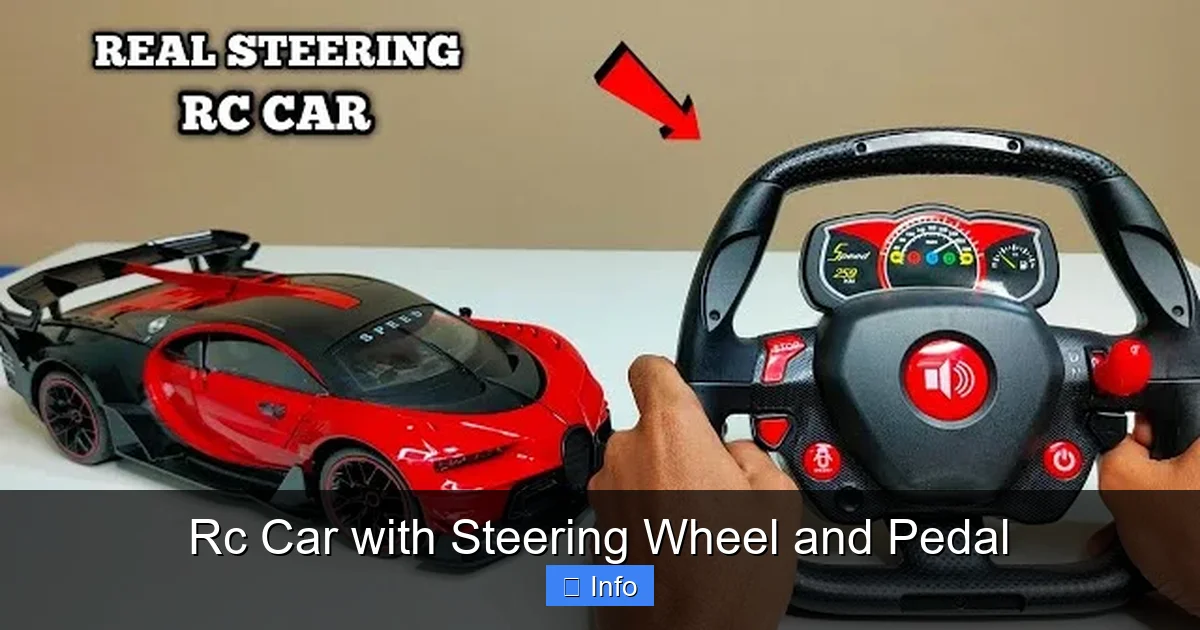
Visual guide about Rc Car with Steering Wheel and Pedal
Image source: i.ytimg.com
Hobby‑Class vs. Professional‑Class
Hobby‑class models are designed for beginners and casual racers. They typically feature lower top speeds, simpler assemblies, and affordable price points. Professional‑class cars aim for high performance, advanced electronics, and track‑ready durability. Both categories can be found with steering wheels and pedals, but the professional versions often include more precise servos and higher‑capacity batteries.
Notable Brands and Example Models
Popular brands include Traxxas, Hornby, and Arrma. For instance, the Traxxas Slash is a well‑known hobby‑class option that comes with a steering wheel and pedal kit. The Lamborghini remote control car with steering wheel and pedal (see this guide) showcases a premium, high‑speed model that mimics the look and feel of its full‑size counterpart. If you prefer a more budget‑friendly route, the basic remote control car with steering wheel and pedals offers solid performance without breaking the bank.
How to Choose the Right RC Car with Steering Wheel and Pedal
Selecting the perfect rc car with steering wheel and pedal depends on several factors. Consider these key areas before making your purchase.
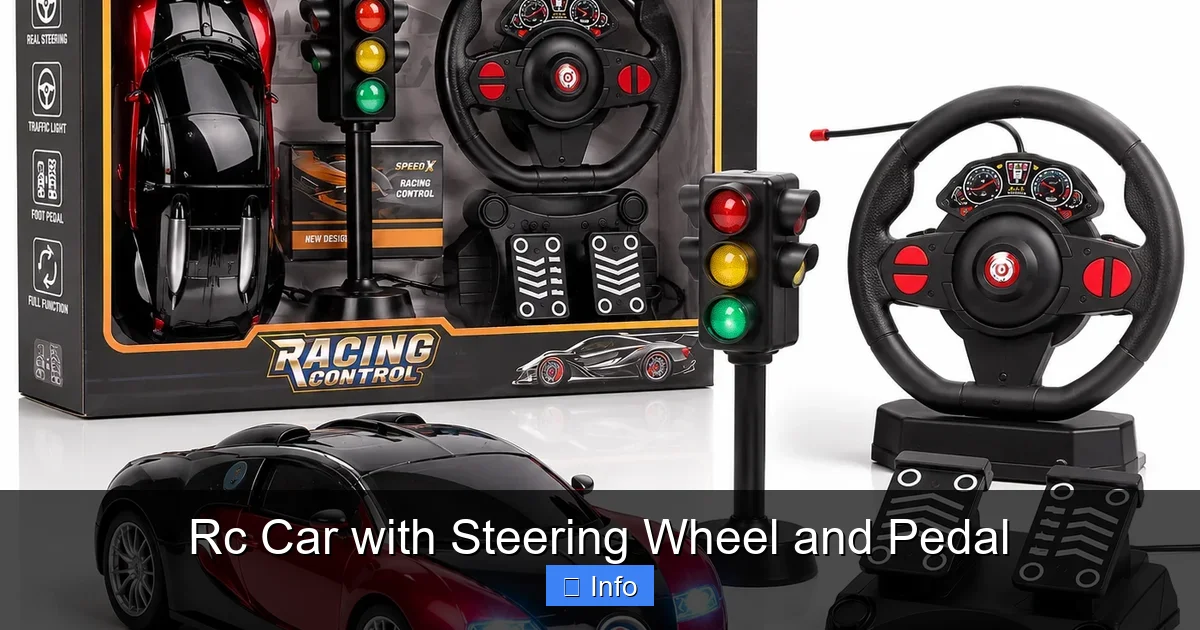
Visual guide about Rc Car with Steering Wheel and Pedal
Image source: friendtoys.com
Size and Scale Considerations
The scale of an rc car refers to its size relative to a real vehicle. A 1:10 scale car is larger and generally more durable, while a 1:32 scale model is smaller and better for tight spaces. Decide where you’ll use the car most—large indoor rooms, small apartments, or outdoor tracks.
Power Train and Battery Life
Power trains can be electric or nitro‑fuel. Electric models are quieter, easier to maintain, and perfect for indoor use. Battery life varies; look for models that offer at least 15‑20 minutes of continuous run time on a single charge. Some rc cars with steering wheel and pedal come with rechargeable Li‑Po batteries that provide high torque and quick charging.
Build Quality and Durability
Check the materials used for the chassis and body. Plastics like nylon and polycarbonate resist impacts. A well‑built rc car with steering wheel and pedal will have reinforced gearboxes and weather‑resistant electronics. Reading reviews can reveal common weak points.
Setting Up and Maintaining Your RC Car
Even the best rc car with steering wheel and pedal needs proper setup and care to stay reliable.
Initial Assembly Tips
Begin by reading the instruction manual thoroughly. Most kits include pre‑cut parts and a step‑by‑step guide. Start with the chassis, then install the motor, steering servo, and battery. Double‑check that all screws are tightened but not over‑tightened, which can strip threads.
Routine Maintenance for Longevity
After each use, inspect the wheels, tires, and body for wear. Clean dust from the electronic components with a soft brush. Lubricate the steering linkage as needed. Store the rc car with steering wheel and pedal in a dry place to prevent moisture damage.
Upgrading for Better Performance
If you want faster acceleration or better cornering, consider upgrading the battery to a higher‑capacity unit. High‑performance tires improve grip on smooth surfaces. Some enthusiasts also replace the stock servo with a metal‑gear version for more precise steering. The car driving game with gear and clutch concept can inspire similar upgrades for a more realistic feel.
Safety Tips and Best Practices
Safety should always come first when handling an rc car with steering wheel and pedal.
Outdoor Track Safety
Use the rc car only on designated tracks or open areas free of obstacles. Wear protective eyewear and keep bystanders at a safe distance. Always start with low speeds until you’re comfortable with the controls.
Indoor Use Guidelines
If you’re running the rc car with steering wheel and pedal inside, clear the area of fragile items and rugs that could cause the car to slip. Use a non‑slip mat on the floor to improve traction. Keep the battery away from pets and children when not in use.
Protecting Batteries and Electronics
Never expose the battery to extreme temperatures. Charge the battery only with the charger provided by the manufacturer. Over‑charging can reduce battery life and pose a safety risk.
Conclusion
An rc car with steering wheel and pedal offers a thrilling blend of realism, skill development, and fun. By understanding the different types, selecting the right model, and following proper maintenance routines, you can enjoy years of satisfying racing action. Whether you’re a beginner looking for a hobby or a seasoned racer seeking a new challenge, the right rc car with steering wheel and pedal can transform your play experience. Dive in, practice safe habits, and watch your driving abilities improve—one lap at a time.
Frequently Asked Questions
What is an rc car with steering wheel and pedal?
An rc car with steering wheel and pedal is a remote‑controlled vehicle that uses a physical steering wheel and an accelerator pedal to control direction and speed, mimicking real‑world driving.
How does the steering wheel connect to the car?
The steering wheel is linked to a servo inside the car. When you turn the wheel, the servo moves the front wheels left or right, providing precise control.
Do I need a special track for an rc car with steering wheel and pedal?
You can use indoor or outdoor spaces, but a smooth, open area without obstacles is ideal. Designated rc tracks offer the best surface and safety barriers.
What maintenance is required?
Regularly check wheels, tires, and screws. Clean dust from electronics, lubricate the steering linkage, and store the car in a dry place. Charge the battery with the provided charger.
Can I upgrade the performance of my rc car with steering wheel and pedal?
Yes. Upgrading to higher‑capacity batteries, metal‑gear servos, and performance tires can improve speed, handling, and overall driving experience.
Are there safety guidelines for using these cars?
Always wear eye protection, keep spectators at a safe distance, and use low speeds when learning. Inspect the battery and electronics regularly to prevent mishaps.