Rto Approved Sun Control Film for Car
Installing RTO approved sun control film for car keeps you cool and legal on Indian roads. It blocks heat and harmful UV rays while following government VLT rules. This guide explains legal limits, benefits, and how to pick the right film without risking fines.
Key Takeaways
- Legal Compliance: RTO approved sun control film for car meets Indian traffic rules and helps you avoid fines.
- VLT Limits: Front and rear windows have specific visible light transmission percentages you must follow.
- Heat Protection: Approved films reduce cabin temperature and improve AC efficiency.
- UV Blocking: Quality films block up to 99% of harmful ultraviolet rays.
- Professional Installation: Certified installers ensure proper fit and RTO compliance.
- Warranty and Certification: Always ask for proof of approval before installation.
📑 Table of Contents
What Is RTO Approved Sun Control Film for Car?
Imagine stepping into your car after it has been parked under the midday sun. The seat burns your legs. The steering wheel is too hot to hold. The air inside feels like an oven. This is a daily reality for many car owners in India. An RTO approved sun control film for car can change that experience completely.
But what does RTO approved really mean? RTO stands for Regional Transport Office. It is the government department that manages vehicle registration, driving licenses, and road safety rules. When a sun control film carries RTO approval, it means the product has been tested and cleared for use on Indian roads. It follows the legal standards for light transmission and safety.
You might wonder why a simple film needs government approval. The answer is safety and security. If a film is too dark, it blocks the view into the car. This can help criminals hide inside a vehicle. It also makes it harder for the driver to see pedestrians, cyclists, or other cars, especially at night. That is why the RTO sets clear rules.
An RTO approved sun control film for car gives you the best of both worlds. You get protection from heat and glare, but you stay within the law. You do not have to worry about being stopped by traffic police or asked to peel off the film during a routine check.
Legal Limits for Car Window Films in India
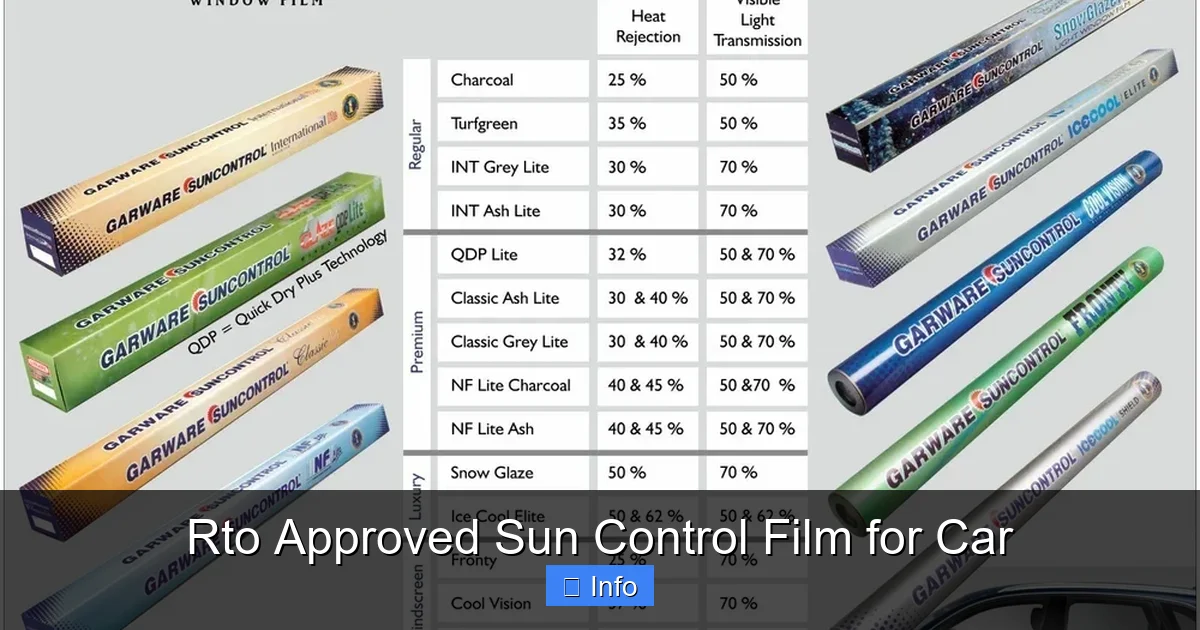
India’s rules for car window films are based on something called Visible Light Transmission, or VLT. VLT is a percentage that shows how much visible light can pass through the glass and film together. Higher VLT means more light comes in. Lower VLT means the window looks darker.
Visual guide about Rto Approved Sun Control Film for Car
Image source: 5.imimg.com
Front Windshield and Front Side Windows
For most private vehicles, the front windshield and front side windows must maintain at least 70% VLT. This means the film on these windows cannot be very dark. The goal is to make sure the driver has a clear view and that people outside can see inside the front cabin.
Rear Windows and Rear Side Windows
The rules are usually more relaxed for rear windows and rear side windows. Depending on your state and the type of vehicle, these windows may allow lower VLT, sometimes around 50% or even less. This gives passengers more privacy and better heat protection in the back seat.
How Police Check VLT
Traffic police often carry devices that measure VLT on the spot. If your film is darker than the legal limit, you can be fined on the spot. In some cases, the officer may ask you to remove the film immediately. This is why choosing an RTO approved sun control film for car is not just a suggestion. It is a necessity.
State-Wise Differences
Rules can vary slightly from one Indian state to another. What is allowed in one city might be questioned in another. Always check with your local RTO or a trusted installer who knows the rules in your area.
Benefits of Installing RTO Approved Sun Control Film
Installing sun control film is about much more than style. It is about comfort, safety, and protecting your investment.
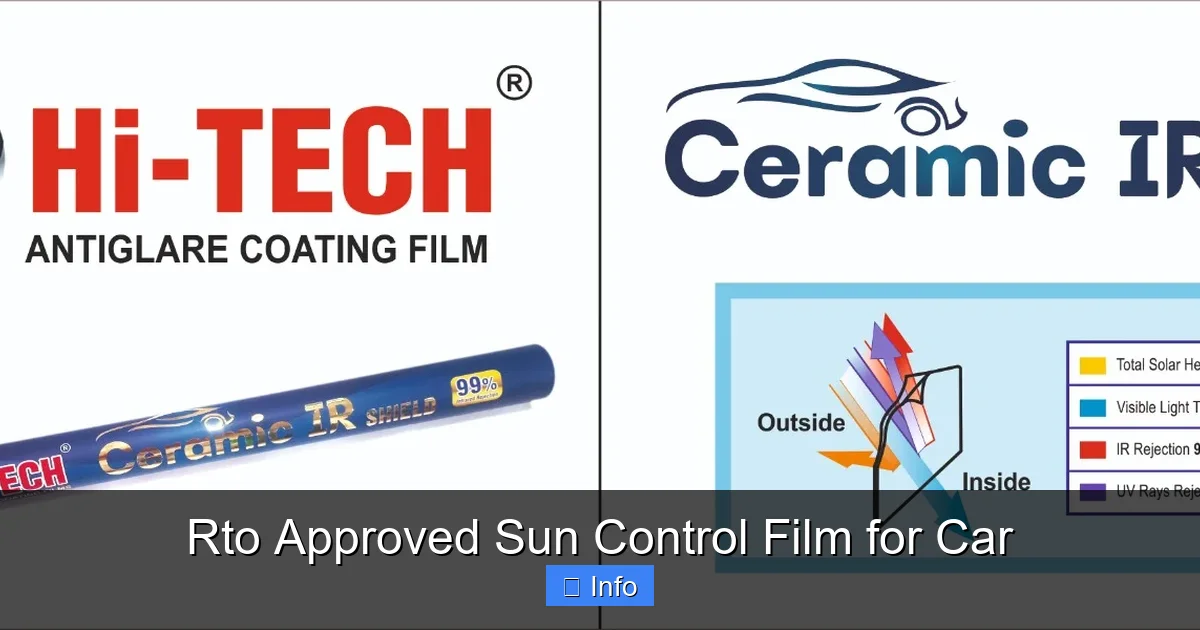
Visual guide about Rto Approved Sun Control Film for Car
Image source: hi-techsuncontrolfilm.com
A Cooler Cabin in Hot Weather
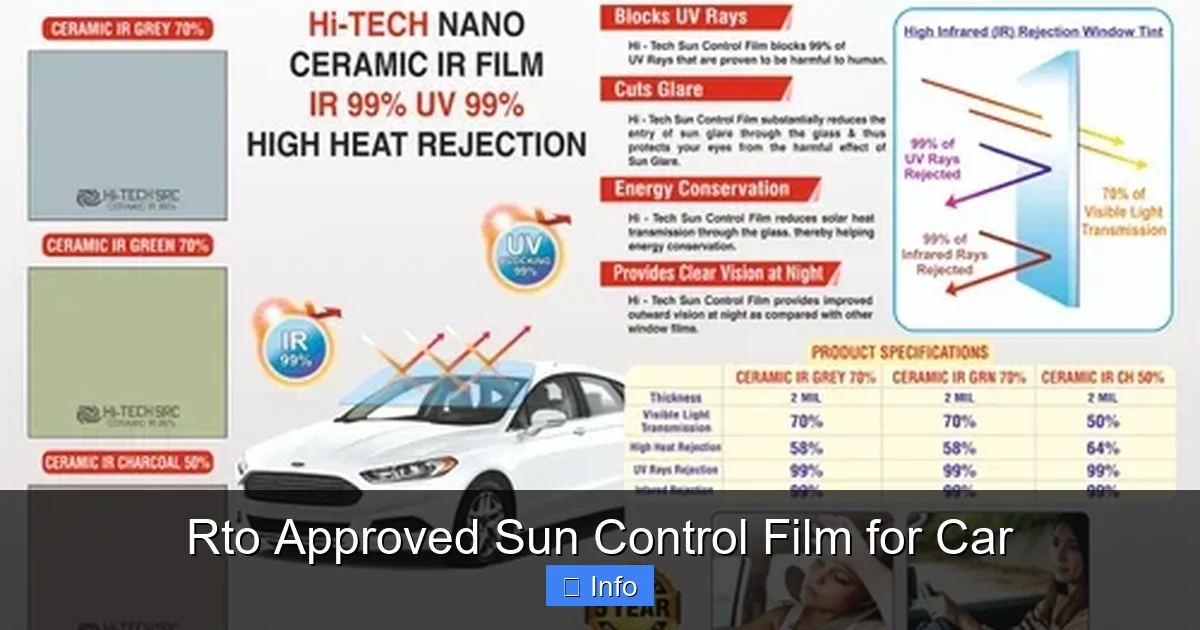
Indian summers can push temperatures above 40 degrees Celsius. A quality sun control film blocks a large portion of solar heat. This means your car does not turn into a greenhouse. When the interior stays cooler, you feel comfortable the moment you enter the vehicle.
Less Work for Your Air Conditioner
When the cabin is cooler, your AC does not need to run at full blast all the time. This can improve fuel efficiency over time. It also reduces wear and tear on your air conditioning system, which can save you money on repairs.
Protection from Harmful UV Rays
Ultraviolet rays from the sun do more than give you a tan. They damage your skin and can cause long-term health issues. They also fade your dashboard, crack your leather seats, and discolor your car’s interior. An RTO approved sun control film for car can block up to 99% of UV rays. This keeps you and your car safer.
Privacy for You and Your Passengers
Sun control film makes it harder for people outside to see inside your car. This is useful if you carry valuables, travel with family, or simply value your privacy. It adds a layer of security without breaking the law.
Shatter Resistance
Some sun control films hold glass together if it breaks during an accident. Instead of sharp pieces flying around, the film keeps the glass in place. This reduces the risk of cuts and injuries to passengers.
Legal Peace of Mind
The biggest benefit is knowing you are compliant. With an RTO approved sun control film for car, you can drive anywhere without fear of fines. You stay cool, and you stay legal.
How to Choose the Right RTO Approved Film
Walking into a car accessory shop can be confusing. There are so many brands, shades, and claims. Here is how to make a smart choice.
Visual guide about Rto Approved Sun Control Film for Car
Image source: i.ytimg.com
Ask About the VLT Rating
Before you agree to any installation, ask for the VLT percentage. Remember that front windows need higher VLT than rear windows. If the shop cannot tell you the VLT, do not buy the film.
Check for Certification
Reputed manufacturers provide certificates and warranties. Ask to see proof that the film is RTO approved. If a seller hesitates or gives vague answers, look elsewhere. You can also compare options by reading about the best tinted film for car windows to understand what quality looks like.
Match the Film to Your Needs
Not all films are the same. Some focus on heat rejection. Others focus on UV protection. Some offer a balance of both. Think about where you park your car. If you park outdoors under direct sun, prioritize heat rejection. If you spend long hours driving, prioritize glare reduction and UV blocking. For extra protection, you might also want to check the best UV film for car windows.
Choose Professional Installation
A great film can look terrible if it is installed badly. Bubbles, creases, and dust under the film are common problems with amateur work. Always go to a professional installer who has experience with RTO approved sun control film for car. They will have the right tools and a clean workspace.
Consider the Warranty
Good films come with a warranty against fading, bubbling, and peeling. Ask how long the warranty lasts and what it covers. A longer warranty usually signals confidence in the product.
Installation Process and Aftercare Tips
Professional installation follows a careful process. Knowing what to expect helps you judge whether the job was done well.
Step-by-Step Installation
- The technician starts by cleaning the windows thoroughly. Any dust or grease left behind will show up as bubbles later.
- The film is measured and cut to match the shape of each window.
- A slip solution is sprayed on the glass. This allows the technician to move the film into the perfect position.
- The film is applied and smoothed out using a squeegee to remove air and water.
- The edges are trimmed and sealed. The technician checks for any imperfections.
Curing Time Matters
After installation, the film needs time to dry and bond with the glass. This curing period can take a few days or up to two weeks, depending on the weather. During this time, do not roll down your windows. Do not clean the film. Let it set properly.
Cleaning and Maintenance
Once cured, clean the film with a soft microfiber cloth. Use a mild, ammonia-free cleaner. Ammonia can damage the film over time. Avoid abrasive sponges, paper towels, or sharp objects near the edges. With good care, an RTO approved sun control film for car can last for many years.
Monsoon and Winter Care
In rainy seasons, water may collect at the edges. Wipe it gently. In winter, the film may take longer to cure because of lower temperatures. Be patient and follow your installer’s advice.
Common Mistakes and Penalties
Many car owners regret their film choice because of avoidable mistakes. Here is what to watch out for.
Buying Non-Approved Dark Films
Some local shops sell films that are very dark and cheap. They might look impressive, but they are often illegal. If your VLT is below the limit, traffic police can fine you. You may also have to remove the film immediately, wasting your money.
Ignoring Local Rules
RTO rules are not the same everywhere. A film that passes in one state might fail in another. Always confirm the rules for your city before installation.
Choosing Price Over Quality
The cheapest film is rarely the best. Low-quality films fade quickly, turn purple, or bubble within months. They also offer poor UV protection. Spending a bit more on an RTO approved sun control film for car saves you from repeat costs and legal trouble.
DIY Installation Risks
Applying film yourself might save labor charges, but it often leads to poor results. Dust trapped under the film, crooked edges, and peeling corners are common DIY issues. Professional installation ensures a clean, durable finish.
What Happens If You Are Caught
If police find illegal tint on your car, you can face a fine. The amount varies by state and offense. You may be asked to remove the film on the spot. Repeated offenses can lead to bigger penalties. It is simply not worth the risk.
Conclusion
Driving in India does not have to mean suffering in the heat. With an RTO approved sun control film for car, you can enjoy a cooler cabin, protect your skin, and keep your car’s interior looking new. Most importantly, you stay on the right side of the law.
Before you book an installation, take a moment to check the VLT rules in your state. Choose a trusted brand, ask for certification, and rely on a professional installer. Whether you are worried about price, performance, or legality, a little research goes a long way. If you want to plan your budget, you can explore the RTO approved sun control film for car price to understand what to expect.
Stay cool, stay safe, and enjoy every drive without worrying about the sun or the traffic police.
Frequently Asked Questions
Is sun control film legal in India?
Yes, sun control film is legal in India as long as it meets RTO VLT limits. You must use RTO approved sun control film for car to avoid fines.
What is the legal VLT limit for car windows?
Front windshield and front side windows usually need 70% VLT. Rear windows can be darker, but rules vary by state, so check your local RTO guidelines.
Can I install sun control film myself?
DIY installation is possible but not recommended. Professional installation ensures proper fit, no bubbles, and compliance with RTO standards for sun control film for car.
Does sun control film affect visibility at night?
If the film is too dark, it can reduce night visibility. That is why RTO approved sun control film for car follows specific light transmission rules to keep driving safe.
How long does car sun control film last?
Quality films can last 5 to 10 years with proper care. Cheap films may peel or fade much sooner, so choose a certified product.
Will sun control film reduce my car’s interior temperature?
Yes, a good film blocks solar heat and keeps the cabin cooler. This reduces the load on your air conditioner and makes your drive more comfortable.