Suppose While Sitting in a Parked Car
Suppose while sitting in a parked car you wonder about safety, laws, or comfort. This guide covers locking doors, hiding valuables, using security cameras, knowing parking rules, managing battery life, staying healthy, and preparing for emergencies so you feel confident and secure.
Have you ever found yourself suppose while sitting in a parked car, waiting for a friend, taking a work call, or just enjoying a quiet moment? It happens to all of us. That stationary time can feel harmless, but it comes with its own set of considerations. From personal safety to legal nuances, from comfort to health, there is more to think about than you might realize. In this guide, we walk through everything you need to know so that every parked-car session is safe, legal, and stress-free.
We’ll cover practical steps you can take right now, whether you’re in a busy city lot, a quiet residential street, or a highway rest area. You’ll learn how to secure your vehicle, what the law expects of you, how to stay comfortable without draining your battery, and how to keep yourself healthy during longer waits. By the end, you’ll have a clear checklist you can mentally tick off each time you park and stay inside.
Key Takeaways
- Lock doors immediately: Keep all doors locked and windows up to deter unwanted entry.
- Hide valuables: Store bags, electronics, and chargers out of sight to prevent break-ins.
- Use a security camera: A dash cam or interior camera adds a layer of protection and evidence.
- Know local laws: Avoid tickets by understanding parking time limits, permits, and loitering rules.
- Protect your battery: In cold weather, limit accessory use to avoid a dead battery.
- Stay healthy: Ventilate the cabin and clean surfaces to reduce germ exposure.
- Prepare for emergencies: Keep a kit with water, snacks, a flashlight, and a phone charger handy.
📑 Table of Contents
Safety First: What to Do Suppose While Sitting in a Parked Car
Safety is the top priority whenever you’re stationary in a vehicle. Even though you’re not moving, risks exist. Thieves target parked cars, and distracted drivers can accidentally hit your vehicle. A few simple habits drastically reduce these risks.
Lock Your Doors and Stay Alert
The moment you settle in, lock every door. Modern cars often auto-lock at speed, but they may not lock when you’re parked with the engine off. Press the lock button manually. Keep your keys within reach—preferably in your hand or a pocket—so you can start the car quickly if you need to leave in a hurry. Stay aware of your surroundings. Glance at mirrors every few seconds. If someone approaches and makes you uneasy, start the engine and drive to a busier spot.
Keep Valuables Out of Sight
A visible phone, laptop, or shopping bag is an invitation. Before you even sit down, stash items in the trunk, glove box, or under seats. If you must keep something nearby, cover it with a plain jacket or blanket. This applies to charging cables too; a dangling cable signals a device inside. A clean interior looks less tempting to a passerby.
Use a Security Camera for Extra Peace of Mind
Adding a dedicated camera can deter thieves and capture evidence if something happens. Many drivers install a dual-channel dash cam that records both the road and the cabin. Some models offer parking mode, which activates on motion or impact while the car is off. For a detailed look at top options, check out our guide on the best security camera for car while parked. A visible camera sticker on the window often makes a would-be intruder think twice.
Legal Considerations When You Suppose While Sitting in a Parked Car
Laws vary by city, state, and country. Ignorance isn’t a defense, so knowing the basics keeps you ticket-free and out of trouble.
Visual guide about Suppose While Sitting in a Parked Car
Image source: i.ytimg.com
Know Local Parking Laws
Check signage for time limits, permit requirements, and street-cleaning schedules. Some areas prohibit sitting in a parked car during certain hours to deter loitering or overnight sleeping. If you’re unsure, a quick search on your phone for “parking rules [your city]” can save you a fine. In private lots—like malls or office parks—property owners set their own rules. Security may ask you to leave if you overstay.
Avoid Loitering Issues
“Loitering” laws target people who remain in one place without apparent purpose. Sitting in a car reading, working on a laptop, or waiting for someone is usually fine. However, if an officer sees you for an extended period in a high-crime zone, they may question you. Be polite, explain your reason, and show ID if asked. Keeping a visible activity—like a book or phone—helps demonstrate legitimate purpose.
Insurance Coverage for Parked Car Incidents
Your auto policy covers the vehicle, but personal injury protection or medical payments coverage may apply if you’re hurt while sitting in the car—say, from a rear-end collision or a falling branch. Review your policy or ask your agent about personal accident cover in car insurance. Knowing what’s covered gives you confidence if the unexpected occurs.
Comfort and Convenience Tips
Long waits don’t have to be uncomfortable. A few adjustments turn your car into a pleasant temporary space.
Adjust Your Seat and Climate Control
Recline the seat slightly to avoid stiffness. Use lumbar support if your car has it. In hot weather, crack windows an inch for airflow, but not enough for a hand to reach in. Run the AC for a few minutes every 15–20 minutes rather than idling continuously; this saves fuel and reduces emissions. In cold weather, run the heater in short bursts. Wear layers so you stay warm without relying solely on the engine.
Stay Entertained Safely
Audiobooks, podcasts, and music playlists make time fly. If you watch video on a phone or tablet, use a mount that doesn’t block your view. Never wear headphones in both ears; you need to hear horns, sirens, or someone tapping on your window. Keep volume low enough to stay aware.
Manage Your Car Battery in Extreme Weather
Running accessories—lights, radio, climate fan—with the engine off drains the battery. In winter, cold reduces battery capacity further. Limit accessory use to 10–15 minutes at a time, then start the engine for a few minutes to recharge. For more tips on preserving battery life when temperatures drop, see our article on how to maintain a car battery in cold weather. A portable jump starter in the trunk adds a safety net.
Health and Hygiene While in a Parked Vehicle
Your car’s cabin can accumulate germs, allergens, and stale air. A few habits keep the environment healthier.
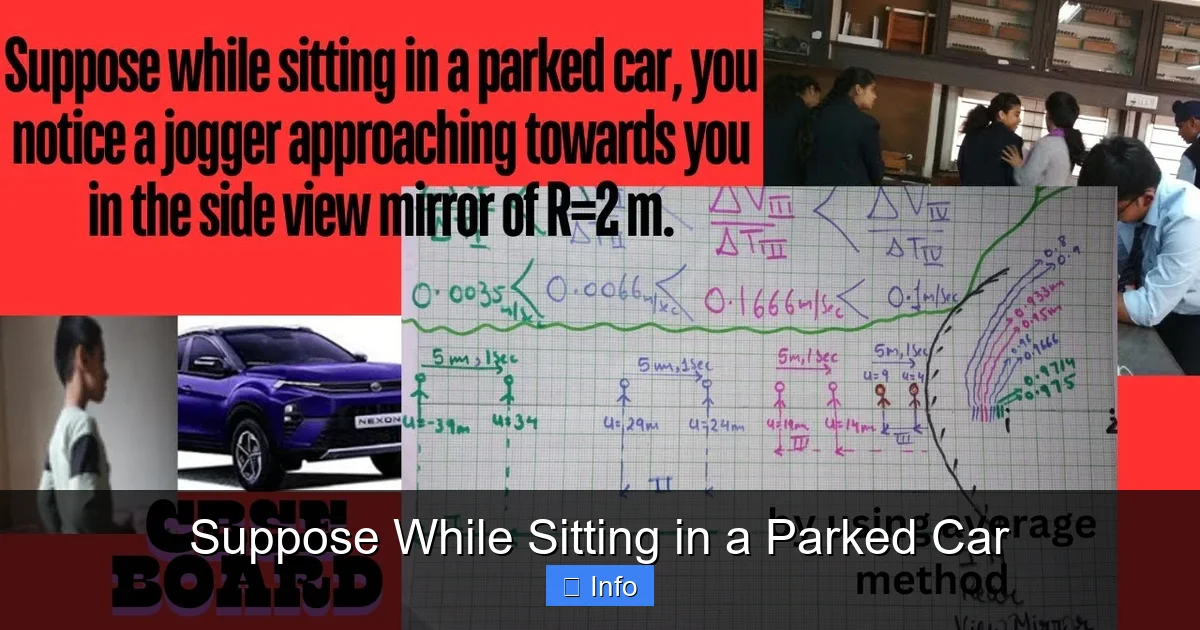
Visual guide about Suppose While Sitting in a Parked Car
Image source: i.ytimg.com
Air Quality and Ventilation
Recirculated air builds up CO2 and odors. Every 20 minutes, open windows fully for 30 seconds to exchange air. If your car has a cabin air filter, replace it per the manufacturer’s schedule—usually every 15,000–30,000 miles. A clean filter traps pollen, dust, and exhaust particles.
Cleaning and Disinfecting Surfaces
High-touch areas—steering wheel, door handles, gear shift, touchscreen—harbor bacteria and viruses. Keep a pack of disinfecting wipes (at least 70% alcohol) in the console. Wipe surfaces when you first sit down and before you leave. During flu season or a pandemic, this habit is especially valuable. For perspective on how long pathogens can linger, read about how long can covid live in a car.
Emergency Preparedness
Hope for the best, prepare for the worst. A small kit turns a crisis into a manageable inconvenience.
Keep an Emergency Kit
Store these items in a compact bag in the trunk or behind a seat:
- Bottled water and non-perishable snacks
- Flashlight with extra batteries
- Phone charger and power bank
- First-aid supplies (bandages, antiseptic wipes, pain relievers)
- Reflective warning triangles or flares
- Multi-tool or basic toolkit
- Blanket or emergency bivvy
Check the kit twice a year—replace expired items and recharge the power bank.
Know How to Call for Help
Save roadside assistance numbers in your phone and write them on a card in the glove box. If you’re in an unfamiliar area, use your phone’s GPS to share your exact location with a friend or dispatcher. Many insurance apps now offer one-tap roadside requests. If you feel threatened, call 911 (or your local emergency number) immediately—don’t hesitate.
Conclusion
Next time you suppose while sitting in a parked car, you’ll have a mental checklist: lock doors, hide valuables, camera on, legal parking, comfortable seat, battery managed, air fresh, kit ready. These habits take seconds to adopt but provide hours of peace of mind. Whether you’re waiting for a coffee, a client, or a loved one, your parked car becomes a secure, comfortable, and prepared space. Drive safe, park smart, and enjoy the pause.
Frequently Asked Questions
Is it illegal to sit in a parked car with the engine running?
Many jurisdictions prohibit unnecessary idling to reduce emissions. Check local anti-idling laws; fines can apply after a few minutes. If you need climate control, run the engine in short bursts instead of continuously.
Can I sleep in my parked car overnight?
It depends on location. Some rest areas and campgrounds allow it; many cities ban overnight vehicle habitation. Look for posted signs or use apps that list legal overnight parking spots.
Does my car insurance cover theft of personal items from a parked car?
Auto insurance typically covers the vehicle, not personal belongings. Homeowners or renters insurance often covers stolen items, subject to deductibles. Keep receipts and photos of valuables for claims.
How can I keep my car cool while parked in the sun?
Use a reflective windshield sunshade, crack windows slightly, and park in shade when possible. Solar-powered vent fans that clip to a window can also help exhaust hot air.
What should I do if someone knocks on my window while I’m parked?
Keep the door locked and window mostly up. Speak through the small gap. If the person seems suspicious or aggressive, start the engine and drive away. Call police if you feel threatened.
How often should I start my car if I’m sitting in it for a long time in winter?
Run the engine for 5–10 minutes every 30–45 minutes to maintain battery charge and provide heat. Ensure the exhaust pipe is clear of snow to avoid carbon monoxide buildup.