When a Car Is Stopped by Applying Brakes
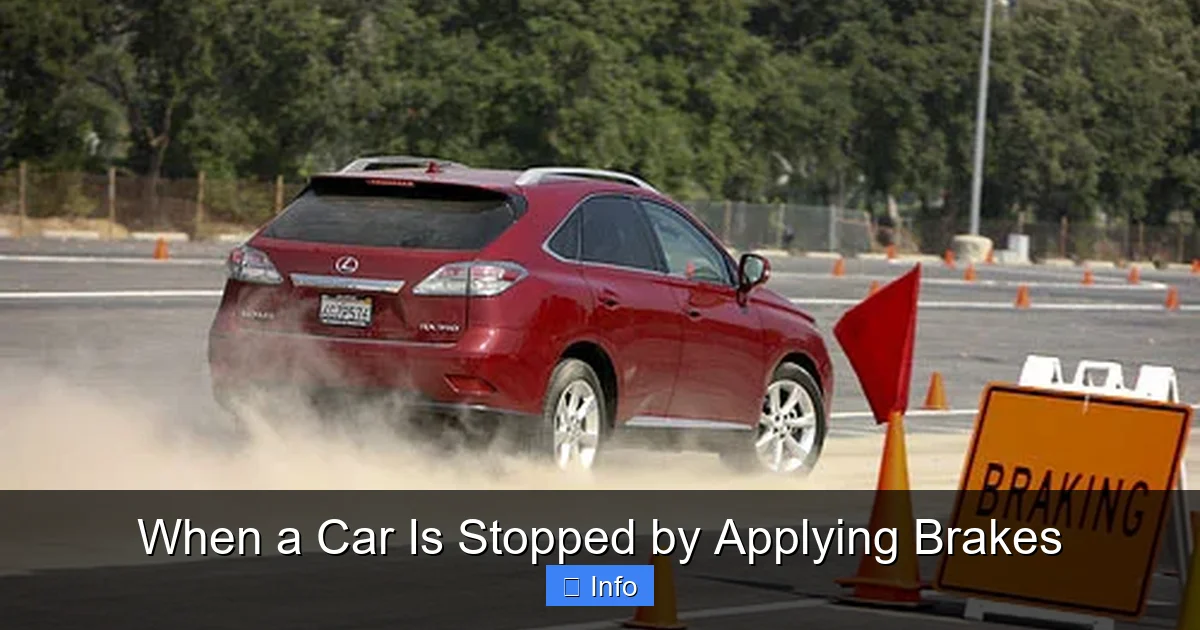
When a car is stopped by applying brakes, the driver feels the vehicle slow, then come to a smooth halt. Understanding the process helps you spot problems early and keep the braking system reliable. This guide covers everything from basic mechanics to advanced safety features.
Key Takeaways
- Point 1: The brake system converts kinetic energy into heat, allowing a car to stop safely.
- Point 2: Proper pedal feel and noise indicate healthy brakes when a car is stopped by applying brakes.
- Point 3: Common issues like brake fade, vibration, or squeal can affect stopping distance.
- Point 4: Regular maintenance—pad inspection, fluid checks, and rotor resurfacing—keeps brakes performing.
- Point 5: Modern technologies such as ABS and brake‑by‑wire improve control when a car is stopped by applying brakes.
- Point 6: Drivers should practice smooth braking to maximize safety and tire life.
- Point 7: If you notice unusual pedal feel, vibration, or squealing, consult a professional soon.
📑 Table of Contents
Understanding How Brakes Work
When a car is stopped by applying brakes, the driver’s foot presses a pedal that sends hydraulic pressure through the brake lines. This pressure forces brake pads against a rotating disc or drum, creating friction. The friction converts the car’s forward motion into heat, slowing the wheels until the vehicle comes to a complete stop. The whole process happens in milliseconds, but each component must work together for safe stopping.
The Role of Brake Components
First, the brake pedal connects to a master cylinder. As you press the pedal, the cylinder pushes brake fluid into lines that reach each wheel. At the wheel, calipers (for disc brakes) or wheel cylinders (for drum brakes) squeeze the pads or shoes against the rotor or drum. The rotor is attached to the wheel, so when it slows, the wheel slows. Modern cars also use ABS sensors and electronic brake‑force distribution to fine‑tune the stopping power.
Why Energy Conversion Matters
When a car is stopped by applying brakes, kinetic energy is not simply lost; it is transformed into thermal energy. This heat must be managed. Overheating can cause brake fade, where pads lose grip and the car needs a longer distance to stop. Good ventilation on disc brakes and proper fluid circulation help dissipate heat quickly.
Signs Your Car Is Stopping Properly
Pedal Feel and Response
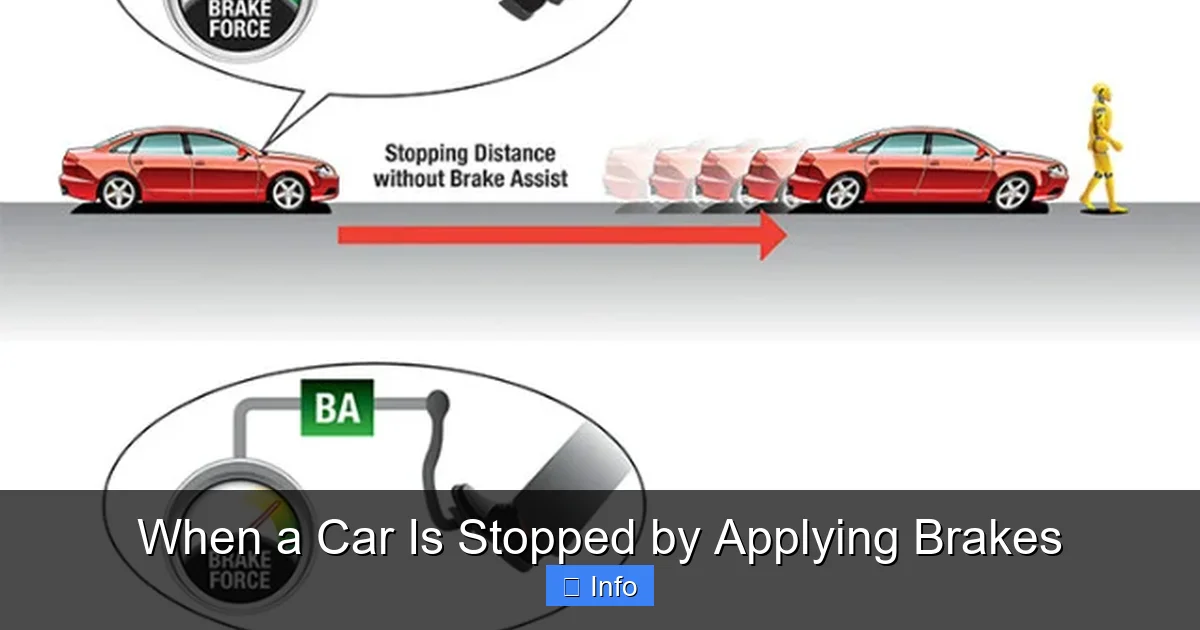
When a car is stopped by applying brakes, the pedal should feel firm, not spongy. A firm pedal means hydraulic pressure is consistent. If the pedal sinks to the floor or feels soft, air may be in the lines or the master cylinder could be worn. A spongy feeling can also indicate low brake fluid, which reduces stopping efficiency.
Visual guide about When a Car Is Stopped by Applying Brakes
Image source: carkeys.co.uk
Noise Indicators
Normal braking is quiet. When a car is stopped by applying brakes, you might hear a slight squeal as the pads engage, but persistent squeaking can signal worn pads or glazing. If you hear a grinding noise, metal may be contacting metal—a sign of serious wear that needs immediate attention.
Vibration and Pulsation
A smooth stop means the steering wheel stays steady. When a car is stopped by applying brakes, vibration or pulsation often points to warped rotors or uneven pad wear. You may feel the steering wheel shake, or the brake pedal vibrate. This can also be related to a faulty caliper that sticks. For more on pedal vibration, see our article on brake pedal vibrates when stopped.
Common Issues When Stopping
Brake Fade
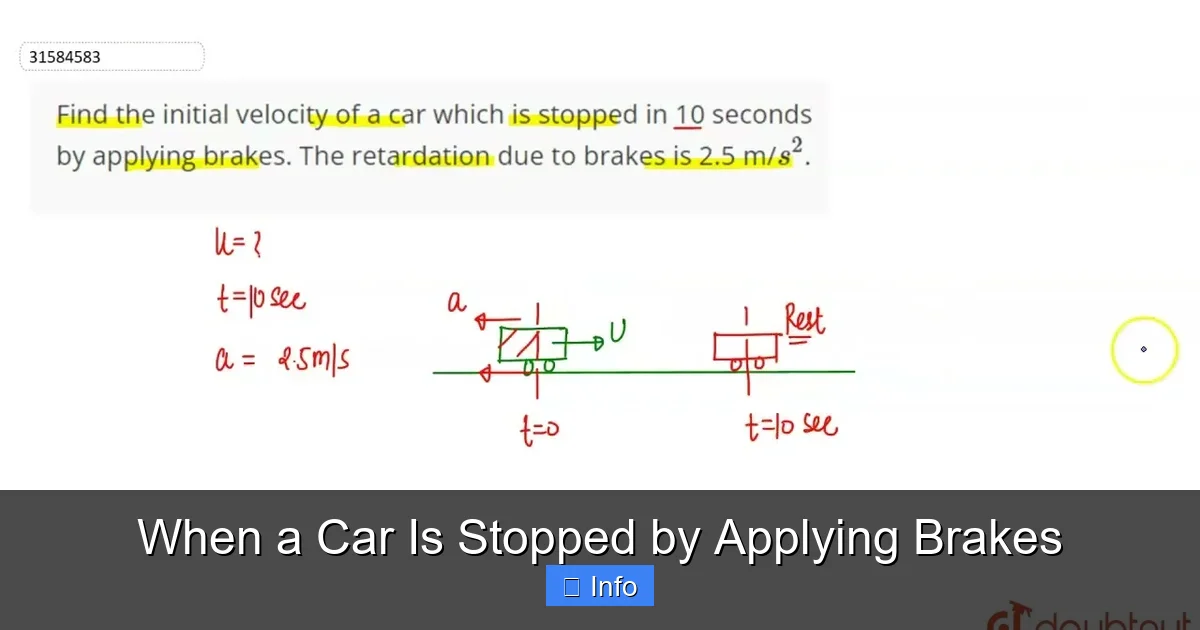
Brake fade occurs when a car is stopped by applying brakes repeatedly in quick succession, especially downhill. The heat builds up faster than the system can cool, reducing pad effectiveness. Drivers may notice the car taking longer to stop. Using engine braking or downshifting can help reduce reliance on brakes.
Visual guide about When a Car Is Stopped by Applying Brakes
Image source: i.ytimg.com
Dragging Brakes
If a car is stopped by applying brakes but still feels a pull to one side, a brake may be dragging. This can happen when a caliper piston sticks or the parking brake is not fully released. Dragging brakes waste fuel and cause premature wear. Checking for uneven pad wear can reveal the problem early.
Squealing When Released
Sometimes a car is stopped by applying brakes and you hear squeal as the brakes release. This can be caused by worn pads, rust on rotors, or a small stone caught between pad and rotor. While often not dangerous, it should be inspected. For more details, read our guide on brakes squeak when released.
Tips for Safe Stopping
Practice Smooth Modulation
When a car is stopped by applying brakes, smooth pressure matters. Sudden hard pedal pushes can lock wheels, especially on wet surfaces. Practice gentle, progressive pressure to develop a feel for how much braking is needed. This skill improves reaction time and reduces wear.
Visual guide about When a Car Is Stopped by Applying Brakes
Image source: repairsmith-prod-wordpress.s3.amazonaws.com
Maintain Proper Distance
Always keep a safe following distance. When a car is stopped by applying brakes, you need time to react and apply your own brakes. A good rule is three seconds between you and the vehicle ahead, adjusting for weather and traffic.
Check Brake Health Regularly
Inspect pads for thickness at least twice a year. Look for rust on rotors and clean if needed. Brake fluid should be clear and at the proper level. Replacing pads before they hit the metal prevents damage to rotors and keeps stopping distances short.
Maintaining Your Braking System
Fluid Flush Schedule
Brake fluid absorbs moisture over time, which can cause corrosion inside the lines. When a car is stopped by applying brakes, clean fluid ensures reliable pressure. Most manufacturers recommend a flush every 2–4 years, or sooner if you notice a soft pedal.
Rotor and Pad Replacement
Rotors develop wear grooves after many stops. When a car is stopped by applying brakes, smooth rotors give even pad contact. Replace rotors if they show deep scoring, cracking, or uneven thickness. Pads should be replaced when they reach 3 mm thickness or when noise becomes constant.
Calipers and Wheel Cylinders
Calipers can leak fluid or seize. When a car is stopped by applying brakes, a seized caliper can cause pulling or dragging. Inspect for rust and ensure pistons move freely. Wheel cylinders in drum systems may also wear, leading to uneven shoe contact.
Advanced Braking Technologies
Anti‑Lock Braking System (ABS)
When a car is stopped by applying brakes, ABS prevents wheel lockup during hard braking. It modulates brake pressure hundreds of times per second, allowing steering control. ABS works best on slippery surfaces, but it still relies on functional sensors and valves.
Electronic Brake‑Force Distribution (EBD)
EBD automatically adjusts brake force front‑to‑rear based on vehicle load and deceleration. When a car is stopped by applying brakes, EBD helps maintain optimal balance, reducing stopping distance and preventing skids.
Brake‑by‑Wire and Adaptive Systems
Some modern cars replace mechanical pedal linkage with electronic signals. When a car is stopped by applying brakes, brake‑by‑wire systems can react faster and integrate with cruise control or collision avoidance. These systems still need regular software updates and sensor checks.
Conclusion
When a car is stopped by applying brakes, a chain of carefully engineered actions brings the vehicle to a safe halt. From the driver’s foot on the pedal to the friction between pads and rotors, every part plays a role. By understanding the signs of healthy brakes, practicing smooth modulation, and performing regular maintenance, you keep that chain strong. Remember, early detection of issues like vibration, squeal, or pedal softness can save money and lives. Keep your brakes in top shape, and every stop will be confident and controlled.
Frequently Asked Questions
What does it mean when a car is stopped by applying brakes and the pedal feels soft?
A soft pedal usually indicates air in the brake lines, low brake fluid, or a failing master cylinder. When a car is stopped by applying brakes, the hydraulic pressure is compromised, increasing stopping distance. Have the system inspected and bled as needed.
Why does a car vibrate when stopped by applying brakes?
Vibration often comes from warped rotors or uneven pad wear. When a car is stopped by applying brakes, the uneven contact causes pulsation felt in the pedal or steering. Resurfacing rotors or replacing pads restores smooth stopping.
Is squealing normal when a car is stopped by applying brakes?
Light squeal can be normal due to pad design, but persistent squealing suggests worn pads, rust, or debris. When a car is stopped by applying brakes, address the noise early to avoid damage to rotors.
How often should I check brake components if my car is stopped by applying brakes regularly?
Inspect pads and rotors at least twice a year, or every 12,000–15,000 miles. When a car is stopped by applying brakes, routine checks catch wear before it affects safety.
Can brake fade happen when a car is stopped by applying brakes downhill?
Yes, repeated braking raises temperatures, causing brake fade. When a car is stopped by applying brakes on long descents, use engine braking, downshift, and occasional coasting to keep brakes cool.
What role does brake fluid play when a car is stopped by applying brakes?
Brake fluid transmits the force from the pedal to the calipers. When a car is stopped by applying brakes, clean, properly pressurized fluid ensures reliable pressure and prevents corrosion in the system.