
On Hearing the Siren I Pulled and Stopped the Car
Hearing a siren while driving can be stressful, but knowing exactly what to do saves lives. On hearing the siren i pulled and stopped the car is the right response every driver should practice. This guide explains the simple steps to pull over safely and stay on the right side of the law.
Key Takeaways
- Pull to the right: When you hear a siren, move your car to the right side of the road and stop.
- Stay calm: Panic leads to mistakes. Check your mirrors and signal before you move.
- Never stop in an intersection: Keep moving until you find a safe spot away from cross traffic.
- Emergency vehicles have the right of way: Always let ambulances, fire trucks, and police cars pass first.
- Ignoring a siren is risky: You can get a ticket, lose points, or cause a serious accident.
- Wait before driving again: Make sure all emergency vehicles have passed before you merge back into traffic.
📑 Table of Contents
Introduction
You are driving home after a long day. The radio is playing. The road is quiet. Then, you hear it. A siren cuts through the air. Your heart beats faster. What do you do next? On hearing the siren i pulled and stopped the car. This simple phrase describes the safest thing any driver can do.
Emergency vehicles need space to move. They carry people who are in trouble. When you hear a siren, you must act fast. You must pull over. You must stop. This guide will walk you through every step. It will help you stay calm and stay safe.
On hearing the siren i pulled and stopped the car is not just a story. It is a habit. It is a rule. It is something every driver should know by heart. If you make this your habit, you protect yourself and you protect others.
What Happens When You Hear a Siren
The Sound That Changes Everything
A siren is loud. It is meant to be heard. It tells you that an emergency vehicle is close. It could be an ambulance. It could be a fire truck. It could be a police car. The sound means someone needs help right now.
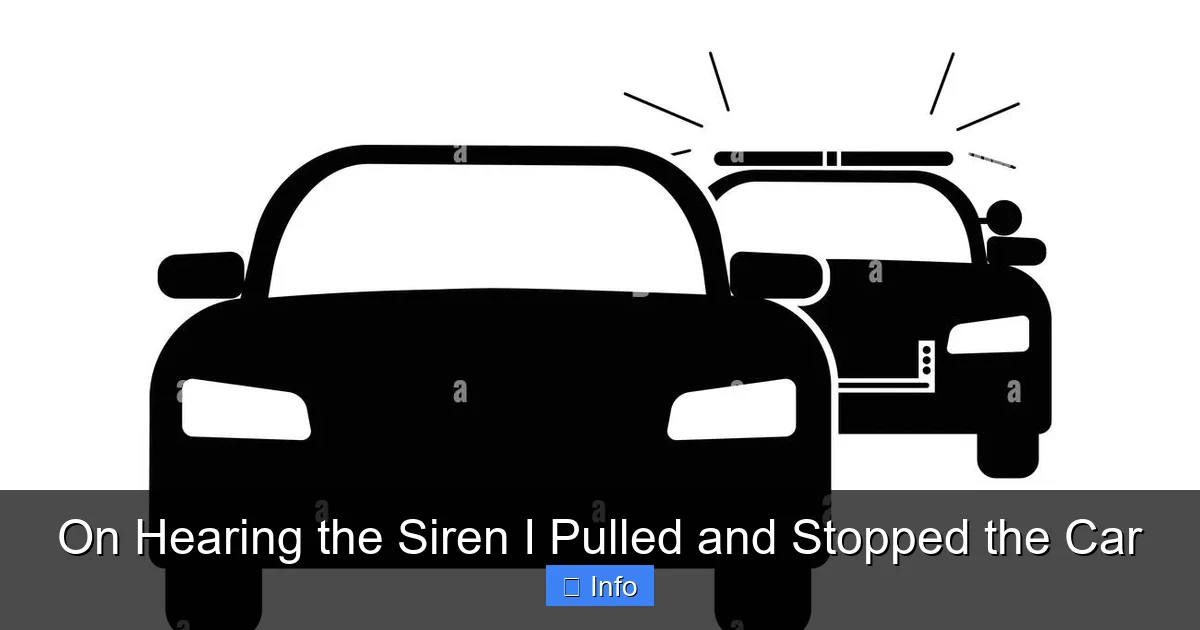
Visual guide about On Hearing the Siren I Pulled and Stopped the Car
Image source: c8.alamy.com
When you hear that sound, your job is clear. You make room. You let them pass. On hearing the siren i pulled and stopped the car because that is what the law asks of you. It is also what common sense asks of you.
Who Is Behind the Siren?
Not all sirens sound the same. Some rise and fall. Some are steady. But they all mean one thing. An emergency vehicle is coming. It might be rushing to a hospital. It might be chasing a suspect. It might be heading to a fire. You do not need to know the exact reason. You just need to know what to do.
On hearing the siren i pulled and stopped the car so the emergency vehicle could pass without delay. Every second counts in an emergency.
On Hearing the Siren I Pulled and Stopped the Car: The Right Move
Why Pulling Over Matters
Pulling over is not optional. It is the law in most places. When you pull to the side and stop, you clear the road. You give the emergency vehicle a wide path. You help them reach their destination faster.
If you keep driving, you block the way. You put lives at risk. On hearing the siren i pulled and stopped the car because I did not want to be part of the problem. I wanted to be part of the solution.
The Law Is Clear
Traffic laws require drivers to yield to emergency vehicles. You must slow down. You must move to the right. You must stop if needed. If you ignore these rules, you can get a ticket. You can get points on your license. You can even cause a crash.
On hearing the siren i pulled and stopped the car is the safest way to follow the law. It keeps you out of trouble. It keeps others safe too.
Protecting First Responders
First responders work in dangerous conditions. They drive fast. They weave through traffic. They need drivers to be predictable. When you pull over and stop, you become predictable. They know where you are. They can go around you.
On hearing the siren i pulled and stopped the car so the paramedics or firefighters could do their jobs. It is a small act that makes a big difference.
How to React Step by Step
Stay Calm and Look Around
First, take a breath. Do not panic. Check your mirrors. Look to your left and right. See where the sound is coming from. Is it behind you? Is it ahead? Knowing the direction helps you decide where to go.
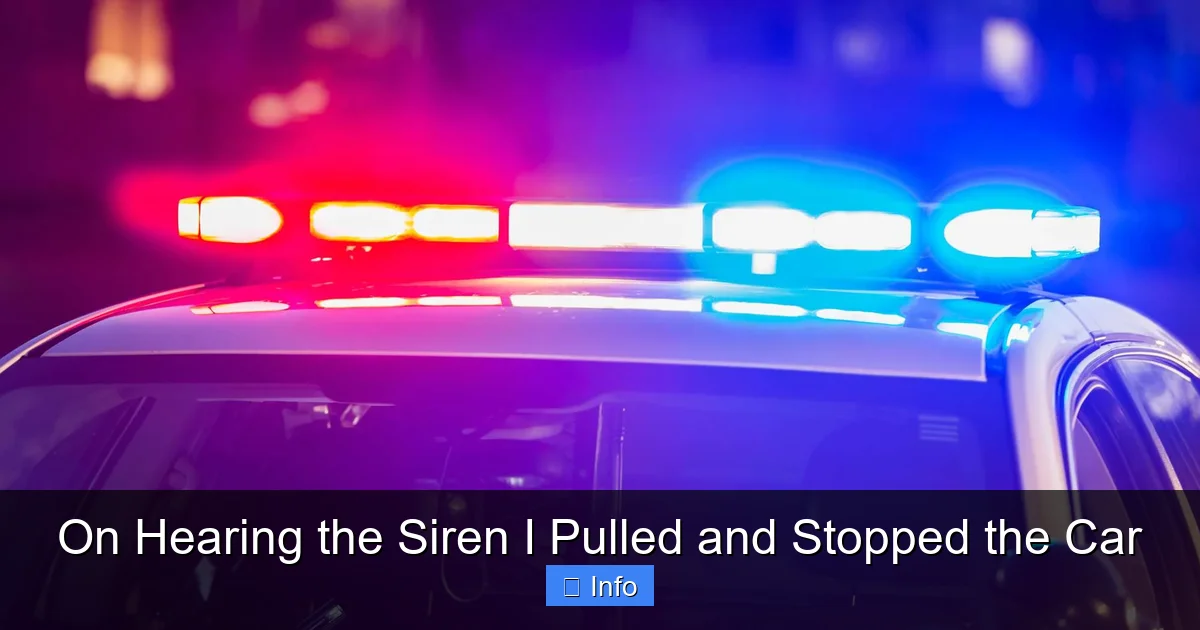
Visual guide about On Hearing the Siren I Pulled and Stopped the Car
Image source: people.com
On hearing the siren i pulled and stopped the car only after I checked my surroundings. I made sure it was safe to move.
Signal and Move to the Right
Turn on your right signal. This tells other drivers what you plan to do. Slowly move your car to the right side of the road. If you are on a highway, move to the right shoulder. If you are in the city, move to the right curb.
Do not cut across lanes. Do not stop suddenly. Smooth moves are safe moves. On hearing the siren i pulled and stopped the car in a smooth and steady way.
Come to a Complete Stop
Once you are at the side, stop your car fully. Put it in park. Take your foot off the brake if you want, but keep the car still. Wait for the emergency vehicle to pass. stopping your car the right way means no sudden jerks. It means control.
On hearing the siren i pulled and stopped the car and stayed there until the sound faded away.
Wait and Watch
Do not start driving again right away. There might be more emergency vehicles. Listen for other sirens. Watch for flashing lights. When the road is clear, signal again and merge back into traffic.
On hearing the siren i pulled and stopped the car, and I waited. Patience kept everyone safe.
Where You Should and Should Not Stop
Safe Places to Pull Over
The best place to stop is a straight stretch of road with a wide shoulder. It is easiest to pull over when you are driving on a straight road with space to the side. driving on a straight road gives you room to move without hitting anything.
On hearing the siren i pulled and stopped the car on a straight section with plenty of space. That made it simple and safe.
Places to Avoid
Never stop in the middle of an intersection. Never stop on a bridge if you can avoid it. Never stop on a curve where other drivers cannot see you. If you are at a cross road, keep going until you find a safe spot to the right.
On hearing the siren i pulled and stopped the car only after I passed the intersection. Stopping in the middle would have blocked the emergency vehicle.
Highway vs City Streets
On a highway, speeds are high. You need more time to pull over. Start signaling early. Move gradually to the right shoulder. In the city, traffic is slower. You might stop behind the curb. Watch for bikes and pedestrians.
On hearing the siren i pulled and stopped the car whether I was on a fast highway or a slow city street. The rule stays the same.
Common Mistakes to Avoid
Sudden Braking Without Warning
Some drivers slam on the brakes when they hear a siren. This is dangerous. Cars behind you might not stop in time. Always signal first. Then slow down smoothly.
On hearing the siren i pulled and stopped the car without shocking anyone behind me. A smooth stop is a safe stop.
Following the Emergency Vehicle
Never follow an ambulance or police car to get through traffic. That is illegal. It is also very dangerous. Let them go. Stay where you are until they pass.
On hearing the siren i pulled and stopped the car and stayed put. I did not try to follow the flashing lights.
Ignoring the Siren Because of Music
Loud music can hide a siren. Keep your volume at a safe level. If you wear headphones, take them off while driving. You need to hear the road.
On hearing the siren i pulled and stopped the car because my music was low enough to hear the world outside.
Real-World Examples and Tips
Driving at Night
At night, you might see flashing lights before you hear the siren. Look for red and blue lights in your mirrors. Pull over the same way. Stop on the right. Wait for them to pass.
On hearing the siren i pulled and stopped the car even in the dark. The lights helped me see where to go.
Heavy Traffic Situations
In heavy traffic, there may be nowhere to go. If cars are packed, move as far right as you can. Stop if you must. Let the emergency vehicle find a way through. Do not block an intersection.
On hearing the siren i pulled and stopped the car as best I could in the traffic. Even a small gap helps.
When You Are Already Stopped
If you are at a red light and hear a siren, stay where you are unless an officer tells you to move. Do not run the red light just to get out of the way. Let the emergency vehicle go around you.
On hearing the siren i pulled and stopped the car, and since I was already stopped, I stayed put until it was safe.
Conclusion
Hearing a siren does not have to be scary. It is a signal to do the right thing. On hearing the siren i pulled and stopped the car, and you can do the same. Pull to the right. Stop completely. Wait for the emergency vehicle to pass. Then drive on with peace of mind.
This small act saves lives. It follows the law. It shows respect for the people who help us in our worst moments. The next time you hear that sound, remember: on hearing the siren i pulled and stopped the car. Make it your habit too.
Frequently Asked Questions
What should I do on hearing the siren i pulled and stopped the car?
You should stay calm, signal, move to the right, and come to a full stop. Wait until the emergency vehicle passes before you start driving again.
Can I keep driving if I do not see the emergency vehicle yet?
No. If you hear a siren, you should begin pulling over right away. The vehicle may be close even if you cannot see it yet.
Should I stop in the middle of an intersection?
No. Never stop in an intersection. Keep moving until you find a safe spot to the right where you will not block cross traffic.
What if I am in the left lane?
Signal and move to the right as soon as it is safe. Do not stop in the left lane. Give the emergency vehicle a clear path to pass.
Do I need to stop for every siren?
Yes. If you hear a siren from an emergency vehicle, you should pull over and stop. It is the law and it keeps everyone safe.
What happens if I do not pull over?
You can get a ticket, receive points on your license, or cause an accident. You may also delay emergency help for someone who needs it.


