A Car Is Moving Along a Straight Road
When a car is moving along a straight road, understanding motion, speed, and safety becomes essential for every driver. This article breaks down the basics of straight-line driving in simple terms. You will learn practical tips, common challenges, and how to stay safe on the road.
Picture this: you are behind the wheel, and a car is moving along a straight road with nothing but open pavement ahead. It is one of the most common scenes in daily driving, yet there is more happening than meets the eye. Whether you are commuting to work or heading out on a weekend trip, understanding what happens when a car is moving along a straight road can make you a safer and more confident driver.
Many people assume that straight roads are simple and boring. In reality, when a car is moving along a straight road, physics, vehicle mechanics, and human attention all play a role. From the moment you press the accelerator to the time you gently apply the brakes, every action affects how the car behaves. This guide explains everything in plain language so you can enjoy the drive and stay safe.
Throughout this article, we will explore the science behind straight-line motion, share real-world examples, and offer practical tips. If you ever wondered why a car is moving along a straight road feels different from turning a corner, you are in the right place. Let us get started.
Key Takeaways
- Straight-line motion: When a car is moving along a straight road, it follows the simplest path in physics called rectilinear motion.
- Speed matters: Keeping a steady speed helps when a car is moving along a straight road and improves fuel efficiency.
- Braking distance: Even on a straight road, a car needs enough space to stop safely.
- Driver focus: Straight roads can cause fatigue, so staying alert is critical when a car is moving along a straight road.
- Vehicle maintenance: Tires, brakes, and alignment affect how smoothly a car is moving along a straight road.
- Real-world use: Highways and rural roads are common places where a car is moving along a straight road for long distances.
📑 Table of Contents
- What Does It Mean When a Car Is Moving Along a Straight Road?
- The Physics Behind a Car Is Moving Along a Straight Road
- Real-Life Examples of a Car Is Moving Along a Straight Road
- Safety Tips When a Car Is Moving Along a Straight Road
- Common Problems When a Car Is Moving Along a Straight Road
- How to Maintain Smooth Motion When a Car Is Moving Along a Straight Road
- Conclusion
What Does It Mean When a Car Is Moving Along a Straight Road?
When a car is moving along a straight road, it travels in one direction without changing its path. In physics, this is called rectilinear motion. It is the simplest type of movement because the car does not have to deal with curves, angles, or sudden changes in direction. Still, there are many factors that influence how smooth or safe that movement feels.
The Simple Path of Motion
A straight road gives the driver a clear view of what lies ahead. When a car is moving along a straight road, the driver can see obstacles, signs, and other vehicles from a distance. This visibility is a major advantage, but it can also lead to a false sense of security. Drivers sometimes relax too much, which is why attention remains critical.
Why Straight Roads Feel Different
Curved roads require constant steering adjustments. When a car is moving along a straight road, the steering wheel stays mostly steady. This reduces the physical workload on the driver, but it can also make the mind wander. That is why long straight stretches are often linked to highway hypnosis, a state where drivers feel detached from the act of driving.
If you want to dive deeper into the specifics of a car is moving along a straight horizontal road, there are extra details about forces and friction that apply to flat surfaces.
The Physics Behind a Car Is Moving Along a Straight Road
Physics explains why a car behaves the way it does on a straight path. When a car is moving along a straight road, several forces act on it at once. Understanding these forces helps you appreciate why speed limits, braking distances, and vehicle maintenance matter so much.
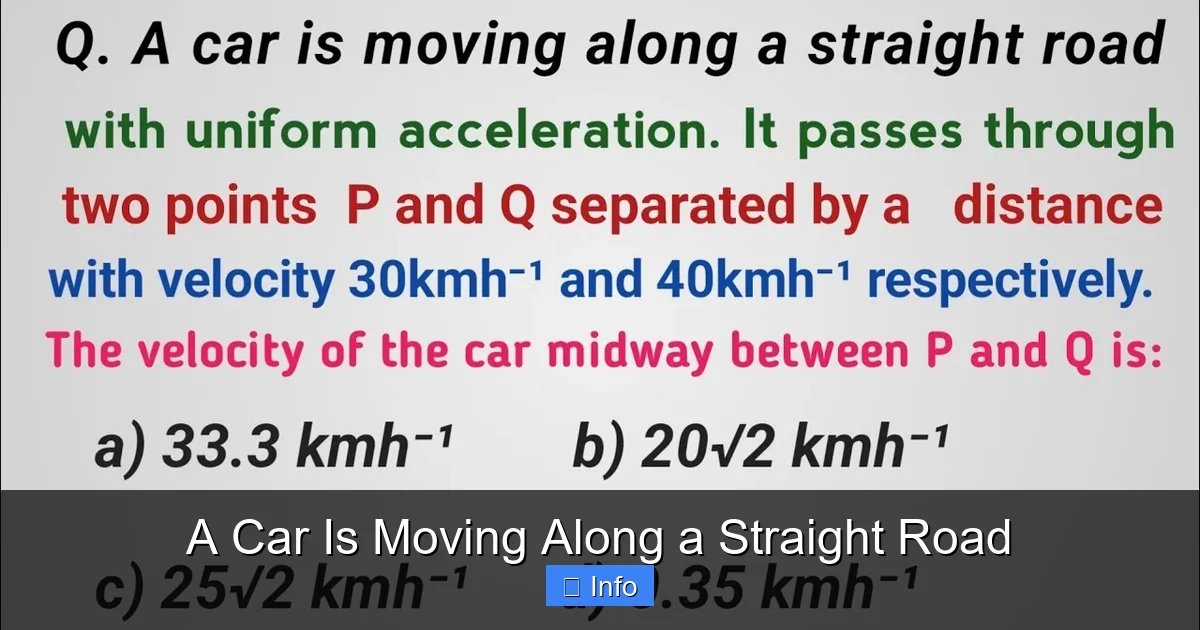
Visual guide about A Car Is Moving Along a Straight Road
Image source: i.ytimg.com
Speed and Velocity on a Straight Path
Speed tells you how fast a car is moving along a straight road, while velocity includes direction. Since the road is straight, the direction stays constant, so speed and velocity are almost the same thing in this context. A speedometer shows the rate at which the car covers distance, and keeping that rate steady improves fuel economy and safety.
Acceleration and Deceleration
Acceleration happens when the car increases its speed. When a car is moving along a straight road and you press the gas pedal, the vehicle accelerates in a straight line. Deceleration occurs when you ease off the pedal or apply the brakes. Both actions are easier to control on a straight road than on a curve, but they still require skill and awareness.
Forces at Work
Several forces affect when a car is moving along a straight road. The engine provides forward force, while air resistance and rolling friction push back. When these forces are balanced, the car maintains a constant speed. If the engine force is greater, the car speeds up. If friction wins, the car slows down. This balance is at the heart of every smooth drive.
In some classroom problems, you might read about scenarios like a car moving on a straight road covers one third of a journey before changing speed. These examples help illustrate how distance, time, and velocity work together.
Real-Life Examples of a Car Is Moving Along a Straight Road
Straight roads are everywhere, from interstate highways to quiet country lanes. Each setting offers a different experience when a car is moving along a straight road. Looking at common examples helps you prepare for what to expect behind the wheel.
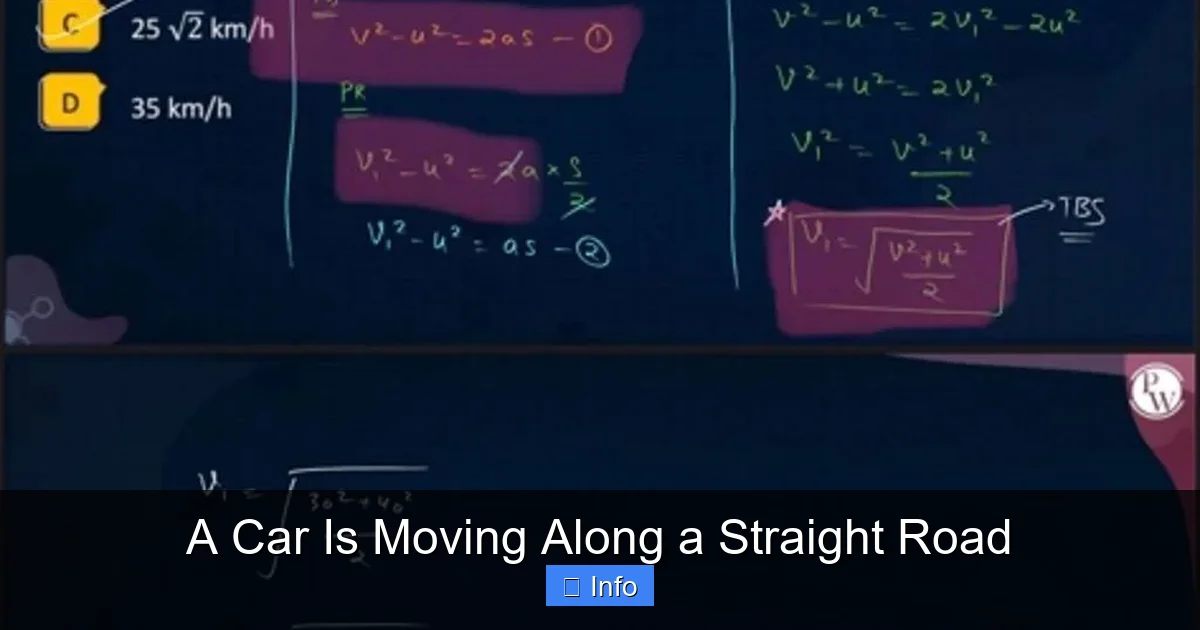
Visual guide about A Car Is Moving Along a Straight Road
Image source: classroom-images.cdn.askfilo.com
Highway Driving
Highways are built for long stretches where a car is moving along a straight road at higher speeds. Drivers use cruise control, change lanes occasionally, and rely on clear signage. The predictability of a straight highway makes it efficient, but high speeds mean that mistakes can be more serious.
Rural Country Roads
On rural roads, a car is moving along a straight road through fields, forests, or small towns. These roads may have fewer vehicles, but they can also have hidden driveways, farm equipment, or animals crossing. Staying alert is just as important here as on a busy highway.
Test Tracks and Drag Strips
On a test track, engineers study exactly how a car is moving along a straight road under controlled conditions. They measure acceleration, braking, and stability. Drag strips take this idea to the extreme, where cars race in a straight line for a quarter mile or less. These environments show the limits of vehicle performance.
If you are interested in more theoretical setups, you might enjoy reading about how experts consider a car moving on a straight road in physics and engineering problems.
Safety Tips When a Car Is Moving Along a Straight Road
Safety should always come first, especially when a car is moving along a straight road for long periods. The lack of turns can make drivers feel relaxed, but that is exactly when dangers can creep in. Here are practical ways to protect yourself and your passengers.
Visual guide about A Car Is Moving Along a Straight Road
Image source: studiousguy.com
Keep a Safe Following Distance
When a car is moving along a straight road, it is easy to tailgate the vehicle ahead without noticing. Always keep enough space between your car and the one in front. A good rule is the three-second rule: pick a fixed object and make sure at least three seconds pass before your car reaches it after the car ahead does.
Watch Out for Driver Fatigue
Long straight roads can lull drivers into a sleepy state. When a car is moving along a straight road for hours, monotony sets in. Take breaks every couple of hours, stretch your legs, and stay hydrated. If you feel drowsy, pull over safely and rest before continuing.
Check Your Mirrors Often
Even on a straight road, traffic conditions change quickly. When a car is moving along a straight road, check your rearview and side mirrors every few seconds. This habit helps you spot fast-approaching vehicles, emergency cars, or drivers who may be drifting into your lane.
Braking Matters
Stopping safely is just as important as moving. When a car is moving along a straight road, you need to know how much distance is required to come to a full stop. For more insight into stopping distances and brake performance, read about when a car is stopped by applying brakes.
Common Problems When a Car Is Moving Along a Straight Road
Sometimes a car does not behave as it should when a car is moving along a straight road. If you notice unusual pulling, shaking, or noises, something may be wrong. Identifying these issues early can prevent accidents and costly repairs.
Pulling to One Side
If a car is moving along a straight road but pulls to the left or right, the alignment may be off. Uneven tire pressure or worn suspension parts can also cause this problem. A vehicle that pulls requires constant steering correction, which tires out the driver and reduces safety.
Steering Wheel Vibration
A shaking steering wheel while a car is moving along a straight road often points to tire imbalance or bent rims. The vibration may start at certain speeds and disappear at others. Ignoring it can lead to uneven tire wear and a less comfortable ride.
Uneven Tire Wear
Look at your tires regularly. When a car is moving along a straight road, the tires should wear evenly across the tread. If one side wears faster, it usually signals an alignment or suspension issue. Catching this early extends tire life and keeps the car tracking straight.
How to Maintain Smooth Motion When a Car Is Moving Along a Straight Road
Preventive care keeps your vehicle stable when a car is moving along a straight road. Simple maintenance habits go a long way toward ensuring a comfortable, safe ride every time you head out.
Regular Wheel Alignment
Wheel alignment makes sure the tires point in the right direction. When a car is moving along a straight road, proper alignment prevents pulling and reduces tire wear. Most mechanics recommend checking alignment once a year or after hitting a large pothole.
Tire Pressure and Rotation
Correct tire pressure supports even contact with the road. When a car is moving along a straight road, underinflated or overinflated tires can cause handling issues. Rotate your tires according to the manufacturer’s schedule so they wear evenly and last longer.
Brake System Care
Your brakes must respond reliably when a car is moving along a straight road and you need to slow down. Listen for squealing or grinding noises, and have the brake pads and rotors inspected regularly. Well-maintained brakes shorten stopping distances and give you peace of mind.
Conclusion
Driving is a daily responsibility, and understanding what happens when a car is moving along a straight road makes you better prepared for the journey. Straight roads may seem simple, but they involve physics, vehicle care, and constant driver attention. By keeping your speed steady, watching your mirrors, and maintaining your car, you can enjoy every mile with confidence.
The next time you find yourself on a long, open stretch of pavement, remember that a car is moving along a straight road only stays safe when the driver stays engaged. Stay alert, keep your vehicle in good shape, and respect the rules of the road. Safe travels!
Frequently Asked Questions
What does it mean when a car is moving along a straight road?
It means the car is traveling in one direction without turning or changing its path. This type of motion is called rectilinear motion and is the simplest form of vehicle movement.
Why do straight roads make drivers feel sleepy?
When a car is moving along a straight road for a long time, the lack of steering changes can cause highway hypnosis. The monotony reduces mental stimulation, which may lead to fatigue and slower reaction times.
How can I keep my car stable when a car is moving along a straight road?
Maintain proper tire pressure, get regular wheel alignments, and check your suspension. These steps help the car track straight and prevent pulling or vibration.
Is it safer to drive fast when a car is moving along a straight road?
No. Even though the road is straight, higher speeds increase stopping distance and reduce the time you have to react to hazards. Always follow posted speed limits and adjust for weather and traffic.
What should I do if my car pulls to one side when a car is moving along a straight road?
Have your alignment and tire pressure checked as soon as possible. Pulling can make the car harder to control and may indicate worn suspension or brake components.
How often should I check my brakes when a car is moving along a straight road?
Inspect your brakes at least once a year or whenever you notice squealing, grinding, or longer stopping distances. Reliable brakes are essential for safe driving on any road.