A Car Has Two Wipers Which Do Not Overlap
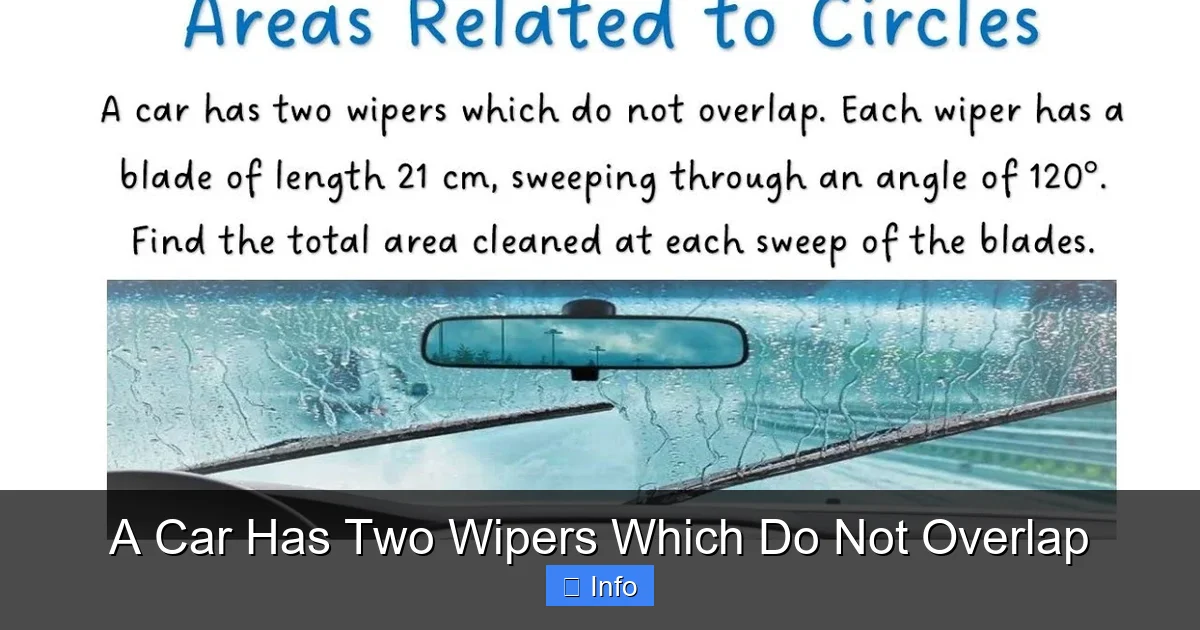
Many modern vehicles feature two separate windshield wipers that move independently and do not overlap. This layout improves visibility, reduces streaks, and extends the life of the blades. Knowing why a car has two wipers which do not overlap helps you care for them correctly.
When you first look at a modern vehicle, you may notice that a car has two wipers which do not overlap. This arrangement is not accidental; it is a carefully engineered feature that improves safety and performance. In this guide we will explain why a car has two wipers which do not overlap, how they function, and what you can do to keep them working well.
The design of a car has two wipers which do not overlap has become standard in many sedans, SUVs, and trucks. Understanding this setup helps you maintain your vehicle and recognize when a wiper may need attention. Whether you drive in heavy rain or light drizzle, the right wiper system makes a clear view possible.
Key Takeaways
- Design: Two separate blades provide full coverage without crossing paths.
- Visibility: The non‑overlapping motion reduces streaks and improves clear view.
- Durability: Independent movement spreads wear, making each blade last longer.
- Maintenance: Each wiper can be serviced or replaced individually.
- Safety: Better water removal enhances driving safety in heavy rain.
- Compatibility: Many cars, SUVs, and trucks use this two‑blade setup.
📑 Table of Contents
- Why Does a Car Have Two Wipers Which Do Not Overlap?
- Benefits of Non‑Overlapping Wipers
- Maintenance Tips for Your Two Wiper System
- Troubleshooting Common Issues
- Choosing the Right Wipers for Your Vehicle
- Understanding the Wiper Motor and Linkage
- Impact on Fuel Efficiency
- Seasonal Care for Your Wipers
- Common Myths About Two Wiper Systems
- Safety Considerations
- Cost Considerations
- Environmental Impact
- DIY vs Professional Service
- Reducing Wiper Noise
- Wiper Blade Alignment
- Conclusion
Why Does a Car Have Two Wipers Which Do Not Overlap?
Historical Background
Early cars used a single blade that swept across the entire windshield. As windshields grew larger and more curved, a single blade could not cover the whole area without leaving gaps. Engineers solved this by adding a second blade, creating a system where a car has two wipers which do not overlap. This innovation allowed for full coverage while reducing the size of each blade.
How the Two‑Blade System Operates
Each wiper is attached to its own motor and arm. The blades move in separate arcs that meet near the center of the glass but never cross. This means that water is pushed outward on both sides, leaving the driver’s view clear. The motion of a car has two wipers which do not overlap is synchronized by the vehicle’s computer in many modern models, ensuring smooth operation.
Benefits of Non‑Overlapping Wipers
Improved Visibility
Because the two blades cover distinct sections of the windshield, they remove water more efficiently. Drivers often report that a car has two wipers which do not overlap provides a clearer sightline during heavy downpours, which is essential for safe driving.
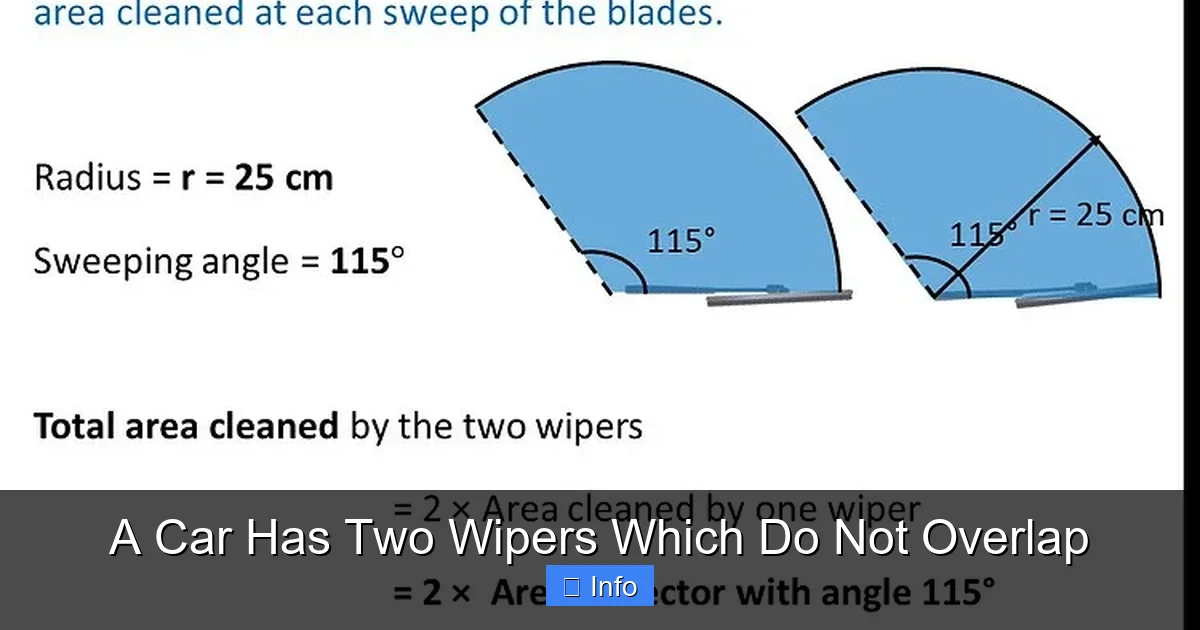
Visual guide about A Car Has Two Wipers Which Do Not Overlap
Image source: cdn.teachoo.com
Fewer Streaks and Smears
When wiper blades cross, they can create streaks where the rubber meets. The non‑overlapping design eliminates that issue, resulting in a smooth, streak‑free wipe. This is especially noticeable at night when headlights reflect off the glass.
Longer Blade Life
Each blade operates independently, so the wear is distributed across two separate arms. This means a car has two wipers which do not overlap often lasts longer than a single‑blade system, saving you money on replacements.
Maintenance Tips for Your Two Wiper System
Cleaning the Blades
Dirt, road salt, and debris can build up on the rubber edge, causing squeaks or reduced performance. Use a soft cloth soaked in warm water with a few drops of mild dish soap. Gently wipe the entire length of each blade, then rinse with clean water. Avoid using alcohol or harsh chemicals, as they can degrade the rubber.
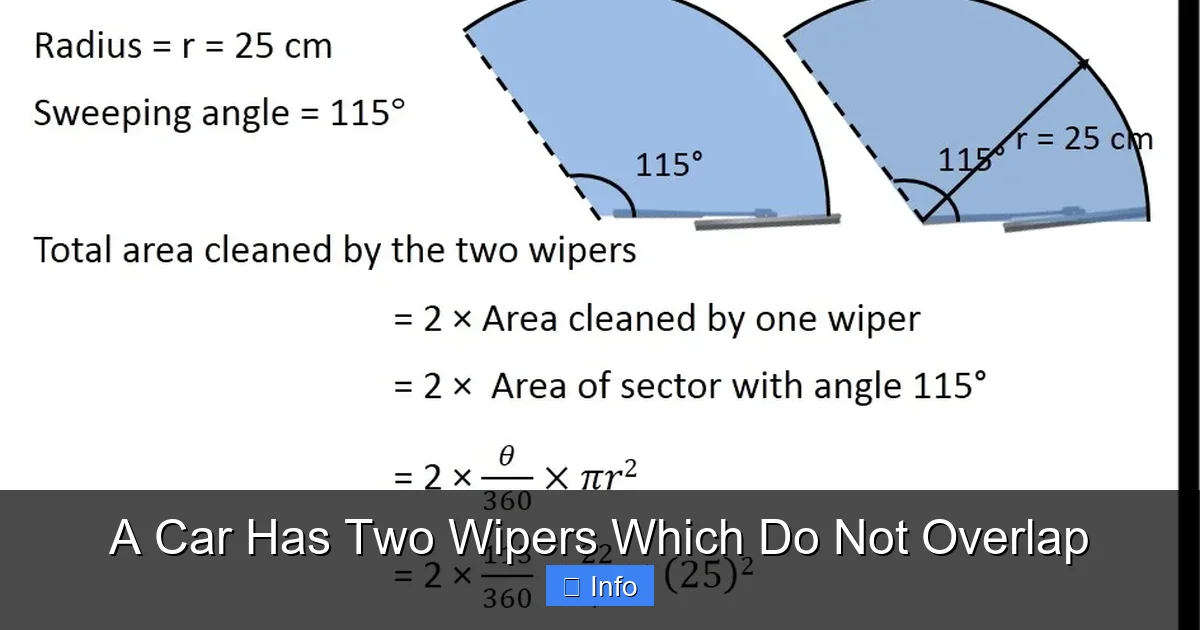
Visual guide about A Car Has Two Wipers Which Do Not Overlap
Image source: d1avenlh0i1xmr.cloudfront.net
Inspecting for Wear
Every few months, examine the blades for cracks, tears, or a glazed appearance. If the rubber looks shiny or hard, it is time to replace the blade. Remember that a car has two wipers which do not overlap requires both blades to be in good condition for optimal performance.
Replacing the Wipers
Replacement is usually a quick task. Most blades are secured with a small clip or hook. Consult your owner’s manual for the specific procedure, or watch an online tutorial. When replacing, make sure the new blades match the size of the originals; using the wrong size can lead to incomplete coverage.
Troubleshooting Common Issues
Squeaking or Chattering
A squeak often means the blade is dirty or the windshield needs washer fluid. Clean the blade and fill the reservoir. If the squeak persists, the blade may be worn and should be replaced.

Visual guide about A Car Has Two Wipers Which Do Not Overlap
Image source: tiwariacademy.com
Incomplete Wipe
If the wipers leave a dry spot, check that the arms are properly aligned. Misalignment can cause the blades to miss a section of glass. Adjusting the arm position usually solves the problem.
Choosing the Right Wipers for Your Vehicle
Determining the Correct Size
Measure the length of each blade. Most vehicles require two different sizes, so be sure to record both. Using the correct size ensures that a car has two wipers which do not overlap cover the full windshield without overhang.
Material Options
Traditional rubber blades are inexpensive and perform well in moderate climates. Silicone blades resist UV rays and temperature extremes, making them ideal for areas with intense sun or cold winters. Consider your local weather when selecting a material.
Understanding the Wiper Motor and Linkage
How the Motor Drives Both Blades
Most vehicles use a single electric motor that powers both wiper arms through a series of linkages. The motor turns a gear that moves a connecting rod, which in turn moves each arm in its own arc. This setup allows a car has two wipers which do not overlap to operate with a single power source, simplifying the electrical system.
The motor is controlled by a switch inside the cabin. When you turn the switch to the intermittent or continuous setting, the motor receives power and moves the linkages. Because the linkages are designed to keep the blades separate, a car has two wipers which do not overlap can wipe the windshield without ever crossing paths.
Synchronization and Timing
In many modern cars, a computer module adjusts the speed of the motor to match the rainfall intensity. The module also ensures that both blades start and stop at the same time, creating a coordinated motion. This synchronization is important because it prevents one blade from lagging behind, which could leave a dry strip.
If you notice that one blade seems slower than the other, it could indicate a worn linkage or a failing motor. Addressing these issues early can prevent more expensive repairs later.
Impact on Fuel Efficiency
Some drivers wonder whether the two‑blade system affects fuel consumption. In most cases, the difference is negligible because the wipers only operate when needed. However, keeping the blades clean and properly aligned reduces drag, which can slightly improve aerodynamics.
When the blades are worn or misaligned, they may create extra resistance, forcing the motor to work harder. This extra load can draw more current from the battery, but the effect on overall fuel economy is minimal.
Seasonal Care for Your Wipers
Winter Preparation
Before the first snow, check that the wiper blades are free of ice and snow. Use a soft brush or a plastic scraper to clear the windshield. It is also a good idea to apply a de‑icer spray to the glass to prevent the blades from freezing to the surface.
In extremely cold climates, consider using winter‑grade wiper fluid that contains antifreeze. This fluid stays liquid at lower temperatures and helps keep a car has two wipers which do not overlap moving smoothly.
Summer Maintenance
During hot weather, the rubber on the blades can become soft and prone to deformation. Park your vehicle in a shaded area or use a sunshade to protect the windshield. Regularly inspect the blades for signs of melting or cracking.
High temperatures can also cause the wiper fluid to evaporate faster, so keep the reservoir topped up with a summer‑blend fluid that resists evaporation.
Common Myths About Two Wiper Systems
One myth is that two blades wear out faster than a single blade. In reality, the load is split between two arms, which often extends the life of each blade.
Another myth suggests that overlapping blades provide better coverage. The opposite is true; the non‑overlapping design eliminates streaks and improves visibility.
A third myth claims that you can replace only one blade at a time. While it is possible, replacing both together ensures balanced performance and prevents uneven wear.
Safety Considerations
Properly functioning wipers are essential for safe driving in rain, snow, or sleet. When a car has two wipers which do not overlap, the windshield is cleared more effectively, reducing the risk of accidents caused by poor visibility.
In some regions, driving with malfunctioning wipers can result in a traffic citation. Regular inspection and timely replacement help you stay compliant with safety regulations.
Cost Considerations
When you need to replace the blades, prices can vary widely. Basic rubber blades may cost as little as ten dollars per blade, while premium silicone options can exceed thirty dollars. Labor charges at a service center will add to the total, but many owners find that replacing the blades themselves is a simple task that saves money.
Budgeting for both blades together is advisable, because using mismatched sizes or qualities can lead to uneven performance. Investing in a quality pair often pays off in longer service life and better visibility, which contributes to overall safety.
Environmental Impact
The materials used in wiper blades affect the environment. Traditional rubber is derived from petroleum, whereas silicone is more resistant to UV degradation and can last longer, reducing waste. Some manufacturers now offer blades made from recycled rubber, which helps lower the carbon footprint.
Proper disposal of worn blades is important. Many auto parts stores accept old blades for recycling. By choosing eco‑friendly options and recycling old blades, you can minimize the environmental impact of your vehicle maintenance.
DIY vs Professional Service
Replacing the wipers is a job that many car owners can perform themselves. The process typically involves removing a small clip, sliding out the old blade, and snapping in the new one. Online videos and repair manuals provide clear instructions, making it a quick weekend project.
However, if you are uncomfortable working on your vehicle or if the wiper arms are seized, it may be best to seek professional help. A mechanic can ensure that the blades are installed correctly and that the linkage is functioning properly, which can prevent future issues.
Reducing Wiper Noise
Some drivers notice a squeaking or chattering sound when the wipers are in use. This noise often comes from the blade rubbing against the glass or from a dry surface. Applying a small amount of silicone spray to the blade edge can help reduce friction and silence the sound.
Another source of noise is a loose arm or worn bushing. Tightening the mounting bolt or replacing the bushing can eliminate the rattle. If the noise persists, check for debris caught between the blade and the glass.
Wiper Blade Alignment
Proper alignment ensures that each blade covers its intended area. If the arms are bent or the linkages are worn, the blades may not sit flat against the windshield. Adjusting the arm angle or replacing the linkage restores correct alignment.
After any adjustment, test the wipers on a dry surface to confirm that they move smoothly and without overlap. Correct alignment not only improves performance but also reduces wear on the motor and blades.
Conclusion
In summary, a car has two wipers which do not overlap because this design offers superior visibility, fewer streaks, and longer blade life. By following the cleaning, inspection, and replacement tips above, you can keep your wipers in top condition for many miles. Regular maintenance not only improves safety but also extends the lifespan of the blades, saving you money over time.
For additional guidance, you might find these resources helpful: How Do You Reset The Windshield Wipers On A Mercedes, How To Clean Mold Out Of A Car, and How To Detail A Car Interior.
Make it a habit to inspect your wiper blades at least twice a year, especially before long trips. Consistent care ensures that a car has two wipers which do not overlap continues to provide clear visibility in any weather condition. Stay safe on the road.
Frequently Asked Questions
Why does my car have two wipers that do not overlap?
This design improves coverage and reduces streaks, giving you a clearer view of the road.
How can I tell if my wiper blades need replacing?
Look for cracks, tears, or a glazed appearance on the rubber; if the blades leave streaks or squeak, they should be replaced.
Can I replace only one wiper blade?
It is possible, but replacing both together ensures balanced performance and even wear.
What type of wiper fluid should I use?
Choose a fluid rated for your climate; winter formulas contain antifreeze, while summer blends resist evaporation.
How do I stop my wipers from squeaking?
Clean the blades with mild soap and water, and make sure the washer fluid reservoir is full.
Is it safe to drive with worn wiper blades?
No; worn blades reduce visibility and can be illegal in some areas, increasing accident risk.