Cheapest Car with Ventilated Seats
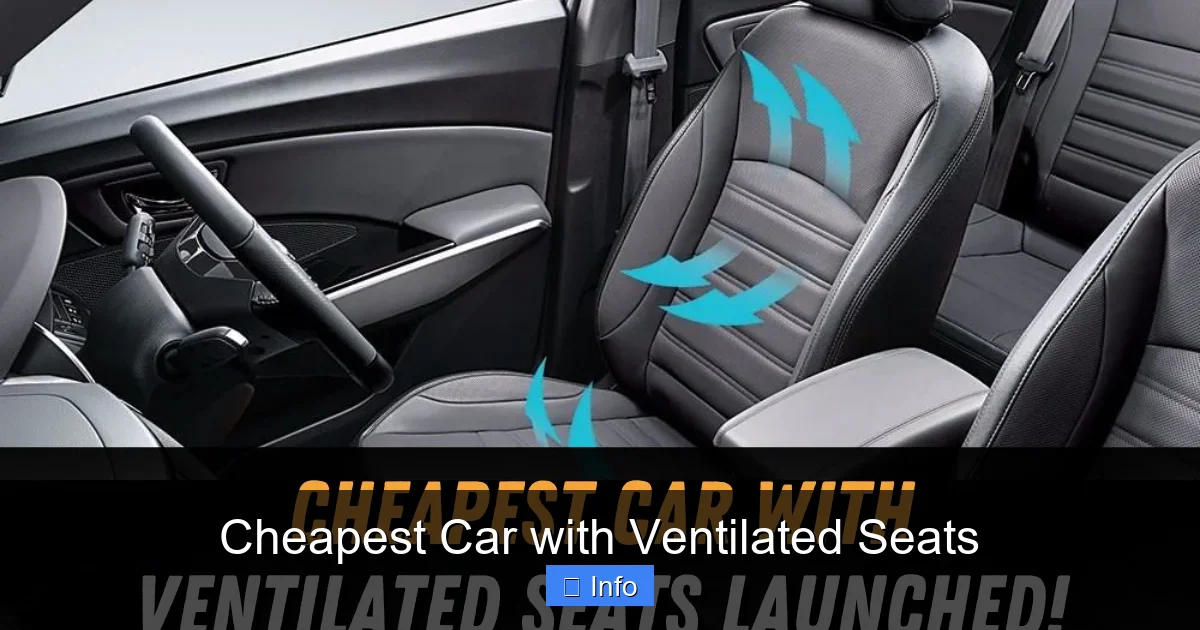
Finding the cheapest car with ventilated seats no longer means breaking the bank. Models like the Hyundai Verna and Kia Seltos now offer this premium comfort feature at accessible price points. We break down the top contenders, key buying factors, and maintenance tips to help you stay cool without overspending.
Let’s be honest. Getting into a car that has been baking in the Indian sun feels like stepping into an oven. Your back sticks to the seat, your legs burn on the leather, and you spend the first ten minutes of every drive just waiting for the AC to catch up. It is a universal struggle. For years, the solution—ventilated seats—was locked behind a luxury badge or a top-tier trim that cost a fortune. But times have changed. Manufacturers are finally democratizing this comfort feature. If you have been hunting for the cheapest car with ventilated seats, you are in luck. The market has shifted, and you no longer need a luxury budget to get a cooled backrest.
This guide is built for the practical buyer. We aren’t here to sell you a dream; we are here to show you the reality of the current market. We will walk through the specific models that offer this feature at the lowest price points, explain the difference between ventilated and cooled seats, and give you the inside scoop on what to check before you sign the papers. Whether you are a daily commuter facing hour-long traffic jams or a weekend road-tripper, finding the right car with this feature changes the driving experience entirely. Let’s dive into the details and find you the best deal.
Key Takeaways
- Hyundai Verna leads the pack: It currently holds the title for the most affordable sedan with ventilated front seats in India.
- Compact SUVs offer value: The Kia Seltos and Hyundai Creta bring cooled seats to the popular SUV segment at competitive prices.
- Variant selection is critical: Ventilated seats are typically reserved for top-spec or mid-high trims, so check the feature list carefully.
- Aftermarket options exist but vary: Retrofit kits are available but rarely match OEM integration, effectiveness, or warranty protection.
- Climate makes this feature essential: In extreme Indian summers, ventilated seats reduce AC load and prevent sticky discomfort on long drives.
- Maintenance is simple but necessary: Regular cleaning of perforations ensures consistent airflow and prevents motor strain.
- Resale value gets a boost: Cars equipped with ventilated seats tend to attract more buyers in the used market, improving resale potential.
📑 Table of Contents
- Why Ventilated Seats Matter in Indian Weather
- The Current Market Landscape for Affordable Ventilated Seats
- Top 5 Cheapest Cars with Ventilated Seats in 2024
- What to Look for Beyond Just Ventilated Seats
- Buying Tips: Getting the Best Deal on a Car with Cooled Seats
- Maintaining Your Ventilated Seats for Long-Term Comfort
- Conclusion
Why Ventilated Seats Matter in Indian Weather
We often treat ventilated seats as a “nice-to-have” luxury. In the Indian context, they are closer to a necessity. The combination of high ambient temperatures, intense humidity, and stop-and-go traffic creates a perfect storm for driver fatigue. Standard air conditioning cools the air, but it does not solve the contact heat problem. Your body weight compresses the seat foam and fabric against your back and thighs, trapping heat and moisture exactly where you sit.
The Science of Contact Cooling
Ventilated seats work by using small fans built into the seat cushion and backrest. These fans pull air through the perforations in the upholstery. This creates a constant airflow across your skin surface. It accelerates evaporation of sweat and draws heat away from your body directly. It is far more efficient than waiting for cold air to circulate around the cabin and eventually cool the seat surface. This direct cooling reduces the thermal load on your body, keeping you alert and comfortable.
Reducing AC Dependency
There is a practical fuel-efficiency angle here too. When your seat is actively cooling you, you can often run the cabin AC at a higher temperature setting or a lower fan speed. The compressor doesn’t have to work as hard to maintain comfort. Over the life of the car, this saves fuel. For EV owners, it preserves precious battery range. It is a feature that pays for itself in comfort and running costs.
The Current Market Landscape for Affordable Ventilated Seats
Five years ago, you were looking at a Mercedes C-Class or a BMW 3 Series to get this feature. Today, the segment has been disrupted. Korean manufacturers—Hyundai and Kia—have been the primary drivers of this democratization. They realized that in a price-sensitive market like India, comfort features sell cars. They started equipping their C-segment sedans and compact SUVs with ventilated seats to undercut rivals.
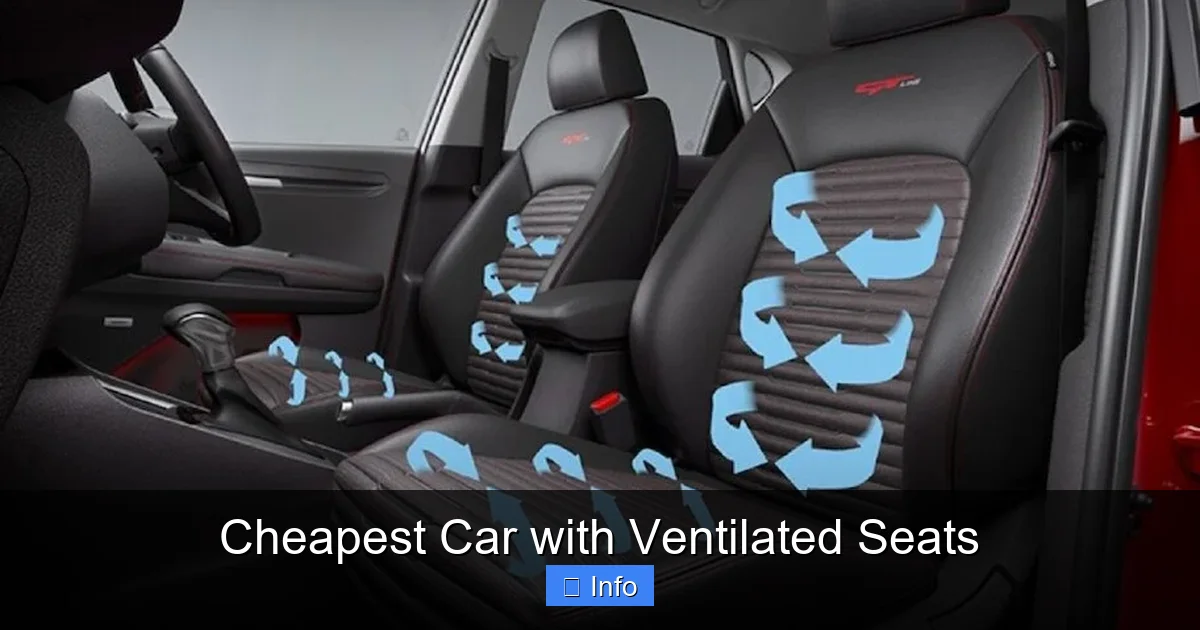
Visual guide about Cheapest Car with Ventilated Seats
Image source: hindi.cdn.zeenews.com
Sedans vs. SUVs: Where the Value Lies
If your sole mission is to find the absolute cheapest car with ventilated seats, the sedan segment is currently your best bet. The Hyundai Verna and Honda City offer this feature at a lower on-road price than their SUV counterparts. Sedans have lower manufacturing costs and less complex body structures, allowing manufacturers to pack in features at a sharper price. However, SUVs like the Kia Seltos and Hyundai Creta offer the feature with a higher seating position and more practicality, commanding a slight premium.
The “Variant Trap” You Must Avoid
This is the most common mistake buyers make. You see a brochure saying “Ventilated Seats” for a model starting at 12 lakh. You rush to the dealership, only to find the base model has manual AC and fabric seats. Ventilated seats are almost exclusively reserved for the top two trim levels (often labeled SX(O), ZX, or Sharp/Optimal). You must verify the specific variant code. Do not assume the feature trickles down to mid-spec trims; it rarely does.
Top 5 Cheapest Cars with Ventilated Seats in 2024
Prices fluctuate with model year updates and regional offers, but the ranking below reflects the typical ex-showroom starting price for the variant that *actually* gets the feature. Always confirm current pricing with your local dealer.
1. Hyundai Verna (SX(O) Turbo / SX Turbo)
The current generation Verna is widely regarded as the benchmark for the cheapest car with ventilated seats in the sedan space. Hyundai packs the front seats with both ventilation and heating (a rare combo at this price). The implementation is robust, with three fan speed settings. You get a sophisticated 1.5L Turbo GDi petrol engine in these trims, making it a driver’s car that also pampers you. The cabin quality and feature list (ADAS, digital cluster, Bose sound) make the value proposition incredibly strong.
2. Honda City (ZX MT / CVT)
Honda was late to the party but made a strong entry. The City ZX variant offers ventilated front seats. The system is effective, though some users feel the airflow is slightly less aggressive than the Korean twins. Where the City wins is rear seat space and ride quality. If you are often chauffeured or carry family in the back, the City’s legroom advantage is significant. The 1.5L i-VTEC engine is naturally aspirated, offering linear power delivery and legendary reliability.
3. Kia Seltos (HTX+ / GTX+ / X-Line)
Moving to SUVs, the Seltos is the volume leader. The ventilated seats here are front-only but include the driver’s seat memory function on higher trims—a nice touch. The Seltos offers three engine choices (1.5 NA Petrol, 1.5 Turbo Petrol, 1.5 Diesel) across these trims. The feature works well, and the SUV stance gives you that commanding view. It strikes a great balance if you need ground clearance for bad roads but want premium cabin tech.
4. Hyundai Creta (SX(O) / Knight Edition)
The Creta shares its platform and seat architecture with the Seltos, so the ventilation performance is nearly identical. The difference lies in styling, feature allocation, and brand preference. The Creta often gets updated feature lists faster (like the recent addition of a panoramic sunroof on lower trims). If you are cross-shopping, drive both back-to-back. The seat ventilation feel is the same; your decision will hinge on design language and dealer experience.
5. Volkswagen Virtus / Skoda Slavia (Topline / Style 1.5 TSI)
The German twins are the dark horses. They offer ventilated seats on their 1.5 TSI Topline/Style variants. The build quality and driving dynamics are superior to the Korean and Japanese rivals. However, the price for the specific variant with ventilated seats creeps closer to the 20 lakh on-road mark. They are worth a test drive if driving engagement matters more to you than a feature list, but they sit at the upper end of “affordable.”
What to Look for Beyond Just Ventilated Seats
Buying a car based on a single feature is a recipe for regret. You live with the whole package. When you narrow down your list for the cheapest car with ventilated seats, use these secondary filters to make the final call.
Seat Material and Perforation Quality
Not all perforated leather is created equal. Run your hand over the seat. Are the holes cleanly punched and consistent? Cheap perforation can fray or clog with dust and fabric fibers over time, killing the airflow. High-quality OEM seats (like those in the Verna or Seltos) use precision laser perforation that stays open. Also, check if the material is genuine leather or leatherette. Leatherette can get hotter initially but cools faster with ventilation; genuine leather breathes better naturally but costs more to replace if damaged.
Fan Noise Levels
This is a hidden annoyance. Some systems use cheap blower motors that whine at high speeds. During your test drive, crank the ventilation to max. Sit in silence (turn off the fan/AC). Listen for a high-pitched electric motor whine. If it irritates you in a 15-minute drive, it will drive you crazy in a year. The Verna and City generally score well on NVH (Noise, Vibration, Harshness) for their seat blowers.
Rear Seat Ventilation (The Missing Link)
Almost no car in this price bracket offers ventilated *rear* seats. That remains a luxury segment feature (think BMW 5 Series, Mercedes E-Class). If you have passengers in the back often, prioritize cars with rear AC vents with fan speed control and good cabin insulation. The Honda City and Hyundai Verna excel at rear passenger comfort due to their longer wheelbases and efficient HVAC systems.
Integration with Climate Control
Ideally, the seat ventilation should be linked to the auto climate control. In some cars, you have to manually press a button on the seat side or the infotainment screen every time you start the car. In better implementations (like newer Hyundais), the seat ventilation auto-starts based on cabin temperature when you select “Auto” mode. It’s a small UX detail that makes daily usage seamless.
Buying Tips: Getting the Best Deal on a Car with Cooled Seats
You have picked your model. Now, how do you pay the least amount of money for it? The sticker price is just the starting line.
Timing Your Purchase
Car discounts follow a calendar. The best months are typically December (year-end clearance), March (financial year-end targets), and the festival season (Oct-Nov) when manufacturers push volume. Dealers have monthly and quarterly targets. Visiting on the last working day of the month gives you leverage. The salesperson needs that one more registration to hit their bonus slab.
Negotiate the “On-Road” Price, Not Ex-Showroom
Dealers love quoting ex-showroom. Insist on a detailed on-road breakdown: RTO, Insurance, TCS, Handling/Logistics charges, and Accessories. Challenge the “Handling Charges”—they are often pure profit. Ask for essential accessories (floor mats, body cover, mud flaps) to be thrown in free instead of a cash discount. It costs the dealer wholesale but saves you retail.
Consider the “Cheapest State” Advantage
Road tax (RTO) varies wildly by state. Registering a car in a Union Territory (like Pondicherry) or a low-tax state (like Himachal Pradesh or Jharkhand) can save you 4-8% of the ex-showroom price. If you have a valid address proof there, or if your company allows it, the savings on a 18 lakh car can be over 1 lakh. For more details on this strategy, check out our guide on the cheapest state to buy a car in India.
Trade-In vs. Selling Privately
Dealers lowball trade-ins. They need margin to recondition and resell. You will almost always get 10-15% more selling your old car privately (via platforms like CarDekho, Cars24, OLX, or Spinny). Use that extra cash as a larger down payment. It lowers your loan amount and interest burden. Do the math; the hassle of a private sale is usually worth the extra money.
Look for “Runout” Model Year Discounts
When a facelift is announced (like the recent Verna or Creta updates), the outgoing “MY2023” or “MY2024” stock becomes a liability for dealers. They get factory support (special schemes) to clear it. These cars are brand new, zero km, but technically the “previous generation.” You can often snag the top variant with ventilated seats for the price of the mid-variant of the new model. Ask your dealer specifically for “runout stock” or “previous MY vehicles.”
Maintaining Your Ventilated Seats for Long-Term Comfort
You bought the car. Now protect the feature. Ventilated seats are mechanical systems (fans, ducts, sensors) covered in upholstery. They need care.
Keep the Perforations Clean
This is rule number one. Dust, crumbs, skin oils, and hair products clog the tiny holes. Once clogged, the fan spins but air doesn’t reach you. The motor then overheats and fails. Use a soft brush attachment on a vacuum cleaner once a month. Go over the seat surface gently. Do not use compressed air cans; they can push debris deeper into the foam or damage the fan blades.
Use the Right Cleaning Products
Harsh chemicals (ammonia, bleach, alcohol-heavy cleaners) dry out leather and leatherette, causing cracks around the perforation holes. Cracks expand, ruining the look and the airflow. Use a dedicated pH-balanced leather cleaner and conditioner. Apply conditioner sparingly—too much conditioner clogs holes just like dirt. If you need product recommendations, our article on the best cleaner for faux leather car seats covers safe options for modern perforated upholstery. For general fabric or mixed interiors, the guide on the best cleaner for car seats is a great resource.
Don’t Block the Intake Vents
Most seat fans draw air from under the front seats or from the rear seat footwell. If you shove a backpack, a thick winter coat, or a car seat base under the front seat, you starve the fan. It creates a vacuum, the motor strains, and airflow drops to zero. Keep the floor space under the front seats clear. Teach rear passengers not to stuff items under the front seats.
Run the System Periodically
If you live in a place with a mild winter (like Bangalore or Pune), you might not use the ventilation for months. Run it for 5 minutes once a month anyway. It keeps the motor bearings lubricated, prevents the ducts from getting musty, and verifies the system works before the summer heat hits. It’s like running your AC in winter to keep the compressor seals healthy.
Address Squeaks and Rattles Early
The seat frame has moving parts (recline, slide, height adjust). The ventilation ducting runs through this frame. If you hear a plastic-on-plastic rattle when you hit a bump, the ducting might be loose or rubbing. Get it clipped/secured under warranty. A loose duct eventually cracks, leaks air into the seat foam (useless), and kills the cooling effect.
Conclusion
The era of sweating through your shirt on the daily commute is officially optional, even on a budget. The market has spoken: ventilated seats are no longer a luxury exclusive. The cheapest car with ventilated seats today—the Hyundai Verna—delivers a feature set that would have cost double just a few years ago. The Honda City, Kia Seltos, and Hyundai Creta follow closely, giving you body style choices without sacrificing the core comfort tech.
Your job now is simple. Define your body style preference (sedan vs SUV). Lock in the exact variant code that includes the feature. Test drive at noon on a sunny day—crank the ventilation to max and sit for ten minutes. Negotiate the on-road price using the timing and trade-in tips we discussed. And once the car is yours, treat those perforations like gold; keep them clean, keep the intakes clear, and they will keep you cool for years. Comfort isn’t just about luxury; it’s about arriving fresh, safe, and ready for whatever comes next. Happy hunting.
Frequently Asked Questions
Which is the absolute cheapest car with ventilated seats in India right now?
As of 2024, the Hyundai Verna (SX Turbo and SX(O) Turbo variants) holds the title for the most affordable car offering ventilated front seats. The Honda City ZX variant is a very close runner-up, often differing by only a small margin in on-road pricing depending on location.
Do any cars under 15 lakh offer ventilated seats?
Currently, no car in India offers factory-fitted ventilated seats with an on-road price under 15 lakh. The feature typically becomes available in the 16-18 lakh ex-showroom range (approx 19-22 lakh on-road), restricted to top-spec variants of C-segment sedans and compact SUVs.
Are ventilated seats and cooled seats the same thing?
Technically, no. Ventilated seats use fans to blow ambient cabin air through perforations. Cooled seats (found in luxury cars) pass air over a cooling element or use a thermoelectric device to chill the air before it reaches you. In the affordable segment, all systems are ventilated, not actively refrigerated.
Can I install aftermarket ventilated seats in a lower variant?
Yes, aftermarket kits exist, but they are not recommended. They require cutting the original seat foam and upholstery, voiding the seat warranty and often the car’s electrical warranty. The airflow is usually weaker, noise is higher, and the finish rarely matches OEM quality. It is better to buy the correct variant.
Do ventilated seats work effectively in high humidity?
They help significantly but have limits. In high humidity (like Mumbai or Chennai monsoons), the air blown is already moisture-laden, reducing evaporative cooling efficiency. However, the airflow still prevents the “sticky back” feeling by breaking the microclimate between your skin and the seat. Using them alongside the AC yields the best result.
Will ventilated seats increase my car’s resale value?
Yes, they are a highly desirable feature in the used car market. Listings highlighting “Ventilated Seats” attract more views and command a slight premium over identical variants without the feature. It signals a higher trim level and better overall equipment, making the car easier to sell later.