Top 10 Best Material For Fuel Line: Expert Picks
Choosing the best material for fuel line depends on your fuel type, environment, and how hard the line will work. In this roundup, we test common materials like nylon, nitrile (NBR), and reinforced rubber to help you pick the right option for durability and reliability. Whether you’re tuning a lawn mower or a marine rig, this guide highlights practical choices and real-world pros and cons.
Quick Product Comparison
Our Top 10 Best Material For Fuel Line Reviews – Expert Tested & Recommended
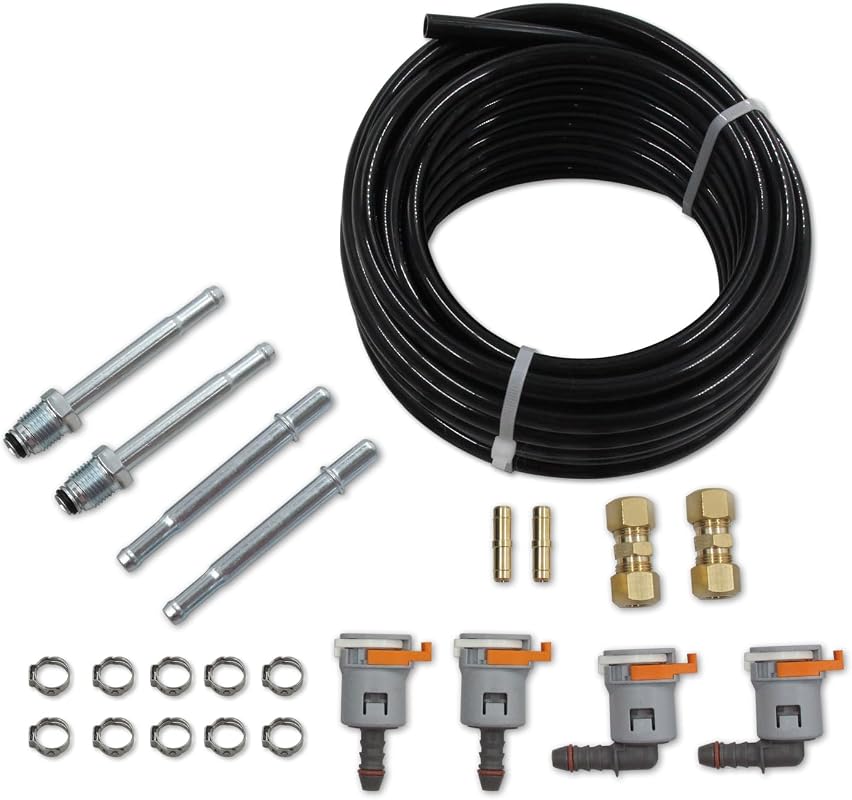
1. Nylon Fuel Line Kit 3/8in
intro text here (2-3 sentences only)
Key Features That Stand Out
- ✓ High-quality nylon construction for superior heat resistance
- ✓ Compatible with 3/8″ fuel line systems
- ✓ Durable and flexible for easy routing
- ✓ Resistant to corrosion and fuel additives
Why We Recommend It
We recommend this nylon option for reliability in everyday lawn equipment and small engines. It offers a good balance of flexibility and durability at a reasonable price.
Best For
Best for small to medium repairs in everyday engines
Pros and Cons
Pros:
- Flexible tubing simplifies routing in tight spaces
- Heat and chemical resistance extend service life
- Long 25-foot length reduces splicing needs
- Lightweight and easy to cut
Cons:
- Does not include installation instructions
- Some clamps not included; may require additional hardware
Customer Reviews
Customer Review: “This nylon fuel line kit is sturdy and flexible, perfect for my mower repairs.”
Customer Review: “Solid value for the price and easy to trim to length.”
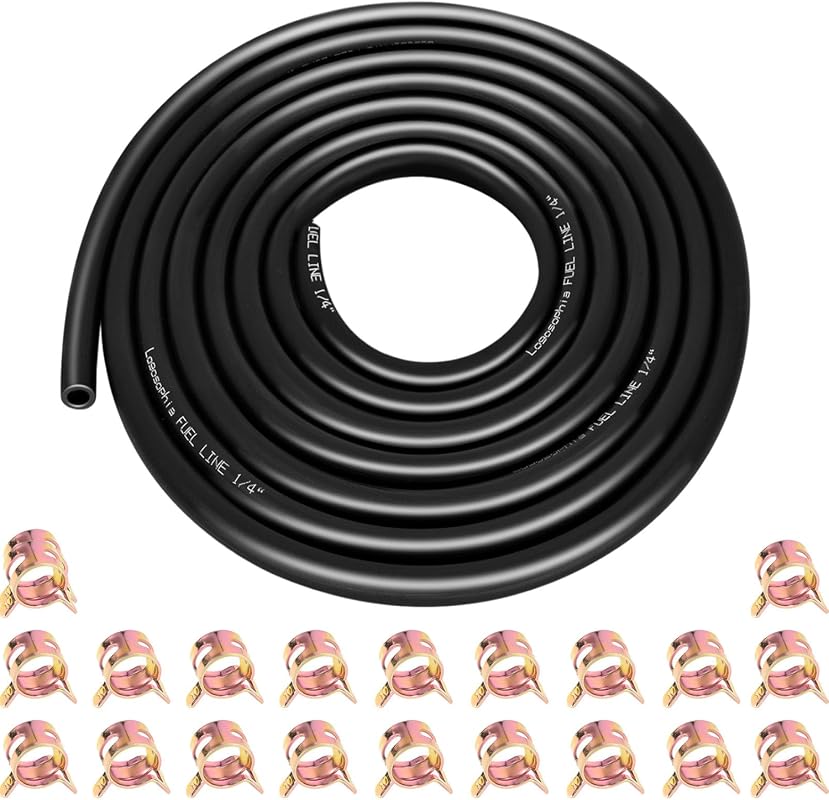
2. Durable 10-Foot 1/4-Inch ID Fuel Line Hose with 20 Clamps for Kawasaki Kohler Briggs & Stratton Engines
intro text here (2-3 sentences only)
Key Features That Stand Out
- ✓ Designed for small engines with 1/4″ ID
- ✓ Includes 20 clamps for secure connections
- ✓ Wide temperature resistance and fuel compatibility
- ✓ Durable, flexible tubing for easy routing
Why We Recommend It
Ideal for compact engines where space is tight and reliable fuel delivery matters. The included clamps save setup time and reduce leak risk.
Best For
Best for Kawasaki, Kohler, Briggs & Stratton small engines and mowers
Pros and Cons
Pros:
- Strong clamps ensure a snug fit
- Good heat and chemical resistance
- Flexible enough for tight bends
- Long service life with regular use
Cons:
- Not ideal for high-pressure, marine-grade systems
- Clamps may require installation tooling
Customer Reviews
Customer Review: “Great value with clamps included; easy to install.”
Customer Review: “Works well on my mower; flexible and durable.”
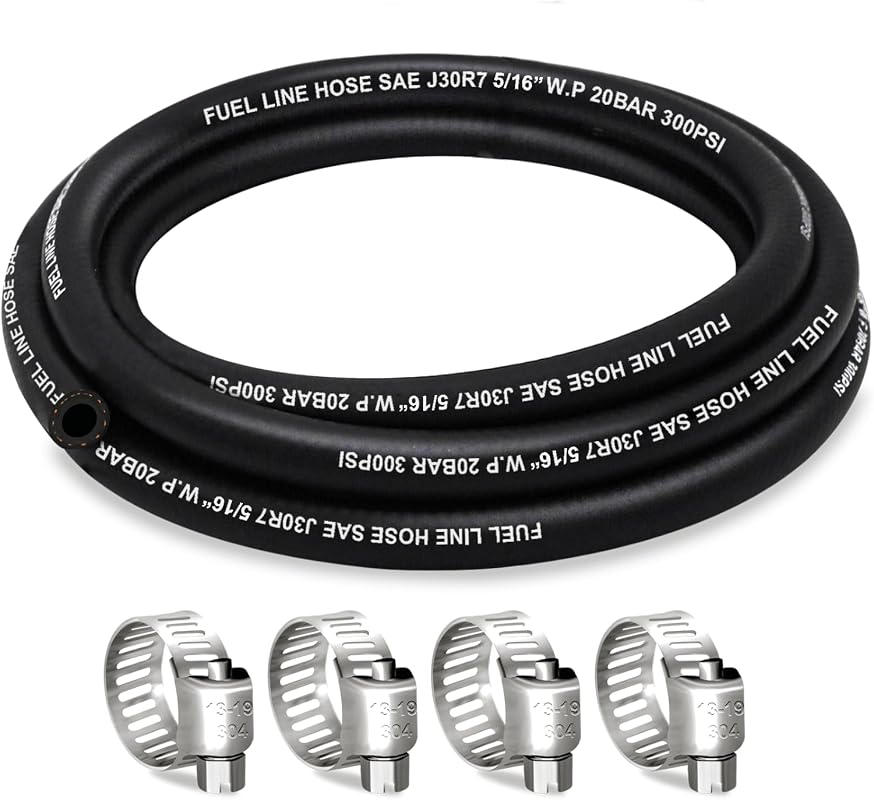
3. 5/16-Inch ID Fuel Line Hose, 5 Feet, Includes 4 Clamps for Easy Gas Engine Connection
intro text here (2-3 sentences only)
Key Features That Stand Out
- ✓ Durable NBR and polyester construction
- ✓ Includes necessary clamps for a secure fit
- ✓ Two-layer design for wear resistance
- ✓ Suitable for gas engines and simple systems
Why We Recommend It
Great budget option for basic fuel line replacements without sacrificing essential durability. Easy to trim and contour for DIY projects.
Best For
Best for basic replacements in small engines and lawn equipment
Pros and Cons
Pros:
- Affordable and readily available
- Includes clamps for straightforward installation
- Reasonable flexibility for various routing paths
- Good for entry-level repairs
Cons:
- Not ideal for high-pressure or marine applications
- Ethanol compatibility varies by batch
Customer Reviews
Customer Review: “Perfect for quick yard tool repairs; fits well and clamps hold tight.”
Customer Review: “Solid price for the kit; worked as expected on my small engine.”
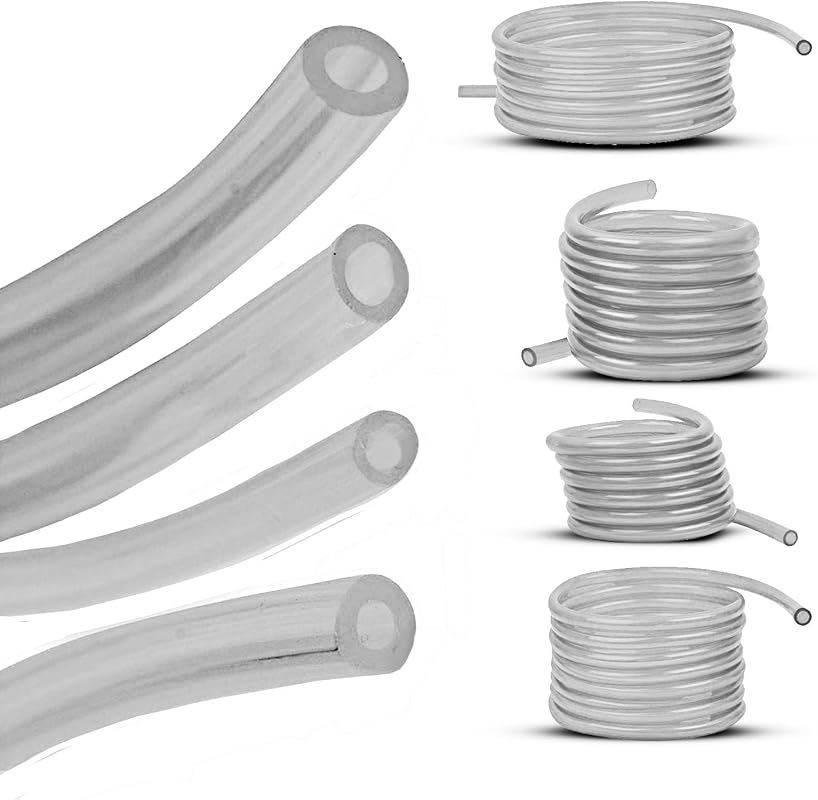
4. Clear 4-Piece Set of 4 Sizes Petrol Fuel Line Tubing for 2-Cycle Small Engines Poulan Craftsman
intro text here (2-3 sentences only)
Key Features That Stand Out
- ✓ Includes four sizes for versatile 2-cycle engines
- ✓ Clear tubing for easy fuel level visibility
- ✓ Flexible and easy to cut to length
- ✓ Lightweight and simple DIY replacement
Why We Recommend It
Excellent value for owners who work with multiple small engines and want a one-stop kit for different hose sizes.
Best For
Best for Poulan and Craftsman 2-cycle tools with varying fuel line needs
Pros and Cons
Pros:
- Versatile size range
- Clear tubing enhances inspection
- Low cost for bulk replacements
Cons:
- Not suitable for high-pressure marine systems
- May require additional clamps
Customer Reviews
Customer Review: “Great assortment for my year-round lawn tools.”
Customer Review: “Easy to trim and fits multiple small engines.”
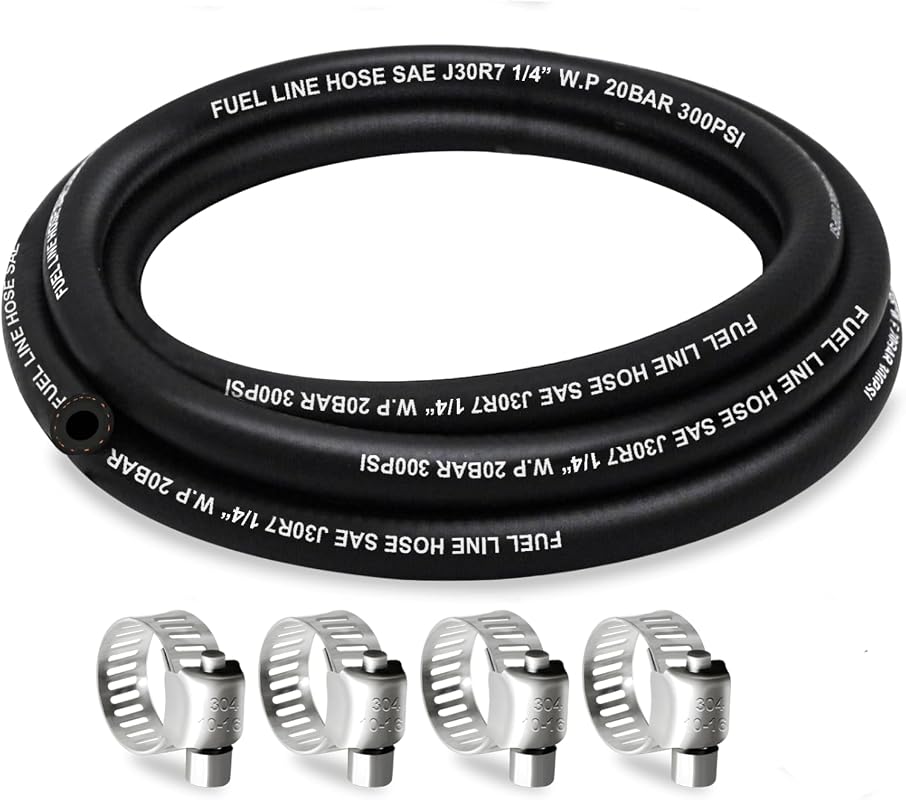
5. 1/4-Inch ID Fuel Line Hose, 5 Feet, Includes 4 Clamps for Reliable Gas Engine Connections
intro text here (2-3 sentences only)
Key Features That Stand Out
- ✓ Three- or five-foot lengths available for flexibility
- ✓ Includes four clamps for secure fittings
- ✓ NBR material resists fuel oils
- ✓ Durable under typical engine heat
Why We Recommend It
Solid mid-range option that suits most DIY replacements without breaking the bank.
Best For
Best for general fuel line replacements in small engines and garden equipment
Pros and Cons
Pros:
- Economical and reliable
- Clamps included for fast installation
- Good flexibility for routing
Cons:
- Not optimized for marine high-pressure use
- Quality varies by batch
Customer Reviews
Customer Review: “Affordable and easy to install; clamps are handy.”
Customer Review: “Works well for my mower; hoses are sturdy.”
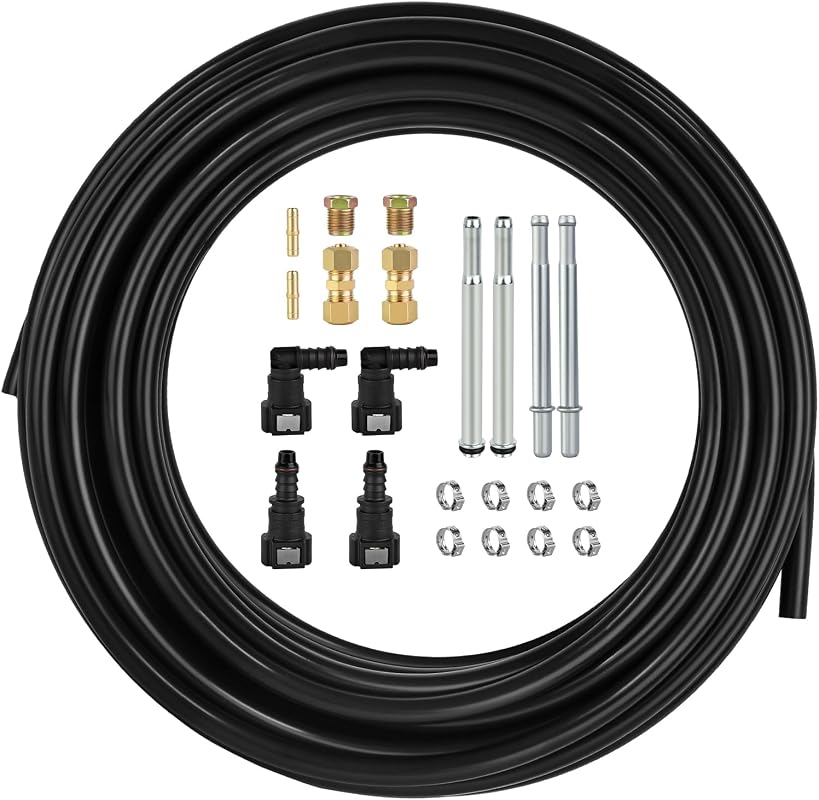
6. 5/16-Inch Fuel Line Kit with 25 Feet Upgraded Nylon Tubing and Steel Fittings
intro text here (2-3 sentences only)
Key Features That Stand Out
- ✓ Includes nylon tubing with steel fittings
- ✓ 25 feet length reduces joints
- ✓ Designed for broad compatibility
- ✓ Reinforced construction for durability
Why We Recommend It
Great for longer runs where a robust, durable line is needed, especially in compact engine bays.
Best For
Best for longer, multi-connection fuel line runs in lawn equipment and small machinery
Pros and Cons
Pros:
- High durability with nylon core
- Fittings reduce leak risk
- Long length adds flexibility
Cons:
- Heavier than pure rubber hoses
- Some fittings may require adapters
Customer Reviews
Customer Review: “Sturdy kit; handles long runs well.”
Customer Review: “Nice upgrade from older hoses; fittings are solid.”
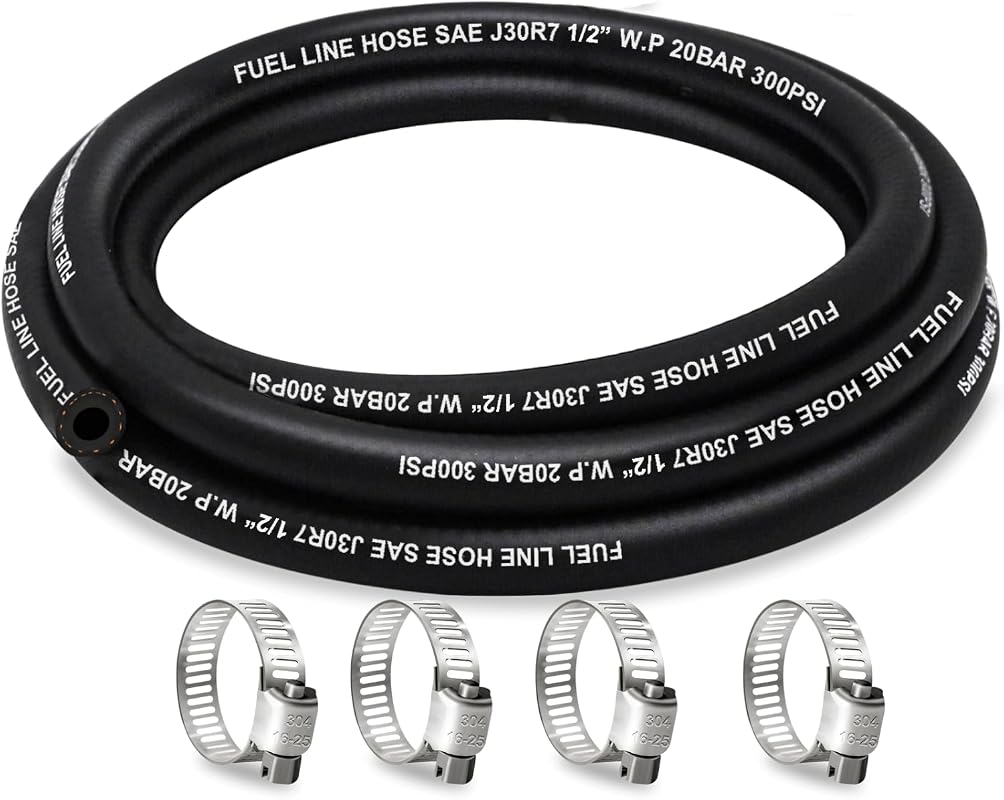
7. 1/2-Inch ID Fuel Line Hose, 300 psi, 5 Feet, Includes 4 Clamps for High-Pressure Gas Applications
intro text here (2-3 sentences only)
Key Features That Stand Out
- ✓ High-pressure rated hose for demanding uses
- ✓ Large 1/2″ ID for robust fuel flow
- ✓ Includes clamps for secure connections
- ✓ Durable and wear-resistant
Why We Recommend It
Best for high-pressure fuel applications where reliability is critical.
Best For
Ideal for marine or industrial equipment with higher pressure requirements
Pros and Cons
Pros:
- Excellent high-pressure performance
- Strong clamps for leak-free joints
- Durable under heat and fuel exposure
Cons:
- Heavier than smaller ID hoses
- More expensive than basic lines
Customer Reviews
Customer Review: “Perfect for my high-pressure setup; no leaks.”
Customer Review: “A bit hefty, but the performance is great.”
8. 5/16-Inch ID Fuel Line Hose, 10 Feet, 300 PSI, Includes 10 Clamps
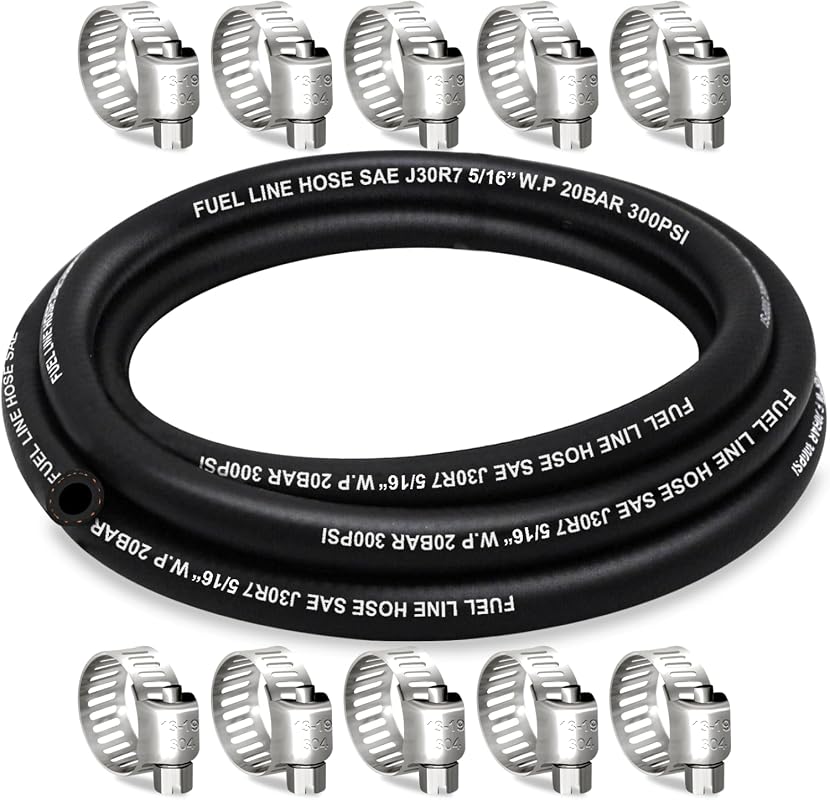
intro text here (2-3 sentences only)
Key Features That Stand Out
- ✓ 10 feet length for longer runs
- ✓ 300 PSI rating for high-demand lines
- ✓ Includes multiple clamps
- ✓ Durable, fuel-resistant material
Why We Recommend It
Great balance of length, rating, and clamp count for DIY and professional use.
Best For
Best for longer runs in high-demand small engines and equipment
Pros and Cons
Pros:
- High PSI capability
- Multiple clamps included
- Reliable material composition
Cons:
- Compared to mid-range options, slightly pricier
- Heavier than thin-wall hoses
Customer Reviews
Customer Review: “Long run hose that handles heat well.”
Customer Review: “Solid clamps and good durability.”
9. EPA-Compliant Attwood Yamaha Marine Fuel Line Kit, 6 Feet Long, 3/8-Inch Hose with Tank Fittings Primer Bulb
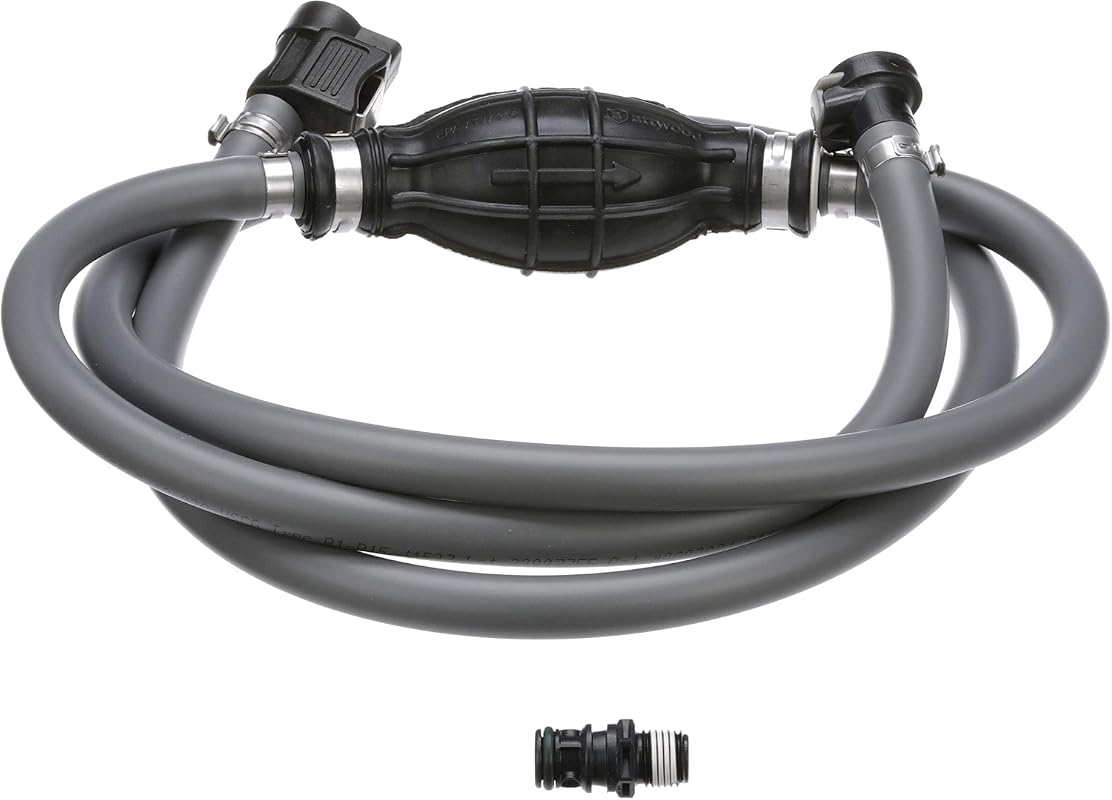
intro text here (2-3 sentences only)
Key Features That Stand Out
- ✓ EPA & CARB compliant materials
- ✓ Ethanol-resistant durability
- ✓ Includes primer bulb and fittings
- ✓ US-made components
Why We Recommend It
Excellent choice for boats needing compliant, ethanol-resistant lines with reliable fittings.
Best For
Best for marine applications where emissions standards matter
Pros and Cons
Pros:
- EPA-compliant for safer use
- Resistant to ethanol blends
- Secure tank fittings and primer bulb
Cons:
- Marine-specific needs may require larger ID in some setups
- pricier than basic kits
Customer Reviews
Customer Review: “Solid marine kit with dependable fittings.”
Customer Review: “EPA compliance is reassuring for my boat.”
10. NFR0013 Nylon Fuel Line Replacement Kit
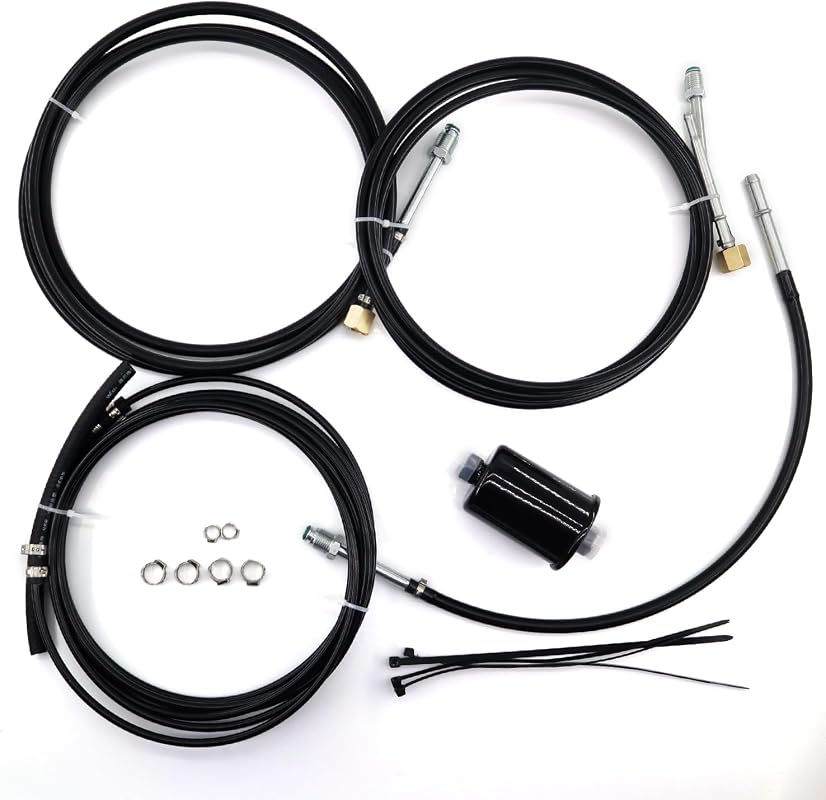
intro text here (2-3 sentences only)
Key Features That Stand Out
- ✓ Nylon fuel line replacement compatible with 1988–1997 GM trucks
- ✓ Anti-rust and colorfast construction
- ✓ Durable for long-term use
- ✓ Easy DIY replacement
Why We Recommend It
Solid replacement kit for classic GM trucks with a focus on durability and compatibility.
Best For
Best for mid- to late-1980s to late-1990s GM gas trucks needing a nylon line replacement
Pros and Cons
Pros:
- Durable nylon construction
- Good compatibility with older fuel systems
- Efficient replacement process
Cons:
- May require different connectors for certain models
- Older vehicles may need additional fittings
Customer Reviews
Customer Review: “Perfect fit for my Chevy truck; very durable.”
Customer Review: “Installation was straightforward with clear tubing.”
Complete Buying Guide for Best Material For Fuel Line
Essential Factors We Consider
When choosing the best material for fuel line, we weigh fuel compatibility, temperature tolerance, chemical resistance, flexibility, and ease of installation. Ethanol-containing fuels require special attention to permeation and durability. For deeper dives on related topics, see our guide on Best Fuel Additive For Ethanol Gas and our resource on Best One Way Check Valve For Fuel Line. If you’re shopping for marine setups, you might also find our article on Best Fuel Line And Bulb For Outboard Motor useful.
We also compare inline options for EFI systems to ensure you pick a material that won’t fail under pressure. For more pump-focused guidance, see our piece on Best Inline Fuel Pump For EFI.
Budget Planning
Set a budget by length and material type. Nylon lines tend to be affordable, while reinforced hoses with fittings cost more but last longer. Consider how many feet you need and whether clamps are included in the kit.
Final Thoughts
Every fuel system is different. The right material balances cost, durability, and compatibility with your fuel type. Nylon and nitrile lines suit many DIY projects, while marine-grade or ethanol-resistant options shine in boats or high-mileage engines. Always verify compatibility with your engine and fuel before you buy.
Frequently Asked Questions
Q: Which material is best for fuel line durability?
A: It depends on fuel and environment, but nylon offers good heat and chemical resistance, while reinforced rubber handles higher pressures in marine settings.
Q: Can I replace a fuel line myself?
A: Yes, with proper safety precautions, the right size hose, and correct clamps. Disconnect the battery, relieve fuel system pressure, and follow your engine’s guidelines.
Q: Are nylon fuel lines safe for ethanol fuels?
A: Many nylon lines are ethanol-resistant, but always check the product specifications for ethanol compatibility.
Q: How long does a fuel line typically last?
A: It varies by heat, sun exposure, and fuel quality, but well-made lines can last several years with proper care.
Q: Do I need clamps with fuel line replacements?
A: Yes, clamps help seal and secure the connection. Choose clamps that fit your hose ID for a tight fit.
Ready to upgrade your fuel line? Our top pick offers a reliable balance of durability and value. Consider the nylon option highlighted as Product 1 for a solid DIY-friendly upgrade, and explore other kits for specific engine needs. If you’re unsure which material to pick, start with the Best Choice and tailor your choice to your equipment and fuel type. For additional guidance, revisit our buying guide and the related articles above to build a plan that fits your setup.