Car Mirror Cover for Sun Protector
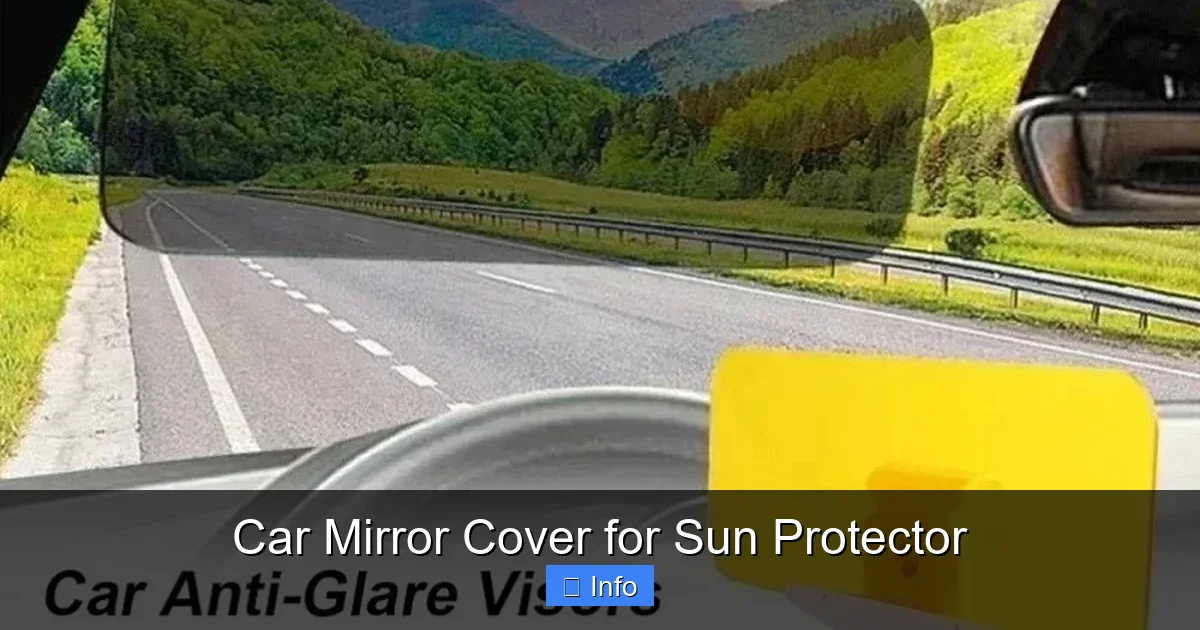
Car mirror covers for sun protection are an easy, affordable way to reduce glare and protect your mirrors from heat damage. These simple accessories clip or stick onto your existing mirrors, blocking harmful UV rays and improving visibility during bright morning or afternoon drives.
Driving under a bright sun can be more than just annoying—it can be dangerous. Glare reflecting off your side mirrors can temporarily blind you, especially during sunrise or sunset. That’s where a car mirror cover for sun protector steps in. This simple yet effective accessory is designed to shield your mirrors from direct sunlight, reduce glare, and keep your view clear. In this guide, we’ll explore everything you need to know about choosing, installing, and maintaining a mirror cover that works as a sun protector. From material types to installation tips, you’ll find practical advice to make your drives safer and more comfortable.
**Understanding the Need for a Car Mirror Cover for Sun Protector**
Sun glare isn’t just a nuisance; it’s a leading factor in many highway accidents. When the sun sits low on the horizon, its rays bounce off the curved surface of your side mirrors, creating a intense flash of light that can mask approaching vehicles, pedestrians, or road signs. A car mirror cover for sun protector acts as a physical barrier, diffusing those rays before they reach your eyes. The result is a clearer, more consistent view of the traffic beside and behind you, even when the sun is at its most blinding angle.
The science behind glare is simple: light travels in straight lines and reflects off smooth, hard surfaces at the same angle it hits them. Your side mirrors are designed to give you a wide field of view, but that same design makes them efficient reflectors of sunlight. By adding a cover with a matte or textured surface, you break up that reflection, scattering the light in many directions instead of sending a concentrated beam straight into your eyes. This small change can make a huge difference in your confidence and safety on the road.
**Types of Car Mirror Covers Available**
Not all mirror covers are created equal, and understanding the different types helps you pick the best one for your needs. The most common categories include sticker-back covers, clip-on designs, and magnetic styles. Sticker-back covers adhere directly to the mirror face, offering a low-profile look that stays put during high-speed driving. They’re often made from thin, UV-laminated material that blocks heat without adding bulk. However, they can be tricky to remove if you want to clean the mirror underneath.
Clip-on covers, on the other hand, wrap around the mirror housing and secure with clips or snaps. These are generally easier to put on and take off, making them a favorite for drivers who swap covers seasonally. They often provide a better seal against wind and water, which is useful if you park outdoors frequently. Magnetic styles use embedded magnets to hold the cover in place, offering a balance between ease of use and stability. They’re quick to remove but may not stay as firmly in extreme weather.
Material choice also varies. Polyester covers are lightweight and affordable, often featuring a reflective coating that bounces sunlight away. Neoprene offers superior durability and a snug, rubber-like fit that resists tearing. Some high-end options even incorporate ceramic or metallic fibers that actively reflect infrared heat, keeping the mirror surface cooler to the touch. When shopping, look for labels that mention UV protection, as this indicates the material has been treated to block harmful rays rather than just reflecting visible light.
**Key Features to Look For in a Sun Protector Mirror Cover**
When you’re browsing options, certain features stand out as particularly important for effective sun protection. UV resistance tops the list; a cover that claims to block sun but lacks proper UV treatment will degrade quickly and lose its effectiveness. Check product descriptions for terms like “UV-coated,” “sun-blocking,” or “heat-reflective.” These indicate that the material has been engineered specifically for solar protection, not just aesthetic purposes.
Ease of installation is another practical consideration. Some covers require you to clean the mirror with alcohol wipes before application, while others are ready to stick right out of the package. If you’re not comfortable with adhesives, clip-on designs eliminate that step entirely. Additionally, look for covers with adjustable sizing or stretchable edges, as these accommodate a wider range of mirror shapes and sizes, from compact car side mirrors to larger SUV wing mirrors.
Weather durability completes the feature set. A good car mirror cover for sun protector should withstand rain, snow, and temperature swings without cracking, peeling, or fading. Materials that are water-resistant or fully waterproof are ideal if you don’t have covered parking. Reinforced edges and double-stitched seams also signal a product built to last, resisting the wear that comes from constant exposure to the elements and frequent removal for cleaning.
**Step-by-Step Installation Guide**
Installing a mirror cover is a task most drivers can handle in just a few minutes, but doing it right ensures the cover stays put and performs well. Start by thoroughly cleaning your side mirrors with soap and water, then dry them completely with a microfiber cloth. Any dust or grime left on the surface can prevent the adhesive from bonding properly or cause clips to sit unevenly. If your cover uses a sticky backing, wipe the mirror with an alcohol-based cleaner for a residue-free surface.
Next, peel back a small portion of the adhesive backing (if applicable) and align the cover with the mirror’s outer edge. Work slowly, smoothing the material as you go to avoid air bubbles or wrinkles. For clip-on styles, start by hooking the top clip first, then snap the bottom or sides into place. Once the cover is fully seated, press firmly along the edges to ensure a tight seal. If you notice any lifting, gently reposition and press again; most covers are forgiving and can be adjusted without losing stickiness.
After the cover is on, test it by pressing on the edges and checking that it doesn’t shift when you push gently. Take a short walk around your car to verify the cover doesn’t obstruct your view of the rear or side view. If it does, remove it and realign, taking care not to stretch the material beyond its limit. Finally, give the cover a quick once-over with your hand to feel for any loose corners, and you’re ready to hit the road with reduced glare.
**Maintenance Tips for Long-Lasting Performance**
Like any car accessory, a mirror cover lasts longer when you give it regular care. Dust, pollen, and road grime can accumulate on the surface, eventually blocking some of the UV-reflective properties and making the cover look dull. Clean your cover every two weeks or whenever you notice visible dirt. Use a soft sponge or cloth with mild dish soap and lukewarm water. Gently scrub the surface, then rinse thoroughly and allow it to air dry before driving.
Avoid harsh chemicals, abrasive scrubbers, or high-pressure washers, as these can damage the protective coating or tear the fabric. If your cover is sticker-backed, be extra gentle around the edges to prevent the adhesive from peeling away from the mirror. For neoprene or rubberized covers, a quick wipe with a damp cloth usually suffices. Inspect the cover monthly for signs of wear, such as frayed edges, stretched material, or fading color. Catching these issues early lets you replace the cover before it fails to protect you.
If the cover loses its stickiness or clips become loose, many manufacturers offer replacement adhesive strips or clip sets. Rather than discarding the entire cover, these small parts can restore functionality and extend the product’s life. Storing your covers indoors when not in use—especially during extreme winter or summer months—also prevents unnecessary exposure to temperature extremes that can brittle or warp the material.
**Car Mirror Cover vs. Other Sun Protection Solutions**
You might wonder how a mirror cover stacks up against other sun protection tools already in your car. Sun visors are the most common alternative; they slide over the windshield to block overhead glare but do nothing for side mirror reflection. A car mirror cover for sun protector complements a visor by tackling the side-angle glare that visors can’t reach. Together, they form a two-layer defense: the visor handles the windshield, and the mirror cover handles the sides.
Window tinting is another popular option that reduces overall sunlight entering the cabin. While tinted windows definitely help keep the interior cooler and reduce eye strain, they don’t specifically target mirror glare. In fact, heavily tinted windows can sometimes make mirror reflection more pronounced because the contrast between the dark interior and bright exterior increases. A mirror cover addresses this contrast directly, offering a targeted solution that tinting alone can’t provide.
Full car covers are the heavy-duty option for parked protection, shielding the entire vehicle from sun, rain, and debris. However, they’re impractical while driving and don’t offer the same focused glare reduction for your mirrors. A mirror cover is lightweight, affordable, and designed specifically for use during your drive. It’s a niche solution that fills a gap left by broader protective measures, giving you that extra layer of clarity exactly where you need it most.
**Frequently Asked Questions**
Do car mirror covers for sun protectors actually reduce glare effectively?
Yes, they do. A quality car mirror cover for sun protector is designed with UV-resistant, matte-finish materials that scatter sunlight rather than reflecting it directly into your eyes. While they won’t eliminate all glare—especially if the sun is at a perfect angle—they significantly diminish its intensity, making it much easier to see vehicles and road signs beside you.
Can I install a mirror cover myself, or do I need professional help?
Most car mirror covers for sun protector are DIY-friendly and come with adhesive backing or clip mechanisms that require no tools. As long as you clean your mirror surface thoroughly before application, you can install the cover in just a few minutes. If you’re unsure about the fit or worry about damaging your mirror, many brands include detailed instructions and even video tutorials to guide you through the process.
Will a mirror cover affect my car’s aerodynamics or fuel efficiency?
Not in any noticeable way. A car mirror cover for sun protector is lightweight and low-profile, designed to fit snugly against the mirror’s existing shape. Because it doesn’t add significant drag or weight, you won’t see any change in fuel economy or driving stability. The cover is meant to be aerodynamic enough to stay in place at highway speeds without creating wind noise.
How do I choose the right size for my vehicle’s mirrors?
Start by measuring your side mirrors’ width and height, or check your car’s make and model specifications. Most manufacturers list compatible vehicle types or mirror sizes in the product description. If you’re between sizes, opt for a stretchable or adjustable cover, as these accommodate a broader range of mirror dimensions without sacrificing coverage or effectiveness.
Can I use a mirror cover in winter or rainy conditions?
Yes, many car mirror covers for sun protector are designed to withstand various weather conditions. Look for water-resistant or fully waterproof materials if you frequently park outdoors. However, heavy snow or ice buildup can weigh down the cover or interfere with its adhesion. In extreme winter climates, it’s a good idea to remove the cover when clearing your car to prevent stretching or tearing.
Do mirror covers block UV rays, or just visible sunlight?
Quality covers block both. A proper car mirror cover for sun protector uses UV-coated or heat-reflective materials that filter out harmful ultraviolet rays, not just the visible light we see. This protects not only your eyes from glare but also your mirror’s reflective coating from long-term sun damage, which can cause fading or peeling over several years of exposure.
How often should I replace my mirror cover?
With regular cleaning and proper care, a good mirror cover can last two to three years. Replace it sooner if you notice the material thinning, edges fraying, adhesive failing, or UV protection diminishing. Signs like persistent glare despite the cover in place or visible cracking are also indicators it’s time for a new one. Seasonal inspection—especially before summer and winter—helps you stay ahead of wear.
Key Takeaways
- Point 1: A car mirror cover for sun protector blocks direct sunlight from hitting your side mirrors, significantly reducing glare that can impair your vision during sunrise or sunset drives.
- Point 2: These covers are typically made from UV-resistant fabrics like polyester or neoprene, which reflect heat and prevent mirror surfaces from overheating and fading over time.
- Point 3: Installation is usually straightforward, with most designs using either a sticky backing or clips that secure around the mirror housing without requiring tools.
- Point 4: Beyond glare reduction, a mirror cover also protects against dust, rain, and minor scratches, extending the lifespan of your mirrors.
- Point 5: Choosing the right size and fit is crucial; a cover that’s too loose will shift while driving, while one that’s too tight may stretch or tear the material.
- Point 6: Pairing a mirror cover with other sun protection—such as anti-glare sun visors or window tinting—creates a comprehensive shield against harsh sunlight.
- Point 7: Regular cleaning with mild soap and water keeps the cover clear and effective, ensuring it doesn’t become a new source of distraction due to dirt buildup.
Frequently Asked Questions
Do car mirror covers for sun protectors actually reduce glare effectively?
Yes, they do. A quality car mirror cover for sun protector is designed with UV-resistant, matte-finish materials that scatter sunlight rather than reflecting it directly into your eyes. While they won’t eliminate all glare—especially if the sun is at a perfect angle—they significantly diminish its intensity, making it much easier to see vehicles and road signs beside you.
Can I install a mirror cover myself, or do I need professional help?
Most car mirror covers for sun protector are DIY-friendly and come with adhesive backing or clip mechanisms that require no tools. As long as you clean your mirror surface thoroughly before application, you can install the cover in just a few minutes. If you’re unsure about the fit or worry about damaging your mirror, many brands include detailed instructions and even video tutorials to guide you through the process.
Will a mirror cover affect my car’s aerodynamics or fuel efficiency?
Not in any noticeable way. A car mirror cover for sun protector is lightweight and low-profile, designed to fit snugly against the mirror’s existing shape. Because it doesn’t add significant drag or weight, you won’t see any change in fuel economy or driving stability. The cover is meant to be aerodynamic enough to stay in place at highway speeds without creating wind noise.
How do I choose the right size for my vehicle’s mirrors?
Start by measuring your side mirrors’ width and height, or check your car’s make and model specifications. Most manufacturers list compatible vehicle types or mirror sizes in the product description. If you’re between sizes, opt for a stretchable or adjustable cover, as these accommodate a broader range of mirror dimensions without sacrificing coverage or effectiveness.
Can I use a mirror cover in winter or rainy conditions?
Yes, many car mirror covers for sun protector are designed to withstand various weather conditions. Look for water-resistant or fully waterproof materials if you frequently park outdoors. However, heavy snow or ice buildup can weigh down the cover or interfere with its adhesion. In extreme winter climates, it’s a good idea to remove the cover when clearing your car to prevent stretching or tearing.
Do mirror covers block UV rays, or just visible sunlight?
Quality covers block both. A proper car mirror cover for sun protector uses UV-coated or heat-reflective materials that filter out harmful ultraviolet rays, not just the visible light we see. This protects not only your eyes from glare but also your mirror’s reflective coating from long-term sun damage, which can cause fading or peeling over several years of exposure.
How often should I replace my mirror cover?
With regular cleaning and proper care, a good mirror cover can last two to three years. Replace it sooner if you notice the material thinning, edges fraying, adhesive failing, or UV protection diminishing. Signs like persistent glare despite the cover in place or visible cracking are also indicators it’s time for a new one. Seasonal inspection—especially before summer and winter—helps you stay ahead of wear.