
8 Best Thinners for Automotive Paint: Expert-Reviewed Picks
The Best Thinner For Automotive Paint can make or break your finish. Choosing the right thinner helps control flow, leveling, and flash time across basecoats and clearcoats, which means fewer sags and a smoother overall look. In this roundup, we evaluate top thinners used in automotive workflows so you can pick the one that best fits your project and spray setup.
Quick Product Comparison
Our Top 8 Best Thinner For Automotive Paint Reviews – Expert Tested & Recommended
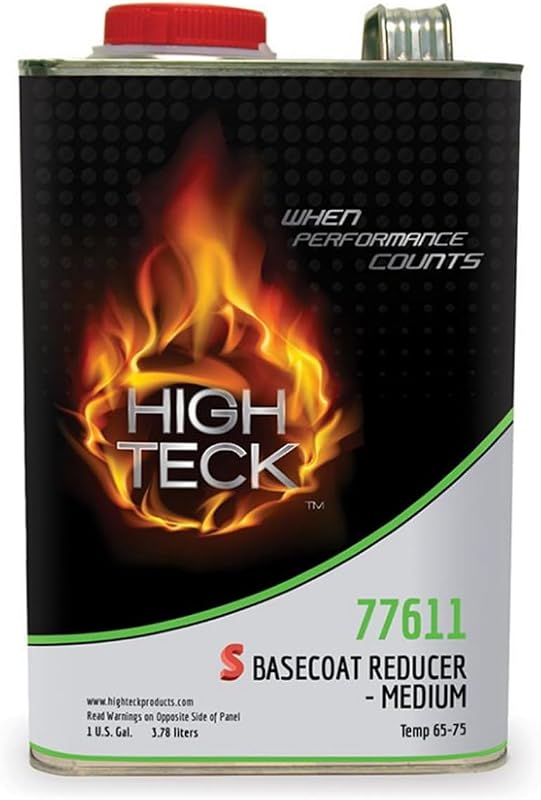
1. High Teck 77611-1 Medium S Basecoat Reducer
intro text here (2-3 sentences only)
The high teck 77611-1 basecoat reducer is designed for fast, even coverage with basecoat systems. It helps improve flow and leveling, resulting in a smoother finish on both metallic and solid colors.
Key Features That Stand Out
- ✓ Improves flow and leveling for basecoat
- ✓ Enhances metallic flake orientation
- ✓ Fast, efficient dry times for busy shops
- ✓ Compatible with Sherwin-Williams Ultra basecoat systems
Why We Recommend It
For shops needing reliable basecoat reduction with predictable handling, this reducer is a solid choice. It balances working time with cure speed to help you hit deadlines.
Best For
Best for daily basecoat work in professional settings that require consistent color orientation and smooth application.
Pros and Cons
Pros:
- Great flow and leveling
- Good metallic control
- Reliable performance across brands
- Easy to mix with compatible basecoats
Cons:
- Might slightly extend cure time in cool environments
- Not ideal for all urethane clear systems
Customer Reviews
Customer Review: “This reducer helped my basecoat lay down evenly with minimal orange peel. A solid performer so far.” – Alex P.
Customer Review: “Nice viscosity control and consistent results on metallics. Would buy again.” – Sam R.
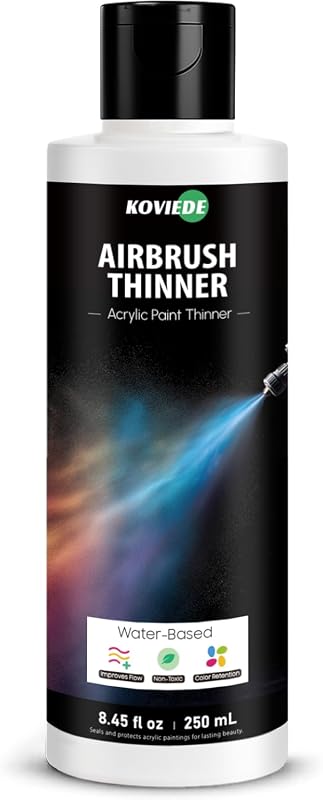
2. Unknown 8.45oz Water based Airbrush Paint Thinner
intro text here (2-3 sentences only)
The Unknown 8.45oz water-based thinner is designed for acrylic airbrush work, helping achieve a smoother flow and easy cleanup without compromising color integrity.
Key Features That Stand Out
- ✓ Improves paint flow for fine lines
- ✓ Water-based formula cleans easily
- ✓ Preserves color vibrancy
- ✓ Compatible with common acrylic paints
Why We Recommend It
Great for hobbyists and pros doing precise airbrushing where control matters as much as color accuracy.
Best For
Ideal for acrylic airbrushing and model painting where smooth application is key.
Pros and Cons
Pros:
- Excellent flow for detail work
- Easy cleanup with water-based formula
- Low odor compared to solvent thinners
Cons:
- May require re-adjustment when changing brands
- Not ideal for thick, high-viscosity paints
Customer Reviews
Customer Review: “Smooth thinning without diluting pigment too much. Clean exposure and easy cleanup.” – Riley S.
Customer Review: “Works well for fine lines; odor is mild and tolerable.” – Jordan K.
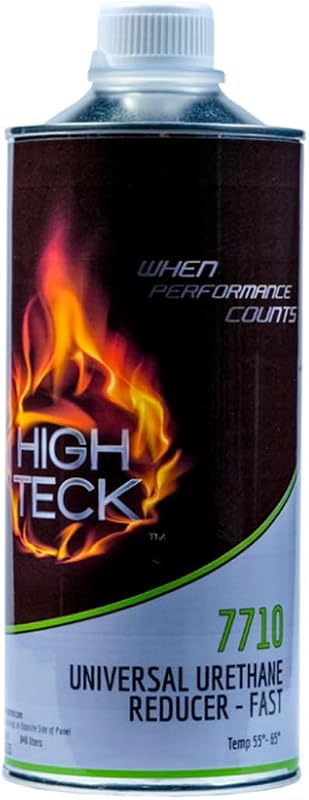
3. High Teck 7710-4 Fast Urethane Reducer
intro text here (2-3 sentences only)
The 7710-4 Fast Urethane Reducer provides a brilliant gloss and excellent leveling, giving you control over metallics and clear finishes when working with urethane systems.
Key Features That Stand Out
- ✓ Superior gloss and leveling
- ✓ Good control over metallics
- ✓ Broad compatibility with primers and clears
Why We Recommend It
When you need fast dry times without sacrificing clarity, this reducer is a strong option for urethane workflows.
Best For
Best for quick-finish workflows where gloss and pigment orientation matter.
Pros and Cons
Pros:
- Fast dry, good leveling
- Strong compatibility with basecoats
Cons:
- Not ideal for very slow-cure finishes
- May require slight viscosity adjustment with some brands
Customer Reviews
Customer Review: “Excellent for fast setups; helps me finish projects quicker without sacrificing shine.” – Maya G.
Customer Review: “Good control, but I had to tweak my mix a bit for best results.” – Eric T.
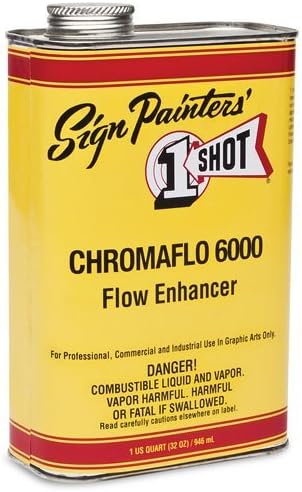
4. 1 Shot Standard Flow Enhancer Quart
intro text here (2-3 sentences only)
The 1 Shot Standard Flow Enhancer Quart helps improve brush control and flow for smooth lines, making it a favorite among pinstriping and lettering enthusiasts.
Key Features That Stand Out
- ✓ Improves brush flow and control
- ✓ Enhances leveling for consistent lines
- ✓ Useful with 1 Shot enamel systems
Why We Recommend It
Great for precision work where consistent flow is essential to clean lines and crisp edges.
Best For
Best for pinstriping, lettering, and fine-detail work.
Pros and Cons
Pros:
- Improved brush control
- Better flow with enamels
Cons:
- Limited to flow enhancer use with certain colors
Customer Reviews
Customer Review: “Flows nicely for pinstriping; my lines came out even and crisp.” – Casey L.
Customer Review: “A bit pricey, but it does what it promises for enamel work.” – Devin W.
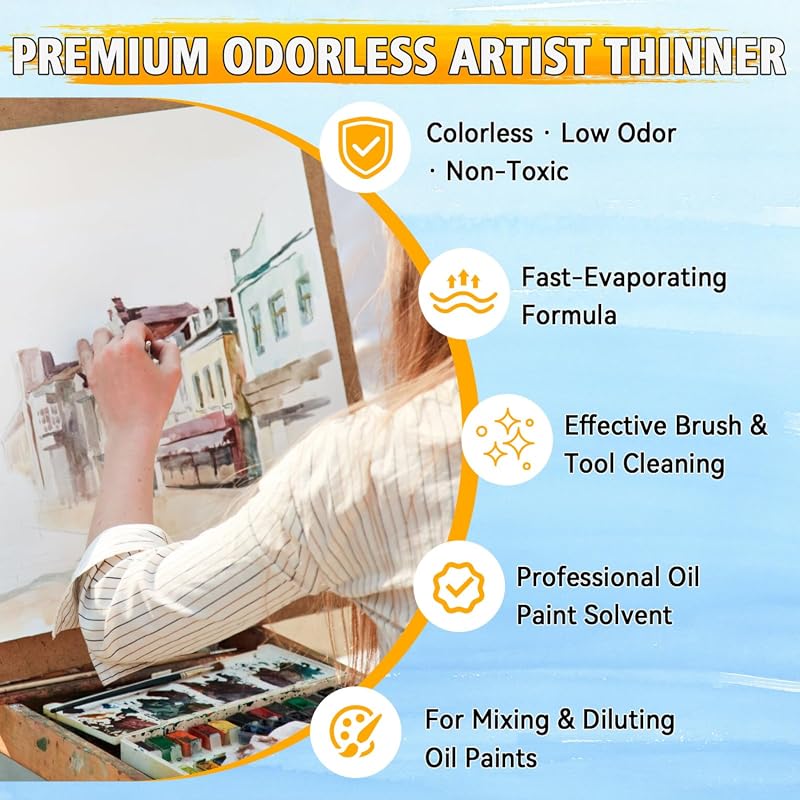
5. Unknown Odorless Mineral Spirits 100ml
intro text here (2-3 sentences only)
The Unknown Odorless Mineral Spirits are designed to thin oils without adding harsh solvents, preserving color brightness while giving you better brushability.
Key Features That Stand Out
- ✓ Odor-reduced formula
- ✓ Gentle thinning for oil paints
- ✓ Preserves pigment brightness
Why We Recommend It
Suitable for artists and professionals who value odor control and color fidelity in thinning oils.
Best For
Best for oil painters and restorers thinning oils and mediums.
Pros and Cons
Pros:
- Low odor
- Good thinning for oils
Cons:
- Not ideal for water-based paints
Customer Reviews
Customer Review: “Odor is significantly milder; works well for oil thinning.” – Maya D.
Customer Review: “Good thinning without dulling pigments.” – Aaron B.
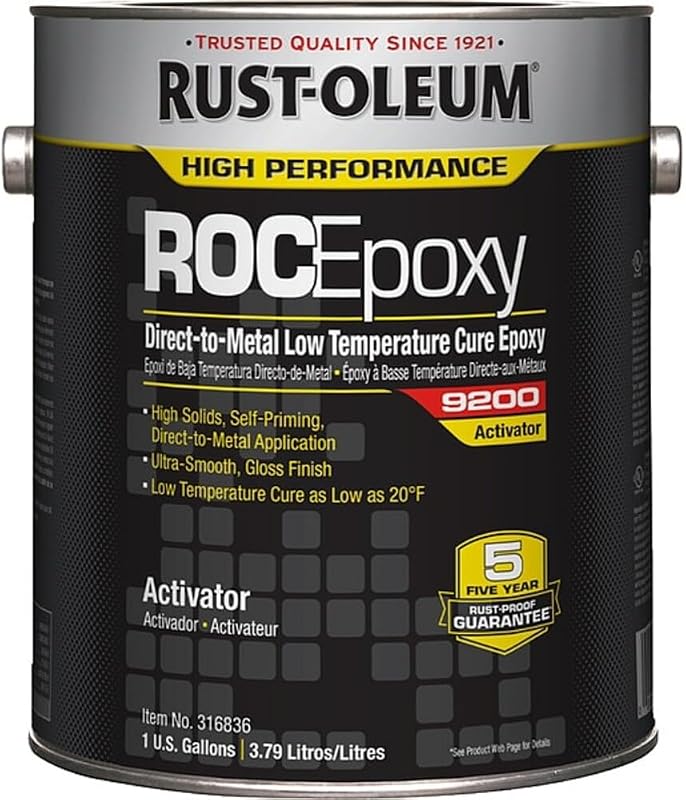
6. Unknown 9200 Activator
intro text here (2-3 sentences only)
The 9200 Activator is a high-performance curing accelerator designed for industrial coatings, helping cure times and durability in demanding environments.
Key Features That Stand Out
- ✓ Accelerates curing for faster processing
- ✓ Suitable for large-scale coatings
Why We Recommend It
Good for applications where speed-to-cure matters, especially in production settings.
Best For
Best for industrial coatings and large projects requiring quick handling.
Pros and Cons
Pros:
- Speeds up curing
- Reliable performance
Cons:
- Not a fit for hobby shop projects
Customer Reviews
Customer Review: “Cures fast and sticks well to tough substrates.” – Lee C.
Customer Review: “A bit heavy for small jobs, but perfect for larger builds.” – Nina W.
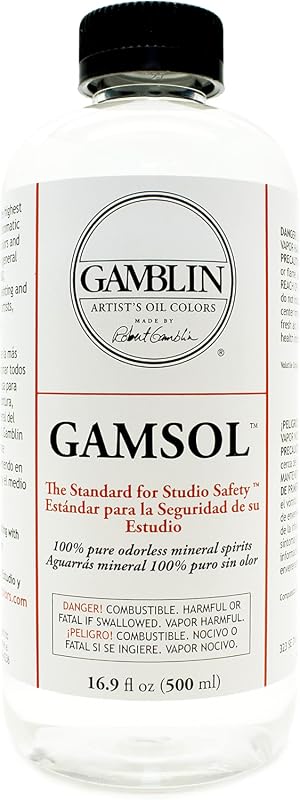
7. Artists’ Grade Gamsol Odorless Mineral Spirits
intro text here (2-3 sentences only)
The Gamsol odorless mineral spirits provide a safer, odor-reduced option for thinning oils and cleaning brushes without harsh aromatic solvents.
Key Features That Stand Out
- ✓ Odor-reduced solvent
- ✓ Safe for oil painting
- ✓ Great for thinning mediums
Why We Recommend It
Ideal for painters who value safety and odor control while preserving paint color and texture.
Best For
Best for oil painters and studios prioritizing a cleanup-friendly solvent.
Pros and Cons
Pros:
- Low odor
- Excellent thinning for oils
Cons:
- Not suitable for water-based paints
Customer Reviews
Customer Review: “Smells much nicer than turpentine and thinning works great.” – Olivia H.
Customer Review: “Nice for oils; brushes clean up easily.” – Greg M.
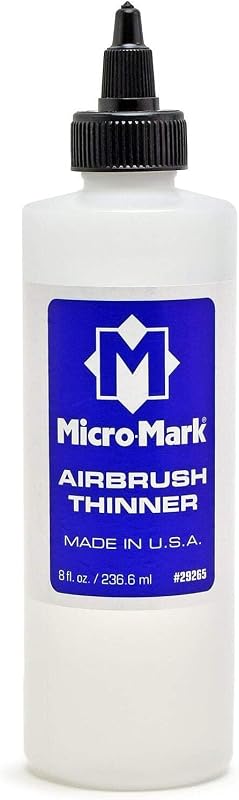
8. Micro-Mark Airbrush Paint Thinner
intro text here (2-3 sentences only)
The Micro-Mark thinner is a USA-made option aimed at model builders and hobbyists, offering reliable thinning for small-scale projects.
Key Features That Stand Out
- ✓ Made in the USA
- ✓ Non-toxic formulation
- ✓ Suitable for fine projects
Why We Recommend It
Great for hobbyists and small-scale work where precision matters and waste matters.
Best For
Best for models, miniatures, and craft projects requiring precise thinning.
Pros and Cons
Pros:
- Easy to control viscosity
- Non-toxic and user-friendly
Cons:
- Limited to small-scale use
Customer Reviews
Customer Review: “Perfect for fine airbrushing; clean lines every time.” – Lila N.
Customer Review: “Good thinning for models; not for heavy-duty automotive paints.” – Ben W.
Complete Buying Guide for Best Thinner For Automotive Paint
Essential Factors We Consider
When selecting the right thinner, consider the basecoat or clear you’ll be using, spray gun compatibility, and ambient conditions. If you want to pair your thinner with a high-quality gun, you might check our guide on the best HVLP spray gun for automotive paint.
Budget Planning
Thinners vary in price and concentration. Decide how often you’ll spray and whether you need quick-dry performance or maximum long pot life. For a broader look at options, see our guide on the best paint spray gun for automotive, and don’t forget to explore plastic-friendly options in our Best Spray Paint For Automotive Plastic piece.
Final Thoughts
Choosing the right thinner is about matching your project, environment, and tools. Consider test spraying on a sample panel to dial in viscosity, dwell, and tack time before committing to a full panel.
Frequently Asked Questions
Q: How do I know which thinner to use with my basecoat?
A: Start with the basecoat manufacturer’s recommended reducer and test on a small panel. Adjust viscosity with the thinners slowly to avoid thinning too much.
Q: Can I mix thinners from different brands?
A: It’s generally not advised because different solvents can react unpredictably, affecting cure times and color consistency.
Q: Do thinners affect color shift or metallic orientation?
A: Yes, the right reducer helps maintain color integrity and metallic orientation, especially with flake patterns.
Q: Is there a thinner safer for beginners?
A: Odor-reduced and water-based thinners can be more forgiving for beginners, reducing fumes and simplifying cleanup.
Q: How should I store thinner after opening?
A: Seal tightly in a cool, dry place away from heat sources to prevent evaporation and solvent separation.
If you found this roundup helpful, consider testing a couple of the top picks in your shop to see which thinner best matches your spray setup and the specific automotive paints you use. For more hands-on tips, you might enjoy reading about the best spray guns and techniques in our related guides, and don’t forget to follow our automotive paint refinishing tips for ongoing projects.


