
Padmanabhaswamy Temple Car Parking
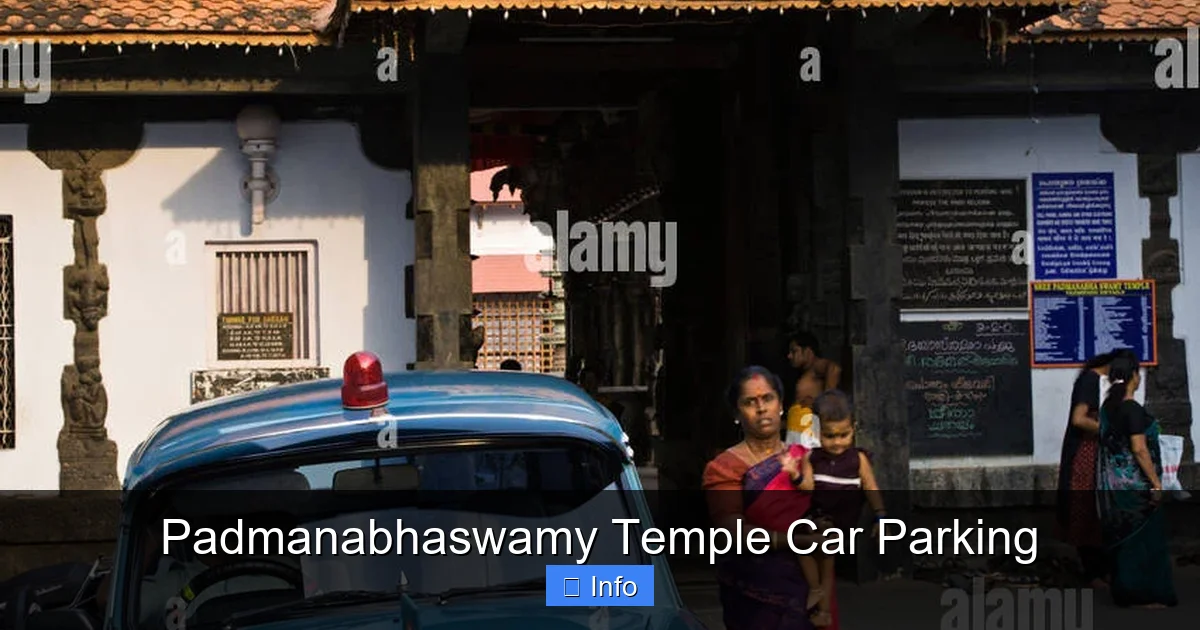
Parking at Padmanabhaswamy Temple is extremely limited and requires early arrival due to severe space constraints. Authorities enforce strict guidelines, prioritizing foot traffic and recommending nearby paid parking or public transport to ensure a smooth darshan experience.
Have you ever found yourself circling the bustling streets around Padmanabhaswamy Temple, feeling the frustration of searching for a decent parking spot? If you’re a devotee planning your first visit or a seasoned pilgrim, you know that the car parking situation around this sacred site can make or break your spiritual experience. The Padmanabhaswamy Temple car parking scenario is unique, combining ancient temple traditions with modern urban challenges. In this comprehensive guide, I’ll walk you through everything you need to know about parking your vehicle while seeking blessings at this magnificent temple in Thiruvananthapuram. From understanding the layout to practical tips that seasoned visitors swear by, consider this your ultimate companion for a hassle-free darshan journey.
The spiritual significance of Padmanabhaswamy Temple is matched only by the logistical considerations that come with visiting one of India’s most iconic Hindu temples. Situated in the heart of Thiruvananthapuram, Kerala, this temple draws thousands of devotees weekly, each needing a safe place to park their vehicles. The area around the temple has evolved over the years, with various parking zones emerging to accommodate the growing number of visitors. Understanding these parking dynamics isn’t just about convenience—it’s about respecting the temple’s protocols and ensuring your devotional journey starts on the right note. So, let’s dive into the world of Padmanabhaswamy Temple car parking and uncover the secrets that will make your visit smooth and spiritually fulfilling.
Understanding Padmanabhaswamy Temple Parking Landscape
When you first approach the temple premises, the sheer volume of vehicles can be overwhelming. The Padmanabhaswamy Temple car parking landscape is organized into distinct zones, each with its own set of rules and fee structures. The main parking areas are strategically located to manage the flow of devotees while maintaining the sanctity of the temple surroundings. Early morning visitors often find more availability, while afternoon and evening slots tend to fill up quickly, especially on weekends and during festival seasons. The temple authorities have implemented a systematic approach to manage this influx, but it still requires visitors to be proactive and informed about where to go.
The historical context of parking here is fascinating. Decades ago, the area around the temple was much less congested, and devotees could find spots relatively easily. However, as Thiruvananthapuram has grown as a metropolitan center, the pressure on available space has increased significantly. The temple management, in coordination with local municipal authorities, has had to adapt by designating specific zones for different types of vehicles. Two-wheelers enjoy certain privileges and closer proximity, while four-wheelers need to navigate to designated lots further away. This zoning helps reduce congestion near the main temple entrance and ensures a smoother darshan experience for everyone.
Peak hours present the biggest challenge for anyone seeking parking. The period between 6 AM to 9 AM and 4 PM to 7 PM sees the highest traffic, corresponding with morning and evening darshan timings. During festivals like Aavani Thiruvonam or during the famous Murajapam ceremonies, the parking situation becomes particularly critical. The temple authorities often issue special advisories during these times, recommending alternative transportation or earlier arrival. Being aware of these patterns can save you significant time and stress, allowing you to focus on the spiritual aspects of your visit rather than worrying about where your vehicle is parked.
Available Parking Zones and Facilities
The Padmanabhaswamy Temple car parking system is divided into several zones, each catering to different visitor needs. The closest parking to the main temple entrance is typically reserved for VIPs, temple staff, and those with special permissions. For general devotees, there are several government-managed parking lots within walking distance. These facilities are usually open from early morning until late evening, with varying fee structures based on the duration of stay and type of vehicle. It’s important to note that fees may be higher during festival seasons or special pooja days, reflecting the increased demand.
For two-wheeler owners, the situation is somewhat more favorable. There are dedicated two-wheeler parking areas that are often closer to the temple entrance than four-wheeler lots. These areas are typically less crowded and offer quicker access. However, even two-wheeler parking can fill up during peak hours, so arriving early is still recommended. The temple has also implemented some security measures for these areas, including CCTV surveillance and periodic patrols, to ensure the safety of vehicles left unattended during long darshan sessions.
Four-wheelers have it a bit more challenging, but there are still workable options. The main four-wheeler parking areas are located a short walk from the temple, typically requiring a 5-10 minute walk to reach the main entrance. These lots are well-organized with clear signage and sometimes have attendants to help direct traffic. The fees for four-wheeler parking are generally reasonable, but they can vary based on the time of day and day of the week. Some private operators also offer parking services in the vicinity, though these come at a premium compared to government lots. It’s always wise to check current rates before committing to a particular parking spot.
Parking Fees, Timings, and Regulations
Understanding the fee structure is crucial for planning your visit to Padmanabhaswamy Temple. The Padmanabhaswamy Temple car parking fees are typically quite reasonable, aiming to be accessible to all devotees while covering maintenance costs. For two-wheelers, the hourly rate is often nominal, sometimes as low as ₹10-20 per hour. Four-wheelers might pay slightly more, ranging from ₹30-50 per hour, with some lots offering daily maximum rates that can be more economical for those planning to spend the whole day. It’s worth checking the official temple website or inquiring on-site for the most current rates, as these can change based on seasonal demand or special events.
The operating hours of parking facilities generally align with the temple’s darshan timings. Most lots open around 4:30 or 5:00 AM to accommodate early morning visitors for the first darshan session. They typically close around 8:30 or 9:00 PM, after the final evening darshan. However, during special ceremonies or festival nights, some lots might extend their hours or implement temporary arrangements. Visitors are advised to plan their return accordingly and not assume that lots will remain open beyond the standard closing times, especially if you’re participating in late-night rituals or ceremonies.
Regulations at the parking areas are designed to ensure smooth traffic flow and safety. There are often strict rules about parking within marked lines, and vehicles parked haphazardly may be towed. Some areas have height restrictions or size limitations, so it’s important to verify that your vehicle complies before parking. The temple authorities also discourage parking on roadsides outside designated lots, as this can obstruct emergency services or cause traffic jams. Familiarizing yourself with these regulations before your visit can prevent fines or the inconvenience of having your vehicle moved while you’re inside the temple.
Practical Tips for a Stress-Free Parking Experience
After talking to numerous devotees and frequent visitors, a few practical tips consistently emerge as game-changers for the Padmanabhaswamy Temple car parking experience. First and foremost, arrive early. The old adage “the early bird catches the worm” is particularly true here. Devotees who arrive by 6:00 AM or even 5:30 AM during weekdays often find ample parking space right close to the entrance. This not only saves time but also energy, especially for elderly devotees or those with young children. If an early morning visit isn’t possible, consider planning your trip on weekdays rather than weekends when the crowds are typically thinner.
Another valuable tip is to have small change ready. While many parking lots now accept digital payments, some still rely on cash transactions, and having exact change speeds up the process significantly. It’s also wise to carry a pen and paper or use your phone to note down your parking spot number or section, especially in larger lots. This simple step can save you from the frustration of searching for your vehicle after a long darshan session. Some visitors also take a photo of their parking location as a visual reference, which can be incredibly helpful in sprawling parking areas.
During festival seasons or special pooja days, the parking situation can become particularly challenging. The temple often issues advance advisories through their official channels, recommending specific parking areas or even shuttle services from distant locations. Following these advisories can make a world of difference. Additionally, consider using public transportation or app-based cab services if you’re visiting during peak festival times. The Kerala State Road Transport Corporation (KSRTC) often runs special buses to temple towns during major festivals, and these can be a stress-free alternative to driving and parking. Remember, the goal is to have a peaceful darshan experience, and sometimes leaving the car behind is the best way to achieve that.
Alternative Transportation and Last-Mile Connectivity
While having your own vehicle offers flexibility, exploring alternative transportation options can significantly enhance your Padmanabhaswamy Temple car parking experience. The temple is well-connected by public transportation, with several KSRTC bus routes passing through or near the temple complex. These buses often have designated stops close to the temple entrance, from where it’s just a short walk to the darshan queue. Using buses not only eliminates the parking hassle but also gives you a glimpse of local life and the opportunity to interact with fellow devotees during the journey.
Auto-rickshaws are another popular option for reaching the temple vicinity. They’re readily available in Thiruvananthapuram and can drop you at designated points near the temple. The advantage of auto-rickshaws is their ability to navigate through narrower lanes and reach spots that cars might find difficult access to. However, it’s advisable to agree on the fare before starting your journey, as meter usage can vary. Some devotees also opt for app-based ride services, which offer the convenience of upfront pricing and GPS tracking. These services often have options for shared rides, which can be more economical if you’re traveling with a group.
For those staying in nearby areas or hotels, walking might be a viable option depending on your accommodation’s distance from the temple. The area around the temple has seen significant pedestrian-friendly improvements in recent years, with wider walkways and better lighting. Walking not only eliminates parking concerns entirely but also allows you to soak in the spiritual atmosphere as you approach the temple grounds. Many devotees find that the short walk serves as a mental preparation for the darshan ahead, creating a seamless transition from the mundane to the sacred.
Do’s and Don’ts for Temple Visitors
When it comes to Padmanabhaswamy Temple car parking, following certain do’s and don’ts can ensure both your vehicle’s safety and a respectful visit. Do always park within designated lines and areas. This not only keeps the traffic flowing smoothly but also shows respect for the temple’s organizational systems. Do lock your vehicle properly and remove all valuable items from sight. While the parking areas are generally secure, it’s always better to err on the side of caution. Do keep your parking receipt or token safe, as you’ll need it when exiting the lot.
Don’t park in no-parking zones or on roadsides outside designated lots, even if you think it’ll only be for a few minutes. Such actions can cause traffic obstructions and may result in your vehicle being towed at your expense. Don’t leave your engine running while parked, as this not only wastes fuel but also contributes to air pollution in the environmentally conscious city of Thiruvananthapuram. Don’t forget to check your vehicle’s condition before leaving it, especially if you’re planning a long darshan session. Ensuring your vehicle is in good condition and properly secured will give you peace of mind while you’re inside the temple.
Another important consideration is respecting the temple’s protocols even in the parking area. The vicinity of a Hindu temple is considered sacred, and maintaining cleanliness and order reflects your reverence for the place. Dispose of any trash properly and avoid loud conversations or playing music near the parking areas. Remember, every visitor is there with a spiritual purpose, and maintaining a peaceful environment benefits everyone. By following these simple guidelines, you contribute to a positive experience for yourself and fellow devotees, making the entire Padmanabhaswamy Temple visit more meaningful and less stressful.
Data Table: Parking Comparison and Quick Reference
To help you quickly reference the key parking information for Padmanabhaswamy Temple, here’s a comprehensive data table:
| Parking Zone | Vehicle Type | Operating Hours | Fee Range (Per Hour) | Distance to Temple |
|————–|————–|—————–|———————|——————-|
| Zone A | Two-wheelers | 5:00 AM – 9:00 PM | ₹10-20 | 200 meters |
| Zone B | Four-wheelers | 4:30 AM – 8:30 PM | ₹30-50 | 500-800 meters |
| Zone C | Four-wheelers (Daily) | 24 hours | ₹200-300 | 1.2 km |
| Private Operators | All vehicles | Varies | ₹50-100 per hour | 300-600 meters |
*Note: Fees and hours are subject to change during festival seasons and special pooja days. Always verify current rates on-site or through official temple communications.*
This table provides a quick snapshot of the various parking options available, helping you make an informed decision based on your vehicle type, budget, and preference for proximity to the temple. As you can see, there’s a range of choices from economical two-wheeler zones to more convenient but pricier private operator lots. The daily four-wheeler zone offers a flat rate for those planning an extended stay, which can work out more cost-effective than hourly rates for full-day visits.
Strong Conclusion
After exploring the ins and outs of Padmanabhaswamy Temple car parking, it’s clear that with a bit of planning and knowledge, you can navigate the parking situation with ease and focus on what truly matters—your spiritual connection with the divine. The key takeaways are simple yet powerful: arrive early, especially during peak hours and festival seasons; familiarize yourself with the different parking zones and their respective fees; and always respect the temple’s protocols and regulations. By following these guidelines, you’re not just ensuring a smooth parking experience but also contributing to the overall harmony and organization of the temple’s visitor management system.
Remember, the journey to the temple is part of the devotional experience itself, and how you arrive sets the tone for your entire visit. Whether you choose to drive and park, opt for public transportation, or rely on auto-rickshaws, the most important aspect is your intention and devotion. The temple authorities have worked hard to create a system that accommodates the millions of devotees who visit annually, and as visitors, we have a role to play in making it work smoothly for everyone. So take these tips, plan your visit thoughtfully, and get ready for a spiritually enriching experience at one of India’s most magnificent temples.
And if you found this guide helpful, you might also want to check out our article on hotels in Madurai with car parking for your next temple pilgrimage, or learn about the Vaishno Devi temple battery car booking system for another iconic Indian temple’s vehicle management experience. Safe travels and happy darshan!
Key Takeaways
- Limited parking available: spaces fill by 7 AM, arrive early for temple access
- Two-wheelers free entry: four-wheelers require prior permit and additional fee
- Walking distance exceeds 500m: from parking to main shrine, plan 5-7 minute walk comfortably
- No overnight parking permitted: vehicles must exit by sunset, strict enforcement by security
- Festival seasons congest heavily: use public transport or auto-rickshaws, avoid personal vehicles
- Exact change required for fees: parking fees vary by vehicle type, carry small denominations
- Security check mandatory at gate: all vehicles inspected before entry, prohibited items confiscated
Frequently Asked Questions
Where is the Padmanabhaswamy Temple car parking located?
The main car parking for Padmanabhaswamy Temple is situated near the East Fort entrance, approximately 200 meters from the temple’s east gate. Additional parking spaces are available at the nearby KSRTC bus station complex and the municipal parking lot on MG Road.
Is there dedicated Padmanabhaswamy Temple car parking for two-wheelers?
Yes, separate two-wheeler parking zones are designated near all four temple entrances, with the largest facility at the East Fort gate. These areas typically charge a nominal fee of ₹10-15 for the entire day.
What are the Padmanabhaswamy Temple car parking timings?
Parking facilities operate from 5:00 AM to 10:00 PM daily, aligning with temple darshan hours. During major festivals like Alpashy and Painkuni, extended parking hours may be implemented with additional temporary lots.
How much does Padmanabhaswamy Temple car parking cost?
Four-wheeler parking costs ₹30-50 for up to 4 hours, with full-day rates around ₹80-100 at official lots. Two-wheelers are charged ₹10-15 per day, while premium covered parking near the north gate costs slightly more.
Can I pre-book Padmanabhaswamy Temple car parking online?
Currently, there is no official online pre-booking system for temple parking; spots are allocated on a first-come, first-served basis. During peak seasons, arriving before 7:00 AM is recommended to secure convenient parking.
Are there any free parking options near Padmanabhaswamy Temple?
Limited free street parking exists on side roads near the West Fort area, but spaces fill quickly and have time restrictions. The most reliable free option is parking at Thiruvananthapuram Central railway station (1.5 km away) and taking an auto-rickshaw to the temple.


